By: LaJaunie's Pest Control
  December 9, 2025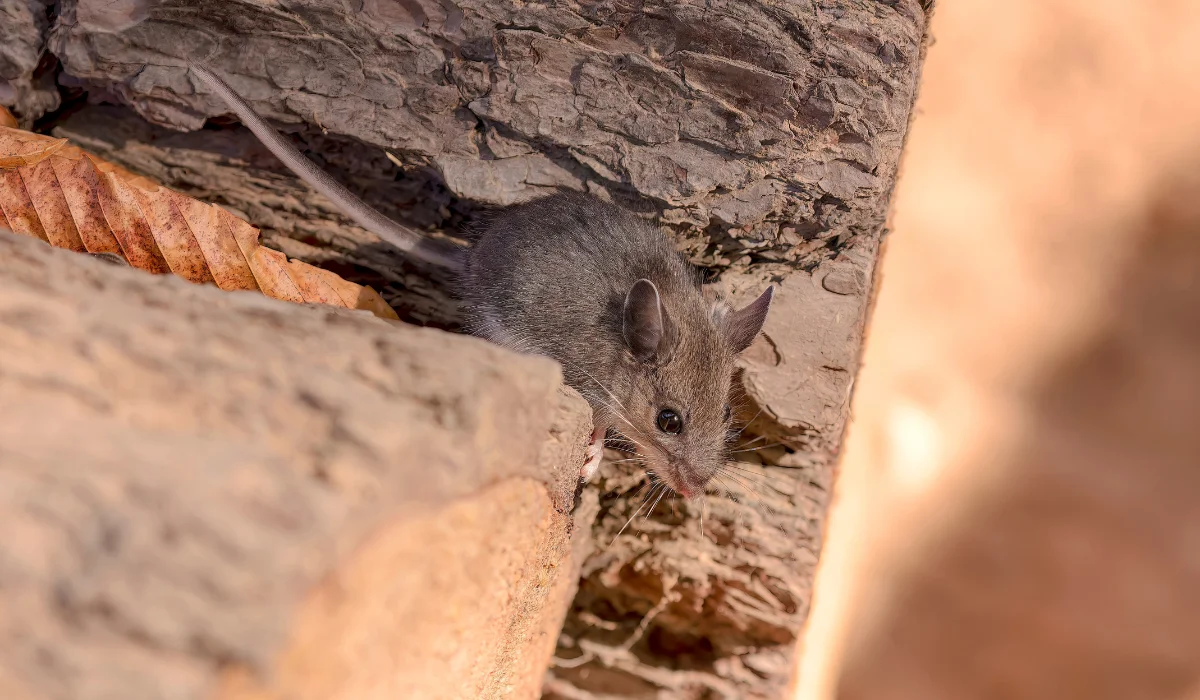
Homes in Gretna, especially in neighborhoods near wetlands and trees, see more small rodents than many Louisiana homeowners expect. The warm climate, older homes, and easy access to food draw several mouse species indoors year-round.
Knowing the types of mice in Gretna, LA, helps you act early when you hear scratching or notice activity around your garage or basement. These mice vary in appearance and behavior, but they all enter homes in search of shelter and food.
Some, like the common house mouse, live close to people. Others, like deer mice, stay near wooded areas until outdoor food runs low. When mice slip inside, they leave gnaw marks, nesting material, and tiny droppings that warn of bigger problems ahead.
Learning how to identify each mouse species helps you stop infestations early and know when to call a professional. LaJaunie’s Pest Control provides year-round service across Southeast Louisiana, including Gretna and New Orleans, with safe treatments and fast scheduling.
Key takeaways
• House mice, deer mice, and white-footed mice most often infest Gretna homes.
• Each species prefers different hiding spots, including crawl spaces, attics, and garages.
• Early signs, such as mouse droppings or scratching sounds, help you stop large infestations before they grow.
• Professional rodent control is the safest way to get rid of active infestations and protect your home for the long term.
Video: Mice 101 – Mice Species Fast Facts and Information
This short video explains common types of mice and other rodents, offering a clear look at the types of rodents you may see around Gretna and how they move inside homes and other buildings. It points out traits such as large ears, coat color, and nesting styles. These details help you tell if you are seeing house mice, white-footed mice, or deer mice.
Seeing these examples makes it easier to spot early mouse activity and plan simple, effective control steps.
What types of mice are most common in Gretna, LA?
Gretna homes see several types of mice, especially in neighborhoods near wooded areas and in older houses with many entry points. Season changes and easy food give small rodents many reasons to move indoors.
Louisiana’s humidity and the thick tree cover around New Orleans, Marrero, and the west bank help these rodents live and breed all year.
House mice (Mus musculus)
House mice are the most common rodent in Southeast Louisiana. These small rodents nest in garages, basements, and storage rooms, where pet food and clutter provide easy shelter.
Their droppings are small and pointed, often found along walls or inside cabinets. They can squeeze into gaps as small as a dime, so even tiny cracks can act as entry points.
When you hear scratching sounds or see gnaw marks on cardboard or wiring, you usually have house mice. If activity reaches your walls, you must get rid of mice in your walls quickly to keep them from spreading into multiple rooms.
Deer mice (Peromyscus maniculatus)
Deer mice live near grassy fields, sheds, and wooded areas around Gretna and the west bank. These mice have large ears, brown fur, and a white belly.
They worry Louisiana homeowners because they can carry hantavirus. The risk is higher when people stir up droppings or nesting materials.
Because deer mice travel between outdoor woodpiles and nearby homes, people see them more often when weather changes reduce outdoor food sources. If you find them inside, do not sweep or vacuum droppings until trained exterminators inspect the area.
White-footed mice
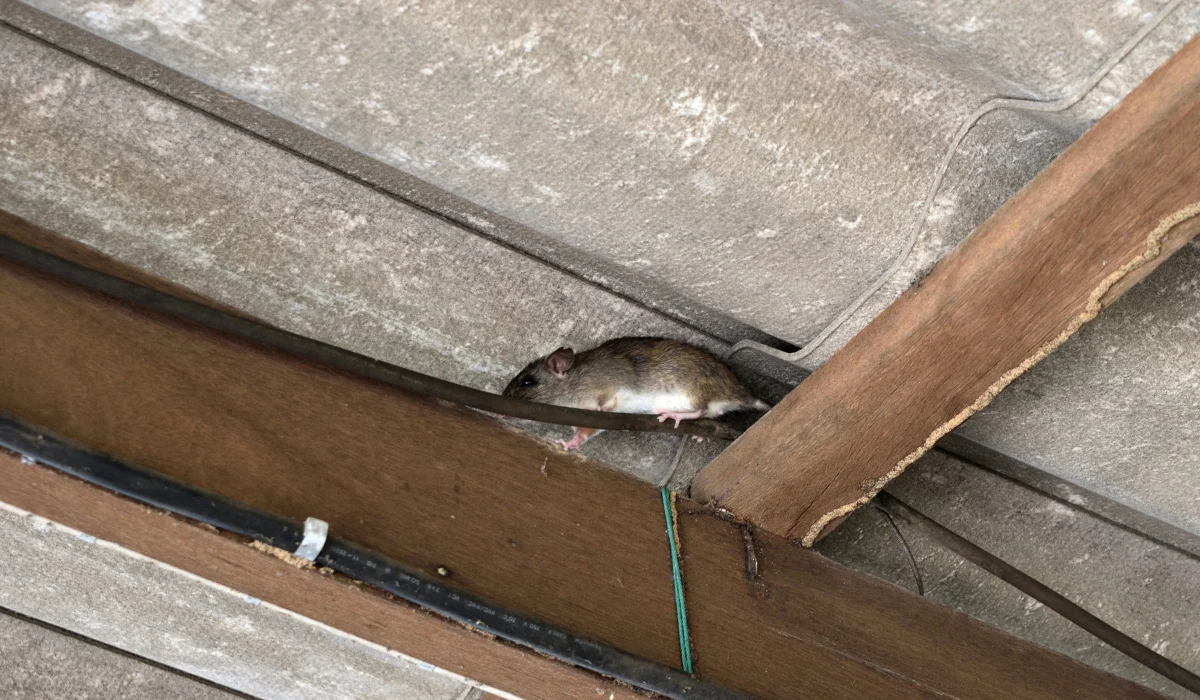
White-footed mice look a lot like deer mice but act differently. They are skilled climbers and can reach attic vents, soffits, and roofline gaps.
Their white feet, white belly, and two-tone color make them easy to spot, but their droppings look similar to those of other Peromyscus species.
You can find these mice in older parts of Gretna and New Orleans, where tall trees let them travel from the woods to roofs. They often leave gnaw marks on insulation and on storage boxes in attics.
Because their habits overlap, pest control teams check for both mice and rats during inspections.
Homeowners often confuse different mouse species, so correct identification is important.
What do the different types of mice in Gretna, LA look like? (with photo descriptions)
Correct identification of local mice helps you react quickly and avoid larger infestations. Each species in Gretna, LA has its own markings, body shape, and typical behavior.
What do house mice look like in Gretna?
House mice have gray or light brown fur, pointed noses, and long tails with little fur. Their small size and quick movements make them easy to miss until you begin to check for mice droppings in your home.
What do Deer mice look like in Gretna?
White-footed mice have tan or reddish brown coats with white feet. They also have a pale underside.
Their slim bodies and strong climbing skills make them common attic intruders.
What do white-footed mice look like in Gretna?
White-footed mice have tan or reddish-brown coats, white feet, and a pale underside. Their slim bodies and climbing ability make them common attic intruders.
Where do different types of mice hide in Gretna homes and yards?
Mice hide in quiet, sheltered spaces close to food and warmth. Their hiding spots differ slightly among species, but they often overlap.
Indoor hiding spots in Gretna
Inside Louisiana homes, mice gather in attics, walls, crawl spaces, basements, and behind appliances. They also hide inside boxes and near pet food containers.
When these areas stay cluttered, signs of mice appear quickly, often starting with small droppings trails along shelves or in corners.
Outdoor hiding spots in Gretna
Outdoors, you will find mice in wooded areas, sheds, firewood piles, and overgrown landscaping. White-footed mice and roof rats often travel along tree branches and fences.
Homes near New Orleans neighborhoods with older trees see more rodent activity because branches give easy access to roofs.
Which types of mice in Gretna are dangerous or destructive?
Deer mice bring the highest health risk because they can carry hantavirus, although cases are rare.
House mice contaminate surfaces with droppings and can trigger allergies. They can also pose a fire hazard by chewing on wiring.
White-footed mice also spread bacteria and damage insulation.
All three species reproduce quickly, so rodent control is essential for Louisiana homeowners.
How to get rid of different types of mice in Gretna, LA
Effective mouse control relies on sealing entry points, removing clutter, storing dry goods in sturdy containers, and using simple exclusion measures to reduce indoor food sources. Homeowners should clean up crumbs, store pet food in sealed bins, and maintain tidy storage areas.
DIY traps help a bit, but if you hear scratching or see signs of a mouse infestation, professional pest control services offer more reliable solutions. When infestations expand or when activity reaches wall voids and attics, always call the professionals for expert guidance.
Making the right rodent control choice for your Gretna home
Every home faces different rodent challenges, so choosing a plan that fits your space matters. Tight spaces, older structures, and nearby trees can all shape how mice move and where they hide. Our trained team at LaJaunie’s Pest Control can spot these patterns and guide you toward the proper steps for your home.
Working with a professional gives you clear answers, steady monitoring, and a simple plan to support a pest-free home year-round.
Contact us today or request a free quote to schedule your visit and get started.
FAQs
What is the most common type of mouse in Gretna?
House mice are most common in Gretna and New Orleans, but homes near wooded areas also host white-footed mice and Deer mice. Identifying the species is important because each one nests and travels differently.
How can I identify different types of mice quickly?
Look at coloring, body shape, and droppings. House mice are smaller and uniformly gray. Deer mice and white-footed mice have two-tone bodies with a white underside. Droppings’ shape and location also help confirm activity.
Do certain types of mice only appear in certain seasons?
Most mice stay active year-round, but activity increases during temperature shifts. Cooler months drive white-footed mice and Deer mice indoors, while house mice remain active near food sources throughout the year.