



SEO Details
Title: The Ultimate Guide to Ants in Louisiana
Slug: the-ultimate-guide-to-ants-in-louisiana
Primary Keyword: ants in Louisiana
Meta Title: Ants in Louisiana: Identification & Control Guide
Meta Description: Learn how to identify common ants in Louisiana, what risks fire ants and carpenter ants pose, and how to prevent and control infestations around your home.
The Ultimate Guide to Ants in Louisiana
Ants are part of Louisiana’s landscape, and many species spend their lives outdoors without causing homeowners any trouble. Problems begin when ants build mounds in lawns, sting people or pets, forage through kitchens, nest inside wall voids, or excavate damaged wood.
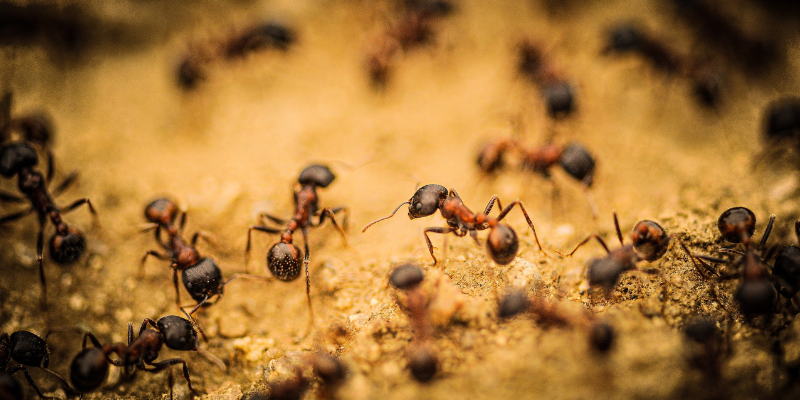
The first step in dealing with ants in Louisiana is figuring out which ant you have. A fire-ant mound in the yard calls for a different approach than carpenter ants around wet wood or tiny Pharaoh ants trailing through a kitchen.
The LSU AgCenter’s guide to pest ants in Louisiana emphasizes identification, inspection, and locating the colony as important parts of effective ant management.
Key Takeaways
- Louisiana has numerous pest-ant species, and their risks range from painful stings to food contamination, nuisance trails, and wood excavation.
- Red imported fire ants, carpenter ants, Argentine ants, tawny crazy ants, Pharaoh ants, ghost ants, little black ants, odorous house ants, and acrobat ants are among the species documented as Louisiana pests.
- Correct identification matters because treatment that works for one ant may perform poorly or even complicate control of another species.
- Carpenter ants excavate wood for nests but do not eat wood the way termites do.
- Pharaoh ants can form new colonies through budding, making indiscriminate spraying a poor treatment strategy.
- Sanitation, moisture control, exclusion, and appropriate baiting can all play a role, depending on the species and location.
Common Ants Louisiana Homeowners May Encounter
Louisiana has far more ant species than can reasonably fit into a homeowner guide. The species below represent several of the pest ants most relevant to homes, lawns, and structures in the state.
| Ant | Quick Identification Clues | Where You May Notice Them | Main Concern |
|---|---|---|---|
| Red imported fire ant | Reddish-brown workers of different sizes; obvious soil mounds | Lawns, landscaped areas, disturbed soil | Painful stings and persistent mounds |
| Carpenter ant | Relatively large ants, often dark brown or black | Around damp or deteriorated wood, trees, walls, decks | Excavates wood for nesting and can damage structures |
| Tawny crazy ant | Small reddish-brown ants moving rapidly and erratically | Around buildings, landscapes, utility areas | Extremely large populations and nuisance invasions |
| Argentine ant | Small brown ants forming strong trails | Around foundations, landscaping, kitchens, moisture sources | Very large multi-queen colonies |
| Pharaoh ant | Tiny yellowish to light brown ants | Kitchens, bathrooms, wall voids, warm indoor spaces | Difficult indoor control and colony budding |
| Odorous house ant | Small brown-to-black ant with a noticeable odor when crushed | Kitchens, walls, around moisture and food | Persistent indoor foraging |
| Little black ant | Very small, dark ants | Kitchens, masonry, soil, wood, wall areas | Indoor nuisance trails |
| Ghost ant | Tiny ant with a dark head and pale legs and abdomen | Kitchens, bathrooms, potted plants, wall edges | Difficult-to-see indoor trails and multiple nesting sites |
| Acrobat ant | Small ant that may raise its abdomen when disturbed | Trees, decaying wood, wall voids, moisture-damaged areas | Nuisance activity and occasional structural nesting |
| Asian needle ant | Dark ant that does not build the conspicuous mounds associated with fire ants | Damp wood, leaf litter, soil | Stinging species recently confirmed in Louisiana |
The recently confirmed Asian needle ant deserves a little extra attention. LSU AgCenter reported the species in Louisiana in 2025, adding another stinging ant homeowners and landscape professionals may encounter in the state.
Red Imported Fire Ants
Red imported fire ants are among the best-known ants in Louisiana. LSU AgCenter identifies them as common turfgrass pests in the state, where their mounds are frequently found in lawns and landscapes.
The ants respond aggressively when their nests are disturbed and can sting repeatedly. That makes colonies near play areas, sidewalks, pet spaces, gardens, or frequently used parts of the yard more than a cosmetic problem.
Louisiana homeowners should think in terms of management rather than permanent eradication. Even after successful treatment, fire ants can eventually recolonize a property.
For current local recommendations, see LSU AgCenter’s guide to controlling fire ants in Louisiana.
Carpenter Ants
Carpenter ants deserve attention because they can nest in wooden parts of a structure.
They do not eat wood like termites. Instead, workers excavate galleries in wood to create nesting space. Moisture-damaged, decaying, or otherwise compromised wood is especially vulnerable to carpenter-ant activity.
Possible signs include ants regularly emerging from the same wall or wooden area, small piles of excavated material, or activity associated with damp structural wood.
Seeing a carpenter ant outdoors or even inside the house does not prove that the colony is damaging the structure. Foraging workers can travel away from their nest. Repeated activity near wood, moisture damage, or suspected galleries is a better reason to arrange an inspection.
LaJaunie’s also provides dedicated carpenter ant control for Louisiana properties where a structural nest is suspected.
Tawny Crazy Ants
The “crazy ant” of greatest concern in parts of Louisiana is the tawny crazy ant, Nylanderia fulva.
The name comes from the ants’ rapid, erratic movement. LSU AgCenter reports that these invasive ants can form very large populations with multiple queens and multiple connected nests.
Large infestations can spread through landscapes and around structures. Tawny crazy ants may also occupy voids around buildings and have been associated with damage to electrical equipment.
They can be difficult to manage once populations become extensive, so correct identification is especially useful before treatment begins.
Argentine Ants
Argentine ants have a long Louisiana history. LSU AgCenter reports that the species was introduced through New Orleans from South America in the late 1800s and later spread throughout the state.
Instead of aggressively fighting members of nearby nests, Argentine ants can cooperate across enormous colony networks containing many queens and workers. That helps explain why a small trail entering a kitchen may be connected to a much larger outdoor population.
They are strongly attracted to food and moisture around structures. Cleaning trails, reducing accessible food, addressing moisture, and managing outdoor colonies can all be relevant parts of control.
Pharaoh Ants
Pharaoh ants are tiny indoor pests that require a particularly careful approach.
Their colonies can contain multiple queens, and stressed colonies can produce new nests through budding. Workers, brood, and queens can separate and establish additional colonies elsewhere in a building.
That is why spraying visible Pharaoh-ant trails is not a good general strategy. Killing or repelling the workers you see may fail to reach the colony and can interfere with effective baiting.
Slow-acting bait is generally preferred because workers can feed on it and distribute it among colony members. If you are dealing with tiny indoor ants and are unsure whether they are Pharaoh ants, identification should come before treatment.
Odorous House, Little Black, Ghost, and Acrobat Ants
Several smaller nuisance ants can also turn up around Louisiana homes.
Odorous house ants are small brown-to-black ants known for the noticeable odor produced when they are crushed. They often forage indoors around food and moisture.
Little black ants are aptly named. Their tiny size allows them to travel through small openings and establish trails into kitchens and other food-storage areas.
Ghost ants can be difficult to see because portions of the body are extremely pale. They may nest indoors or outdoors and commonly forage along edges and around moisture.
Acrobat ants get their name from their habit of lifting the abdomen when disturbed. Several acrobat-ant species are documented as occasional household or structural pests in Louisiana, particularly around trees and deteriorated wood.
How to Tell What Your Ant Activity Means
The location and pattern of activity can provide useful clues, even when you cannot confidently identify the species yourself.
| What You Notice | What It May Suggest | Useful Next Step |
|---|---|---|
| Soil mounds with ants rushing out when disturbed | Red imported fire ants | Keep people and pets away from the mound and use a Louisiana-appropriate fire-ant management method |
| Large ants repeatedly appearing near damp wood | Possible carpenter-ant activity | Check for moisture damage and arrange an inspection if activity persists |
| Dense trails of small brown ants outdoors and indoors | Argentine ants or another trailing species | Trace trails, remove food and water sources, and identify the species before choosing treatment |
| Tiny pale ants repeatedly appearing in kitchens or bathrooms | Possible Pharaoh or ghost ants | Avoid indiscriminate spraying and confirm identification |
| Huge numbers of fast, erratically moving reddish-brown ants | Possible tawny crazy ants | Seek positive identification because large colonies can be difficult to manage |
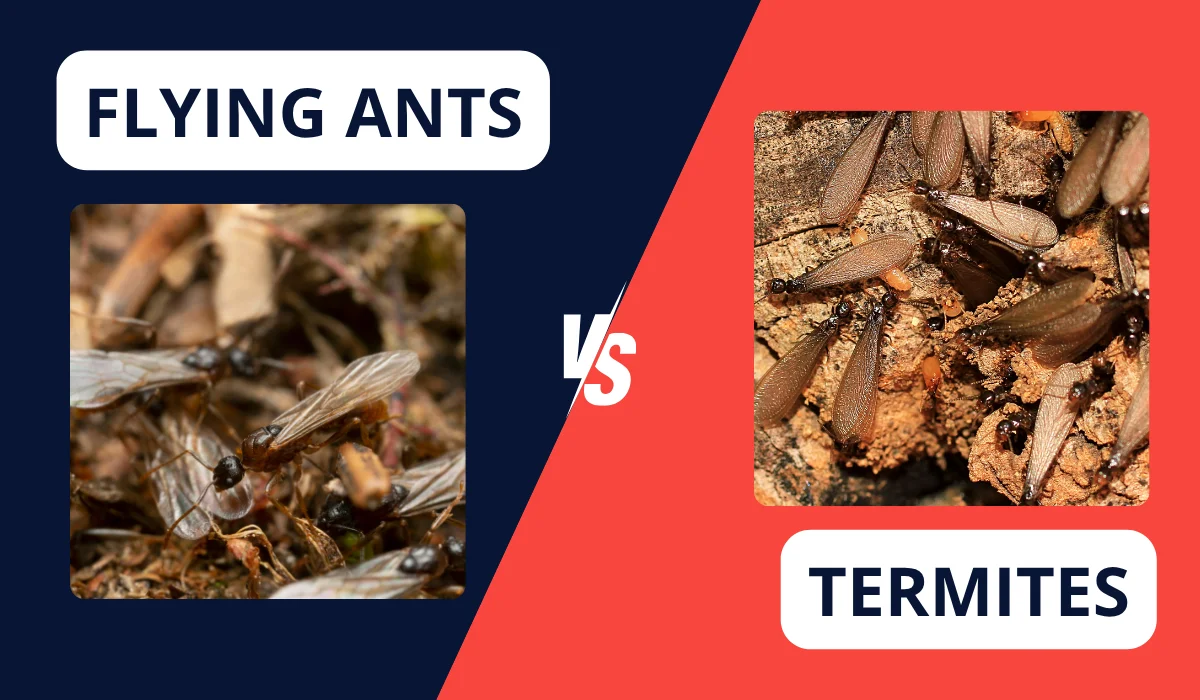
| Winged ants suddenly appearing indoors | A mature colony may be reproducing nearby | Collect a sample or photograph and have the insect identified; also rule out termites |
How to Control Ants in Louisiana
There is no single best ant treatment for every Louisiana home.
The right method depends on the species, where the colony is located, what the ants are feeding on, and whether the activity is indoors or outside.
Start With Identification
Before applying a pesticide, determine what kind of ant you are dealing with as closely as possible.
Color alone is rarely enough. Look at:
- The ant’s approximate size
- Whether all workers are the same size
- Where the ants are nesting or entering
- Whether they form obvious trails
- Whether a mound is present
- Whether they sting
- Whether activity is associated with damaged wood
- Whether the ants are primarily indoors or outside
A clear close-up photograph or specimen can help with professional identification.
Reduce Food and Water
Many household ants remain active around homes because food and moisture are consistently available.
Clean crumbs and food spills, store pantry items in closed containers, rinse recyclables, keep trash covered, and avoid leaving pet food out for long periods.
Fix leaking pipes or faucets and investigate persistent dampness around cabinets, walls, crawl spaces, or wood.
These steps may not eliminate an established colony, but they reduce the resources that support ant activity.
Seal Practical Entry Points
Caulk gaps around pipes, utility penetrations, doors, windows, and other openings where appropriate.
Do not expect exclusion alone to solve every infestation. Some ants already have nests inside structures, while others can enter through openings too small to eliminate completely.
Use Baits and Pesticides Carefully
Ant baits can be effective because foraging workers carry food back and share it with other members of the colony.
The bait has to be attractive to the species you are treating, and it should be placed where ants can find it. Avoid contaminating bait with repellent sprays.
Other pesticide treatments may be appropriate for particular outdoor colonies, perimeter areas, or structural situations.
Always use a product that is labeled for the pest and treatment location, and follow the label directions.
Be Careful With DIY Remedies
Vinegar can help clean a surface and remove a visible trail, but it should not be treated as a universal colony-control product.
Likewise, killing a handful of ants with a contact treatment does not mean the queens or nest have been eliminated.
This distinction is especially important with ants such as Pharaoh ants, which can respond poorly to disruptive treatments.
When Does Professional Ant Control Make Sense?
Professional help is worth considering when:
- Ants repeatedly return after sanitation and exclusion.
- Trails appear in several rooms or parts of the property.
- You suspect carpenter ants are nesting in structural wood.
- Fire-ant mounds are numerous or located in high-use areas.
- Tiny indoor ants may be Pharaoh ants.
- Tawny crazy ants are appearing in very large numbers.
- You cannot identify the ant well enough to choose the appropriate treatment.
LaJaunie’s ant control service includes inspection for ant trails and entry points along with treatment options such as perimeter baiting and targeted applications around access areas.
The value of identification becomes especially clear here. Treatment for a lawn full of fire-ant mounds should not look identical to treatment for Pharaoh ants inside wall voids or carpenter ants associated with damaged wood.
How to Help Prevent Ants Around Your Home
You cannot make a Louisiana property permanently ant-free, but you can make the house less attractive and reduce opportunities for ants to move indoors.
Keep food and trash contained, clean spills promptly, repair leaks, trim vegetation that creates easy contact with the structure, and seal practical gaps around doors, windows, utilities, and plumbing.
Watch for recurring activity rather than simply killing the ants you see. A trail that repeatedly returns to the same wall, cabinet, foundation area, or section of damaged wood can provide useful information about where the colony is located.
Get Help With Ants in Your Louisiana Home
Louisiana homeowners can encounter everything from stinging fire ants in the lawn to tiny indoor ants nesting inside walls. Identifying the species is the first step toward choosing a treatment that actually fits the problem.
If ant trails, mounds, or suspected nests keep returning, contact LaJaunie’s Pest Control to have the activity evaluated and discuss ant-control options for your home.
FAQs
What Are the Most Common Pest Ants in Louisiana?
Louisiana pest-ant resources document red imported fire ants, carpenter ants, Argentine ants, tawny crazy ants, Pharaoh ants, odorous house ants, little black ants, ghost ants, acrobat ants, and many additional species. Which ones you encounter depends on the property and habitat.
What Are the Most Dangerous Ants in Louisiana?
Red imported fire ants are an important concern because they can sting repeatedly when a colony is disturbed. Louisiana has several other stinging ant species as well, including the recently confirmed Asian needle ant.
Can Carpenter Ants Damage a Louisiana Home?
Yes. Carpenter ants can excavate galleries in structural wood, particularly when wood is damp or deteriorated. They do not eat wood like termites, and seeing a worker does not automatically prove structural damage.
Why Do Ants Keep Coming Back After I Spray Them?
A contact spray may kill visible workers without eliminating the colony. Some ants also have multiple nests or queens. With Pharaoh ants, disruptive treatment can contribute to budding, so identifying the species is particularly important.
Should I Use Bait or Spray for Ants?
It depends on the species and where the colony is located. Baits are effective for many household ants because workers can distribute the active ingredient through the colony. Other treatments may be appropriate for specific outdoor or structural problems. Always follow the pesticide label or get professional identification when you are unsure.