



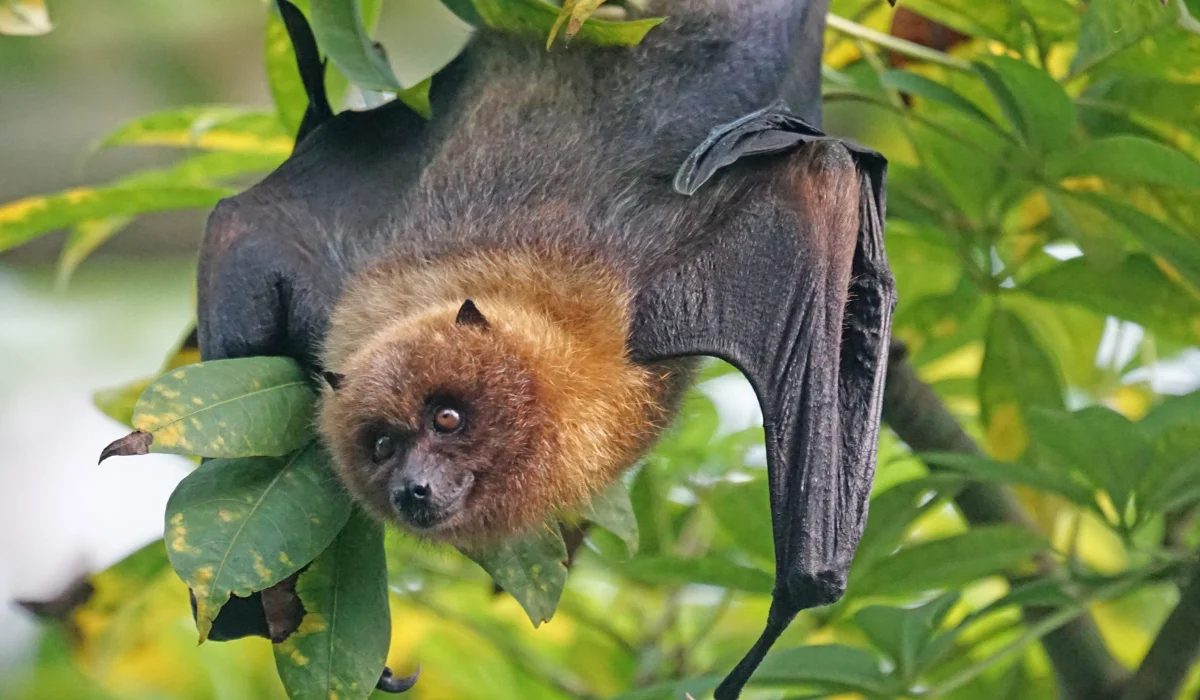
Bats can be dangerous to humans in certain situations. The main concerns are rabies after a bite or other direct contact and histoplasmosis when material contaminated with bat droppings is disturbed. Most bats you see flying outdoors in Louisiana avoid people and do not pose an immediate threat.
If you find a bat in your attic, bedroom, or another part of your home, the type of encounter matters. A bat feeding around your porch light is very different from one found in a room where someone was sleeping or a colony leaving guano in an attic.
For professional help, connect with Louisiana bat removal specialists for safe, humane solutions. Keep reading to learn when bats pose a health risk, which bats you may encounter in Louisiana, and what to do after possible exposure.
Key Takeaways
- Bats can expose people to rabies through bites, scratches, or infected saliva, but most healthy bats avoid human contact.
- Bat droppings can contribute to histoplasmosis risk when contaminated material is disturbed and fungal spores become airborne.
- Most Louisiana bats feed on insects and pose little risk when they remain outdoors and are left alone.
- If bats are living inside your home, proper exclusion lets them leave while helping prevent them from returning through the same openings.
Are Bats Dangerous to Humans in Louisiana?
Most of the time, healthy bats are not dangerous to humans. Like other wild animals, though, they can carry diseases, so a bite, scratch, or other close contact should be taken seriously.
Rabies is the main concern after direct contact with a bat. It can spread when infected saliva enters the body through a bite, broken skin, or contact with the eyes, nose, or mouth. Because bat bites can be small, you may not always notice an obvious wound. Another lesser-known but real risk is histoplasmosis, a lung infection caused by inhaling spores found in bat droppings, also known as guano.
If you wake up and find a bat in your bedroom, or if a bat has been in a room with a young child or someone who cannot reliably say whether contact occurred, contact a healthcare professional or public health authority for guidance.
Histoplasmosis Risk From Bat Droppings
Another reason bats can be dangerous to humans is the potential for histoplasmosis exposure around accumulated droppings. Histoplasmosis is a lung infection caused by breathing in spores from a fungus that can grow in material contaminated with bird or bat droppings.
According to the Centers for Disease Control and Prevention (CDC), contaminated material can release spores into the air when it is disturbed. That makes old attics, barns, and other enclosed spaces with a large buildup of guano more concerning than a few droppings beneath an outdoor roost.
Avoid dry sweeping, scraping, or using a household vacuum on a significant guano buildup. If you develop symptoms such as coughing, fever, fatigue, or chest discomfort after disturbing a large amount of bat droppings, tell your healthcare provider about the exposure.
What About Coronavirus and Bats?
Bats have gotten a lot of attention in recent years due to their possible connection to zoonotic diseases, diseases that spread from animals to humans, including strains of coronavirus. However, finding a bat around your Louisiana property does not mean you have been exposed to COVID-19.
While this research continues to evolve, there’s no evidence that handling a bat in Louisiana will give you COVID-19. For homeowners, direct rabies exposure and accumulated bat droppings are more relevant health concerns. That said, it’s smart to avoid direct contact and let the professionals handle it.
Are All Bats Dangerous to Humans?
Not all bats pose the same level of risk around your home. Most bats found in Louisiana feed on insects, and they generally avoid people. Whether you had direct contact with the bat matters more than the species when evaluating a possible health exposure.
Here are several bats found in Louisiana and the types of encounters homeowners may have with them:
| Louisiana Bat | Where You May Encounter It | Typical Risk Around People |
| Mexican free-tailed bat | Buildings, bridges, and larger colonies | Moderate when a colony is inside a structure |
| Big brown bat | Attics, roof spaces, and other sheltered areas | Moderate when roosting indoors |
| Evening bat | Trees and buildings | Low to moderate |
| Tricolored bat | Sheltered natural roosts and seasonal sites | Low during normal outdoor encounters |
| Eastern red bat | Usually alone in trees | Low around homes |
A bat flying across your yard at dusk generally poses little risk. A bat found inside a bedroom, handled by a person or pet, or repeatedly entering an attic deserves more attention. You can find more information on Louisiana wildlife through the Louisiana Department of Wildlife and Fisheries.
Do Bats in Louisiana Bite People?
Bats can bite, but they do not normally seek out people. A bite is more likely when someone tries to pick up a grounded bat, handles an injured bat, or accidentally traps one against the skin.
Because their teeth are small, a bat bite may not leave an obvious wound. If you cannot rule out contact, especially after finding a bat in a sleeping area, contact a healthcare professional or local public health authority.
Why Do Bats Roost in Homes?
Bats look for warm, dark, and quiet places to rest and raise young. That is why attics, soffits, vents, and small gaps along the roofline can become roosting areas in Southern Louisiana homes.
Once bats settle in, you may notice droppings beneath the roost or around an entry point. If you find dead bats around your property or see an increase in droppings, a colony may be nearby.
A visible gap does not always mean it is the only way bats are getting inside. Bats can use several openings around the same area of a structure, which is why a full inspection can be useful before exclusion begins.
How to Handle Bats Safely
Handling bats yourself can increase your chance of direct contact. If one gets into a living area, keep children and pets away, avoid touching it with bare hands, and determine whether anyone may have had close contact before deciding what to do next.
For colonies in attics or roof spaces, LaJaunie’s technicians use one-way doors during the appropriate exclusion period. These devices allow bats to leave while preventing them from returning through the same opening. After the bats have vacated, technicians seal the active opening and address other entry points into the affected area.
In Louisiana homes, the length of that process can vary. Depending on the time of year, the work required, and how long it takes the bats to leave, exclusion can take anywhere from a few days to several months.
This is also why sealing a visible hole as soon as you spot it is not always the right move. If bats are still inside, closing the opening can trap them in the structure or cause them to move into another part of the home.
What to Do if You Think You’ve Been Exposed
If a bat bites or scratches you, wash the area thoroughly with soap and water and seek medical advice promptly. You should also get guidance if bat saliva may have reached broken skin, your eyes, your nose, or your mouth.
A bat found in a room with a sleeping person, young child, or someone unable to reliably describe whether contact occurred may also need to be evaluated as a possible rabies exposure. The Louisiana Department of Health recommends taking potential exposure seriously rather than waiting to see whether symptoms appear.
If health or animal-control officials may need the bat for testing, do not release or damage it before receiving instructions. Avoid trying to catch it with your bare hands.
What to Do About Bat Guano in an Attic
Bat droppings become more concerning when they accumulate in an enclosed space. If you find a large amount of guano in an attic, avoid disturbing it until you understand the extent of the buildup.
Dry sweeping or vacuuming contaminated material can send dust into the air. The CDC notes that disturbing material contaminated with bat or bird droppings can increase exposure to the fungus associated with histoplasmosis.
Addressing the bats themselves should come before major cleanup. If the entry points remain open, new droppings can continue accumulating after the space has been cleaned.
Keeping Bats Out of Your Louisiana Home Safely
So, are bats dangerous to humans? They can be when there is direct contact, a possible rabies exposure, or a buildup of droppings inside a structure. Most bats outdoors want little to do with you and help reduce insect activity around Louisiana properties.
If bats are living in your attic or entering through your roofline, avoid sealing an active opening while they are still inside. LaJaunie’s Pest Control has handled bat removal across Southeastern Louisiana, including Thibodaux, Houma, Baton Rouge, and surrounding communities. The exclusion process uses one-way exits when appropriate, followed by sealing the openings bats used to reach the problem area.
If you are seeing repeated bat activity inside your home, schedule bat removal service with LaJaunie’s Pest Control to have the entry points inspected and determine the right exclusion plan for your property.
Frequently Asked Questions
Are bats dangerous to humans if they are flying outside?
Most bats flying outdoors do not pose an immediate danger to people. They usually avoid human contact and spend their time feeding on insects. Health concerns increase when a bat bites or scratches someone, gets into a sleeping area, or establishes a roost inside a home.
What should you do if you wake up with a bat in your bedroom?
Avoid touching or releasing the bat until you have spoken with a healthcare professional or local public health authority. Because a bat bite can be difficult to notice, they may recommend evaluating the situation as a possible rabies exposure even when you cannot see a wound.
Can you remove bats from an attic yourself?
Bat removal involves more than sealing a hole. Closing an active entry point too soon can trap bats inside or cause them to move elsewhere in the structure. Professional exclusion uses one-way exits when appropriate and seals entry points after the bats have left.