



In South Louisiana, flea bites can be easy to dismiss at first. You may notice a few itchy spots around your ankles or lower legs and assume they are ordinary insect bites, especially during long stretches of warm, humid weather.
Flea cases seen in Louisiana homes often follow a similar pattern. The bites get your attention first, while fleas remain active in pet bedding, carpets, furniture, or shaded areas around the property. If your immune system reacts strongly to flea saliva, the itching and swelling may also last longer than you expect.
Knowing how to recognize flea bite allergy symptoms can help you tell a mild reaction from one that needs medical care. It can also help you recognize when repeated bites point to a flea problem that needs to be addressed at the source and decide when to seek professional flea control in Louisiana before fleas spread.
Key Takeaways
- Flea bite allergy symptoms can range from small, itchy bumps to hives and spreading swelling.
- Mild reactions often improve within several days, while breathing problems or facial swelling need emergency care.
- Pets can develop strong flea reactions even when you do not see many adult fleas.
- New bites often mean fleas are still active somewhere in your home, yard, or pet-resting areas.
Flea Bite Allergy Symptoms: What Is Mild, Moderate, or Severe?
Flea bite allergy symptoms vary from person to person. Some bites cause nothing more than a small itchy bump, while others trigger hives, larger areas of swelling, or skin irritation that lasts for days.
The most useful question is not how many bites you have, but how your body is reacting. Use the table below to compare common signs and decide whether home care, a doctor, or emergency treatment is appropriate.
| Severity | What You May Notice | What to Do |
| Mild | Small red bumps, itching, or minor swelling around the bite | Wash the area, use a cool compress, avoid scratching, and ask a pharmacist or healthcare provider about itch relief if needed. |
| Moderate | Increasing swelling, hives, intense itching, spreading redness, warmth, drainage, or open sores | Contact your doctor or an urgent care clinic. These signs can point to a stronger reaction or skin infection. |
| Severe | Trouble breathing, wheezing, swelling of the face, lips, tongue, or throat, fainting, or severe dizziness | Call 911 or seek emergency medical care immediately. |
The Mayo Clinic’s guidance on anaphylaxis identifies breathing difficulty, throat or tongue swelling, dizziness, and fainting as warning signs of a severe allergic reaction.
Normal Flea Bite Reactions You Might Expect
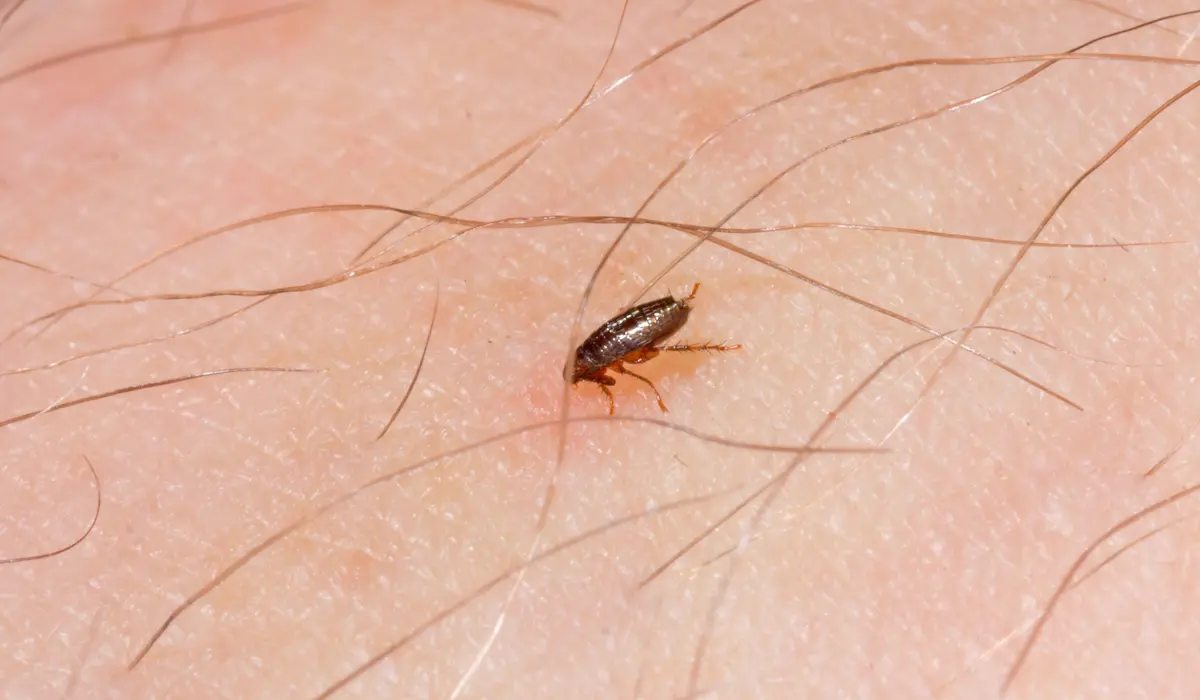
In many cases, flea bites appear as small red bumps around your ankles, feet, or lower legs. They usually itch and may have a faint ring or slightly darker center. For many people, these symptoms begin fading within several days.
Mild skin irritation can often be managed by washing the area, applying a cool compress, and avoiding scratching. A pharmacist or healthcare provider can tell you whether an over-the-counter hydrocortisone cream or antihistamine is appropriate for you.
Because flea bites can resemble other insect bites, the marks alone may not identify the pest. Fleas tend to bite the lower body, while bed bugs often bite exposed areas such as the arms, shoulders, and torso.
Video: Fleas vs Bed Bugs
This video explains how to tell the difference between fleas and bed bugs by comparing bite patterns, behavior, and hiding spots. It walks through real examples so you can identify which insect is causing the problem and understand why proper identification matters before treatment begins.
When Flea Bites Turn Into An Allergic Reaction
An allergic reaction causes more than simple itching. You may develop hives, larger swollen areas, or irritation that spreads beyond the bite site. The itching may also become strong enough to interfere with sleep or daily activities.
Repeated scratching can break your skin. Once that happens, the area may become warm, painful, crusted, or begin to drain. Those changes can indicate a secondary skin infection and should be checked by a healthcare provider.
People can also develop persistent clusters of itchy bumps after flea exposure. This type of dermatitis may last longer than a typical bite reaction, especially if new bites continue. If your skin keeps flaring up or the rash spreads, a dermatologist or other healthcare provider can help determine what is causing it.
Severe reactions are uncommon, but they require immediate care. Widespread hives accompanied by facial swelling, breathing trouble, dizziness, or fainting can signal anaphylaxis.
What Causes Flea Bite Allergy Symptoms
Flea bite allergy symptoms start when your immune system reacts to flea saliva. When a flea feeds, saliva enters your skin. Proteins in that saliva can trigger itching, redness, and inflammation around the bite.
Some people react only where the flea fed. Others have a stronger immune response, which can cause swelling or irritation beyond the original bite. The Cleveland Clinic notes that flea bites commonly cause itchy red bumps and that excessive scratching can raise the risk of infection.
The cat flea is one of the fleas most often found around homes and pets. Despite its name, it feeds on cats, dogs, people, and other warm-blooded animals.
A flea may also bite more than once while feeding. That helps explain why you may notice several marks within a small area instead of one isolated bite.
How Long Flea Bite Allergy Symptoms Can Last
Mild flea bite allergy symptoms often begin fading within a few days. How long they last depends on how strongly your skin reacts, whether you scratch the bites, and whether new bites continue.
A stronger allergic reaction can remain irritated longer than a typical flea bite. Scratching can also delay healing by damaging your skin and creating more inflammation around the area.
If your bites start improving but new ones continue appearing, you may be dealing with fresh exposure instead of one reaction that refuses to heal. Fleas living in carpeting, furniture, pet bedding, or other protected areas can continue feeding as different stages of the flea life cycle mature.
Contact a healthcare provider if your symptoms keep worsening, the skin becomes painful or warm, or you notice drainage or other signs of infection.
Treatment Options for Flea Bite Allergy Symptoms
Treatment for flea bite allergy symptoms depends on the severity of your reaction. Mild cases often improve with simple skin care, including washing the area, using a cool compress, and avoiding scratching.
Over-the-counter hydrocortisone creams or antihistamines may help with itching and swelling for some people. Ask a pharmacist or healthcare provider which option is appropriate for you, especially when treating a child or if you take other medications.
For stronger reactions, a healthcare provider may recommend prescription treatment to reduce inflammation. If scratching has caused an open wound or skin infection, your doctor can determine whether additional care is needed.
Treating the reaction does not remove the fleas causing it. If symptoms improve and then new bites appear, check your home and pets for continued flea activity.
How Flea Bite Symptoms Affect Pets Differently
Pets often react to flea saliva differently than people. If your dog or cat is sensitive, you may notice intense scratching, scabs, irritated skin, or hair loss before you see many adult fleas. Flea allergy dermatitis is especially common in sensitive pets. Irritation often appears around the hind legs and base of the tail, and pets may scratch, chew, or groom those areas repeatedly.
Even a small amount of flea activity can cause a noticeable reaction in a sensitive pet. Grooming can also remove adult fleas before you find them, so the absence of visible fleas does not always rule out a flea problem.
A veterinarian can determine whether fleas are contributing to your pet’s symptoms and recommend appropriate treatment and prevention. Pet care may ease the reaction, but fleas developing in carpeting, furniture, bedding, or the yard still need to be addressed.
Signs Your Home Has More Than Just Bites
Recurring bites often mean fleas are still present somewhere around your home. Adult fleas may be feeding on pets, while eggs and immature fleas remain hidden in carpeting, flooring gaps, furniture, baseboards, or pet bedding.
Flea dirt is another clue. It looks like tiny dark specks and may collect in your pet’s fur or bedding. When you place suspected flea dirt on a damp white paper towel, it can leave a reddish-brown stain because it contains digested blood.
The flea life cycle also explains why a problem can seem to disappear and then return. Eggs fall from pets into surrounding areas, and larvae develop in protected spaces before becoming adults.
Why Flea Problems Persist In Louisiana
Louisiana’s subtropical climate gives fleas a long period of warm, humid conditions. That makes flea pressure relevant across much of Southeast Louisiana, including Orleans and Jefferson parishes, East Baton Rouge Parish, Lafourche and Terrebonne parishes, and St. Tammany and Tangipahoa parishes on the Northshore.
The NOAA U.S. Climate Normals document the long warm season and humid conditions found across Louisiana. Rather than disappearing after a short summer window, flea activity can continue through much of the year.
Around your property, shaded yards, porches, crawl spaces, and places where pets rest can stay protected from direct sunlight while holding moisture. Those conditions can give fleas suitable areas to continue developing.
Indoor flea problems can also continue when outdoor temperatures fall. Carpeting, furniture, floor gaps, pet bedding, and a heated home protect developing flea stages from outdoor weather changes. That is why Louisiana flea prevention works better as an ongoing habit than as a summer-only task.
Preventing Repeat Flea Allergy Flare-Ups
Preventing another flea reaction means reducing the chance that you or your pets will be bitten again. Start with the areas where pets spend the most time. Vacuum carpets, rugs, upholstered furniture, closet floors, and spaces under beds, then wash pet bedding regularly.
Keep your pet on a flea-prevention plan recommended by your veterinarian. When a flea infestation affects both the pet and the property, addressing them simultaneously helps prevent the pests from moving between them.
If new bites continue after you have treated your pets and cleaned the places where they rest, fleas may be active in more than one part of your property. LaJaunie’s Pest Control offers indoor, outdoor, and combined flea service throughout Southeast Louisiana, with a complimentary two-week follow-up after treatment.
Before LaJaunie’s flea service, homeowners receive preparation instructions that include clearing items from floors, vacuuming carpeting and hidden floor areas, sweeping and mopping hard surfaces, and cleaning pet bedding. Post-service vacuuming is also part of the process because it helps address flea stages that become active later. Homeowners seeking flea control or looking to get rid of fleas in Slidell, LA often benefit from addressing the areas where fleas are developing instead of focusing only on the adult fleas they can see.
Making the Right Choice for Flea Control in Louisiana
Flea bite allergy symptoms may improve while the flea problem that caused them remains active. If new bites keep appearing, look beyond the skin reaction and check your pets, pet bedding, carpeting, furniture, and the parts of the yard where animals spend time.
Addressing the source helps reduce repeated exposure. LaJaunie’s serves communities throughout Southeast Louisiana and provides flea service based on whether activity is indoors, outdoors, or in both areas. Flea treatments include a complimentary two-week follow-up.
Contact us today to schedule an inspection or flea service and take the next step toward stopping recurring flea bite allergy symptoms.
Flea Bite Allergy: FAQs
How long do flea bite allergy symptoms last?
Mild flea bite allergy symptoms often begin improving within a few days once the biting stops. Stronger reactions can last longer, especially if you continue scratching or fleas remain active. Contact a healthcare provider if swelling, redness, pain, or other symptoms continue getting worse instead of improving.
Can flea bites cause serious health problems?
Flea bites can lead to skin infections when repeated scratching breaks the skin, and severe allergic reactions can occur in rare cases. Fleas can also carry illnesses. Seek emergency medical care if you develop trouble breathing, facial or throat swelling, fainting, or other signs of anaphylaxis.
Why do flea bites keep coming back?
Recurring symptoms usually mean fleas are still active somewhere in your home, on a pet, or around the property. Eggs and immature fleas can remain hidden in carpeting, furniture, flooring gaps, and pet bedding, allowing new adult fleas to appear after the first activity seems to stop.