


 Request your free quote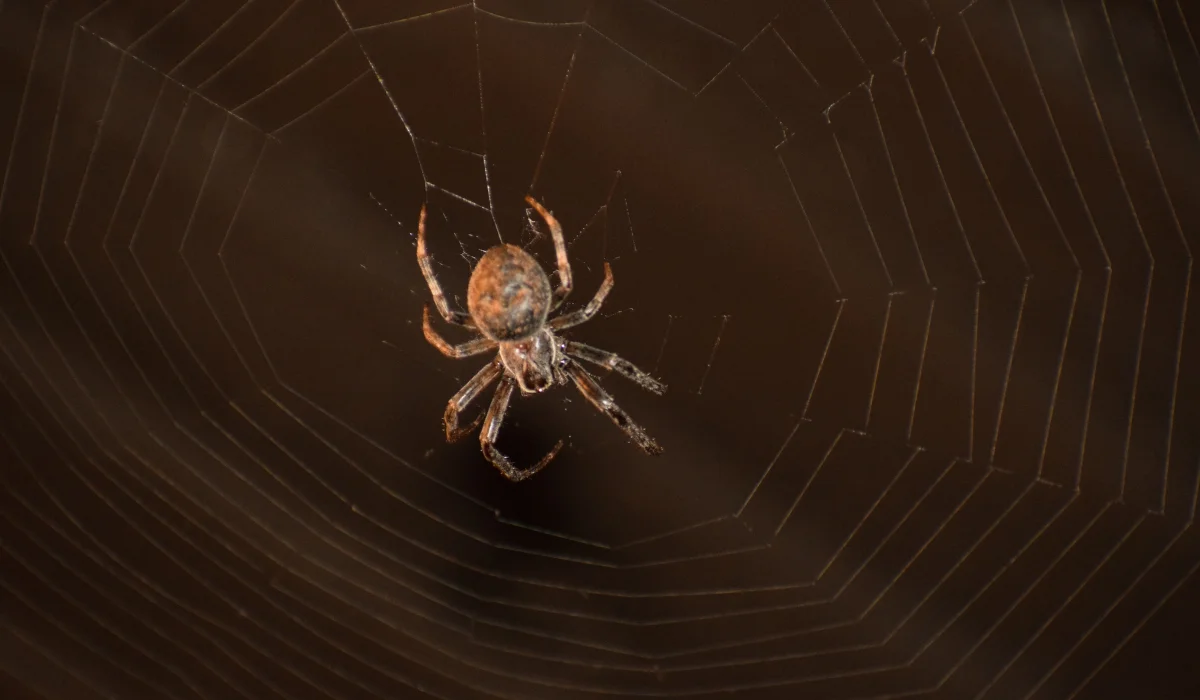
Finding spiders in your attic can be unsettling. Many Baton Rouge homeowners notice spider webs or cobwebs while checking storage or working on home improvement projects. While many spiders are harmless, others, such as black widows and brown recluse spiders, can be concerning if they move into living areas.
Attics attract spiders because they offer quiet hiding places and easy access to insects. When bugs like roach species or silverfish gather in the attic, spiders follow because they have a steady food source. Over time, this can lead to spider infestations that spread to other parts of the home.
There are practical steps you can take right away to reduce spider activity, and professional pest control in Baton Rouge can help when infestations become difficult to manage.
Key Takeaways
- Attics attract spiders because they offer quiet hiding places and insects to eat.
- Spider webs, cobwebs, and egg sacs are common early signs of spider infestations.
- Brown recluse spiders and black widows may hide in attic areas, garages, basements, and crawl spaces.
- Removing clutter, sealing entry points, and improving ventilation can help reduce spider activity.
- Professional pest control can help reduce spider activity and keep homes spider-free year-round.
Immediate Steps for Attic Spiders
If you notice spiders or spider webs in the attic, start with a few simple steps.
Remove Spider Webs and Cobwebs
Start by removing visible spider webs and cobwebs. Use a broom or vacuum to clear webs from beams, corners, and attic openings.
Removing spider webs and cobwebs also removes spiders and their egg sacs before they hatch. If you see several egg sacs, spiders may be laying eggs regularly in the space.
Check Storage Areas
Many spiders hide in cardboard boxes or unused items. When items sit in the attic for long periods, spiders use them as hiding places.
Check boxes carefully before moving them. Consider using sealed plastic containers instead of cardboard boxes when you store items.
Identifying Concerning Spider Types
Some types of spiders deserve extra attention. Brown recluse spiders and black widows often hide in dark, undisturbed places such as attics, garages, crawl spaces, and basements.
If you believe you have found one of these spiders, avoid direct contact. Their bites may require medical attention in rare cases.
Safe DIY Steps to Reduce Spiders
After removing visible spiders, focus on fixing the conditions that attract them.
Reduce Moisture and Improve Ventilation
Spiders and insects often gather in damp areas. Poor airflow can allow humidity to build up inside attic spaces.
Using proper ventilation or installing dehumidifiers helps keep the attic dry. A drier attic also reduces the insects that spiders hunt.
Use Natural Repellent Options
Some homeowners use peppermint oil or mild repellent products to discourage spiders from returning.
These methods may lower spider activity for a short time. However, repellents alone will not stop larger spider infestations.
Limit Prey Insects
Spiders stay where insects are present. If you see silverfish, roach activity, or other bugs in the attic, spiders likely have a steady food source.
Basic pest control steps that reduce insect activity can also reduce spider populations.
Try Careful Do-It-Yourself Control
Do-it-yourself methods can help with small problems. Vacuuming spider webs, removing egg sacs, and keeping attic spaces organized can reduce hiding places.
Still, DIY efforts may not fully resolve spider infestations if spiders continue to enter from outside.
Exclusion: Seal Entry Points and Reduce Insects
Long-term spider control focuses on blocking entry points and reducing insect populations.
Seal Entry Points
Spiders enter through small cracks along roof edges, eaves, and vents. Gaps around wiring or roof openings also create entry points.
Sealing these gaps with caulk during home improvement projects helps stop spiders from moving inside.
Reduce Hiding Places
Cluttered attics create many hiding places for spiders.
Keep attic areas organized and avoid stacking cardboard boxes against walls. Cleaning storage areas reduces the number of crevices where spiders hide.
Inspect Connected Areas
Spiders often move between crawl spaces, basements, garages, and attics.
If insects gather in these areas, spiders may follow them through small voids or cracks. Regular pest control can reduce insect populations and help keep attic spaces spider-free.
Book a Baton Rouge Attic Spider Inspection
If spiders keep returning to your attic, professional pest control may be the safest solution. Large spider infestations often require a full inspection of attics, crawl spaces, basements, and other hidden areas where spiders hide.
At LaJaunie’s Pest Control, we provide year-round pest control services for homes in Baton Rouge and throughout southeast Louisiana. Our team can inspect your attic, identify the spider species, and recommend ways to reduce spider activity in your home.
Contact us today to schedule an inspection and get dependable help.
FAQs
Why are spiders living in my attic?
Spiders often move into attics because they find insects to eat and quiet hiding places. Bugs like silverfish and roach species create a food source that attracts spiders.
Are attic spiders dangerous?
Most house spiders are harmless. However, brown recluse spiders and black widows may live in dark areas such as attics, basements, or crawl spaces.
When should I call an exterminator for attic spiders?
If spider webs and egg sacs keep appearing or you notice spider infestations spreading through your home, it is best to contact a pest control professional for an inspection.