


 Request your free quote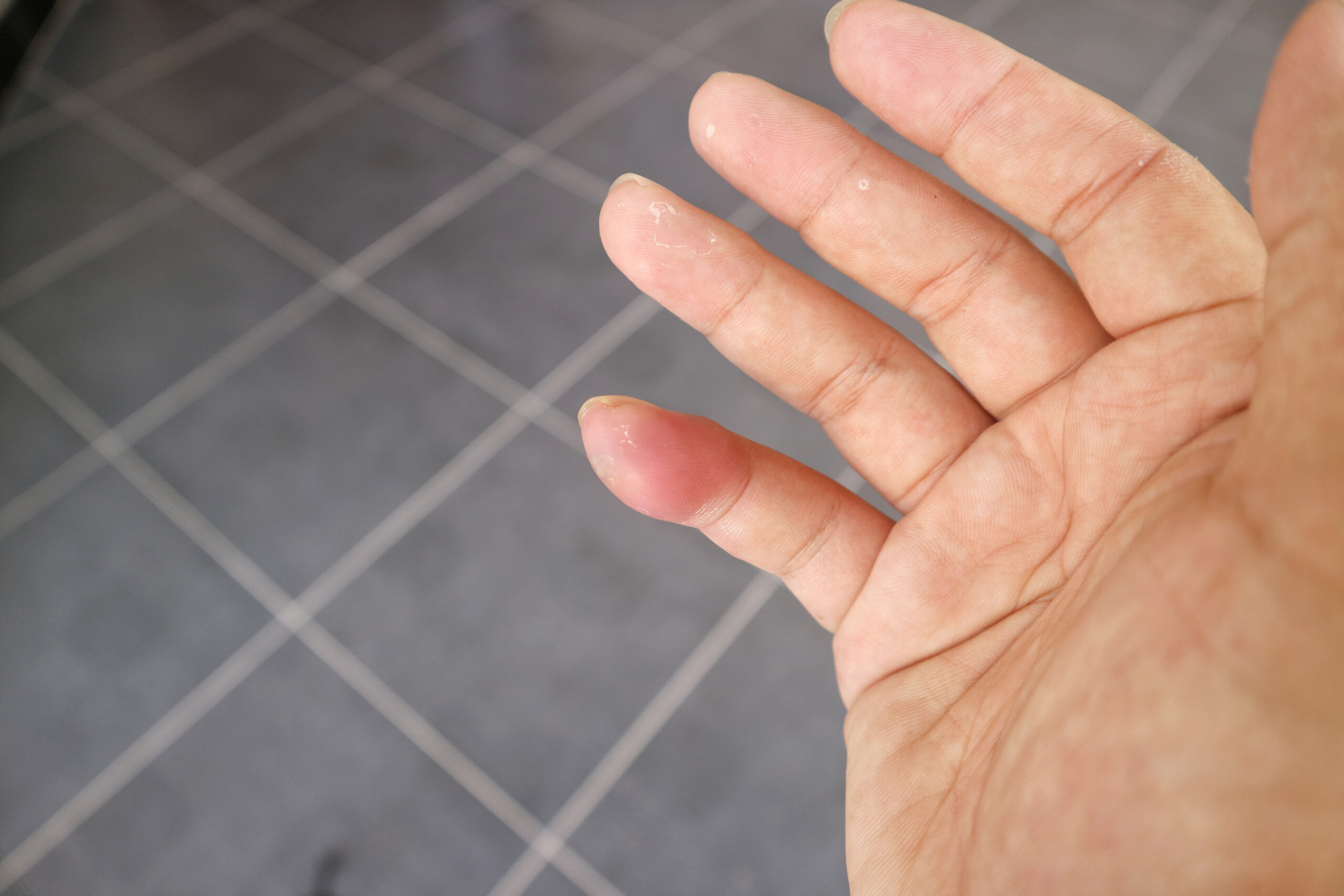
A spider bite can catch you off guard, especially when it shows up overnight or starts to change. In Baton Rouge, warm weather keeps pests active most of the year, so it is common to run into spiders around homes and businesses. The real challenge is knowing when a bite is minor and when it needs medical attention.
Most spider bites are mild and improve with simple first aid, much like other insect bites. You may notice a small bump, redness, or itching on your skin. In many cases, the area clears up within a few days. Still, certain spider bite symptoms can point to a more serious issue, especially when venomous spiders are involved.
This guide explains when to seek care, how to monitor the area at home, and when a bite may point to a larger spider problem inside your Baton Rouge property.
Key Takeaways
- Most spider bites improve with basic first aid, but severe symptoms need medical attention.
- Changes in the bite area, such as spreading pain or skin damage, can signal a more serious reaction.
- Repeated bites or indoor spider activity may point to a pest issue that needs professional attention.
When to Get Medical Care for a Spider Bite
Most spider bites are not serious, but some symptoms should not be ignored. Knowing what to watch for helps you decide when to seek urgent care.
Severe Pain That Spreads or Worsens
Pain is often the first warning sign. A mild bite may feel sore or itchy, but it should not become more painful over time.
Some bites from venomous spiders can cause muscle cramps and muscle pain that spread beyond the bite area. You may also notice sweating or a faster heart rate.
When pain becomes intense or moves away from the original site, seek medical attention.
Visible Skin Damage or a Worsening Wound
Some types of spider bites change in appearance over time. What starts as a small red bump or pinprick can develop into a larger wound.
If you are unsure what spider bites look like in more serious cases, watch for blistering, darkening skin, or a lesion that continues to grow. These changes may point to a bite that needs medical care, especially if the skin does not improve within a day or two.
Allergic Reaction
An allergic reaction can happen after many types of bites. Mild reactions may include swelling or itching.
In more serious cases, a severe allergic reaction can lead to anaphylaxis. Symptoms may include difficulty breathing or dizziness. These signs are life-threatening and require emergency care right away.
Whole-Body Symptoms After a Bite
Sometimes, the body reacts beyond the bite site. Fever, nausea, fatigue, or changes in heart rate can appear hours after the bite.
A healthcare provider may recommend treatment such as pain relievers or, in rare cases, antivenom. Do not ignore symptoms that affect your whole body.
Higher-Risk Situations
Some people are more sensitive to bites than others. Small children, older adults, and people with existing health conditions may have stronger reactions.
If a bite occurs in one of these situations, it is best to seek medical advice early. Visiting urgent care can help prevent complications and provide clear next steps.
How to Watch a Spider Bite at Home
In most cases, you can manage a spider bite at home with simple care. The key is to monitor the bite area and watch how it changes over time.
Clean and Treat the Bite Area
Start with basic first aid. Wash the bite area with soap and water to reduce the risk of infection. Apply an ice pack for short periods to help control swelling and discomfort.
Over-the-counter pain relievers, such as ibuprofen, can help reduce pain and swelling. These medicines make the area easier to manage while it heals. An antihistamine may also help if itching becomes bothersome.
Monitor Changes in the Bite Site
Watch how the bite site changes each day. Many bites appear as a small red bump or pinprick and may include visible puncture marks, mild swelling, or redness.
In most cases, the condition improves within a few days. If the bite area becomes larger, darker, or develops a lesion, it may require medical attention.
For example, brown recluse spider bites may start small but worsen over time, sometimes leading to deeper skin damage. Black widow spider bites may look less severe on the surface, but are more likely to cause pain or symptoms that spread beyond the bite site.
Track Symptoms Over Several Days
Pay attention to how the bite feels as time passes. Pain, swelling, and redness should slowly improve.
If symptoms stay the same or get worse, contact a healthcare provider.
Avoid Scratching and Protect the Skin
Scratching can break the skin and lead to infection. Keep the area clean and avoid touching it as much as possible.
When working in areas like garages, attics, or woodpiles, wear long sleeves and gloves. Using insect repellents can help reduce contact with spiders and other pests.
When a Spider Bite May Mean a Spider Problem at Home
A single bite does not always mean you have a pest problem. But repeated bites or frequent sightings may point to a larger issue. In many cases, this is where professional spider control becomes important.
Multiple Bites or Repeated Incidents
If you notice multiple bites over time, spiders may be active in your property. This pattern is different from random insect bites and often occurs in the same area.
This is common in basements, attics, and cluttered storage spaces where spiders can hide.
Sightings of Dangerous Spiders
Seeing spiders indoors is not unusual, but certain ones should raise concern. A black widow spider is known for the red hourglass marking on its underside. Brown recluse spiders are often identified by a violin-shaped marking on their back.
Even if you have not experienced severe symptoms, their presence increases the chance of more serious spider bites later.
Activity in Common Hiding Areas
Spiders prefer quiet, undisturbed spaces. Garages, basements, attics, and woodpiles often provide the conditions they need.
You may notice webs, egg sacs, or an increase in other pests. Since spiders feed on insects, higher insect activity can attract them indoors.
Presence of Specific Spider Species
Different species of spider behave in different ways. In Baton Rouge, you may come across wolf spiders or, in rare cases, a tarantula around outdoor areas or sheds.
While spider bites from these species are not life-threatening, their presence still shows that your property may support pest activity.
Understanding the types of spiders common in Baton Rouge helps you respond effectively and reduce conditions that attract them.
Get Help After a Spider Bite in Baton Rouge
Most spider bites are not serious, but it is important to know when to act. Severe pain, spreading symptoms, or signs of a severe allergic reaction require medical attention right away. Watching the bite area closely helps you decide when to seek medical advice.
If bites happen more than once or you continue to see spiders indoors, the issue may go beyond a single incident.
LaJaunie’s Pest Control provides general pest control, which covers spiders and other common pests in Baton Rouge homes and businesses. This service includes a detailed inspection to identify where pests are entering and hiding, along with targeted treatments to reduce both spiders and the insects they feed on.
If you are dealing with repeated spider bites or ongoing spider activity, call us and schedule an inspection to help protect your home or business.
Spider Bite in Baton Rouge: FAQs
A spider bite is serious if you notice severe pain, spreading redness, muscle cramps, or trouble breathing. These symptoms may point to a reaction that requires medical attention.
A spider bite often starts as a small red bump, then may swell or itch. In some cases, the bite site can blister or form a lesion, depending on the type of bite.
Most spider bites improve within a few days. If symptoms do not worsen after 48 hours and the bite area is healing, it is usually a good sign. Continue to monitor the area and seek medical advice if symptoms persist or get worse.
Not always. A single spider bite can happen by chance, especially in areas where spiders are active. Repeated bites or frequent sightings indoors often point to a larger pest issue that should be inspected and treated.