

 Request your free quote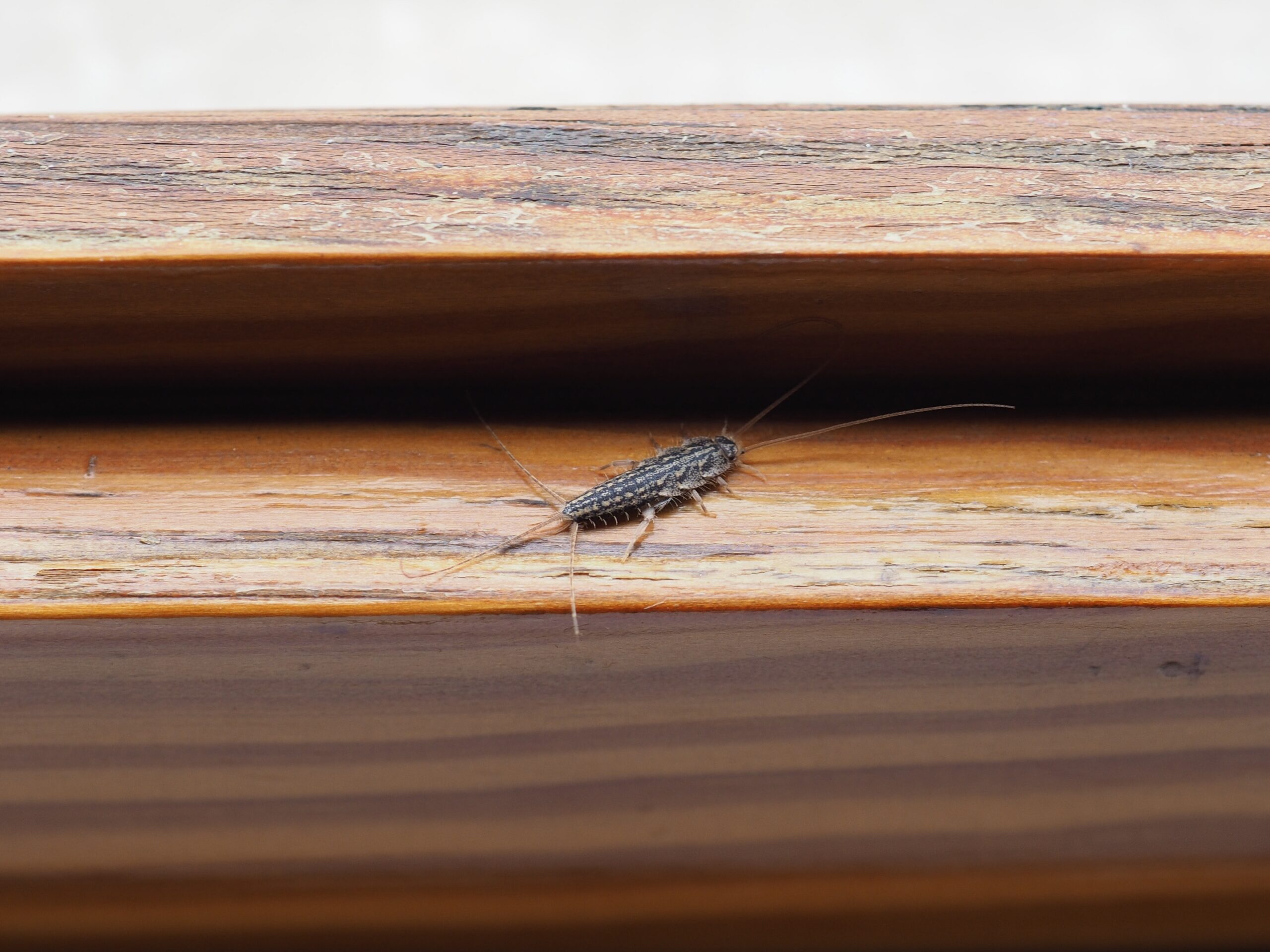
Silverfish thrive in damp humid environments, which makes many Louisiana homes a good fit for them. Bathrooms, laundry rooms, closets, attics, kitchens, and storage spaces often provide the moisture and hiding areas these pests need to survive.
Most homeowners first notice silverfish when one suddenly darts across the floor after a light turns on at night. By the time sightings become frequent, silverfish may already be hiding behind baseboards, inside wall voids, beneath sinks, or around stored paper products.
The best way to reduce silverfish activity is to lower humidity, remove excess clutter, seal entry points, and correct moisture problems early. Professional pest control may also help when silverfish continue spreading through multiple rooms of the home.
How to Identify Silverfish in Louisiana Homes
Silverfish are small wingless insects that move quickly through dark humid spaces. Their appearance and behavior make them different from most other household pests.
What Silverfish Look Like Indoors
Silverfish have slender carrot-shaped bodies that taper toward the tail. Their silvery-gray color and side-to-side movement give them a fish-like appearance when they run across floors or walls.
Silverfish identification often starts with their wingless body shape and fast movement through damp indoor spaces.
Where Silverfish Hide Inside the Home
Silverfish hide in dark humid areas where moisture remains available. Bathrooms, laundry rooms, kitchens, attics, closets, crawl spaces, and storage boxes are all common hiding areas.
They often gather behind baseboards, beneath sinks, around plumbing lines, inside cardboard boxes, and near stacks of books or paper products.
Why Silverfish Problems Develop in Humid Louisiana Homes
Humidity is one of the biggest reasons silverfish survive indoors. Louisiana’s warm climate allows moisture to build up inside homes for much of the year.
What Attracts Silverfish Indoors
Silverfish are attracted to moisture, paper products, glue, starches, stored fabrics, and dry pantry items. Damp conditions also help them survive longer indoors.
Silverfish food sources include paper, wallpaper paste, glue, cereals, flour, pet food, and fabrics containing starches.
How Silverfish Move Through the House
Silverfish travel through cracks, gaps, wall voids, plumbing openings, and spaces beneath flooring while searching for moisture and food sources.
Because they stay hidden during the day, homeowners may not realize how far silverfish have spread until activity appears in several rooms.
Warning Signs of a Silverfish Infestation
Silverfish infestations often stay hidden until populations increase. Small warning signs usually appear before homeowners start seeing large numbers of insects.
Common Signs of Silverfish Activity
Tiny droppings, yellow stains, damaged paper products, feeding marks, shed skins, and silverfish sightings at night may all point to growing activity indoors.
Homeowners may also notice activity around bookshelves, closets, cardboard storage boxes, baseboards, or humid storage areas.
When Silverfish Activity Becomes More Serious
Seeing silverfish in multiple rooms may point to larger moisture problems inside the structure. Heavy infestations sometimes spread through attics, crawl spaces, storage rooms, and wall voids.
Moisture problems inside walls, crawl spaces, and storage areas often support recurring pest activity indoors.
Problems Silverfish Cause Around the Home
Silverfish do not bite people, but they can damage belongings and become a persistent nuisance when populations grow indoors.
Damage to Paper and Stored Items
Silverfish feed on paper products, wallpaper paste, glue, fabrics, books, photographs, and cardboard storage boxes. Over time, feeding damage may affect valuable stored belongings.
Storage rooms with excess humidity often experience the heaviest silverfish infestations because food sources and hiding areas remain available together.
Why Humidity Makes Infestations Worse
High humidity helps silverfish survive longer and spread more easily throughout the home. Damp rooms also attract additional pests looking for moisture and shelter. Lowering indoor humidity often reduces silverfish activity faster than surface sprays alone.
How to Reduce Silverfish Activity Indoors
Long-term silverfish control starts with moisture reduction and sanitation. Treating the insects without correcting humidity problems often leads to recurring activity.
How Moisture Control Helps
Repairing leaks, improving ventilation, running dehumidifiers, and lowering indoor humidity make the home less attractive to silverfish.
Bathrooms, laundry rooms, crawl spaces, and attics usually need the most attention because moisture tends to collect in these areas.
Why Cleaning and Storage Matter
Removing clutter, reducing cardboard storage, sealing pantry items, and organizing paper products may help limit silverfish hiding areas and food sources.
Silverfish prevention steps work best when homeowners address moisture, hiding areas, and food sources together.
Professional Pest Control for Silverfish in Louisiana Homes
Professional pest control may help when silverfish continue appearing despite moisture control and sanitation efforts. Inspections help identify hidden activity and the conditions supporting the infestation.
What Silverfish Inspections Include
At LaJaunie’s Pest Control, technicians inspect bathrooms, kitchens, attics, garages, crawl spaces, storage areas, plumbing access points, and other humid areas where silverfish commonly hide.
Inspections also help identify leaks, excess humidity, and structural gaps contributing to silverfish activity.
What Professional Silverfish Treatment Involves
Professional treatment may include targeted applications around cracks, crevices, entry points, plumbing areas, and hidden harborage zones where silverfish gather indoors.
LaJaunie’s Healthy Home plan covers silverfish along with 25-plus other common household pests throughout Southeast Louisiana.
Keeping Silverfish Out of Louisiana Homes
Reducing indoor humidity is one of the best ways to help keep silverfish out of Louisiana homes. Address leaks quickly, improve airflow, monitor damp rooms, and reduce clutter wherever moisture builds up.
Regular inspections around bathrooms, attics, crawl spaces, storage areas, and kitchens may also help homeowners spot silverfish activity earlier before infestations spread further.
If silverfish continue appearing around your home, the team at LaJaunie’s Pest Control can help. We provide pest inspections and pest control services throughout Southeast Louisiana with treatment plans designed for humid Louisiana conditions and common household pests.
To schedule an inspection or request more information, contact LaJaunie’s Pest Control today.
Frequently Asked Questions About Silverfish
Silverfish prefer damp environments where moisture remains available. Bathrooms, kitchens, laundry rooms, and crawl spaces often provide the humidity they need to survive.
No. Silverfish do not bite people, but they may damage paper products, fabrics, cardboard boxes, and stored belongings.
Silverfish feed on starches, glue, paper products, pantry foods, wallpaper paste, fabrics, and other materials commonly found inside humid homes.
If silverfish continue appearing in multiple rooms despite cleaning and moisture control efforts, professional pest control may help identify hidden infestations and contributing conditions.