


 Request your free quote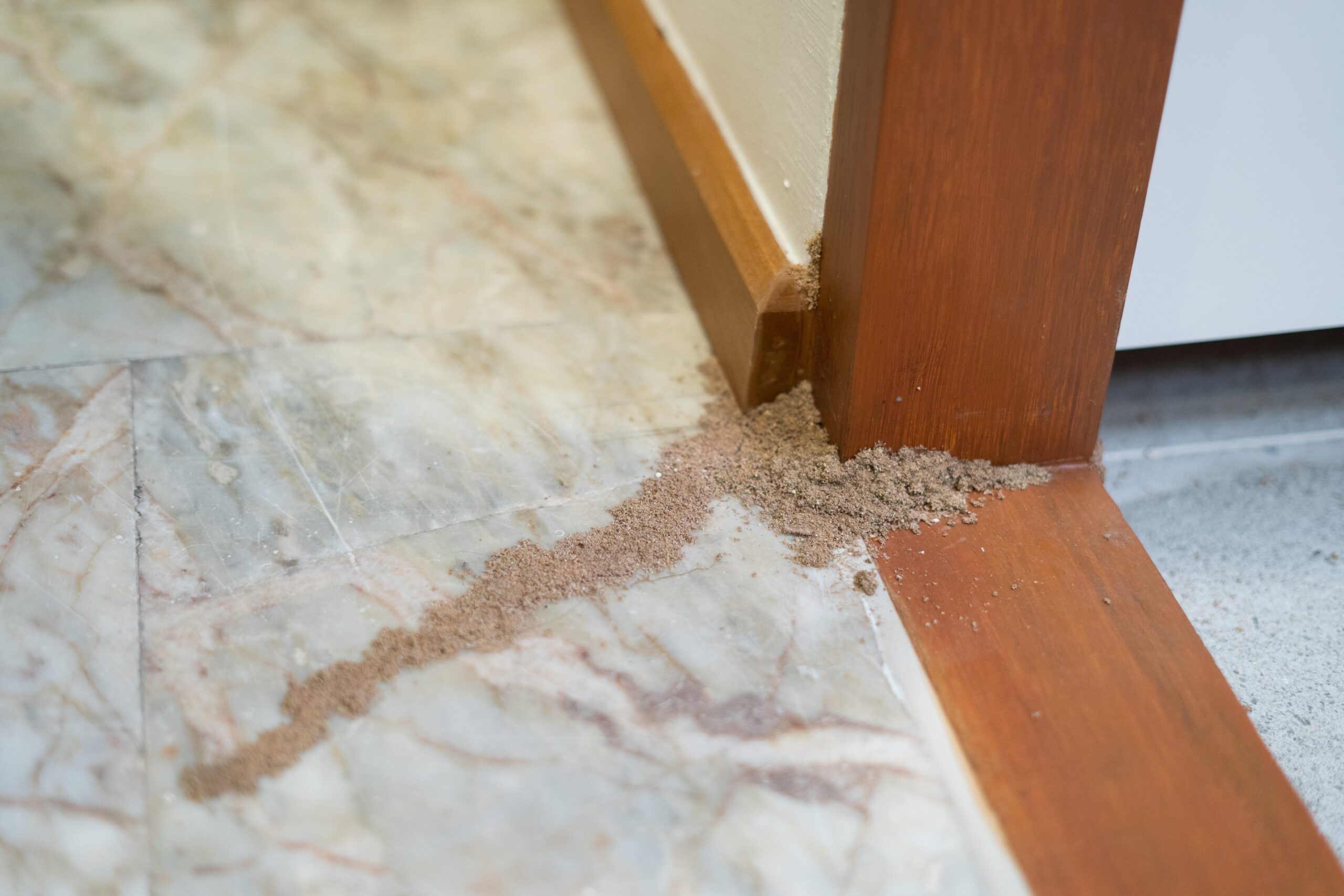
Seeing winged termites around your home is often one of the first visible signs of a nearby infestation. In Louisiana, termite swarm activity can begin early in the year and continue into warmer months depending on the species involved.
Many homeowners first notice swarmers near windows, doors, light fixtures, garages, or outdoor lighting after periods of warm humid weather. By the time swarmers appear indoors, termites may already be active inside walls, crawl spaces, foundations, or structural wood.
Knowing when termites swarm in Louisiana helps homeowners respond faster to warning signs before hidden damage spreads further through the home. Early inspections and professional termite treatment remain some of the most effective ways to limit long-term structural damage.
When Termites Swarm in Louisiana
Different termite species swarm at different times of the year. Weather conditions, temperature, humidity, and recent rainfall all influence when swarm activity begins.
When Subterranean Termites Usually Swarm
Eastern subterranean termites often swarm from late winter through spring. In many parts of Louisiana, activity may begin as early as January and continue into early summer.
Subterranean termite swarmers are black to caramel colored and commonly appear near windows, doors, and light sources.
When Formosan and Drywood Termites Swarm
Formosan subterranean termites usually swarm later in the year, often during late spring and summer evenings. These termites are strongly attracted to lights and may appear in large numbers around structures.
Drywood termites may swarm during warmer months as well, though their activity patterns differ from subterranean species because they live directly inside wood rather than underground.
What Termite Swarmers Look Like
Termite swarmers are winged reproductive termites responsible for starting new colonies. Many homeowners confuse them with flying ants, especially during spring and summer.
How to Identify Winged Termites
Termite swarmers have straight antennae, thick waists, and two pairs of wings that are equal in size. Flying ants usually have bent antennae, narrow waists, and uneven wing lengths.
Winged termites often shed their wings shortly after swarming, leaving piles of discarded wings near windows, doors, and baseboards.
Where Homeowners Usually Find Swarmers
Swarmers commonly gather around windows, light fixtures, garage doors, attics, crawl spaces, patios, and exterior lighting around the property.
Indoor swarm activity may point to termites already feeding somewhere inside or beneath the structure.
Warning Signs Linked to Swarm Season
Swarmers are not the only signs homeowners should watch for during termite season. Other warning signs often appear before or after swarm activity becomes noticeable.
Signs of Active Termite Activity
Mud tubes along foundation walls, hollow wood, bubbling paint, sagging floors, damaged trim, and soft wood may all point to active termite infestations.
Mud tubes help subterranean termites travel between soil and structural wood while staying protected from dry air.
Why Swarmers Usually Mean a Mature Colony
Termite colonies typically produce swarmers only after the colony becomes established. That means swarm activity often signals termites have already been feeding nearby for an extended period.
Discarded wings indoors or repeated swarm activity around the same area may point to a colony close to the structure.
Why Louisiana Homes Face Heavy Termite Pressure
Louisiana’s warm humid climate supports termite activity throughout much of the year. Moisture, soil contact, and abundant wood sources all help termite colonies survive and expand.
Conditions That Attract Termites
Leaking pipes, poor drainage, damp crawl spaces, wood-to-soil contact, mulch beds, dead trees, and untreated wood around the home all increase termite risk.
Subterranean termites rely on moisture in the soil while searching for food sources and building new colonies.
Why Moisture Makes Infestations Worse
Damp conditions soften wood and create easier access for termites moving through structural areas. Moisture also supports larger termite populations beneath and around the home.
Termite infestations often remain hidden for long periods because termites feed inside wood before visible damage appears.
Why Professional Termite Inspections Matter
Most termite activity stays hidden behind walls, beneath flooring, or inside structural wood. Professional inspections help identify warning signs homeowners may miss during routine maintenance.
What Professional Inspections Look For
At LaJaunie’s Pest Control, technicians inspect foundations, crawl spaces, attics, exterior wood, moisture-prone areas, mud tubes, damaged wood, and other common signs of termite activity.
Inspections also help determine whether activity is active, previously treated, or linked to another wood-destroying pest.
When Homeowners Should Schedule an Inspection
Homeowners should schedule a termite inspection after spotting swarmers indoors, discarded wings, mud tubes, damaged wood, or repeated termite activity around the structure.
Louisiana homeowners may also benefit from annual termite inspections because colonies can remain hidden for years before visible signs appear.
Professional Treatment During Termite Season
Termite treatment works best when infestations are addressed early before colonies spread deeper into the structure. DIY termite products often fail to eliminate hidden colonies beneath the home.
How Termite Baiting Systems Work
LaJaunie’s Pest Control offers the Trelona Advanced Termite Bait System for subterranean termite activity. Bait stations are installed around the property to target worker termites moving between the colony and the structure.
Worker termites carry bait material back into the colony, helping reduce termite populations over time.
How Liquid Termite Treatments Help
Liquid termite treatment creates a protective barrier around the foundation to help stop termites from entering the structure.
LaJaunie’s Pest Control also provides ongoing termite monitoring and annual inspections to help detect new termite activity before major damage develops.
Preparing Your Louisiana Home for Termite Season
Reducing moisture and limiting wood-to-soil contact are two of the best ways to lower termite pressure around your property. Repair leaks, improve drainage, remove dead wood, and monitor crawl spaces regularly for warning signs.
Checking foundations, attics, garages, and lower structural areas during warmer months may also help homeowners spot termite activity earlier.
If you notice termite swarmers or signs of termite activity around your home, the team at LaJaunie’s Pest Control can help. We provide termite inspections, termite treatment, baiting systems, and ongoing pest control services throughout Southeast Louisiana.
To schedule a termite inspection or request more information, contact LaJaunie’s Pest Control today.
Frequently Asked Questions About Termite Swarm Season
Swarm timing depends on the species. Eastern subterranean termites often swarm from late winter through spring, while Formosan termites usually swarm later in the year.
Common warning signs include mud tubes, discarded wings, hollow wood, bubbling paint, damaged trim, soft wood, and visible swarmers near windows or lights.
Seeing swarmers indoors usually means a colony is active nearby. Professional inspections help determine whether termites are feeding inside or around the structure.
DIY termite treatments often fail to eliminate hidden colonies beneath the home. Professional termite treatment is usually needed for long-term control.