

 Request your free quote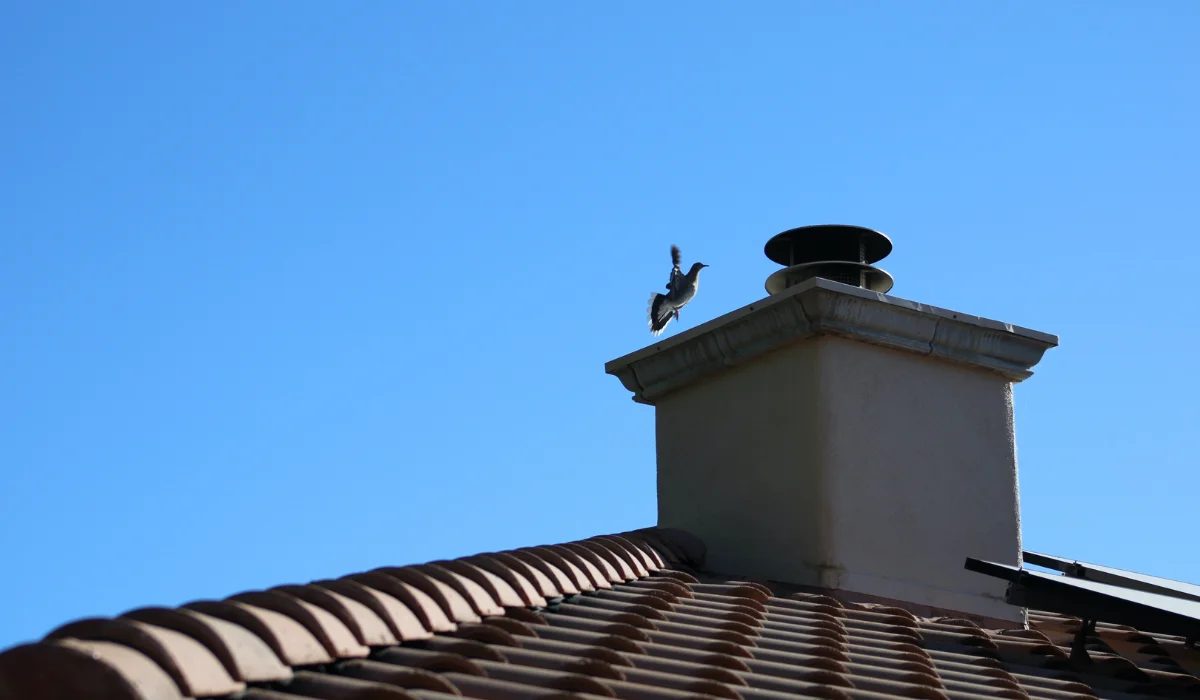
Birds in New Orleans, LA, are part of daily life in neighborhoods, along waterways, and in backyard spaces. You may hear birds near the Mississippi River or see them moving quietly along local bayous all year long. Louisiana has warm weather, open water, and wetlands that support many bird species living close to people.
Many homeowners enjoy birdwatching, especially near City Park or tree-lined streets. Residents, visitors, and local birders often look for seasonal migrations or rare sightings. At the same time, birds nesting in chimneys, vents, or rooflines can cause problems for homeowners.
This guide explains common birds, why they nest near homes, and how homeowners can safely and legally manage these issues through proper bird control in New Orleans, LA.
Key Takeaways
- Birds thrive in Louisiana due to warm weather, wetlands, and reliable food sources.
- New Orleans supports many bird species, from backyard songbirds to large water birds.
- Nesting near homes can cause noise, debris, and safety concerns.
- Professional support helps homeowners safely manage recurring bird issues.
Video: How Do I Know If There Are Birds In My Chimney?
This video explains common signs that birds have entered a chimney. You may hear chirping, fluttering, or scratching sounds, often early in the morning. Nesting materials can block airflow, creating ventilation and fireplace safety risks. Visual examples help homeowners confirm bird activity before the issue grows.
How Do I Identify Birds in New Orleans, LA?
You can identify birds in New Orleans, LA, by watching their size, behavior, and habitat. With many species living in the area, simple observation often helps narrow down what you see around your home.
Visual Identification Traits
Color and size give the first clues. Northern cardinals stand out with bright red feathers. American goldfinches show yellow coloring during warmer months. House sparrows look small and brown and often stay near buildings.
Woodpeckers exhibit clear patterns, including the northern flicker. Downy woodpeckers appear compact, with black-and-white markings. Red-bellied woodpeckers have a light red tint on their underside. Red-headed woodpeckers have bright red heads.
Larger birds typically stay near water or open areas, including species such as the turkey vulture. Great blue herons stand tall along shorelines. Great egrets, snowy egrets, and yellow-crowned night herons have clean, light-colored feathers and remain near water. Cattle egrets usually move through open grassy areas.
Behavioral Identification Traits
Behavior helps confirm bird identity. Northern mockingbirds sing many songs from rooftops or trees. Chimney swifts fly quickly and enter chimneys or vents. American crows and fish crows travel in loud groups, while mourning doves stay calm and often feed on the ground.
Smaller birds like Carolina chickadees, Carolina wrens, and the Baltimore oriole move quickly through shrubs. Blue jays show bold movement and loud calls. Flycatchers dart out to catch insects in midair, while hummingbirds hover near flowers and feeders.
Where You’re Most Likely to See Them in New Orleans
Birds often gather near parks, trees, and water. City Park in New Orleans attracts birdwatchers seeking ibis, wood ducks, roseate spoonbills, and other waterfowl. The Audubon Louisiana Nature Center and Bayou Sauvage National Wildlife Refuge support habitats that attract birds year-round.
Homes near bayous often see brown thrashers, brown-headed cowbirds, house finches, American robins, and red-winged blackbirds. Bald eagles now appear more often near the Mississippi River, especially where tall trees meet open water.
What Causes Bird Problems in New Orleans, LA?
Bird problems in New Orleans, LA, stem from the area’s year-round support for large bird populations. Wetlands, waterways, and mild winters allow many birds to remain active rather than migrate long distances.
Natural food sources attract species like anhingas, double-crested cormorants, laughing gulls, least terns, and brown pelicans. Seasonal migration also brings waves of warblers during spring and fall.
Homes provide shelter that resembles natural nesting areas. Chimneys, vents, and eaves offer warmth and protection. As nests accumulate, homeowners may notice noise, debris, and airflow issues. Urban growth also drives birds to nest closer to people, especially near shaded yards and water features.
How Do You Manage Birds in New Orleans, LA?
Homeowners in New Orleans, LA, manage birds by focusing on prevention and awareness. Chimney caps and vent covers block access for birds like chimney swifts. Trimming tree branches away from rooflines limits nesting spots. Routine home inspections help homeowners spot bird activity early.
Yard habits also matter. Standing water attracts water birds. Open trash draws species like the common grackle and American crows. Basic upkeep helps reduce repeat visits without harming birds.
When nests already exist, bird nest removal must follow legal guidelines. Improper handling can create risks for people and wildlife. Professional support helps manage these situations safely.
How Do You Treat Bird Issues in Your New Orleans, LA Home?
DIY Management Options
Homeowners can address minor bird activity early. Sealing gaps, installing chimney caps, and removing debris help prevent nesting. Visual deterrents may work for a short time but often fail once birds start nesting.
DIY steps work best before nesting begins. Once birds build a nest, removal becomes regulated and more complex.
Professional Treatment Options
Professional services focus on inspection, exclusion, and long-term prevention. Our technicians identify species, nesting locations, and entry points unique to New Orleans homes.
If birds block airflow, professionals know how to get rid of birds in your chimney safely. This approach protects ventilation and reduces fire risk. Services also include targeted bird nest removal and prevention planning.
At LaJaunie’s Pest Control, we offer localized solutions tailored to Louisiana homes. Our experience helps stop repeat nesting while respecting wildlife protections.
Should I Call a Professional for Birds in New Orleans, LA?
Call a professional when bird activity continues or affects daily life. Ongoing nesting, droppings, loud noise, or blocked vents signal a need for expert help.
Some bird species return each year if access points stay open. Professional care helps prevent recurring issues and protects your home over time. Our experts also follow wildlife regulations when managing bird issues.
Making the Right Bird Control Decision for Your New Orleans, LA Home
Birds play an important role in New Orleans and across Louisiana. Many residents enjoy birdwatching and seasonal migrations, especially during peak warbler activity.
Knowing which birds live nearby, why they nest near homes, and how to address issues helps homeowners make informed decisions. Early action reduces damage and safety risks.
When birds in New Orleans, LA, cause ongoing problems, our team at LaJaunie’s Pest Control offers solutions based on local experience.
Contact us today to protect your home while respecting the wildlife that makes the area unique.
FAQs
Are birds active year-round in New Orleans, Louisiana?
Yes. Birds stay active all year in New Orleans, Louisiana. Mild winters, wetlands, and steady food sources allow many species to remain rather than migrate. Some birds live here full-time, while others arrive during spring and fall migrations, which increases overall bird activity near homes.
How do I know if I’m dealing with birds?
Common signs include chirping, fluttering, or scratching sounds in chimneys, vents, or roof areas. You may also see feathers, nesting material, or droppings near entry points. Early-morning noise often indicates active nesting near or inside the home.
What’s the fastest way to get rid of birds in my home?
The fastest option is professional inspection and exclusion. Experts identify the bird species, remove access points, and install chimney caps or vent covers. This approach halts current activity and helps prevent birds from returning, while complying with wildlife laws that protect many native bird species.