

 Request your free quote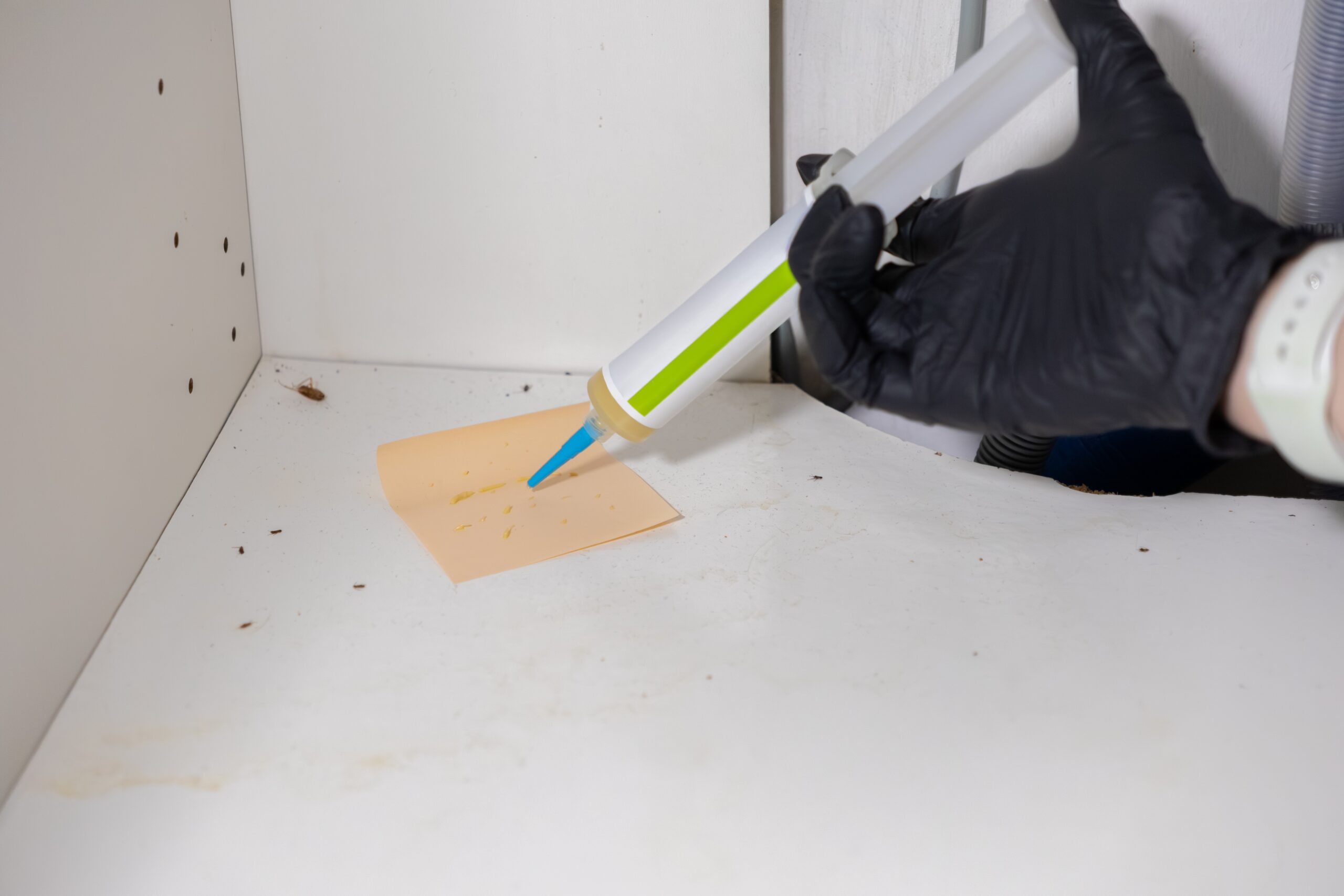
If you’ve spotted cockroaches in your Thibodaux home and reached for a tube of gel bait, you’re not alone. Gel bait is one of the most widely used methods for cockroach control, but it works differently than sprays or traps. Results often depend on where the bait is placed, what competing food sources are nearby, and which cockroach species is active inside the home.
Many homeowners first notice roach activity in kitchens, bathrooms, laundry rooms, or under appliances where warmth and moisture collect. In South Louisiana’s humid climate, cockroaches may stay active for much of the year, especially in older homes or properties with easy access to water and food sources.
Understanding how roach gel bait works can help you recognize why some treatments succeed while others fail. Placement, sanitation, and identifying where cockroaches are nesting all play a role in how quickly activity starts to decline.
Key Takeaways About How Roach Gel Bait Works
- Roach gel bait combines an attractant with an active ingredient, drawing cockroaches to feed on the bait rather than relying on direct contact.
- Proper placement matters because cockroach gel bait works best near active hiding areas and travel routes.
- Gel bait may take time to reduce roach activity, especially when competing food sources remain available.
- Different cockroach species respond differently to bait placement indoors and outdoors.
- Professional pest control may help when cockroach activity continues despite repeated bait applications.
How to Spot a Roach Problem Before Using Gel Bait
Understanding how roach gel bait works starts with identifying the type of cockroach activity inside or around your home. Different roach species behave differently, and the signs they leave behind can help determine where bait should be placed and whether indoor or outdoor treatment matters most.
How to Tell Different Cockroach Species Apart
Not every cockroach species responds to gel bait the same way. Some species spend most of their time indoors, while others mainly live outside and wander into homes occasionally.
In the Southeastern United States, several wood cockroach species are native to the region. Because these roaches often nest outdoors, homeowners in Thibodaux and nearby Louisiana communities may notice them around woodpiles, mulch beds, leaf litter, sheds, or damp debris close to the home’s perimeter.
Baits are designed to be placed where foraging insects are active. Guidance from the University of Minnesota Extension notes that bait placement works best when positioned close to active travel routes and feeding areas.
How Gel Bait Helps Spot Indoor Roach Activity
Many homeowners first notice indoor roach activity through droppings, shed skins, egg casings, or live cockroaches appearing at night. Kitchens, bathrooms, laundry rooms, and areas behind appliances are some of the most common places where activity starts becoming visible.
In many Thibodaux homes, German cockroaches are especially active around dishwashers, refrigerators, cabinets, and plumbing areas where moisture and food sources remain available.
When roaches begin feeding on gel bait placed near those areas, it can help confirm where cockroaches are traveling and hiding during the day.
Where Gel Bait Targets Roach Activity Around Homes
Roach activity is not always limited to kitchens and bathrooms. Some cockroach species nest outdoors before moving inside in search of food, moisture, or shelter.
Monitoring where cockroaches appear most often can help narrow down hiding areas and travel routes. Seeing roaches near garages, patios, water meter boxes, crawl spaces, or exterior doors may point to outdoor nesting activity close to the home.
Placing bait near those transition areas may help reduce the number of cockroaches moving indoors from outside harborages.
How Gel Bait Works Near Roach Entry Points
Cockroaches that nest outside often enter through gaps around doors, windows, plumbing lines, and utility openings. Exterior activity may continue if those entry points stay accessible.
Indoor gel bait placements work best when paired with efforts to reduce outdoor nesting areas and moisture problems around the structure.
Research from Mississippi State University Extension notes that exterior treatment areas may include gaps around foundations, utility penetrations, and sheltered outdoor harborages where cockroaches remain active.
Why Cockroach Problems Develop and Gel Bait Matters
Cockroaches stay active when they have access to food, water, warmth, and protected hiding spaces. Understanding what attracts them can help explain why bait placement matters and why some infestations continue returning.
How Outdoor Nesting Areas Support Roach Activity
Some cockroach species spend most of their time outdoors before moving inside periodically. According to the University of Georgia pest guide, smokybrown cockroaches are common in Southern neighborhoods with mature trees and often live around sheds, crawl spaces, attics, and woodpiles.
Those outdoor harborages can keep sending cockroaches toward the home if exterior conditions remain favorable.
How Food and Moisture Affect Gel Bait Results
Cockroach gel bait works by attracting cockroaches to feed on a food-based bait mixed with an active ingredient. Once roaches feed on the bait, they return to hiding areas where the treatment continues affecting the population.
Grease buildup, crumbs, standing water, and pet food left out overnight may compete with the bait and reduce how much cockroaches feed on it. In homes where sanitation problems remain unresolved, bait performance may slow down considerably.
German cockroaches especially prefer warm, humid spaces near food and water sources, which is why kitchens and bathrooms often become major activity zones.
How Gel Bait Intercepts Cockroach Movement
Cockroaches travel repeatedly between hiding spots and food sources, often following the same routes each night. Gel bait works best when small placements are positioned close to those travel paths.
If bait is placed too far from active hiding areas, cockroaches may never encounter it. Removing competing food and water sources may also help increase feeding activity around bait placements.
If cockroach activity continues several weeks after treatment, rotating to a different active ingredient may sometimes help reduce bait avoidance or resistance problems.
How Gel Bait Targets Roach Hiding Areas
Roaches prefer dark, protected spaces where they can stay hidden during the day. Cracks behind cabinets, spaces beneath appliances, wall voids, and gaps near plumbing lines often become major hiding areas.
Applying small bait placements near those locations can help target roaches closer to where they spend most of their time instead of relying on broad surface treatments.
Understanding the Risks of an Untreated Roach Infestation
Understanding how roach gel bait works also means understanding what happens when cockroach activity continues unchecked inside the home. Since bait takes time to work, roaches may remain active for several weeks while the treatment affects the population.
Why Roach Activity May Continue During Gel Bait Treatment
Gel bait does not eliminate cockroaches instantly. According to Kansas State University Extension, bait-based treatments may take several weeks to reduce larger infestations.
During that time, cockroaches may continue appearing in kitchens, bathrooms, laundry rooms, and food preparation areas while they move between hiding places and feeding sites.
How Improper Gel Bait Placement Creates Problems
Applying too much bait or placing bait in exposed areas may reduce effectiveness. Roaches often avoid dried-out bait or placements that sit too far from active hiding spaces.
Gel bait should usually stay tucked into cracks, crevices, cabinet edges, and protected travel routes instead of open countertop areas where it may dry out faster.
How Gel Bait Works Around Food Preparation Areas
Cockroach activity often concentrates around kitchens because food and moisture remain easy to access. Research from Texas A&M AgriLife Extension notes that bait placements often work best along cabinet edges, under appliances, and near hidden travel routes.
Keeping bait tucked along edges and hidden areas may help separate treatment zones from food preparation surfaces while improving contact with active cockroach pathways.
When Ongoing Roach Activity Signals a Bigger Problem
If cockroaches continue appearing weeks after bait placement, the infestation may involve multiple nesting areas, outdoor harborages, or species that are not responding well to the treatment method being used.
In some Louisiana homes, more than one cockroach species may be active at the same time. That can make placement, treatment selection, and long-term control more complicated without a closer inspection.
Professional Roach Gel Bait Treatment and Control Plans
Gel bait is one of the most practical tools for cockroach control, but lasting results often depend on preparation, proper placement, and ongoing monitoring. Larger infestations may require a more complete treatment strategy than DIY bait applications alone.
How to Improve Gel Bait Performance at Home
Reducing food and moisture sources may help improve how well roach bait performs. Cleaning crumbs and grease buildup, repairing plumbing leaks, and storing food in sealed containers can help reduce competing attractants.
If sprays or bug bombs were used recently, they may interfere with bait performance by repelling cockroaches away from treated areas. Guidance from Texas A&M AgriLife Extension notes that sprays may interfere with bait effectiveness for German cockroach control.
Why Roach Inspections Matter Before Treatment
Cockroach infestations vary widely depending on species type, moisture conditions, and how long activity has been present inside the home.
An inspection helps identify where cockroaches are nesting, how severe the infestation may be, and where bait placements are most likely to work effectively.
Research from the University of Georgia pest guide notes that heavier infestations may require significantly more bait placements than smaller infestations.
What Professional Gel Bait Treatments May Include
Professionals often place gel bait directly into cracks, crevices, cabinet gaps, plumbing voids, and hidden travel routes where cockroaches remain active.
Some treatment plans may also include sticky traps, bait stations, dust applications, or limited targeted sprays depending on the species involved and the severity of the infestation.
Professional treatments are usually adjusted based on how cockroaches respond during follow-up visits and monitoring.
What a Full Roach Control Plan May Look Like
A professional control plan often combines sanitation recommendations, bait placements, monitoring, follow-up visits, and exterior treatments when outdoor activity contributes to the infestation.
LaJaunie’s Pest Control serves homeowners across Thibodaux, New Orleans, Baton Rouge, and Slidell. Technicians inspect active roach areas, identify likely nesting locations, and build treatment plans around the conditions found inside and outside the home.
Bottom Line on How Roach Gel Bait Works
Roach gel bait works by attracting cockroaches to feed on a bait that contains an active ingredient. Once cockroaches consume the bait, they return to hiding areas where the treatment can continue affecting the infestation over time.
Placement, sanitation, moisture control, and species identification all affect how successful gel bait treatments become. In many cases, ongoing cockroach activity points to hidden nesting areas or outdoor sources that require additional attention.
If cockroaches keep returning in your Thibodaux home, LaJaunie’s Pest Control provides roach control services throughout Southeast Louisiana. You can also contact the team here to request an inspection or discuss treatment options for your home.
Cockroach Gel Bait: FAQs
Roach gel bait works best when placed in cracks, crevices, cabinet edges, and hidden travel routes where cockroaches stay active. Common placement areas include spaces under appliances, near plumbing lines, and inside cabinets.
Yes. Gel bait may help reduce outdoor roach activity when placed near protected harborages and entry points. Outdoor nesting areas around woodpiles, mulch, sheds, and water meter boxes may also need attention.
Roaches may avoid bait when competing food sources remain available or when bait dries out in exposed areas. Some cockroach populations may also develop resistance or bait aversion over time.
Gel bait and sprays work differently. Some sprays may repel cockroaches away from treated areas, while bait encourages roaches to feed and carry the treatment back toward hiding areas. The best method depends on the species involved and the conditions inside the home.