


 Request your free quote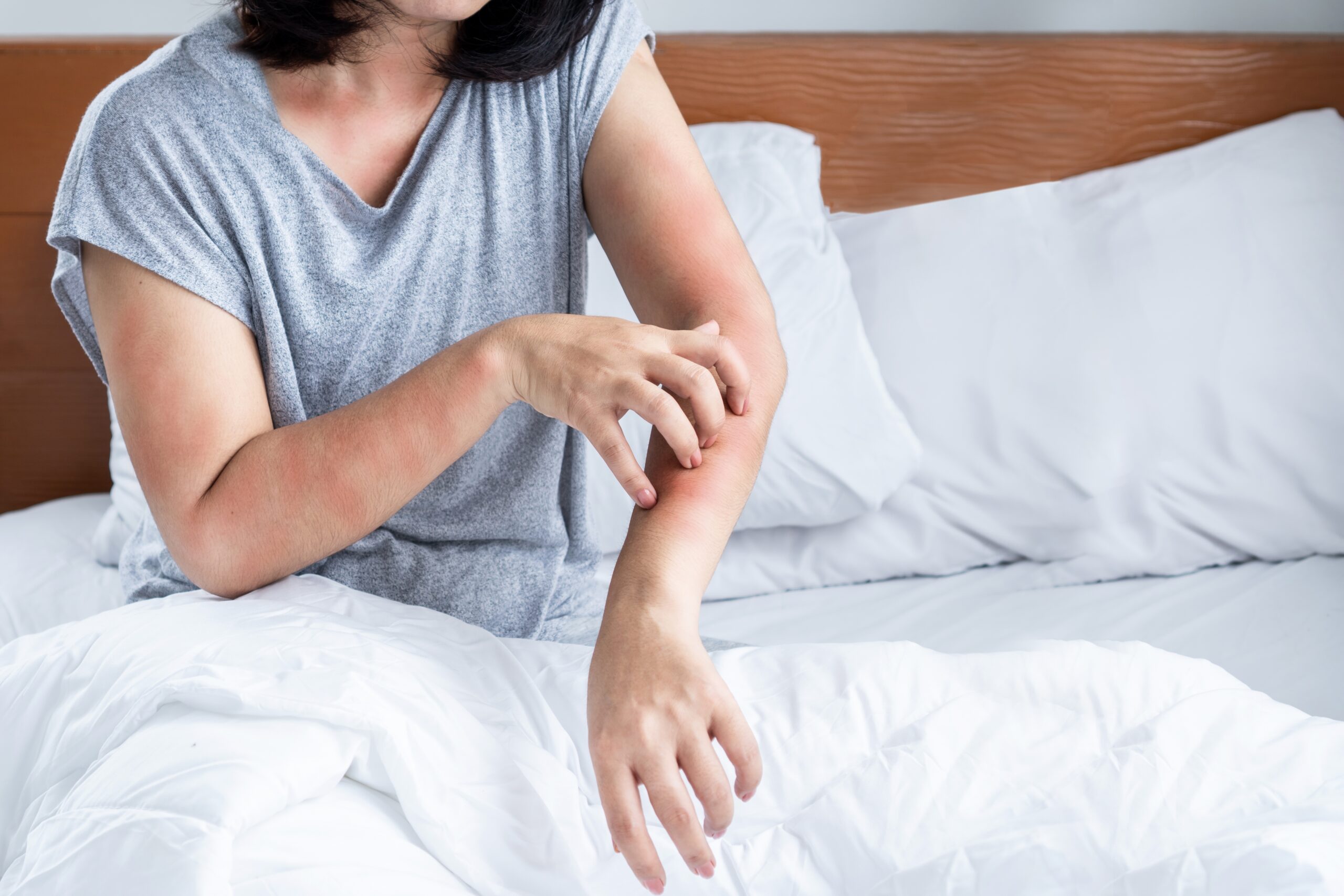
Many people first notice the problem after waking up with itchy red bumps or spotting bites around their ankles after walking through the house. At first, the bites may look like mosquito bites, a skin irritation, or a mild allergic reaction. Then the bites keep showing up.
If you are trying to figure out how to tell bed bug bites from flea bites, start by paying attention to where the bites appear, what is happening around the home, and whether pets, travel, furniture, or sleeping areas seem connected to the activity.
In Slidell and other Southeast Louisiana communities, both pests can stay active throughout much of the year. Fleas often spread through pets and shaded outdoor areas, while bed bugs commonly move from place to place through luggage, furniture, and shared living spaces. Watching the patterns around the bites can help narrow down what may be causing the problem and what step makes sense next.
Key Takeaways About Bed Bug Bites and Flea Bites
- Bed bug bites and flea bites can look similar, so identifying the pest itself is often the best way to confirm the source.
- Flea bites usually appear around the ankles and lower legs, while bed bug bites are more common on exposed skin during sleep.
- Bed bugs tend to hide near beds and upholstered furniture, while fleas often concentrate around pets, carpets, and pet resting areas.
- Both pests can cause itching, scratching, irritation, and red bumps that vary from person to person.
- Professional pest control may help when bites continue appearing or the source of the infestation is unclear.
How to Identify Bed Bug Bites From Flea Bites
Telling bed bug bites apart from flea bites is not always straightforward, but the location, pattern, and timing of the bites can offer helpful clues.
How Bed Bug Bites and Flea Bites Look Different
Bed bug bites often appear on exposed skin after sleeping and may follow a line or cluster pattern. Flea bites usually appear in smaller random groupings around the ankles and lower legs. Research from Purdue Extension explains that flea bites commonly occur near the ankles because fleas jump onto hosts from ground level.
Bed bug bites may resemble mosquito bites and can take hours or even days to become visible. Flea bites are more likely to show a small central puncture point. Since both pests can leave itchy red bumps on the skin, appearance alone is not always enough to confirm the source.
How to Spot Bed Bug Bites or Flea Bites Inside Your Home
Many homeowners first suspect bed bugs after waking up with bites several mornings in a row or noticing small stains near mattress seams. If bed bugs are involved, check mattress edges, box springs, bed frames, upholstered furniture, and nearby cracks using a flashlight.
Flea problems are often first noticed through pets. Dogs or cats may start scratching more than usual, biting at their skin, or leaving flea dirt behind in pet bedding. Soon after, people in the home may notice bites around the ankles after walking across carpeted rooms or sitting near pet resting areas.
Where Bed Bug Bites and Flea Bites Usually Start
Bed bugs stay close to sleeping and resting areas because they feed at night while people sleep. They often hide in mattress seams, upholstered furniture, headboards, electrical outlets, and nearby cracks and crevices.
Fleas usually gather where pets spend time. Carpets, rugs, pet bedding, upholstered furniture, and shaded outdoor areas can all support flea activity. Adult fleas wait low to the ground before jumping onto a passing host.
How Bed Bugs and Fleas Enter Slidell Homes
Bed bug problems often begin quietly after travel, overnight guests, moving furniture, or bringing secondhand items into the home. Many people do not realize bed bugs came inside until bites start appearing days later or small stains show up around mattress seams.
Fleas usually enter homes through pets that spend time outdoors. Wildlife activity around yards, crawl spaces, or shaded landscaping can also contribute to flea infestations around Slidell homes.
Why Bed Bug and Flea Problems Keep Spreading
Bed bugs and fleas both depend on blood meals, but they spread through homes differently. Understanding how each pest survives can help you narrow down what may be causing the bites.
Where Bed Bugs and Fleas Hide Around Homes
Fleas often develop outdoors in shaded areas where animals rest before moving indoors on pets or wildlife. Bed bugs are indoor pests that stay close to beds, furniture, and resting areas.
Some pests closely related to bed bugs, including bat bugs, may occasionally enter homes from attic or wall voids connected to wildlife activity. Those pests can leave bites similar to bed bug bites.
What Attracts Bed Bugs and Fleas Indoors
Bed bugs are attracted to warmth, carbon dioxide, and access to sleeping hosts. They stay close to areas where people regularly rest or sleep.
Fleas depend heavily on animal hosts. Pets, pet bedding, carpeting, and humid environments can all support flea activity indoors. In Slidell’s humid climate, fleas may remain active for long periods if conditions stay favorable.
How Bed Bugs and Fleas Move Through Homes
Bed bugs usually stay within several feet of sleeping areas, although they can spread through walls, furniture, luggage, and personal belongings over time.
Fleas spread differently. They move through carpets, rugs, furniture, and pet resting areas while feeding on pets or people. Repeated scratching from flea bites may also irritate the skin further.
Why Bed Bug Bites and Flea Bites Keep Returning
Some homeowners wash bedding, vacuum floors, or use sprays after noticing bites for several nights in a row, only to find the problem keeps returning. That often happens because bed bugs stay hidden deep inside furniture and wall voids, while flea eggs and larvae can remain protected in carpeting and pet areas long after adult fleas are gone.
Because both pests reproduce quickly under the right conditions, recurring bites may point to an active infestation that has not been fully addressed.
Health Concerns Linked to Bed Bug Bites and Flea Bites
Both bed bug bites and flea bites can cause itching, irritation, and discomfort, but reactions vary depending on the person and the severity of the infestation.
How Bed Bug Bites Affect the Skin
Bed bug bites often appear as itchy welts or red bumps on exposed skin. Some people experience swelling, while others may have almost no visible reaction at all.
Research from the EPA notes that excessive scratching may contribute to secondary skin infections in some cases. Ongoing bed bug activity may also interrupt sleep when bites continue appearing overnight.
How Flea Bites Affect the Skin
Flea bites are commonly found around the ankles and lower legs and may appear as small itchy bumps with a central puncture mark. Repeated scratching can irritate the skin further, especially in children or people with sensitive skin.
Some pets also develop allergic reactions to flea bites, leading to excessive scratching, irritation, or hair loss around affected areas.
Why Bed Bug Bites and Flea Bites Are Easy to Confuse
Bed bug bites and flea bites can overlap in appearance, especially during the early stages of an infestation. Guidance from UC IPM explains that distinguishing bed bug bites from other arthropod bites is difficult without finding the pest itself.
Because reactions vary from person to person, identifying physical signs of the pest inside the home is usually more reliable than relying on bite appearance alone.
How to Reduce Bed Bug and Flea Activity
Reducing hiding spots and limiting pest activity early may help prevent a larger infestation from developing.
How to Reduce Bed Bug Activity Indoors
Wash bedding, blankets, and clothing using hot water and high heat drying cycles if bed bugs are suspected. Mattress encasements designed for bed bugs may also help limit hiding areas around beds and box springs.
Reduce clutter around sleeping areas and inspect secondhand furniture carefully before bringing it indoors.
How to Reduce Flea Activity Indoors
Vacuum carpets, rugs, upholstered furniture, and pet resting areas frequently. Wash pet bedding regularly and work with your veterinarian on flea prevention products for pets.
Outdoor flea activity may also need attention around shaded landscaping, crawl spaces, or pet resting areas near the home.
When DIY Bed Bug and Flea Treatments Have Limits
Some homeowners try sprays or foggers after noticing bites for several nights in a row, only to find the problem keeps returning. Bed bugs often stay hidden deep inside furniture seams and wall voids, while flea eggs and larvae can remain protected in carpeting and pet areas.
DIY products may reduce activity temporarily, but they often miss hidden harborages, flea life stages, or pests spreading through multiple rooms.
When Professional Pest Control May Help
If bites continue appearing despite cleaning and DIY efforts, professional pest control may help identify the source and build a treatment plan around the specific pest involved.
Why Bed Bug and Flea Inspections Matter
Proper identification is important because bed bugs and fleas require different treatment methods. An inspection can help determine where pests are hiding and how widespread the infestation may be.
Recommendations from Oregon State University Solve Pest Problems note that professional inspections can help identify bed bug activity that homeowners may overlook.
What Professional Bed Bug and Flea Treatments May Include
Professional bed bug treatment may involve targeted applications around mattress seams, furniture, cracks, crevices, and nearby resting areas.
Professional flea treatment may include indoor applications for carpets and pet areas along with outdoor treatments around yards, shaded areas, or entry points where flea activity continues.
What to Expect From a Bed Bug and Flea Control Plan
Ongoing monitoring, follow-up visits, and preparation steps often play an important role in successful bed bug and flea control.
At LaJaunie’s Pest Control, professionals help homeowners identify the source of bite activity and build treatment plans around the specific pest involved. Services are available throughout Slidell and nearby Southeast Louisiana communities.
Making the Right Choice for Bed Bug and Flea Control
Understanding how to tell bed bug bites from flea bites in Slidell can help you respond faster when itchy bites, red bumps, or recurring irritation start appearing around your home. While the bites may look similar, the pests behave differently and require different treatment approaches.
Watching where bites appear, checking common hiding areas, and paying attention to pet activity can help narrow down the source. Still, some infestations become difficult to identify without a closer inspection.
If bites continue appearing or you suspect an active infestation, LaJaunie’s Pest Control provides bed bug and flea control services across Southeast Louisiana. You can also contact the team here to schedule an inspection or request a quote.
Frequently Asked Questions About Bed Bug Bites and Flea Bites
Not always. Bed bug bites and flea bites can both appear as itchy red bumps on the skin. Bite location, timing, and finding the pest itself usually provide more reliable clues than appearance alone.
Flea bites most often appear around the ankles and lower legs because fleas jump from ground level. Bed bug bites are more common on exposed skin during sleep, including the arms, shoulders, neck, and back.
Professional pest control may help when infestations continue returning or when it is difficult to identify the source of the bites. Bed bugs and fleas require different treatment approaches, which makes accurate identification important.
Inspect sleeping areas, pet bedding, furniture seams, carpets, and common hiding areas for signs of activity. If you still cannot identify the source, a professional inspection may help determine whether bed bugs, fleas, or another pest is involved.