



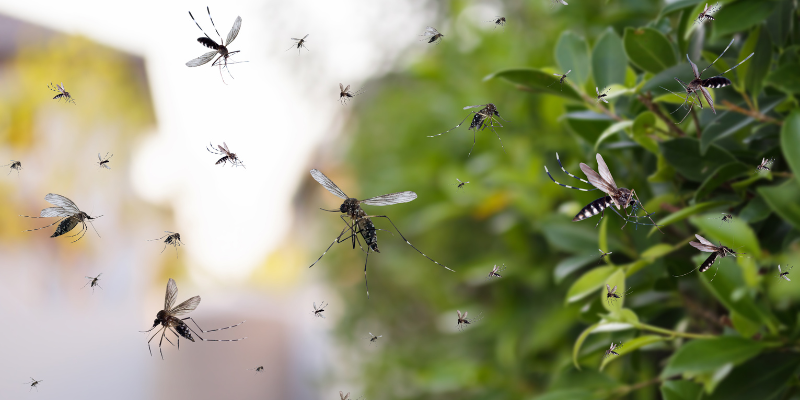
Some aromatic plants can be useful additions to a Louisiana yard where mosquitoes are a constant nuisance. Citronella, catnip, rosemary, mint, lavender, marigolds, and several other plants contain or release aromatic compounds associated with insect repellency.
There is an important limitation, though: planting them around a patio does not create a mosquito-free barrier. Research often focuses on plant oils, extracts, or individual compounds rather than the untreated plant growing in the ground. Aromatic plants can be one part of a mosquito-conscious landscape, but removing standing water where mosquitoes develop is still one of the most useful steps homeowners can take.
Here are 10 plants worth considering and what Louisiana homeowners should realistically expect from them.
Quick Comparison Of Mosquito-Repelling Plants
| Plant | Why Homeowners Consider It | Louisiana Growing Considerations | Realistic Expectation |
|---|---|---|---|
| Citronella grass | Citronella oil is widely associated with mosquito repellents | Prefers sun and good drainage | Useful aromatic landscaping, but the plant is not equivalent to a formulated repellent |
| Lemon-scented geranium | Strong citrus-like fragrance | Works well in containers and sunny locations | Best treated as a fragrant supporting plant |
| Catnip | Contains nepetalactone, a compound studied for mosquito repellency | Can work well in an herb garden | Research on compounds does not mean the living plant performs like an applied repellent |
| Marigolds | Frequently included in mosquito-conscious gardens | Popular warm-season landscape flower | Adds landscape value but should not be relied on for mosquito control |
| Lavender | Strong aromatic foliage and flowers | Needs excellent drainage, especially during wet weather | Useful fragrant plant with limited stand-alone mosquito protection |
| Rosemary | Strong fragrance and culinary value | Prefers sun and well-drained soil | Good patio or herb-garden addition, but not dependable bite protection |
| Mint | Aromatic oils are associated with insect repellency | Often best kept in containers because it spreads | Helpful garden plant, but growing mint alone will not control mosquitoes |
| Basil | Strongly scented culinary herb | Fits easily into warm-season herb gardens | A practical aromatic addition rather than a mosquito-control treatment |
| Thyme | Compact and aromatic | Prefers sun and good drainage | Works as part of an herb garden but should not be used as a stand-alone solution |
| Sage | Strong aromatic foliage | Prefers sunny, well-drained areas | Another supporting landscape plant rather than a primary mosquito-control method |
How Much Can Mosquito-Repelling Plants Actually Help?
Think of these plants as a supporting measure rather than your primary mosquito defense.
Aromatic foliage can make a garden pleasant for people and may have repellent properties, especially because some of the same plant compounds are used in formulated insect repellents. However, a living plant sitting beside the porch does not deliver those compounds at the concentration or consistency of a tested repellent product.
For personal bite prevention, the CDC recommends EPA-registered insect repellents. Around the home, you can eliminate standing water from buckets, flowerpots, toys, wheelbarrows, gutters, pool covers, and other places where mosquitoes can breed.
With that distinction in mind, these plants can still be useful additions to your landscape.
1. Citronella Grass
Citronella is probably the plant most closely associated with mosquitoes. Oil of citronella is derived from cultivated grasses and has long been used as an ingredient in products such as sprays and candles.
That makes citronella grass a reasonable aromatic addition near outdoor living areas, but growing the plant should not be treated as equivalent to applying a formulated mosquito repellent.
Give citronella grass plenty of sun and well-drained soil, and leave enough room for its mature growth.
2. Lemon-Scented Geranium
Lemon-scented geraniums are another familiar “mosquito plant.” Their distinctive citrus-like fragrance makes them a popular choice for patios and container gardens.
The plant works well as a container specimen because you can position it near porches, patios, or other places where its fragrance can be appreciated. As with citronella grass, however, it should complement other mosquito-prevention measures rather than replace them.
3. Catnip
Catnip deserves a place on this list because its chemistry has been studied directly.
Research on Nepeta essential oil and nepetalactone, one of catnip’s characteristic compounds, has demonstrated repellent effects on mosquitoes. The important word is compound: those findings should not be translated into a claim that a catnip plant in the flower bed performs like an applied insect repellent.
Catnip can nevertheless be a practical addition to an herb garden and gives homeowners another aromatic plant to consider.
4. Marigolds
Marigolds are easy to recognize, add strong color to planting beds, and are commonly included in mosquito-conscious landscaping.
One claim to avoid is that marigolds contain pyrethrum. Pyrethrins are naturally derived from certain chrysanthemum flowers, so the two plants should not be confused.
Use marigolds for their landscape value and potential supporting role rather than expecting a row beside the door to stop mosquitoes from entering the yard.
5. Lavender
Lavender’s aromatic foliage and flowers make it another common choice for gardens intended to be less attractive to mosquitoes.
Louisiana gardeners should pay particular attention to drainage. Lavender generally does better in sunny areas where the soil does not remain wet for long periods.
Containers or raised planting areas may be easier to manage where soil stays wet after heavy rain.
6. Rosemary
Rosemary is especially useful for homeowners who want a plant that earns its space in both the garden and the kitchen.
Plant rosemary where it receives good sunlight and drainage. Its strong fragrance can contribute to an aromatic patio or herb garden, but it is still a landscaping measure rather than dependable personal bite protection.
7. Mint
Mint is another strongly scented herb homeowners often consider when asking does mint repel mosquitoes?
Mint and peppermint contain aromatic compounds associated with insect-repellent properties. However, there is an important difference between peppermint oil used in a product and a mint plant growing in a pot. The EPA notes that peppermint and peppermint oil may appear in minimum-risk repellent products, but products that are not EPA-registered have not been evaluated by the agency for effectiveness.
Because mint can spread readily, many homeowners prefer growing it in pots. That also makes it easy to position around patios and other outdoor gathering areas.
The same realistic expectation applies here: enjoy the fragrance and the plant’s culinary value, but do not depend on mint alone if mosquitoes are abundant around your property.
How Does Mint Compare With Other Popular Mosquito-Repelling Plants?
| Plant | Common Mosquito-Repelling Association | Good Choice For | Main Limitation |
| Mint | Peppermint oil and related aromatic compounds | Containers, patios, herb gardens | A living mint plant does not provide the same concentration as a repellent product |
| Citronella grass | Citronella oil | Larger sunny planting areas | Growing citronella is not the same as applying citronella-based repellent |
| Lavender | Fragrant oils and foliage | Sunny beds and containers with good drainage | Louisiana heat and wet soil can make growing conditions challenging |
| Rosemary | Strong aromatic foliage | Herb gardens, patios, cooking | Fragrance alone should not be expected to prevent mosquito bites |
| Catnip | Nepetalactone | Herb gardens and mixed planting beds | Research on extracted compounds does not equal yard-level protection |
| Marigolds | Frequently used in insect-conscious gardening | Flower beds, borders, seasonal color | Should not be treated as a mosquito barrier |
Mint has relevant aromatic compounds, but the plant itself should be viewed as a supporting landscaping choice. It works best alongside mosquito-prevention steps that address breeding sites and personal bite protection.
8. Basil
Basil may not be the first plant people associate with mosquitoes, but its strongly scented leaves make it another popular addition to aromatic gardens.
For homeowners who already maintain a vegetable or herb garden, basil is an easy way to add another fragrant plant without dedicating space to something grown solely for mosquito control.
9. Thyme
Thyme is another aromatic culinary herb that fits easily into a mosquito-conscious landscape.
Its compact growth makes it useful around herb gardens, containers, and sunny planting areas. Good drainage remains important, particularly during Louisiana’s wetter periods.
As with the other plants on this list, thyme should be viewed as one component of the landscape rather than a stand-alone mosquito-control method.
10. Sage
Sage rounds out the list as another strongly aromatic herb worth considering.
It prefers sunny, well-drained growing conditions and pairs naturally with other culinary herbs such as rosemary, thyme, and basil.
Using several aromatic plants can give an outdoor space a pleasant herb-garden character. The bigger mosquito-control gains, however, usually come from addressing where mosquitoes are reproducing.
What Matters More Than Mosquito-Repelling Plants?
If mosquitoes are persistent around your Louisiana home, inspect the property for water before buying more plants.
Mosquitoes can develop in relatively small water-holding areas around a yard. Eliminate standing water and regularly check areas such as:
- buckets
- children’s toys
- wheelbarrows
- birdbaths
- clogged gutters
- swimming-pool covers
- unused containers
- ornamental water features
Birdbaths should be cleaned regularly, gutters should drain properly, and containers that are not needed should be stored or discarded so they cannot collect rainwater.
LaJaunie’s also covers additional steps homeowners can take in its guide to preventing mosquito breeding in Louisiana.
How Do Plants Compare With Other Mosquito-Control Steps?
| Approach | What It Does | Best Use | Should It Be Used Alone? |
| Aromatic plants such as mint or rosemary | Adds fragrant plants that contain compounds associated with repellency | Landscaping and herb gardens | No |
| Removing standing water | Reduces places where mosquitoes can breed | Routine yard maintenance | One of the most important home prevention measures |
| EPA-registered repellents | Helps prevent mosquito bites when applied as directed | Personal protection outdoors | Use as directed when mosquito exposure is likely |
| Screens and physical barriers | Helps keep mosquitoes out of enclosed spaces | Doors, windows, porches, and outdoor living areas | Works best alongside other prevention steps |
| Professional mosquito control | Targets mosquito activity and breeding conditions around the property | Persistent mosquito problems | Best combined with ongoing property maintenance |
The difference matters. Mint, citronella, and other aromatic plants can complement your landscaping, while standing-water management targets a major source of mosquito activity around the home.
When Plants And Yard Maintenance Are Not Enough
A few potted herbs cannot solve a mosquito problem if your property contains breeding sites or continually experiences heavy mosquito activity.
LaJaunie’s professional mosquito control service combines property inspection with monthly fogging and the In2Care mosquito-control system. The inspection focuses on conditions that support mosquito activity, while treatment is designed to address adult mosquitoes and mosquito breeding around the property.
That approach addresses the mosquito population itself instead of relying on scent alone.
Frequently Asked Questions
Do Mosquito-Repelling Plants Really Work?
Some plants contain aromatic compounds associated with mosquito-repellent properties. However, evidence involving an essential oil, extract, or concentrated compound does not mean the untreated plant will provide the same level of protection.
Plants are better viewed as one part of a mosquito-conscious landscape alongside standing-water reduction and proven personal repellents.
What Is The Best Mosquito-Repelling Plant For Louisiana?
There is no single plant that can reliably protect an entire Louisiana yard. Rosemary, mint, basil, thyme, sage, catnip, marigolds, lavender, citronella grass, and lemon-scented geranium are all options depending on your growing conditions.
Does Mint Repel Mosquitoes?
Mint contains strongly aromatic compounds, and peppermint oil is used in some insect-repellent products. However, simply growing mint near your patio does not provide the same protection as applying a tested mosquito repellent.
The EPA explains that peppermint and peppermint oil can be ingredients in certain minimum-risk repellent products, but products that are not EPA-registered have not been evaluated by the agency for effectiveness.
For homeowners, mint is best considered a useful aromatic garden plant rather than a stand-alone mosquito-control solution.
Does Citronella Keep Mosquitoes Away?
Oil of citronella is used in mosquito-repellent products, but a growing citronella plant should not be expected to perform like a formulated repellent. How well a repellent performs depends on the product, formulation, concentration, and how it is used.
What Is The Most Important Thing I Can Do To Reduce Mosquitoes In My Yard?
Remove or manage standing water. Mosquitoes use water-holding areas around homes as breeding sites, which is why regularly checking containers, gutters, birdbaths, toys, pool covers, and similar areas can make a meaningful difference.
For a more detailed checklist, see LaJaunie’s guide to 10 ways to prevent mosquito breeding in Louisiana.
When Should I Consider Professional Mosquito Control?
Professional mosquito management may make sense when mosquito activity remains high despite routine property maintenance or when you want a treatment program that addresses mosquito activity and breeding conditions around your property.
LaJaunie’s offers mosquito control in South Louisiana using monthly fogging and the In2Care system.
Get Help With Mosquitoes Around Your Louisiana Home
Mosquito-repelling plants can make a useful addition to your garden, especially if you already enjoy growing herbs and fragrant flowers. Just keep their role in perspective. Removing breeding water and using proven bite-prevention methods will do more of the heavy lifting.
If mosquitoes continue to make your yard difficult to use, contact LaJaunie’s Pest Control to discuss mosquito-control options for your property.