

 Request your free quote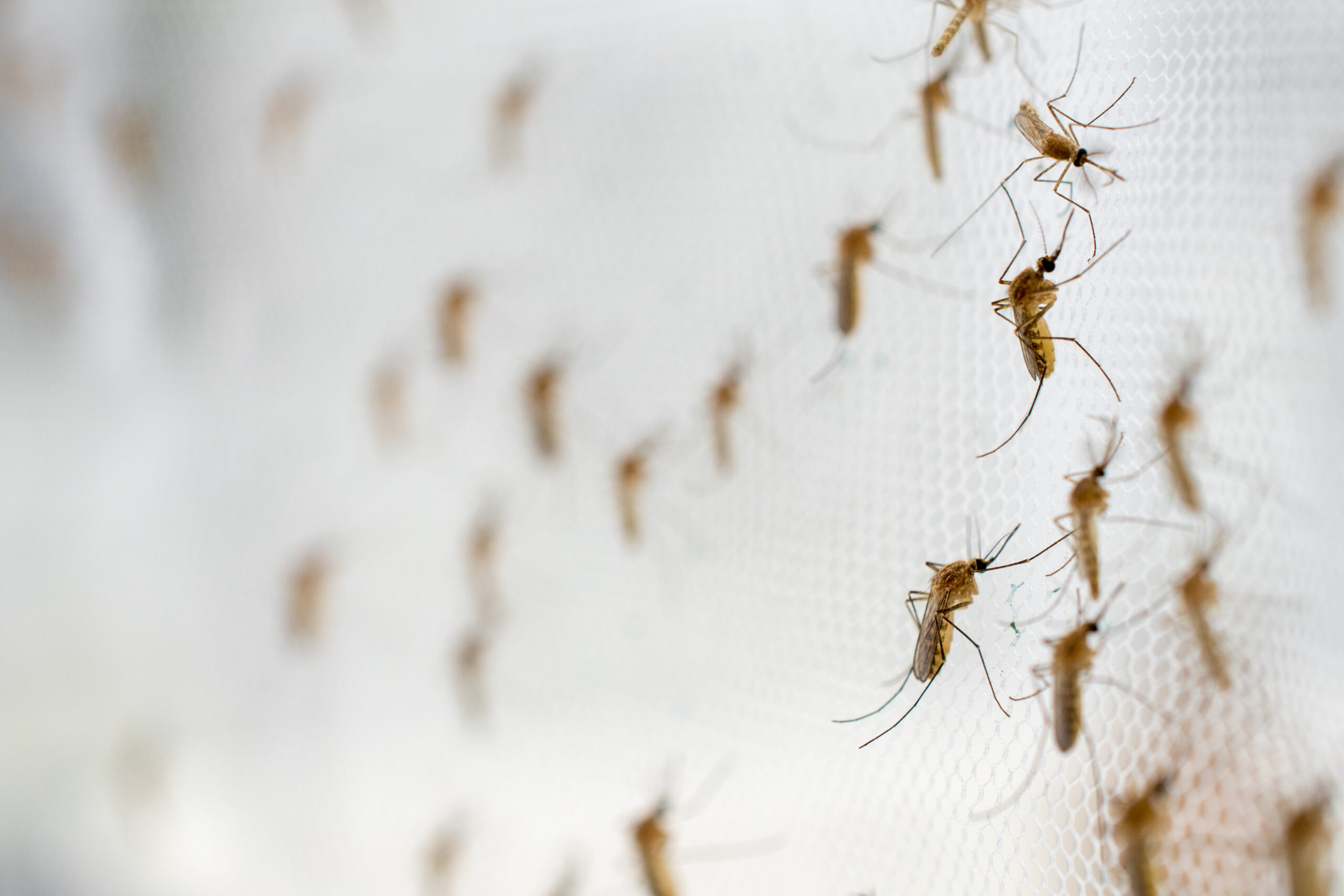
Mosquitoes are part of life in New Orleans, especially during long stretches of heat, humidity, and afternoon rainstorms. It does not take much water for mosquitoes to multiply, and once they settle into your backyard, spending time outside can become frustrating fast.
Many homeowners notice mosquito activity after heavy rain, but the problem often starts with small breeding spots that are easy to overlook. Gutters, flower pots, toys, birdbaths, and low areas in the lawn can all hold enough water to support mosquito activity around your home.
The good news is that a few consistent prevention habits can make a noticeable difference. Knowing when mosquitoes are becoming a larger problem also helps you decide when professional mosquito control may be the better long-term solution for your New Orleans backyard.
Why Mosquitoes Are So Common in New Orleans Backyards
New Orleans gives mosquitoes exactly what they need to thrive. Warm temperatures, high humidity, and frequent rainfall create nearly perfect breeding conditions for much of the year. In South Louisiana, mosquito season can start early in spring and continue well into fall.
Even small amounts of standing water can support mosquito development. After rain, water often collects in clogged gutters, plant trays, outdoor furniture covers, buckets, toys, and low spots around the lawn. Mosquitoes can complete their breeding cycle within days, which is why populations seem to explode so quickly after storms.
Backyards with thick vegetation also attract mosquitoes because shaded areas help them stay cool during the hottest parts of the day. Shrubs, overgrown landscaping, woodlines, and areas under decks often become resting spots where mosquitoes gather before becoming active again around dawn and dusk.
The Most Effective Mosquito Control Tips for New Orleans Homes
The most practical mosquito control tip is eliminating standing water whenever possible. Walk your backyard weekly and empty anything holding water, especially after rain. Flower pot trays, pet bowls, tarps, wheelbarrows, and toys are some of the most common breeding areas homeowners miss.
Keeping gutters clear also helps reduce mosquito activity around your home. Overflowing gutters allow water to sit for days, especially during the rainy season in Louisiana. Regular cleaning prevents water buildup and improves drainage around the exterior of the house.
Landscaping maintenance matters too. Mosquitoes rest in shaded, damp vegetation during the day, so trimming shrubs and reducing overgrowth can make your backyard less attractive to them. Improving airflow around patios and outdoor seating areas may also help reduce mosquito activity nearby.
Personal protection is still important, especially during peak mosquito hours around dawn and dusk. Wearing long sleeves and using a repellent containing DEET or picaridin can help reduce bites while spending time outside.
Signs Mosquitoes Are Breeding Around Your Backyard
One of the clearest signs of mosquito activity is seeing large numbers of mosquitoes after rain. If you notice swarms near shrubs, under patios, or around standing water, there is likely an active breeding site nearby.
Frequent bites during short periods outdoors are another strong indicator. In many New Orleans neighborhoods, homeowners notice mosquitoes becoming more aggressive during humid evenings when air movement is low. If mosquitoes are consistently chasing you indoors, the population around your backyard may already be established.
You may also notice mosquito larvae in standing water. These larvae often look like tiny moving worms near the surface of water containers. Birdbaths, buckets, clogged drains, and unused containers are common places to spot them.
Mosquitoes sometimes make their way indoors as well. Torn window screens, damaged door sweeps, and open garage doors can allow them inside, especially when mosquito pressure outdoors becomes heavier after rainfall.
Why DIY Mosquito Control Often Falls Short
Many homeowners try store-bought mosquito sprays, candles, traps, and foggers before calling a professional. Some of these products can reduce activity temporarily, but most do not address the source of the problem.
Mosquitoes reproduce quickly in New Orleans conditions. Missing even a few hidden breeding spots can allow populations to rebound within days. Backyard treatments also tend to lose effectiveness after heavy rain or high humidity.
Citronella candles and mosquito traps may help in small areas, but they rarely provide broad coverage across an entire backyard. Bug zappers are another common frustration because they kill many flying insects without significantly reducing mosquito populations.
DIY mosquito spraying can also create problems when products are overapplied around outdoor gathering spaces, patios, or areas where children and pets spend time. Homeowners often focus on killing adult mosquitoes while overlooking the standing water where mosquitoes continue breeding.
Professional Mosquito Control for New Orleans Backyards
Professional mosquito control works best when treatments target both adult mosquitoes and future breeding activity. At LaJaunie’s Pest Control, technicians inspect the property to identify conditions contributing to mosquito pressure around the home.
LaJaunie’s uses backpack fogging treatments with One Guard to reduce adult mosquito populations across outdoor areas where mosquitoes rest and feed. Treatments typically take about thirty minutes, depending on the size of the backyard.
For longer-term mosquito management, LaJaunie’s also uses the In2Care system. This system helps interrupt the mosquito breeding cycle by using biological sterilization technology that mosquitoes spread to nearby breeding areas themselves. The system continues working even after rainfall, which is especially important during rainy periods in South Louisiana.
Monthly mosquito service helps maintain coverage throughout the season. Combined with homeowner prevention efforts like removing standing water and maintaining the lawn, ongoing treatments help make outdoor spaces more comfortable during peak mosquito months.
Keeping Your New Orleans Backyard More Comfortable During Mosquito Season
Mosquito control in New Orleans starts with consistency. Regularly removing standing water, maintaining your outdoor areas, and protecting yourself during peak mosquito activity can help reduce the number of mosquitoes around your home.
Still, Louisiana’s climate creates constant mosquito pressure, especially during long periods of heat and rain. When mosquito activity continues despite your own efforts, professional mosquito control can provide broader coverage and more reliable long-term management for your backyard.
If mosquitoes are making it difficult to enjoy your outdoor spaces, LaJaunie’s Pest Control can help. Our team provides mosquito treatments throughout New Orleans and Southeast Louisiana with ongoing service plans designed for local conditions and long mosquito seasons.
FAQs
How often should I check my backyard for standing water?
Check your backyard at least once a week and after heavy rain. Mosquitoes can breed quickly in small amounts of water, so regular inspections help reduce active breeding spots around your home.
Do citronella candles help with mosquito control?
Citronella candles may help reduce mosquito activity in small areas temporarily, but they usually do not provide enough coverage for larger New Orleans backyards with ongoing mosquito pressure.
Why are mosquitoes worse after rain in Louisiana?
Rain creates new standing water where mosquitoes lay eggs. In Louisiana’s warm climate, mosquitoes can develop rapidly after storms, which is why mosquito activity often increases within days of rainfall.
What does professional mosquito control include?
LaJaunie’s mosquito service includes backpack fogging treatments, inspections for mosquito breeding conditions, and the In2Care system for longer-term mosquito population control around your property.