



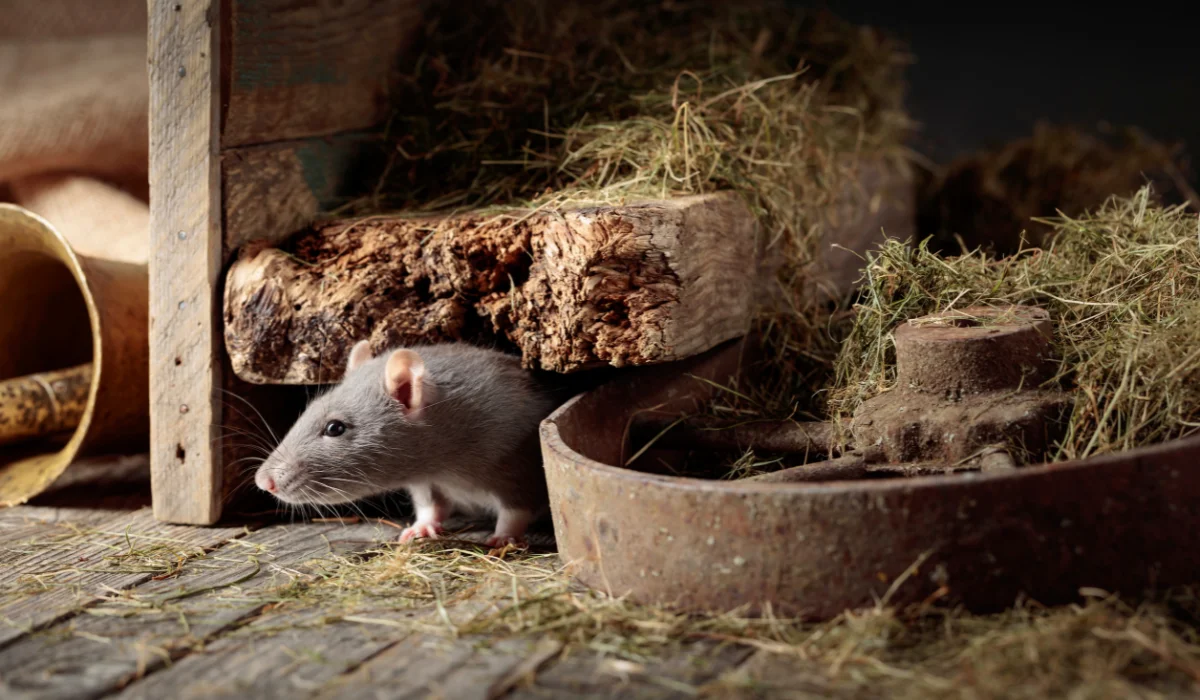
If you live in New Orleans, you may hear scratching inside a wall at some point. When rodents get inside a home, they rarely pass through. They settle in and quickly start building a nest.
A mouse nest forms when house mice find a safe spot, a food source, and soft nesting material. Because of this, a small problem can turn into an infestation before you notice.
This article explains what rodents use for nests in New Orleans, where they hide, and the signs to watch for. If you notice the signs early, you can stop nest building before the problem grows or decide when it is time to call rodent control in New Orleans.
Key Takeaways
- Rodents use soft nesting materials such as shredded paper, fabric, and insulation.
- House mice often hide in attics, walls, cabinets, garages, and basements.
- Droppings, night noises, and shredded piles are common signs of rodent nesting.
- Cut off the food source, reduce clutter, and seal gaps to prevent nest building.
- A professional rodent inspection can identify entry points, nesting activity, and conditions that allow rodents to spread inside your home.
Common Rodent Nesting Materials (and Why)
Rodents are not picky, but they are smart. They choose nesting material that is warm, easy to shred, and easy to carry.
Shredded Paper
Shredded paper is one of the most common nest-building materials found in New Orleans homes. A mouse nest often includes torn mail, paper bags, and napkins.
Paper packs down well, so it holds heat. It also helps hide the nest from view, which supports normal nest-building behavior.
Fabric, Towels, and Insulation
Rodents love soft materials like old towels, clothing, and insulation. When house mice pull fibers loose, they create bedding with little effort.
The soft materials rodents gather are similar to the bedding people buy for small animals like hamsters or guinea pigs to support their comfort and well-being. The difference is that wild rodents use these materials inside walls, attics, or storage bins.
Nesting Sheets, Nestlets, and Pet Supplies
Many homes store pet bedding in a garage or closet. Rodents will use nesting sheets and nestlets if they can reach them, especially when the packaging is torn or left open.
Manufacturers make these products easy to shred for pet enrichment. Because of this, they become useful nesting material for a mouse nest.
“Clean” Bedding Products Like Dust-Free Packs
Many pet stores sell dust-free bedding or liners. Rodents will still use it if they find it, even though pet companies make it to keep pets and people tidy.
Where Rodents Build Nests in and Around Homes
Rodents choose places that stay quiet and hidden. In New Orleans, this often means areas people rarely check.
Attics and Basements
Rodents often build nests in attics and sometimes in basements. Homes may also have rodents in crawl spaces, which provide another dark, undisturbed area for nest-building.
Once rodent nesting starts there, you may not notice it right away. You might only notice smells, noises, or droppings later.
Wall Voids and Cabinets
Walls, cabinets, and gaps under sinks are common nesting spots for house mice. These areas also place them near crumbs, pet food, and other easy food sources, which often happens after mice get into your house in New Orleans and find small openings around plumbing or cabinets.
A mouse nest behind a cabinet may stay hidden until you find chewed packaging, strange odors, or droppings in corners.
Garages, Sheds, and Outdoor Burrow Areas
Not every problem starts indoors. Rodents may dig a burrow near a slab edge, under a shed, or beside thick plants. A burrow can also form near stored clutter where rodents feel protected.
Signs You Have an Active Nest
Rodents leave clues, even when you never see them. The goal is to notice signs before a mouse nest grows.
Droppings in Key Areas
Droppings are among the clearest signs of rodent activity. Look near pantry shelves, behind appliances, in garages, and along wall edges.
Fresh droppings often mean recent rodent activity and may point to a nearby nest.
Noises at Night
Scratching, tapping, and quick scurrying sounds are common. You will often hear them after dark when the house is quiet.
If the sound repeats in the same spot, it may indicate a mouse nest in a wall, attic, or cabinet.
Shredded Piles and Chewed Storage
A mouse nest usually includes a tight pile of shredded paper, fabric, or insulation. You may also find chewed boxes, torn bags, and pulled-apart stuffing.
If you see this type of nesting material, take a closer look. Rodents rarely build nests without nearby activity.
How to Prevent Nesting Indoors
Rodent prevention works best when you focus on a few simple steps. The goal is to remove what rodents need to build a nest.
Lock Down Food and Trash
Start by cutting off the food source. Keep pantry items in hard containers, clean up crumbs, and do not leave pet food out overnight.
This step helps make your home less attractive to rodents and lowers the risk of an infestation.
Reduce Nesting Material and Clutter
Rodents use what you give them access to. Recycle cardboard quickly, store fabrics in sealed bins, and avoid leaving paper piles on the floor.
Even a closet with loose blankets can become a mouse nesting site once nesting behavior begins.
Seal Openings and Watch the Yard
Small gaps around pipes, doors, and siding are common entry points. Outside, keep shrubs trimmed and remove clutter that can hide a burrow, which helps when getting rid of rodents and preventing new nesting sites.
Book a Rodent Inspection in New Orleans
Rodents can build nests in hidden parts of a home and stay unnoticed for long periods. Once they settle in, they can damage insulation, stored items, and other materials around the property.
At LaJaunie’s Pest Control, we provide professional rodent control in New Orleans to help homeowners locate nesting areas and address rodent activity.
Contact us today to schedule a rodent inspection.
FAQs
What do rodents use most often for nests in New Orleans homes?
Most rodents use shredded paper, fabric, and insulation because these materials are easy to tear apart and carry. A mouse nest often includes whatever is closest, like paper towels, mail, or stored clothing.
Where should you check first if you suspect a mouse nest?
Check quiet areas first, like attics, basements, garages, cabinets under sinks, and behind kitchen appliances. Look for droppings, shredded nesting material, and chewed items near the same spot.
When should you call pest control for rodent nesting?
Call pest control if you see droppings, hear repeated scratching at night, or find signs of a mouse nest. Early service helps prevent an infestation and reduces the likelihood that rodents will spread to new areas.