

 Request your free quote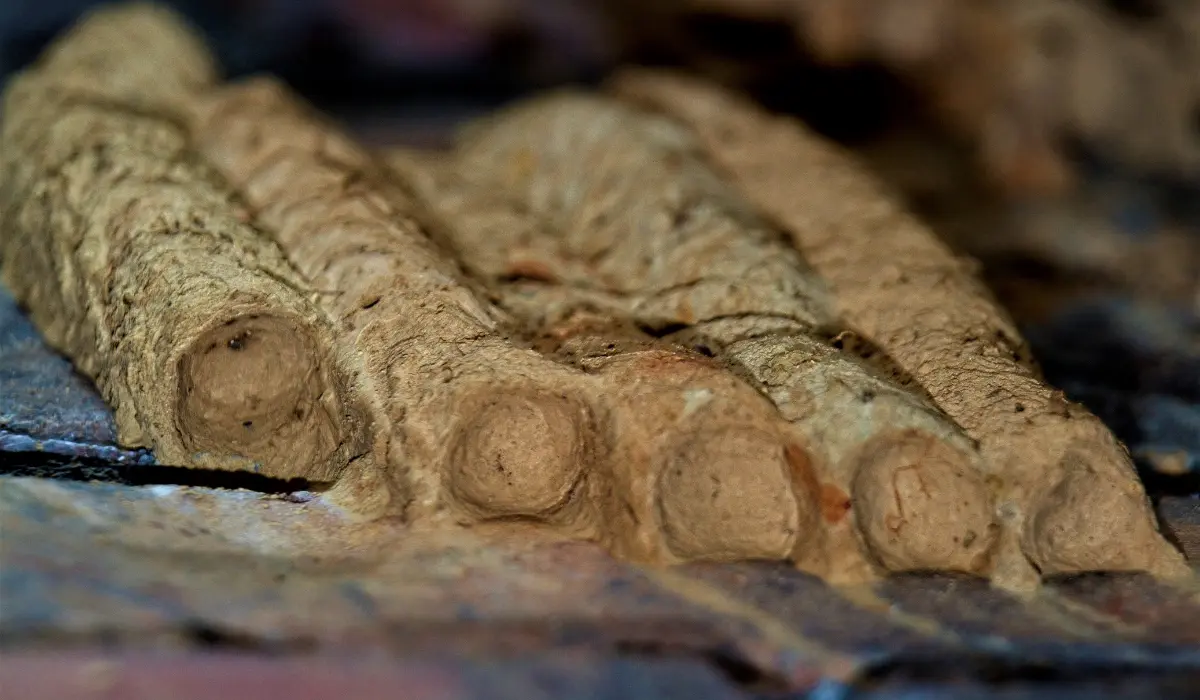
Spotting a mud dauber nest on your home can be surprising. Many Louisiana homeowners find mud nests under eaves, on stucco walls, or in sheltered areas such as garages and sheds.
Unlike yellow jackets or a paper wasp, mud dauber wasps are usually not aggressive. Still, you may wonder if you should remove the nest right away or call pest control in Louisiana.
Here’s what to do next if you find a mud dauber nest on your house.
Key Takeaways
- Mud dauber wasps are solitary and usually not aggressive.
- A mud dauber builds its nest from mud tubes, not paper.
- You can remove inactive mud nests with a scraper or putty knife.
- Soapy water can help reduce activity during removal.
- A licensed pest control company can remove the nest safely and help discourage future nesting.
What to Do First When You Find One
Before grabbing a scraper or spray bottle, take a moment to assess the situation carefully.
Stay calm and keep your distance
Mud dauber wasps are solitary wasps. They do not defend their nests in large groups like a hornet or paper wasp colony would. Most mud dauber wasps will only sting if handled directly.
If you see adult mud daubers flying near the nest site, give them space. Watch from a safe distance before deciding on nest removal.
Check if the nest is active
Look for signs of activity. An adult female mud dauber builds nests from mud tubes and seals them after laying eggs.
If you do not see adult mud daubers entering or leaving the mud dauber nest, it may be inactive. Old mud nests are often empty after larvae develop into pupae and emerge.
Avoid disturbing it right away
Do not knock down the nest immediately. Sudden movement may trigger a defensive response.
If you plan to do the removal yourself, wait until the evening, when activity is lower. Wear long sleeves and gloves for protection.
Confirm It’s a Mud Dauber Nest
Proper identification helps you avoid treating a harmless mud nest like a more aggressive wasp problem.
Look at the shape
Mud daubers build their nests from narrow mud tubes. Some look like small organ pipes. Organ pipe mud daubers create several tube-shaped chambers side by side.
A wasp nest from a paper wasp looks papery and open, not made of mud. Yellow jackets and hornet nests are usually round and enclosed.
Check the location
Mud dauber wasps prefer sheltered areas. You may find mud nests under eaves, inside garages, on stucco walls, or along porch ceilings.
They often build nests in protected nesting areas where rain will not wash the mud away.
Look for spiders nearby
Mud daubers hunt spiders as a food source for their larvae. You may notice black widows or other spiders nearby.
The adult female paralyzes spiders and places them inside the mud tubes. The larvae feed on this food source as they develop into pupae.
Safe Removal Options (and What to Avoid)
How you remove it depends on whether the nest is active and where it’s attached to your home.
Removing an inactive nest
If the mud dauber nest is inactive, removal is usually simple. Use a scraper or a putty knife to remove the dried mud tubes gently.
A stiff scraper works well on brick or stucco. Clean the area afterward with soapy water using a spray bottle.
Removing an active nest
If adult mud daubers are still present, be cautious. Wear long sleeves and gloves. Wait until dusk when activity slows.
You can spray the nest lightly with soapy water to reduce movement before removal. Avoid heavy use of products unless necessary. Mud daubers are generally less aggressive than other types of wasps.
What to avoid
Do not treat a mud dauber nest like a large wasp nest from yellow jackets. Aggressive spraying may not be needed.
Avoid knocking the nest down without protective clothing. Also, avoid harsh chemicals that may stain stucco surfaces.
If you are unsure, professional pest control is the safest option.
How to Prevent New Nests on Your House
Prevention focuses on making your home less attractive for future nesting.
Seal small crevices
Mud daubers look for cracks and crevices to use as nesting sites. Sealing gaps around windows, siding, and rooflines reduces potential nest sites.
Caulk small openings to make sheltered areas less attractive.
Reduce spider populations
Since spiders are their main food source, reducing spider activity can help eliminate mud daubers in the long term.
Routine pest control can reduce spiders and make your home less attractive to mud daubers.
Wash surfaces regularly
Rinse porch ceilings and eaves with water to remove early mud buildup. Fresh mud tubes are easier to remove before they harden.
Routine cleaning discourages the formation of new nests.
Use natural deterrents carefully
Some homeowners try peppermint mixtures as a repellent. While peppermint may discourage some insects, results vary.
If you use a spray bottle with diluted peppermint oil, test it on a small area first to avoid staining.
Schedule seasonal inspections
Mud daubers are most active in warmer months. A routine pest control service helps identify nesting areas early before they become a bigger problem.
Professional wasp treatment helps remove the nest safely and reduces the chance of new activity.
Schedule a Nest Inspection and Removal
While mud dauber wasps are not as aggressive as hornets or yellow jackets, nests can still be a nuisance. Over time, repeated nesting can leave stains or buildup on walls and ceilings.
At LaJaunie’s Pest Control, we provide safe and effective pest control services throughout southeast Louisiana. Our trained team can inspect the nest site, determine if it is active, and handle nest removal properly.
If you are dealing with mud daubers, spiders, or other types of wasps around your home or business, we are here to help.
Contact us today to schedule an inspection or ask about safe mud dauber removal.
FAQs
Are mud dauber wasps dangerous?
Mud daubers are not highly aggressive. They rarely sting unless directly handled. However, you should still use caution during nest removal.
Can I remove a mud dauber nest myself?
Yes, if the nest is inactive. Use protective clothing and a scraper. For active nests, professional pest control may be safer.
Will mud daubers return after removal?
They may build new nests in the same sheltered areas if conditions remain favorable. Regular inspections and sealing crevices help prevent new nests.