


 Request your free quote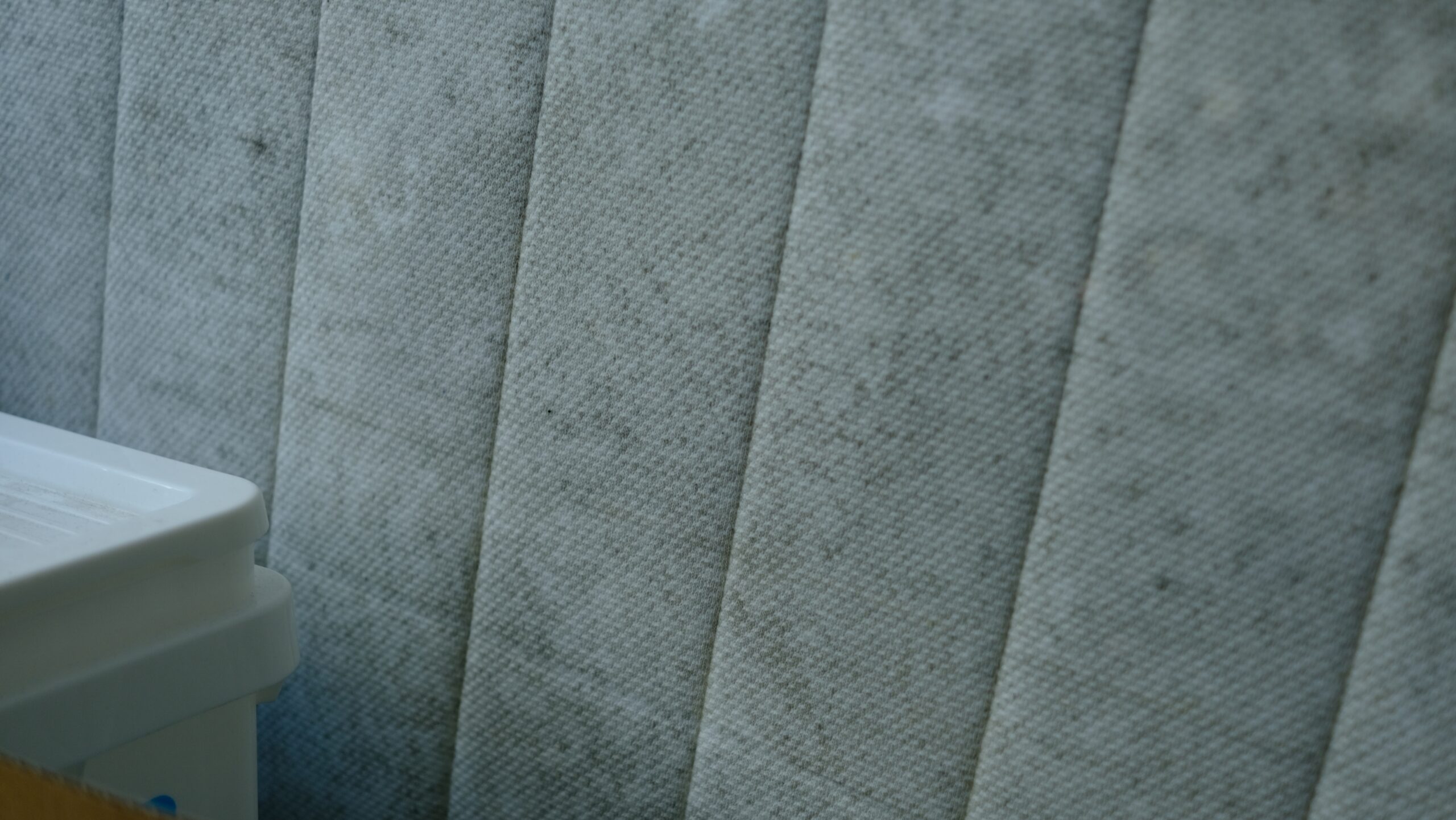
Signs of bed bugs in a headboard in New Orleans often start with small clues around the bed. Many homeowners first notice itchy bites after sleeping, tiny blood spots on pillowcases, or dark staining near mattress seams and the headboard itself. In some cases, the problem may seem limited to the bed at first, only for signs to start appearing in nearby furniture and other rooms later on.
Headboards give bed bugs narrow, protected hiding spaces close to where people sleep. Upholstered headboards, wooden joints, screw holes, wall-mounted frames, and cracks behind the bed can all allow bed bugs to stay hidden during the day while remaining close to a food source at night.
In New Orleans homes and apartments, bed bugs may spread through luggage, secondhand furniture, shared walls, laundry areas, or overnight guests. Checking the bed frame, mattress and box spring, nearby furniture, and surrounding cracks early can help limit how far the infestation spreads and make treatment easier to manage.
Key Takeaways for Bed Bugs in Headboards
- Headboards are one of the most common hiding places for bed bugs because they stay close to sleeping areas.
- Bed bugs may hide in screw holes, mattress seams, upholstered headboards, cracks, and small spaces near the bed.
- Signs of bed bug activity may include shed skins, reddish-brown stains, pale yellow eggs, bedbug bites, and dark spotting near the bed frame.
- Mattress and box spring encasements, clutter reduction, and inspections may help prevent bed bugs from spreading further.
- Pest control companies often use inspections, heat treatment, liquid applications, and follow-up visits to help get rid of bed bugs.
How to Identify Bed Bugs in Your Headboard
Headboards are one of the first places homeowners check when bed bug bites keep appearing overnight. Because bed bugs stay close to sleeping hosts, the seams, joints, and recessed hardware inside a headboard give them protected hiding places during the day.
How to Recognize Bed Bugs in Your Headboard
Adult bed bugs are reddish-brown, oval-shaped, and roughly the size of an apple seed. Younger bed bugs, called nymphs, start out pale yellow or creamy white before darkening as they mature. According to the University of Minnesota Extension, bed bug eggs are white, oval, and commonly hidden in cracks and crevices.
When checking a headboard, homeowners often find activity tucked into screw holes, fabric seams, wooden joints, or narrow gaps behind the bed. A flashlight and magnifying glass can make smaller signs easier to spot, especially in darker areas around mounted headboards or upholstered surfaces.
How to Spot Bed Bug Activity Around Your Bed Frame
Many people first notice signs near mattress seams, pillows, or the bed frame itself before ever seeing a live bug. Small blood spots, dark staining, shed skins, and egg casings may collect near the headboard or mattress and box spring over time.
Bed bugs may also spread into nearby nightstands, picture frames, electrical outlets, and upholstered furniture close to the bed. As infestations grow, the bugs often stay hidden during the day and come out only after people fall asleep.
Where Bed Bugs Hide Near Your Headboard
Bed bugs prefer tight, protected spaces that keep them close to sleeping areas. Wooden joints, mounted headboards, fabric folds, and screw holes can all become hiding places once bugs settle into the room.
Upholstered headboards may give bed bugs even more places to hide because seams, padding, and folds create narrow sheltered spaces. According to Kansas State University Extension, bed bugs are commonly found near beds, mattress seams, bed frames, and nearby furniture where people rest or sleep.
How Bed Bugs Get Into Your Bedroom
Many infestations begin quietly after travel, overnight guests, moving furniture, or bringing secondhand items into the home. Homeowners often do not realize bed bugs came inside until bites begin appearing several days later.
In apartment buildings and multi-unit housing around New Orleans, bed bugs may also spread through shared laundry rooms, neighboring units, wall voids, and common storage areas.
Why Bed Bug Problems Develop in Your Headboard
Bed bugs look for dark, protected hiding places close to sleeping hosts. Since headboards sit directly beside the bed, they give bed bugs shelter while keeping them close to where people sleep each night.
Why Headboards Attract Bed Bugs
Bed bugs feed on blood and stay close to sleeping areas where hosts remain still for long periods. Cracks, seams, and joints inside a headboard allow bugs to hide during the day before becoming active at night.
Research from Texas A&M AgriLife Extension notes that bed bugs are not linked to poor hygiene and can appear in both clean and cluttered homes.
How Clutter Gives Bed Bugs More Hiding Places
Stacks of clothing, books, storage bins, and loose items near the bed can give bed bugs more places to spread beyond the headboard. As infestations grow, bugs may move farther into nearby furniture, wall gaps, and surrounding rooms.
Reducing clutter around sleeping areas can make inspections easier and may help limit additional hiding places during treatment.
How Bed Bugs Spread Beyond the Headboard
Once bed bugs settle near the bed, they may spread into mattress and box spring seams, electrical outlets, baseboards, upholstered furniture, and nearby chairs.
According to Purdue Extension, bed bugs often move between beds and nearby furniture, which is one reason interceptor traps placed beneath furniture legs may help monitor activity.
Where Bed Bugs Travel Inside Bedrooms
Bed bugs move through cracks, crevices, wall voids, and gaps around furniture while staying close to sleeping areas whenever possible. Mounted headboards may leave narrow spaces between the wall and furniture that bed bugs use as hiding areas.
Inspecting mattress seams, bed frames, nearby furniture, and wall gaps after travel or overnight guests may help spot activity earlier before infestations spread farther into the home.
Health and Property Risks From Bed Bugs
Bed bugs hiding in your headboard create more than an uncomfortable sleeping situation. As infestations spread, bites, staining, disrupted sleep, and stress inside the home often become more noticeable.
How Bed Bug Bites Affect People
Bed bug bites may appear hours or even days after feeding. Some people develop itchy welts or clusters of red bumps, while others show little visible reaction.
Research from UC IPM notes that mattress and box spring encasements may help prevent bed bugs from reaching sleeping hosts while trapping bugs already inside.
Repeated scratching from bed bug bites may also irritate the skin further or contribute to secondary irritation in some people.
How Bed Bugs Spread to Other Furniture
Bed bugs rarely stay limited to one piece of furniture once populations grow. Activity that begins inside a headboard may eventually spread into upholstered furniture, curtains, nearby chairs, storage bins, and surrounding rooms.
Dark spotting, shed skins, and blood stains may also appear on bedding, mattresses, upholstered surfaces, and nearby furniture over time.
Why Bed Bugs Are Not Linked to Kitchens
Unlike ants or cockroaches, bed bugs are not attracted to crumbs or kitchen food sources. They feed on blood and usually stay close to sleeping or resting areas instead.
That is why even clean homes can still develop a bed bug infestation after travel, visitors, secondhand furniture, or shared living situations.
When to Inspect Your Headboard for Bed Bugs
If bites continue appearing overnight or you notice reddish-brown stains near pillows or sheets, inspecting the headboard and surrounding bed frame early may help catch activity before it spreads farther.
Using a flashlight to check mattress seams, furniture joints, cracks, and crevices may help reveal bed bugs hiding near sleeping areas. :contentReference[oaicite:0]{index=0}
Professional Pest Control for Bed Bugs in Your Headboard
Getting rid of bed bugs often requires more than washing bedding or spraying visible areas. Because bed bugs hide deep inside small spaces, treatment plans usually combine inspections, preparation steps, targeted applications, and follow-up visits.
How to Reduce Bed Bug Hiding Places
Reducing clutter around the bed may help limit hiding places for bed bugs while making inspections easier. Mattress and box spring encasements may also help trap bugs already inside while limiting new hiding areas.
Vacuuming around the headboard, bed frame, mattress seams, and nearby furniture may help reduce visible activity near sleeping areas. Washing bedding and nearby fabrics using hot wash and dry cycles may also support treatment efforts.
According to Oregon State University Solve Pest Problems, these steps may help support treatment efforts, but they usually do not eliminate a bed bug infestation on their own.
Why Bed Bug Inspections Matter Before Treatment
LaJaunie’s begins the process with a consultation from state-certified inspectors who confirm whether bed bugs are the source of the problem and identify where activity is concentrated throughout the room.
Inspections often include the headboard, bed frame, mattress and box spring, side tables, electrical outlets, upholstered furniture, and nearby cracks or crevices where bugs may hide.
What Happens During Bed Bug Treatment
Treatment plans may include liquid applications, aerosols, heat treatment, dust applications, and follow-up visits depending on the level of activity inside the home.
According to the University of Minnesota Extension, heat treatment methods may involve maintaining temperatures high enough to kill bed bugs inside treated spaces.
LaJaunie’s technicians treat molding, cracks, crevices, bed frames, mattress seams, headboards, and nearby furniture while working carefully through affected areas.
What to Expect Before and After Bed Bug Treatment
Before treatment begins, homeowners receive preparation instructions that include washing bedding and clothing using hot wash and dry cycles. Clean items should then be sealed in plastic bags or airtight containers until treatment is complete.
Loose items are usually removed from floors, sleeping areas, and nearby furniture to improve access during inspections and treatment. Furniture should not be moved between rooms unless wrapped carefully to help prevent bed bugs from spreading farther through the home.
LaJaunie’s whole-home bed bug services include a complimentary follow-up visit and a 90-day money-back guarantee. :contentReference[oaicite:1]{index=1}
Making the Right Choice for Bed Bug Control
Finding signs of bed bugs in a headboard in New Orleans can feel stressful, especially when bites continue appearing and the source stays hidden during the day. Catching activity early and checking mattress seams, bed frames, upholstered furniture, and nearby hiding places may help limit how far the infestation spreads.
Reducing clutter, washing bedding on high heat, and using mattress and box spring encasements may support the treatment process. Still, bed bugs often remain hidden deep inside cracks, seams, and furniture where DIY efforts may miss them.
If you suspect bed bugs around your bed or sleeping areas, LaJaunie’s Pest Control provides bed bug inspections and treatment services across Southeast Louisiana. You can also contact the team here to schedule a consultation or request a quote.
Bed Bugs in Your Headboard: FAQs
Headboards give bed bugs tight, dark hiding places close to sleeping hosts. Cracks, joints, seams, and upholstered surfaces provide shelter during the day while keeping bugs near the bed at night.
Use a flashlight and magnifying glass to inspect seams, joints, screw holes, upholstered folds, and cracks around the headboard and bed frame. Look for shed skins, reddish-brown staining, pale yellow eggs, or live bed bugs.
Wash bedding and clothing using hot wash and dry cycles, then store clean items in sealed plastic bags or airtight containers. Remove loose items from floors and sleeping areas to improve access for inspections and treatment.
Bed bug treatment often includes inspections, liquid applications, heat treatment, dust applications, and follow-up visits. Technicians may treat bed frames, mattress seams, headboards, upholstered furniture, cracks, and crevices where bed bugs hide.