

 Request your free quote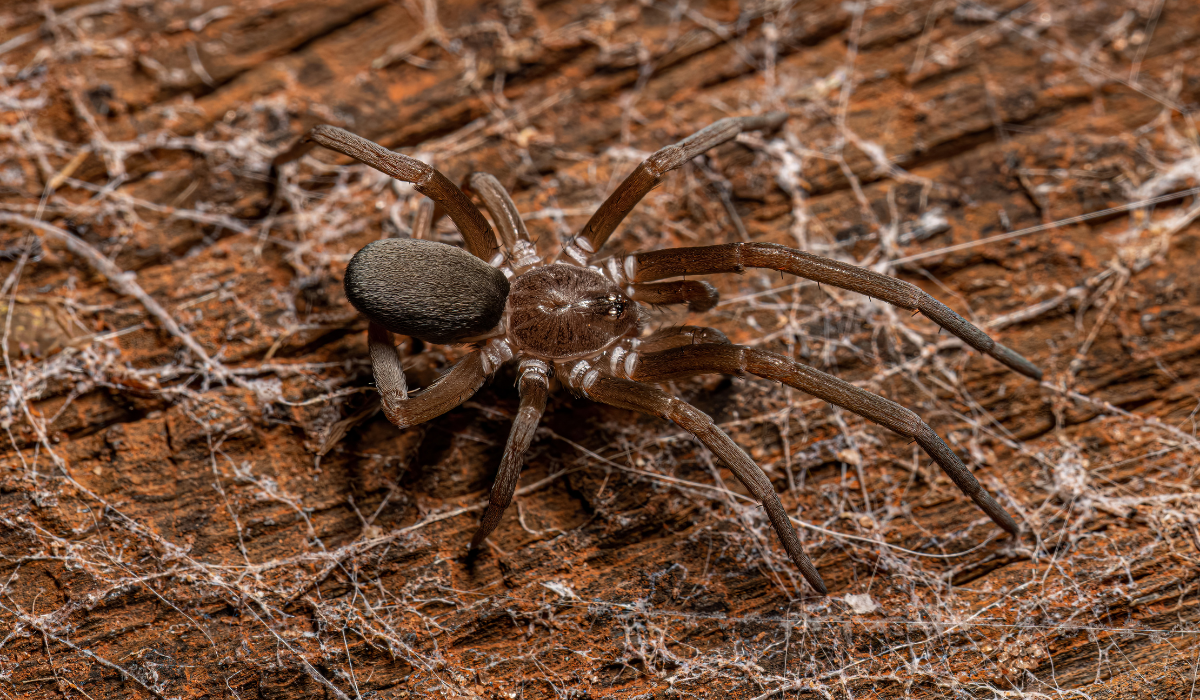
If you have spotted a big brown spider crawling across your wall, you might wonder if it is a brown recluse. Many Louisiana homeowners think that, but most of the time, it is a southern house spider.
The southern house spider, or Kukulcania hibernalis, looks intimidating, but it is harmless. It is considered a common spider species in the South, including Louisiana, Texas, and Georgia, and homeowners frequently see it in older homes across these states. They belong to the Filistatidae family, also called crevice weavers, because they live in small cracks around doors and windows.
When you know how to identify this spider, you can stay calm and decide if you need professional spider control in Louisiana. Here is how to tell them apart, where they hide, and what to do if you see more than one.
Key Takeaways
- The southern house spider is a large, harmless spider.
- It is often mistaken for brown recluse spiders or black widows, but they are very different.
- These crevice weavers prefer quiet spots in walls, garages, and porches.
- Frequent sightings may signal insect problems or small infestations.
- LaJaunie’s Pest Control offers safe and effective spider control throughout southeast Louisiana, including Baton Rouge, Thibodaux, Houma, Metairie, and nearby communities.
Step 1: Make Sure It’s a Southern House Spider
Before you panic, take a close look at what you are seeing.
Body and Legs
A southern house spider is about three-quarters of an inch long. Their long legs make them look even larger. Females are darker brown, while males are tan and slimmer.
Cephalothorax and Pedipalps
Look closely at the cephalothorax, the section where the head and body meet. This hard plate gives them a sturdy look and helps protect them. Males have thick, short pedipalps that look like small antennae. These are not fangs and cannot hurt you. Southern house spiders have eight eyes, while brown recluse spiders have six.
Webs and Behavior
As crevice weavers, these spiders build messy, funnel-shaped webs inside cracks and around corners. You will often see webs near doors, windows, and garages. Females hide inside the web during the day, while males wander at night searching for mates.
Step 2: Rule Out the Lookalikes
Many spiders in Louisiana can look similar, but a few clues can help you identify what you are seeing.
Brown Recluse
The brown recluse (Loxosceles reclusa) has a dark violin-shaped mark on its back. They also have six eyes instead of eight. Brown recluse spiders are reported less frequently in southern Louisiana than in parts of Texas and Georgia. Brown recluses like dark areas such as attics, closets, and basements.
Black Widow
The black widow (Latrodectus mactans) is easy to spot. It has a shiny black body and a red hourglass marking on the belly. Their webs are strong and sticky, often found in sheds or cluttered garages. A black widow bite can cause muscle pain and other symptoms, but these spiders usually avoid contact with people.
Jumping Spider
A jumping spider is small, active during the day, and quick. It has short legs and large, forward-facing eyes. Southern house spiders are slower and less curious. They stay close to their webs instead of leaping around like jumpers.
Step 3: Why You’re Seeing Them
Seeing one spider is not a reason to worry, but if you see several, it helps to understand what attracts spiders to your home and why they are sticking around.
Seasonal Activity
Southern house spiders stay active all year in Louisiana’s mild climate. You may see more in spring and fall when males search for females.
Food Source
These spiders eat small insects like flies, beetles, and ants. A sudden increase in spiders often means you have more bugs in your home. Regular pest control in Louisiana helps reduce insect activity and can limit spider infestations over time.
Signs of Nesting
Look for small, round egg sacs in webs or corners. Each egg sac can contain multiple spiderlings, and the number can vary. If you see more webs forming after cleaning, a female may be nesting nearby. Call for spider control services or inspection before the problem grows into a full infestation.
Step 4: Know Their Favorite Hiding Spots
Southern house spiders love quiet, warm spaces that stay dry and hidden.
Garages and Basements
They often live in garages or basements, where there is little activity and plenty of insects to eat. Look behind boxes, under shelves, and near stored tools.
Attics and Crawl Spaces
They prefer dry, dark areas, like attics and crawl spaces, similar to small tarantulas. Louisiana’s climate provides perfect year-round shelter for these arachnids.
Windows, Doors, and Rooflines
As crevice weavers, southern house spiders slip through tiny cracks around windows, doors, and eaves. Seal gaps with caulk, fix screens, and keep outside lights away from entry points to reduce spider traffic.
Step 5: Why People Confuse Them With Brown Recluses
The brown recluse has a scary reputation, and its name alone makes people nervous. But true brown recluse spiders are uncommon in Louisiana.
Southern house spiders look similar because both are brown and have flat bodies. However, they behave differently. Southern house spiders are more likely to be seen out in the open, while recluses stay hidden.
Many homeowners ask, “Are southern house spiders poisonous?” Spider bites from the southern house spider are uncommon and are typically mild when they occur. Their venom does not cause the severe skin damage linked to brown recluse bites. Most bites, if they happen, are mild.
If you are unsure about the type of spider, our trained exterminators can identify the species and recommend safe, family-friendly treatment.
Step 6: When to Call a Spider Control Expert
If webs keep returning or you are not sure what you are seeing, it is time to bring in professionals.
At LaJaunie’s Pest Control, our licensed exterminators provide spider control and spider removal throughout southeast Louisiana, including Baton Rouge, Thibodaux, Houma, Metairie, and surrounding service areas. Our Healthy Home Package protects against spiders, ants, non-German roaches, rodents, and other common household pests.
Our technicians are certified by the Louisiana Department of Agriculture and use professional products and tested treatment methods. We apply our pest control treatments according to label directions to help keep families and pets safe. We also offer same-day service and a retreat guarantee to keep your home protected.
Making the Right Choice for Your Louisiana Home
Seeing a large spider on your wall can be unsettling, especially when it resembles something more dangerous. Knowing how to identify a southern house spider helps you respond appropriately rather than react out of fear. Accurate identification protects your home and prevents unnecessary worry.
If spiders keep showing up or you want a professional opinion, our team at LaJaunie’s Pest Control can inspect your home and recommend a treatment plan that fits your needs.
Contact us today to schedule your inspection and get expert guidance for your home.
FAQs
How can I tell if it’s a southern house spider or a brown recluse?
Southern house spiders have eight eyes and no violin mark. Brown recluses have six eyes and a violin marking on their back.
Are southern house spiders dangerous?
No. Southern house spiders rarely bite, and their venom does not harm human skin or pets.
Can pest control remove spiders permanently?
No pest stays gone forever, but professional pest control in Louisiana reduces pest populations and prevents new infestations. For lasting results, schedule regular visits from LaJaunie’s Pest Control.