


 Request your free quote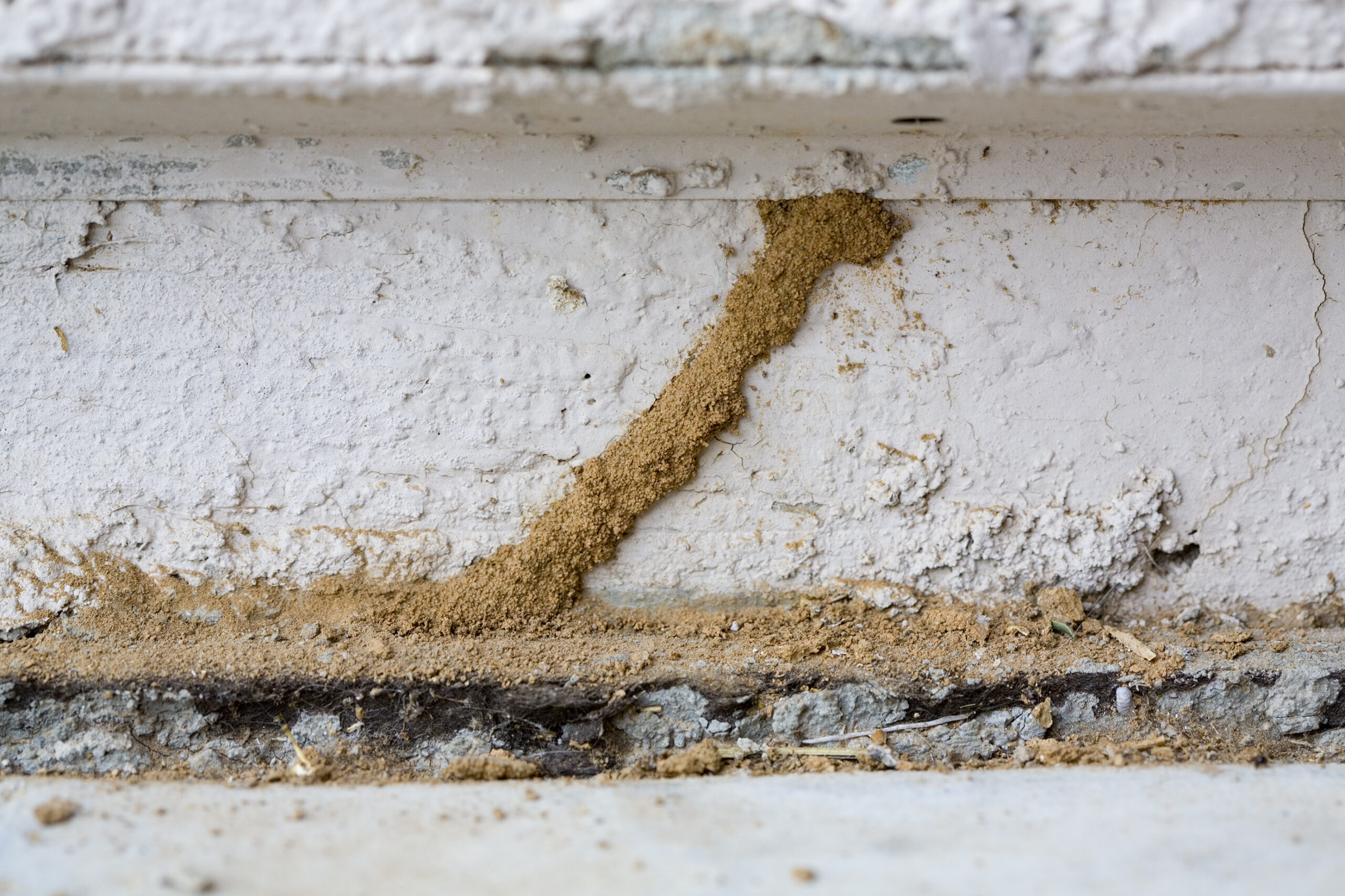
Subterranean termites are one of the most destructive pests affecting Louisiana homes. Because these termites live underground and travel inside wood or mud tubes, damage often develops long before homeowners notice visible warning signs.
Many infestations begin around moisture-prone areas where termites can move from the soil into structural wood without being seen. Over time, feeding activity may weaken flooring, framing, support beams, trim, and other structural materials throughout the home.
Knowing the most common subterranean termite warning signs can help Louisiana homeowners spot activity earlier and reduce the risk of serious structural damage. Early inspections and professional termite treatment remain some of the best ways to protect a home from long-term problems.
How to Identify Subterranean Termite Warning Signs
Subterranean termites leave behind several warning signs that help distinguish them from other wood-destroying pests. One of the most common signs is mud tubes appearing along foundation walls, crawl spaces, piers, or other structural surfaces.
Mud tubes protect termites from dry air while they travel between the soil and the wood they consume. These narrow tubes often appear near areas with excess moisture or direct soil contact.
Homeowners may also notice wood that sounds hollow, feels soft, or breaks apart easily. Subterranean termites feed inside wood first, often leaving behind a thin outer layer that still looks intact from the outside.
Discarded wings near windows, doors, baseboards, or countertops may also point to termite swarm activity nearby. Swarmers usually appear during warmer months when mature colonies produce new reproductives.
Where Subterranean Termite Activity Appears
Because subterranean termites live in the soil, activity usually develops in lower portions of the home where wood and moisture remain accessible. Crawl spaces, foundations, garages, porches, utility rooms, and wooden siding are all common areas for termite activity.
Bathrooms, kitchens, and laundry rooms may also attract termites because leaking plumbing and excess moisture create favorable conditions for colonies.
Subterranean termite swarmers are black to caramel colored and often appear near windows, doors, or light sources during swarm season.
Homeowners may also find dried mud, damaged trim, bubbling paint, sagging floors, or weakened wood around structural areas where termites have remained active over time.
Why Subterranean Termite Problems Develop
Louisiana’s warm humid climate creates ideal conditions for subterranean termites throughout much of the year. Moisture around foundations, leaking pipes, poor drainage, and wood-to-soil contact all increase the risk of infestations.
Outdoor wood piles, tree stumps, mulch beds, damaged fencing, and untreated wooden structures near the home may also support nearby termite colonies.
Subterranean termite colonies follow moisture through the soil while searching for food sources. Colonies may contain thousands or even millions of termites depending on the species and age of the infestation.
Louisiana homeowners may also encounter Formosan subterranean termites, an aggressive invasive species capable of forming large colonies and causing extensive structural damage when left untreated.
Structural Risks Linked to Subterranean Termites
Subterranean termites feed on wood and other cellulose materials found throughout the home. Over time, this feeding weakens structural supports, flooring systems, framing, trim, walls, and other wooden components.
Because termites work quietly inside walls and beneath floors, infestations often continue unnoticed until visible structural problems appear. Some homes develop sagging floors, sticking doors, cracked trim, or weakened support areas after long-term activity.
Termite damage may also affect home sales, refinancing, and inspection reports tied to real estate transactions.
Repair costs often increase significantly when termite colonies remain active for extended periods before treatment begins.
Why Professional Termite Inspections Matter
Many warning signs of subterranean termites remain hidden behind walls, beneath flooring, or inside structural wood. Professional inspections help identify termite activity before larger structural problems develop.
At LaJaunie’s Pest Control, technicians inspect foundations, crawl spaces, attics, exterior wood, moisture-prone areas, and other locations where subterranean termites commonly travel and feed.
Professional termite inspections also help determine whether activity is active, previously treated, or related to another wood-destroying pest.
Early inspections often give homeowners more treatment options before infestations spread further into the structure.
Professional Treatment for Subterranean Termites
Treating subterranean termites requires a licensed pest control professional. DIY treatments often fail to eliminate the entire termite colony hidden beneath the structure or surrounding soil.
LaJaunie’s Pest Control offers both liquid barrier treatments and the Trelona Advanced Termite Bait System for subterranean termite infestations. Bait stations are installed around the home to target worker termites moving between the colony and the structure.
Liquid termite treatment involves trenching around the foundation to create a treated barrier that helps stop termite movement into the home.
After treatment, ongoing monitoring and annual inspections help detect new colonies and reduce the risk of future termite activity around Louisiana homes.
Protecting Louisiana Homes From Subterranean Termites
Reducing moisture around the home is one of the most effective ways to help lower termite risk. Repair leaks, improve drainage, clean gutters, and avoid direct wood-to-soil contact whenever possible.
Checking foundations, crawl spaces, and lower structural areas regularly may also help homeowners spot mud tubes, swarmers, discarded wings, or damaged wood earlier.
If you notice warning signs of subterranean termites around your property, the team at LaJaunie’s Pest Control can help. We provide termite inspections, termite treatment, baiting systems, and ongoing monitoring throughout Southeast Louisiana.
To schedule a termite inspection or request more information, contact LaJaunie’s Pest Control today.
Frequently Asked Questions About Subterranean Termites
Mud tubes, discarded wings, hollow wood, swarmers, bubbling paint, sagging floors, and damaged trim are some of the most common warning signs homeowners notice.
Subterranean termite swarmers are usually black to caramel colored with straight antennae, thick waists, and two pairs of equal-length wings.
Most DIY termite treatments fail to eliminate the entire colony. Professional termite treatment is usually needed to address subterranean infestations properly.
LaJaunie’s offers liquid barrier treatments and the Trelona Advanced Termite Bait System along with ongoing termite monitoring and annual inspections.