



Buying a home in Baton Rouge is exciting, but termites often come up during the home-buying process. South Louisiana’s warm, humid climate makes termite activity common, so a termite inspection is a standard step in many real estate transactions.
Before you finalize a purchase, lenders, realtors, and home inspectors often request a wood-destroying insect report. A professional termite inspection determines whether termite activity, damage, or risk factors are present in the structure.
For home buyers, the inspection helps protect your investment. Discovering termite damage early allows you to negotiate repairs, request treatment, or look into termite control in Baton Rouge before moving forward.
Key Takeaways
- A termite inspection checks for termite activity, damage, and risk factors in key areas of the property.
- Many lenders require a wood-destroying insect report before approving FHA or VA loans.
- The inspection report explains the property’s condition and whether treatment or repairs are needed.
- If inspectors find termite problems, buyers have options, including treatment, repairs, or renegotiation.
What a Buyer Termite Inspection Includes
Termite control targets areas where wood-destroying insects live, travel, and cause damage. Pest inspections for real estate transactions follow a structured process so the termite inspector can check accessible areas of the property.
In Baton Rouge homes, termites often travel through soil, foundations, and hidden voids before reaching wooden structures. Because termites often hide their activity, inspectors focus on key structural areas where signs of infestation are most likely to appear.
Exterior Foundation and Structural Areas
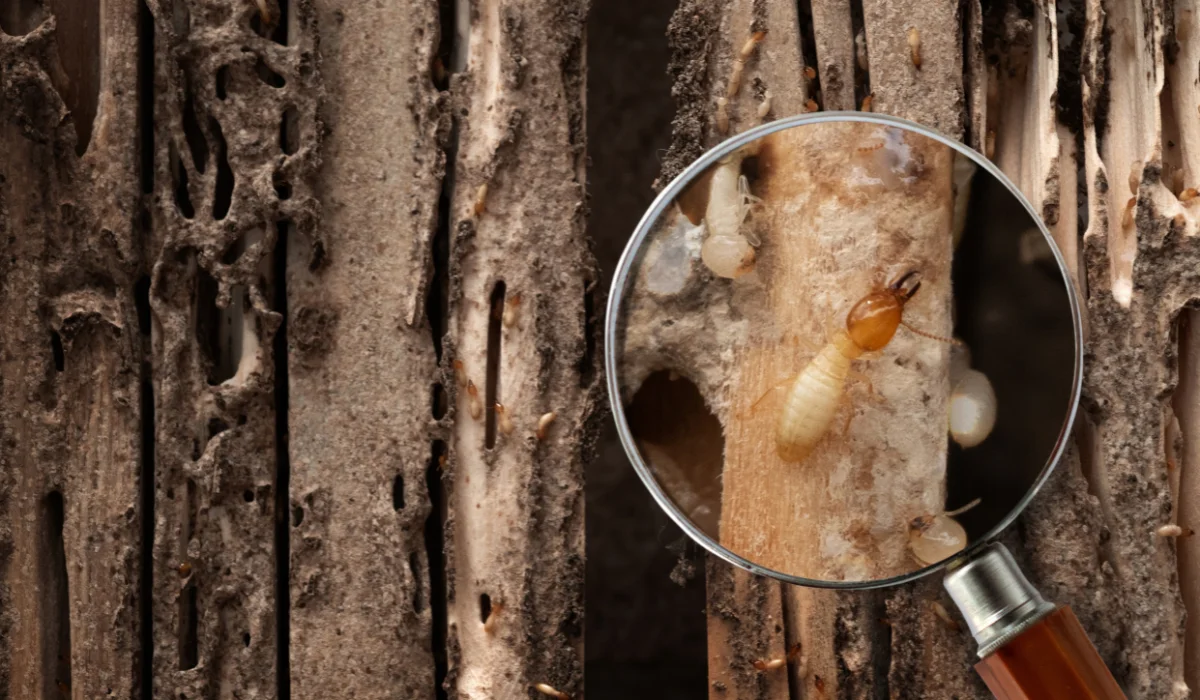
A termite inspector checks the foundation, siding, and exterior wooden structures for signs of termite activity, such as mud tubes, damaged wood, or evidence of swarming.
Subterranean termites, which are common in Louisiana, build mud tubes to travel from the soil into homes. Inspectors also look for moisture that can increase the risk of infestation.
Crawl Spaces and Subfloor Areas
In Baton Rouge, many homes have crawl spaces or raised foundations, which allow easy access to wood and moisture.
During the inspection, technicians check floor joists, support beams, and other structural parts for termite activity, hollow wood, and signs of long-term damage.
Attics and Interior Wood Components
Termite inspectors check attics, garages, and interior wooden structures when accessible, focusing on spots where hidden termite activity may appear.
Technicians look for damaged beams, discarded wings, and weakened wood, which may indicate current termite issues or past termite treatments that are still under warranty.
Where It Fits in the Home-Buying Timeline
A termite inspection usually happens after a purchase agreement is signed but before closing, alongside the standard home inspection.
Knowing when the inspection will take place helps buyers avoid delays before closing.
After the Purchase Agreement
Once a buyer and seller agree on a price, the inspection phase begins, including pest inspections and other property evaluations.
Some realtors may recommend addressing termite concerns early so buyers have time to review findings and discuss treatment options or repairs if inspectors find termite issues.
Before Loan Approval
Mortgage providers may require documentation regarding termite activity, depending on the loan type, including FHA loans and VA loans.
This inspection report helps lenders review the property’s condition and decide if termite damage could affect its value.
Before Closing
The termite inspection typically occurs within a short window before closing, and the wood-destroying insect report is often valid for about 30 days.
If inspectors identify termite issues, the buyer and seller must address them before finalizing the real estate transaction.
Understanding the Report (WDO Findings)
After the termite inspection, the technician provides a WDO (Wood Destroying Organism) report, often called a termite report or wood-destroying insect report, which becomes part of the real estate transaction paperwork.
This report shows if termite activity, damage, or risk factors are present and helps guide next steps.
Evidence of Wood-Destroying Insects
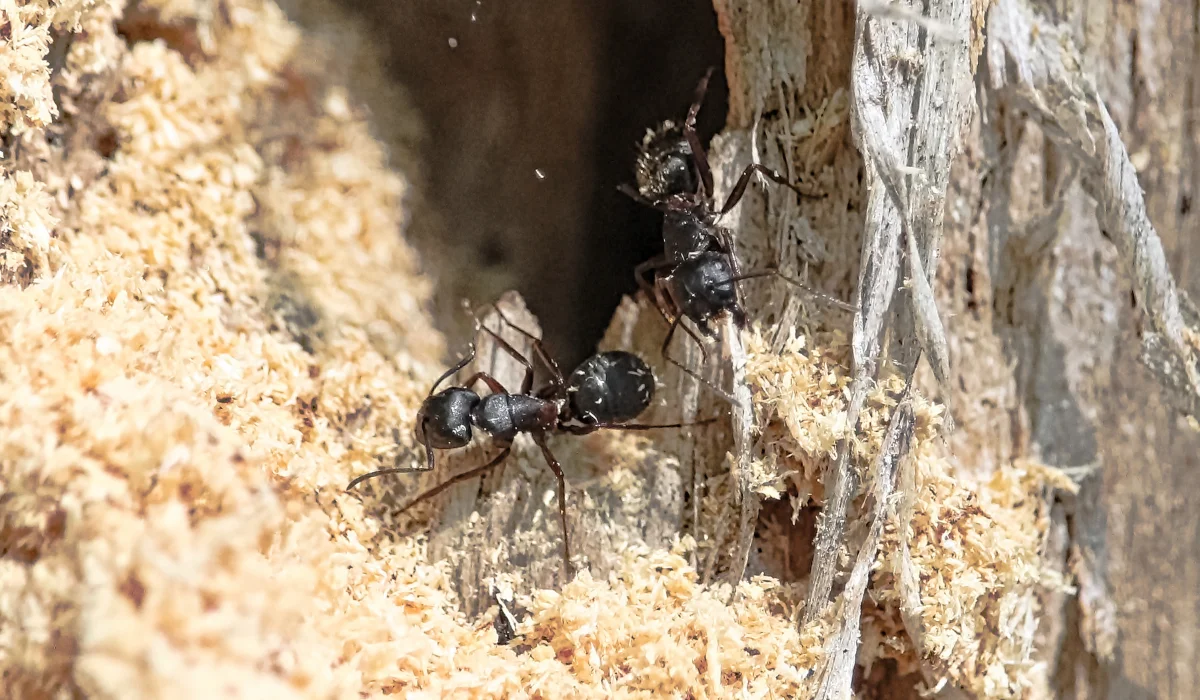
The inspection report identifies visible evidence of wood-destroying insects such as termites, carpenter ants, or wood-boring beetles, including mud tubes, damaged wood, or discarded wings.
These findings indicate whether there is active termite activity or signs of a past infestation.
Areas of Damage or Risk
If inspectors find termite damage, the inspection report describes the location and severity of the damage, including whether it affects structural components.
The report may also highlight conditions such as excess moisture or wood-to-soil contact that increase the risk of future termite problems.
Treatment and Warranty Information
If a pest control company previously performed termite treatments, the termite report may include warranty details indicating whether protection plans remain active.
The report helps buyers and lenders understand termite-control coverage and pest-management history.
If Termites or Damage Are Found: Buyer Options
Finding termite issues during a termite inspection does not automatically end a real estate transaction. Buyers and sellers often work together to evaluate solutions before closing.
Requesting Termite Treatments
Buyers may ask the seller to arrange professional termite treatment before closing. Licensed pest control companies can treat active infestations.
Treatment may involve bait systems or soil treatments, and the inspection report may be updated to reflect current findings after treatment.
Negotiating Repairs or Credits
If the inspection reveals significant termite damage, buyers may request structural repairs before the transfer of ownership.
In some cases, buyers negotiate financial credits instead, allowing them to handle termite problems after purchasing the home.
Reevaluating the Purchase
In some cases, severe structural damage may lead buyers to reconsider the purchase.
Termites can affect a property’s value, so reviewing the inspection report with a realtor helps determine whether the home remains a sound investment.
Schedule a Home-Buyer Termite Inspection in Baton Rouge
A professional termite inspection is a key step in the home-buying process in Baton Rouge. Termites are common throughout South Louisiana, and finding problems early helps protect the structure and your investment.
Working with experienced pest control companies helps provide a thorough and reliable inspection. A trained termite inspector knows where termite activity hides and how to evaluate the property’s condition.
If you’re purchasing a home or commercial property in Baton Rouge, schedule your inspection with LaJaunie’s Pest Control. Our team provides detailed termite inspections and clear reports on wood-destroying insects to support real estate transactions.
Contact us today to schedule your termite inspection.
FAQs
What is a wood-destroying insect report?
A wood-destroying insect report shows whether termites or other wood-destroying insects are present in a structure. Lenders, realtors, and buyers often use this report during real estate transactions to verify the property’s condition before closing.
Do lenders require termite inspections?
Many lenders require a termite inspection before approving financing. This requirement is common with FHA loans and VA loan programs because lenders want proof that termite damage will not affect the home’s structure or property value.
How often should homeowners get termite inspections?
Homeowners in Louisiana should schedule a termite inspection at least once a year. Regular inspections help identify termite activity early and protect wooden structures from long-term damage.