


 Request your free quote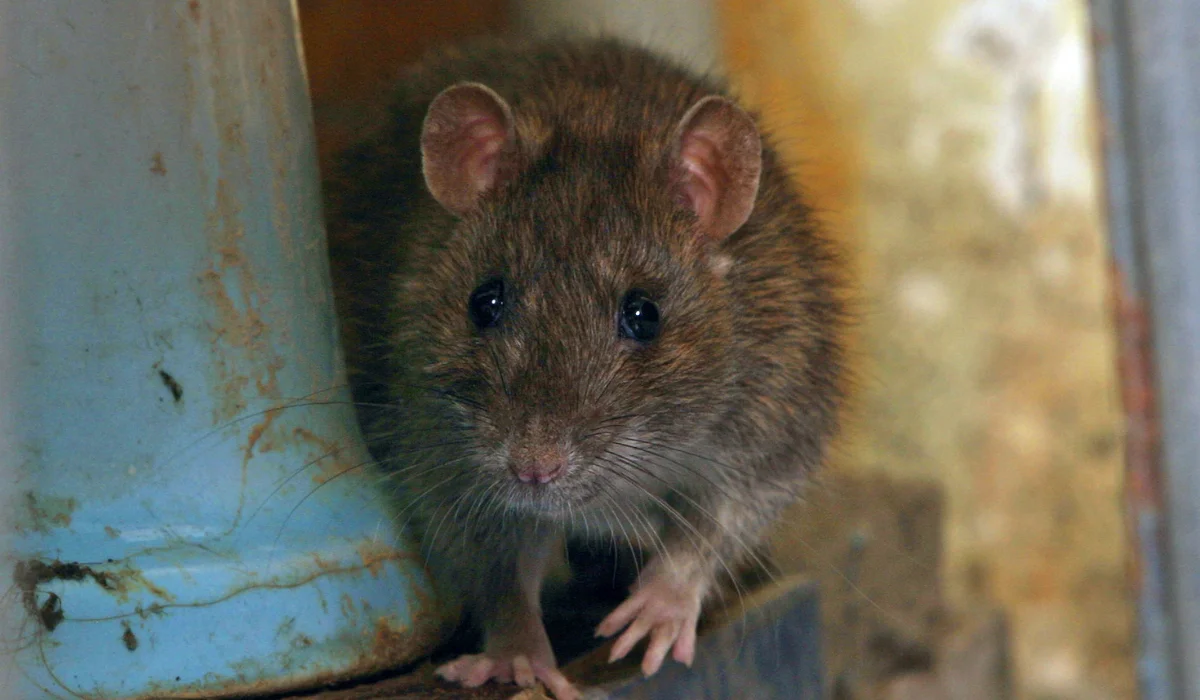
Metairie, near New Orleans, has warm weather, older neighborhoods, and many dining options. These conditions attract many types of rodents. They often slip into homes through small entry points around roofs, garages, crawl spaces, and basements.
If you hear scratching at night or see droppings along the baseboards, you might already have a problem. Knowing the types of rodents that Metairie homeowners see most often helps you figure out what is happening inside your home.
A rodent problem brings more than noise. Rodents damage insulation, chew electrical wires, and contaminate food packaging. Metairie residents deal with house mice, Norway rats, and roof rats, especially during humid months when rodents move indoors. When you know the type of rodent in your home, you can act sooner and stop bigger issues.
Across the New Orleans area, rodents remain one of the top calls for pest control in Metairie, LA. If you are not sure what is hiding in your attic or crawl space, this guide explains the common rodents, the health risks they bring, and how local pest control services can help protect your home.
Key Takeaways
• House mice, Norway rats, roof rats, nutria, chipmunks, muskrats, deer mice, and voles are the most common rodents in the New Orleans area.
• Droppings, gnaw marks, nesting materials, and burrowing help show which rodent is in your home.
• LaJaunie’s rodent control pricing starts at $99 for the first visit and $49 per month through the Healthy Home Package. Specialty rodent services start at $230 for the first visit.
• LaJaunie’s offers same-day service, and you can request a free quote to prepare your home for rodent season in Louisiana.
House Mice and Other Common Rodents
The most common rodent in Metairie is the house mouse. These small gray mice have large ears and prefer quiet nesting spots inside walls, garages, attic corners, or storage areas. When house mice move in, you often see fine droppings that look like dark grains of rice. You may also notice tiny gnaw marks near pet food bins or shredded paper used for nests.
Roof rats, also called black rats, thrive in Metairie and New Orleans. They are skilled climbers, so homeowners often find them in attics or near rooflines. You might hear them at night running along beams or see dark grease marks left by their bodies. Because roof rats prefer high nesting spots, they can turn a quiet attic into a full nest within weeks.
Norway rats, sometimes called brown rats, stay close to the ground. They burrow under slabs, sheds, and basements, weakening soil and leading to structural issues. Their droppings are larger and blunt at the ends, which helps distinguish them from roof rat droppings. Fresh dirt piles or holes near the foundation often point to Norway rat activity.
Less Common Rodent Species in the New Orleans Area
Deer mice are less common in Metairie homes but often live in rural or semi-wooded areas. They have two-toned bodies with white bellies and feet. Their droppings look similar to those of house mice, but they often store food near their nests. Deer mice carry health risks, so you should address any problem involving them right away.
Nutria and muskrats live around drainage canals and water sources across Jefferson Parish. Nutria look like large brown rats with long orange teeth. They rarely enter homes, but spotting them near yards or under decks can point to nearby rodent activity. Voles and chipmunks may also appear in gardens and crawl spaces, tunneling through soil and harming plant roots.
When several rodent species share one area, they compete for food and create frequent activity. This mix makes identification more difficult, so calling a professional for an inspection is often the quickest way to identify the type of rodent invading your home.
Signs You’re Dealing With a Rodent Problem
Any rodent problem leaves clues. Droppings often appear first, followed by scratching in walls, shredded nesting materials, and chewed electrical wires. Homeowners in Metairie report hearing noises at night or finding smudges along baseboards where rodents travel. If rodents chew food packaging or leave oily marks near entry points, the problem may already spread across several rooms.
Burrows around the yard or under AC pads often point to Norway rats. A foul smell from crawl spaces can mean a dead rodent. Chew marks on stored holiday items or attic insulation may show roof rat activity, and if you want to know if you have a rat nest in your attic, these signs are often the first clue. These rodents build nests quickly and usually use insulation and cardboard. Check crawl spaces for signs of tunneling or soil displacement.
All rodent species cause damage and pose health risks by contaminating storage areas, pet food bins, and canned goods with their droppings. You should address any signs of activity before a minor issue becomes a long-term problem.
How Rodents Enter Homes in Metairie
Older Metairie neighborhoods often have shifting foundations, loose siding, or small gaps where rodents squeeze through. New homes can also develop openings around vents, crawl spaces, and garage doors. Roof rats enter from tree branches that touch the roofline. House mice slip through door sweeps or utility openings. Norway rats tunnel under patios and push into basements.
Rodents often build nests in wall voids, making them hard to spot without a full inspection. Once inside, they travel through duct chases, wiring runs, and attic joists. Because each rodent species uses different pathways, rodent control starts with identifying the species. Knowing the species makes it easier to use the right traps, bait stations, or exclusion materials.
Seasonal weather also drives rodents indoors. Rain pushes Norway rats to higher ground. Cold spells send house mice into kitchens. During hurricane season, displaced rodents may enter homes in search of dry shelter.
Rodent Control Services in Metairie
Local rodent control services help you find the type of rodent and remove it before more damage occurs. Professionals inspect attics, crawl spaces, and garages while checking for droppings, gnaw marks, and nests. They seal entry points to block new rodents and place bait stations or traps in key spots. This targeted plan works for both small and large infestations.
Professional rodent control may also include attic dust treatments that discourage rodents from staying in insulation. If a rodent dies inside the home, technicians can remove it and sanitize the area to keep odors and flies from spreading. If rodents cause serious insulation damage, your technician may also recommend attic restoration services.
Homeowners across Louisiana value fast help, especially during peak rodent season. Many clients request a free quote before choosing a plan, and some combine rodent services with general pest control for long-term protection.
Making the Right Rodent Control Choice for Metairie Homes
Rodent problems in Metairie can grow fast, and the conditions in many neighborhoods make it easy for pests to settle in once they find shelter. A good plan focuses on stopping activity, blocking new entry points, and helping your home stay clear over time.
At LaJaunie’s Pest Control, we provide local support from trained technicians who understand the patterns of rodent movement in this area and can build a plan that fits your home.
If you want help removing rodents or keeping them out for good, contact us today to schedule your visit.
FAQs
What rodents are most common in Metairie?
House mice, Norway rats, roof rats, and nutria are the most common rodents in the New Orleans area. Chipmunks, muskrats, deer mice, and voles appear in certain parts of Jefferson Parish as well.
What are the signs of a rodent infestation?
You may find droppings, gnaw marks, burrowing near foundations, shredded nesting materials, or scratching noises in walls and crawl spaces.
How do I know which type of rodent I have?
Roof rats stay high, Norway rats burrow low, and house mice nest in small gaps around kitchens and garages. A professional inspection can quickly confirm the type of rodent.