

 Request your free quote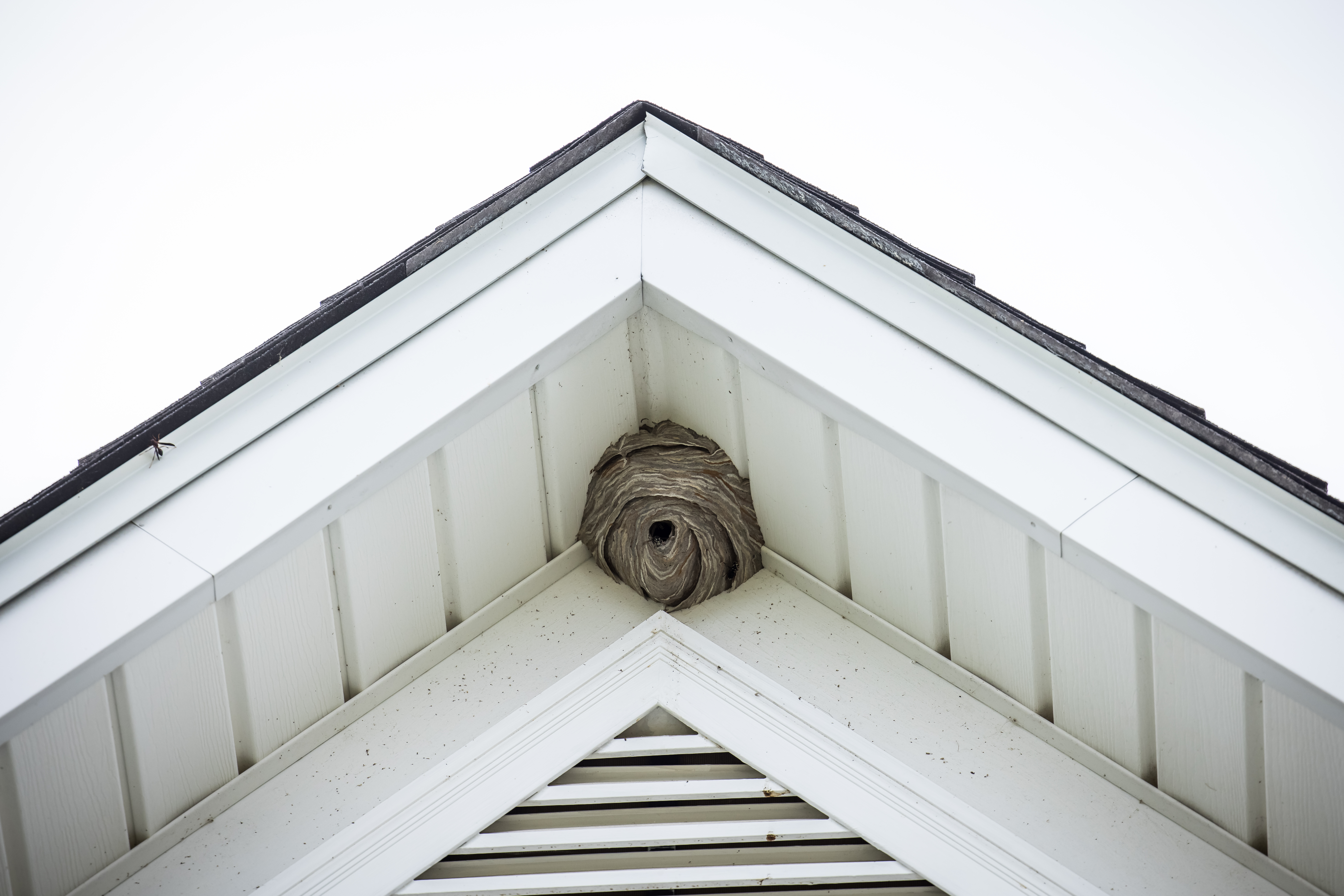
Wasp activity is common around Baton Rouge homes, especially during warmer months when colonies begin expanding around eaves, patios, garages, sheds, and outdoor gathering areas. While some nests stay tucked away from people, others develop close to doors, walkways, and outdoor living spaces where stings become more likely.
Many homeowners first notice wasps flying in and out of the same area repeatedly before spotting the nest itself. In some cases, nests remain hidden beneath rooflines, inside shrubs, under patio furniture, or along fencing until activity becomes more noticeable.
Knowing when wasp nest removal is necessary can help homeowners avoid unnecessary risks while addressing nests that pose a real concern around the property. Proper identification, safe removal methods, and professional pest control all play an important role in reducing wasp activity.
How to Identify Wasp Nests in Baton Rouge
Different wasp species build different types of nests around homes. Paper wasps build open umbrella-shaped nests that commonly appear beneath eaves, porch ceilings, shutters, and overhangs.
Paper wasp nests usually remain visible and exposed, while yellow jackets often build hidden nests underground, inside wall voids, or beneath landscaping features.
Hornets build larger enclosed nests that may hang from trees, rooflines, sheds, or covered outdoor structures. Homeowners sometimes confuse hornets, wasps, and bees, which is why proper identification matters before removal begins.
Repeated wasp movement near the same area of the home often points to an active nest nearby, even when the nest itself is difficult to spot at first.
Where Wasp Activity Commonly Appears
Wasps look for sheltered locations that protect nests from weather and disturbance. Eaves, soffits, garages, fences, attic vents, sheds, utility boxes, and patio covers are some of the most common nesting areas around Baton Rouge homes.
Ground-nesting species may settle beneath landscaping, mulch beds, shrubs, or grassy areas where nests remain hidden until someone accidentally disturbs them.
Yellowjacket nests are commonly found underground or inside protected structural voids around homes and outdoor structures.
Outdoor eating areas, garbage containers, pet food bowls, and sugary drinks may also attract foraging wasps during warmer months.
Why Wasp Problems Develop Around Homes
Wasp activity increases when properties provide food sources, shelter, moisture, and protected nesting areas. Baton Rouge’s long warm season allows colonies to stay active for much of the year.
Outdoor lighting attracts insects, and insects attract wasps looking for food. Homes with heavy fly, caterpillar, or other insect activity may naturally experience more wasp pressure nearby.
Old nests and debris left around the property may also support additional pest activity in sheltered outdoor spaces.
Cracks, gaps, damaged vents, loose siding, and exposed roof edges create additional protected areas where wasps may begin nesting without being noticed right away.
Risks Linked to Wasp Nests Around Homes
The biggest concern with wasp nests is the risk of stings. Wasps defend nests aggressively when disturbed, especially after colonies grow larger later in the season.
Most people experience temporary pain and swelling after a sting, but allergic reactions are possible for some individuals. Multiple stings may also increase medical concerns for children, older adults, and sensitive individuals.
Wasp sting reactions may include swelling, hives, nausea, dizziness, or breathing difficulty in more serious cases.
Nests near entryways, outdoor seating areas, pools, playgrounds, or business entrances increase the chance of accidental contact during normal daily activity.
Why Professional Wasp Removal Matters
Attempting to remove an active wasp nest without proper equipment can increase the risk of multiple stings. Disturbing nests with sprays, water hoses, or physical contact often causes defensive swarming behavior.
Professional pest control technicians have protective equipment, treatment materials, and experience working around active nests in elevated or difficult-to-reach areas.
At LaJaunie’s Pest Control, technicians wear protective bee suits while handling wasp removal around homes and outdoor structures. Service visits may include nests around eaves up to 25 feet, foliage, fencing, and ground-level nesting areas.
Honey bees are protected and are not treated by LaJaunie’s Pest Control. Proper identification helps determine whether homeowners are dealing with bees, hornets, yellowjackets, or paper wasps before treatment begins.
Professional Wasp Control in Baton Rouge
Professional wasp control starts with identifying the nesting species and evaluating the location of the colony around the property. Different nesting locations require different treatment approaches.
LaJaunie’s Pest Control provides a free phone consultation to help identify the pest before scheduling service. During treatment visits, technicians inspect active nesting areas, nearby entry points, and surrounding exterior conditions that may support recurring activity.
Professional wasp treatments should consider both effective control methods and the surrounding environment before products are applied.
Long-term pest control may also include recommendations for reducing attractants, limiting nesting conditions, and monitoring problem areas around the home or business.
Reducing Wasp Activity Around Your Property
Reducing wasp activity starts with regular inspections around eaves, sheds, fencing, patios, and landscaping where nests commonly appear. Early detection often makes removal safer before colonies grow larger.
Keeping outdoor trash sealed, removing old nests, limiting standing water, and reducing outdoor insect activity may also help lower future nesting pressure around the property.
If you notice active wasp nests around your home or business, the team at LaJaunie’s Pest Control can help. We provide wasp nest removal and pest control services throughout Baton Rouge and Southeast Louisiana with treatment plans designed for local pest pressures and outdoor conditions.
To schedule a wasp inspection or request more information, contact LaJaunie’s Pest Control today.
Frequently Asked Questions About Wasp Nest Removal
Removing active wasp nests without protective equipment increases the risk of multiple stings. Professional removal is usually safer, especially for elevated or hidden nests.
Common nesting areas include eaves, sheds, soffits, fences, shrubs, garages, attic vents, patio covers, and underground areas around landscaping.
No. Honey bees are protected, so LaJaunie’s Pest Control does not treat or remove honey bee colonies.
Regular inspections, removing old nests, sealing exterior gaps, reducing outdoor insect activity, and keeping trash containers sealed may help lower wasp activity.