


 Request your free quote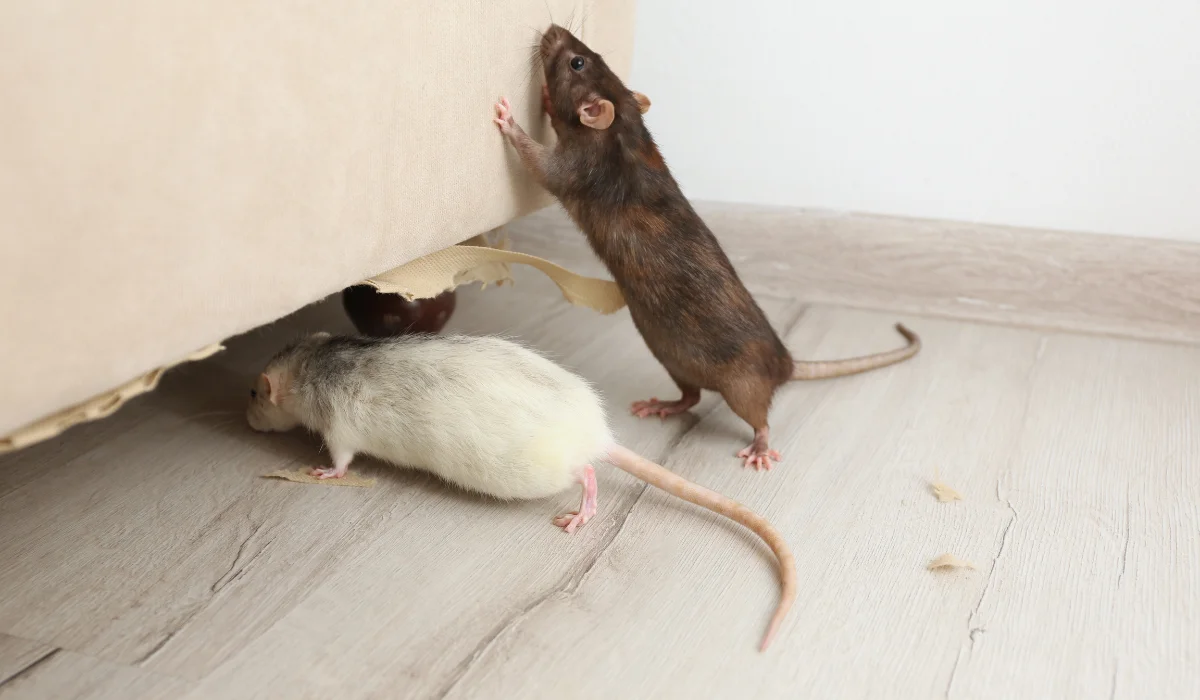
If you notice dark streaks along your walls or baseboards, you may be seeing early signs of a rodent problem. In Louisiana homes, rodents such as house mice, Norway rats, and roof rat species often leave behind rub marks as they travel the same paths every night.
Rub marks are one of the most common telltale signs of rodent activity. They often appear before you ever see droppings or hear scratching in the attic. Knowing what these marks look like can help homeowners and property managers catch a rodent infestation early.
Below, we explain what rodent rub marks look like, where they show up most, and what steps to take if you find them.
Key Takeaways
- Rub marks appear as dark grease streaks along walls and baseboards.
- They often appear near droppings, gnaw marks, and food sources.
- Attics, basements, crawl spaces, and entry points are common locations.
- Chewed electrical wires create a fire hazard.
- Professional rodent control and pest control help eliminate the source of the problem.
What Rodent Rub Marks Look Like
Rodent rub marks form when rats or mice brush against surfaces. Their fur carries dirt and oil, which leaves visible stains over time.
Dark Grease Streaks
Most rub marks appear as dark gray or brown grease marks. These streaks often run along baseboards, lower walls, or near entry points.
The marks may look like smudges at first. As rodent activity continues, they grow darker and wider.
Smudges With Droppings Nearby
Rub marks often appear close to droppings. You may see mouse droppings that look like small grains of rice or rat droppings that are larger and blunt on the ends.
Fresh droppings are dark and moist, while older droppings turn dry and crumbly. If you see both grease marks and droppings together, that is a strong sign of rodent activity.
Marks Near Gnaw Or Chew Damage
Rodents chew constantly. You may find gnaw marks or chew marks on wood trim, food containers, or storage bins.
If rub marks appear near electrical wires, take it seriously. Chewed wires can create a serious fire hazard.
Repeated Path Patterns
Rub marks usually follow a straight or narrow line. Rodents prefer to travel along edges instead of open floors.
If you see the same dark streak running from the wall toward attics, basements, or crawl spaces, it likely traces a rodent’s path.
Where Rub Marks Show Up Most
Rub marks appear anywhere rodents travel regularly. Certain areas are more common in Louisiana homes and commercial buildings.
Along Baseboards And Walls
Baseboards are a favorite route for house mice and the roof rat species. Rodents stay close to walls to avoid open spaces.
If you notice grease marks along baseboards in kitchens or storage areas, inspect nearby for rodent droppings.
Inside Attics And Crawl Spaces
Attics are one of the most common hiding places for rodents in Louisiana. Norway rats and roof rat populations often build nests in insulation.
Check attic beams, crawl spaces, and roof edges for smudges and droppings. These areas often show the clearest signs of rodent infestation.
Around Entry Points
Rodents enter through small gaps near vents, doors, or foundation cracks. These entry points often show both rub marks and droppings.
If you see dark streaks near openings, rodents may still be using that access spot.
Near Food Sources
Rodents travel between nests and food sources every night. Look near pet food bowls, food containers, and pantry shelves.
Droppings around pet food or stored goods suggest ongoing rodent activity.
Rub Marks Vs. Common Lookalikes
Not every wall stain is caused by rodents. Here is how to tell the difference.
Dirt Or Everyday Smudges
Regular smudges from shoes or furniture usually appear randomly. Rodent rub marks form narrow, repeated paths along the same route.
They often leave droppings, chew marks, or other signs of pest activity.
Water Stains
Water stains from leaks spread outward and may feel damp. Rub marks are dry and oily to the touch.
If stains appear near basements or inside walls, rule out moisture issues first.
Insect Trails
Some insects leave trails, but they do not leave grease marks. If you see dark streaks paired with rodent droppings, it is more likely a rodent problem.
If you are unsure, a pest control professional can inspect the area.
What To Do After You Spot Them
Finding rub marks means rodents are actively traveling inside your property. Taking the right steps quickly can prevent larger pest problems.
Confirm Other Signs
Look for fresh droppings, gnaw marks, and nesting material. Listen for scratching sounds inside walls or attics at night.
If you confirm multiple signs of rodent activity, the problem may be growing.
Avoid DIY Shortcuts
Store-bought traps may catch a few rodents, but they rarely stop a full rodent infestation. Without sealing entry points, more rodents will enter.
Improper cleanup of rodent droppings can also spread germs.
Contact A Pest Control Professional
Professional pest control focuses on more than just trapping. A pest control professional can inspect attics, basements, crawl spaces, and inside walls for hidden damage.
LaJaunie’s Pest Control uses integrated pest management methods to remove rodents and prevent their return safely. Our rodent control services target Norway rats, roof rat populations, and house mice.
Schedule A Louisiana Rodent Inspection
If you see rub marks, droppings, or chew marks in your home, do not wait. Early action can prevent costly damage and reduce the risk of fire hazard concerns from damaged electrical wires.
LaJaunie’s Pest Control provides professional pest control and rodent control services across Louisiana. Our experienced exterminators inspect entry points, remove rodents, and help prevent future rodent infestation issues. Contact us today to schedule your inspection and protect your home or business from ongoing rodent problems.
FAQs
What are rodent rub marks?
Rub marks are dark grease streaks left behind when rodents repeatedly brush against walls. They often appear near droppings and entry points.
Do rub marks mean I have a rodent infestation?
Yes. Rub marks are a strong sign of rodent activity and often indicate an active rodent infestation.
Should I call exterminators if I see droppings and marks?
Yes. Professional exterminators can inspect attics, crawl spaces, and basements to locate the source and provide effective rodent control solutions.