



At least eight cockroach species infest Louisiana homes, and Southeast Louisiana’s heat, humidity, and abundant food sources create conditions where roaches breed year-round. Whether you live in New Orleans, Baton Rouge, Thibodaux, or Slidell, understanding which cockroach species you are dealing with determines the right treatment approach.
This guide covers the cockroach species commonly found in Louisiana homes, the health risks they carry, how to prevent a cockroach infestation, and when professional cockroach control makes sense.
Cockroaches in Louisiana: Common Species Found in Homes
Louisiana homeowners encounter several cockroach species. Each one differs in size, behavior, and preferred habitat. Identifying the species in your house helps you choose the right response.
American Cockroaches in Louisiana
American cockroaches, known locally as “palmetto bugs,” are the largest roaches that invade homes, measuring 1¼ to 2⅛ inches long. They have oval, reddish-brown bodies, long antennae, spiny legs, and a yellowish figure-8 pattern on the back of the head. These pests prefer warm, damp shelter like crawl spaces, basements, and sewer systems. They can fly short distances and often enter through cracks, gaps under doors, and damaged screens.
German Cockroaches in Louisiana Kitchens
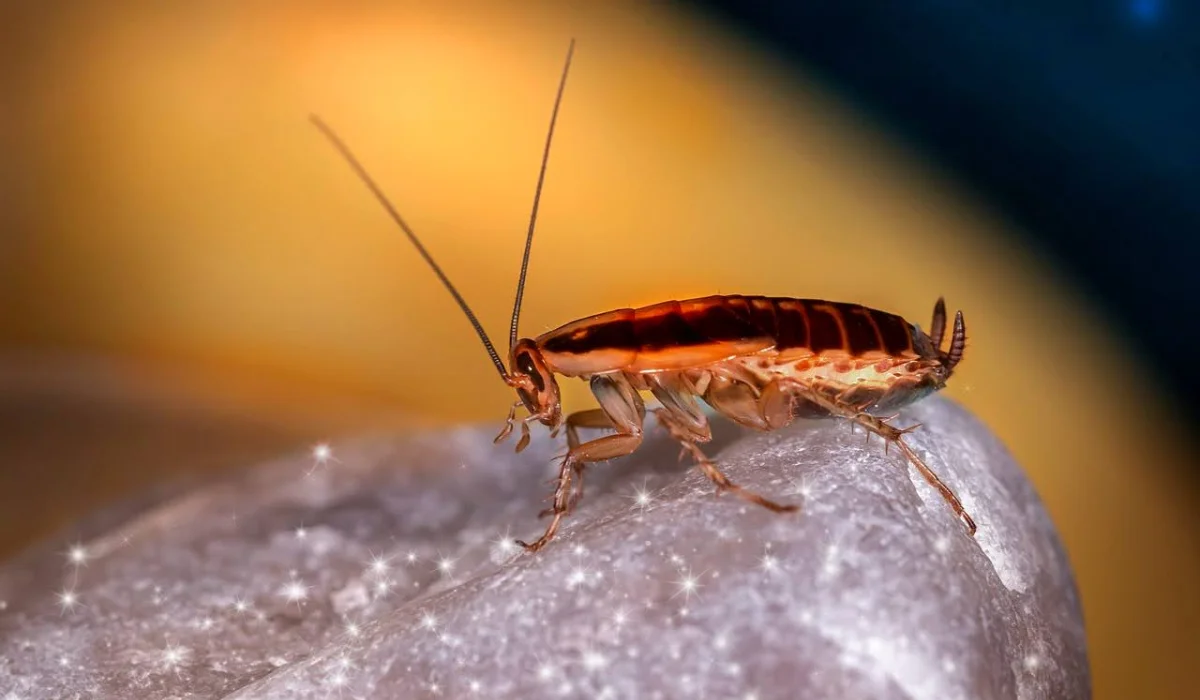
German cockroaches are the most difficult species to control and the most common type found inside Louisiana homes. They measure about ½ to ⅝ inch long and are light brown with two dark stripes running down their back. Unlike other species, German cockroaches live almost exclusively indoors, near food sources and water sources in kitchens and bathrooms. Their rapid population growth means a small problem can become a large infestation within weeks.
Identifying Australian Cockroaches in Louisiana
Australian cockroaches are dark brown, growing 9/10 to 1¼ inches in length, and are distinguishable by a yellow band around the edge of the top of the head. They prefer outdoor habitats like leaf litter and garden beds but invade homes seeking shelter during heavy rain or temperature shifts. They are commonly found in garages, sheds, and near entry points along the foundation.
Common Cockroaches in Louisiana: Other Species to Watch For
Brown-banded cockroaches are small, about ½ inch long, with a light brown circle on the top of the head. They prefer drier areas than most roaches and hide in upper cabinets, behind picture frames, and inside electronics.
Smoky brown cockroaches are reddish-brown to black, 1¼ to 1½ inches long, and are strong fliers attracted to lights at night. They need high humidity and moisture to survive, which makes Louisiana an ideal environment.
Oriental cockroaches are dark brown to black, about 1 inch long, and prefer cool, damp hiding spots like drains and basements. They produce a strong musty odor that intensifies as infestations grow.
Louisiana woods cockroaches are reddish-brown to black, 1 to 1½ inches long, and more round than other species. They live outdoors in decaying wood and leaf litter but occasionally wander inside.
Asian cockroaches are tan, narrow roaches about ½ inch long with two dark bands on the head shield. They resemble German cockroaches but live outdoors and are strong fliers attracted to light. The Surinam cockroach, another occasional invader, burrows in soil and mulch beds and sometimes enters homes through potted plants.
Why Cockroaches in Louisiana Are a Health Hazard
Cockroaches are not just a nuisance. They carry disease-causing organisms picked up from rotting organic matter and spread them across countertops, kitchen tables, and stored food.
According to the World Health Organization, roaches carry pathogens linked to dysentery, typhoid fever, cholera, salmonellosis, and gastroenteritis. Live cockroaches and their droppings contaminate food preparation surfaces every time they cross them.
Cockroach allergens trigger respiratory problems in sensitive individuals. Shed skins and dirt-like fecal matter release particulates into the air that worsen asthma and allergies. This problem compounds as the infestation grows, making early treatment important for Louisiana homeowners with children or family members who have respiratory conditions.
How to Prevent Cockroaches in Louisiana From Infesting Your Home
Sanitation is the first line of defense against cockroaches. Roaches need three things: food, water, and shelter. Remove these, and your home becomes far less attractive to persistent pests.
Reducing Food Sources That Attract Cockroaches in Louisiana
- Wash dishes daily. Never leave dirty dishes in the sink overnight.
- Store food in sealed containers. Never keep food out in the open on counters or tables.
- Limit eating to the kitchen and dining areas.
- Pull out and clean behind kitchen stoves and other large appliances regularly.
- Vacuum floors to remove crumbs and debris.
- Remove trash from your house daily and place it in containers with locking lids.
Sealing Entry Points Cockroaches in Louisiana Use to Invade Homes
- Seal cracks and openings in your home’s exterior walls and foundation.
- Place covers on vents and drains.
- Repair damaged screens on windows and doors.
- Ensure your garage door seal is secure with no gaps.
Eliminating Water Sources That Attract Cockroaches in Louisiana
Fix leaking pipes, faucets, and hoses immediately. Louisiana’s high humidity already provides roaches with moisture, so any additional water source inside your home multiplies the attraction. Keep gutters and downspouts free of debris so water does not pool around your home’s foundation.
Cockroach Pest Control Options for Dealing With Cockroaches in Louisiana Homes
DIY methods like boric acid and store-bought baits may reduce small populations of outdoor species like American cockroaches, but they rarely resolve a German cockroach infestation. Over-the-counter sprays and heavy residual products can actually counteract professional treatments and render baits useless.
Why German Cockroaches in Louisiana Require Professional Cockroach Control
German cockroaches require an insect growth regulator (IGR) to stop the rate of reproduction, combined with a thorough interior treatment. LaJaunie’s Pest Control uses an IGR-based approach that includes homeowner cooperation for kitchen preparation, an initial treatment, and a two-week follow-up visit. If the technician determines a fourth-week follow-up is needed, it is provided at no additional cost. Quarterly service then maintains control and helps prevent future infestations.
“German roaches require a more thorough approach than other species,” notes the LaJaunie’s service team. “The homeowner’s cooperation with sanitation and preparation is part of what makes the treatment work.”
How LaJaunie’s Handles Other Cockroaches in Louisiana
American, brown-banded, Australian, and smoky brown cockroaches respond to granular treatments applied to active areas. These treatments target roaches where they shelter and feed without requiring the intensive follow-up schedule that German cockroach control demands. Quarterly preventative treatments applied to your home’s exterior foundation create a barrier that reduces the insects entering your home.
LaJaunie’s Pest Control serves New Orleans, Baton Rouge, Slidell, Thibodaux, Houma, and surrounding Southeast Louisiana communities. The company holds a 4.9-star rating across 6,745+ customer reviews and is recognized on the Inc. 5000 list. Contact LaJaunie’s for a free inspection to identify which cockroach species are in your home and the right treatment plan for your situation.
How to Keep Your Home Free of Cockroaches in Louisiana
Cockroach control in Louisiana is an ongoing process, not a one-time fix. The climate here supports roach populations year-round, so combining strong sanitation habits with professional quarterly treatments gives you the best chance at a cockroach-free home.
Frequently Asked Questions About Cockroaches in Louisiana
What types of cockroaches live in Louisiana?
Eight species are commonly found in Louisiana: American cockroaches (palmetto bugs), German cockroaches, Australian cockroaches, brown-banded cockroaches, Louisiana woods cockroaches, smoky brown cockroaches, Asian cockroaches, and Oriental cockroaches. German and American cockroaches are the most common in Louisiana homes.
Are cockroaches in Louisiana dangerous?
Yes. Roaches spread disease-causing organisms including those linked to dysentery, typhoid fever, cholera, and salmonellosis. Their shed skins and droppings release allergens that trigger asthma and respiratory problems, especially in children. The health risk increases as the infestation grows.
How can I prevent cockroaches in my Louisiana home?
Focus on sanitation: wash dishes daily, store food in sealed containers, fix leaking pipes, take out trash regularly, and seal cracks and entry points in your home’s exterior. Schedule quarterly professional pest control treatments for ongoing prevention, since Louisiana’s climate supports roach activity year-round.
Why do DIY cockroach methods fail in Louisiana?
Store-bought sprays and heavy residual products often counteract professional baits and treatments. DIY methods may reduce outdoor species temporarily but rarely control German cockroach infestations, which require an insect growth regulator and professional follow-up visits to address rapid population growth.