

 Request your free quote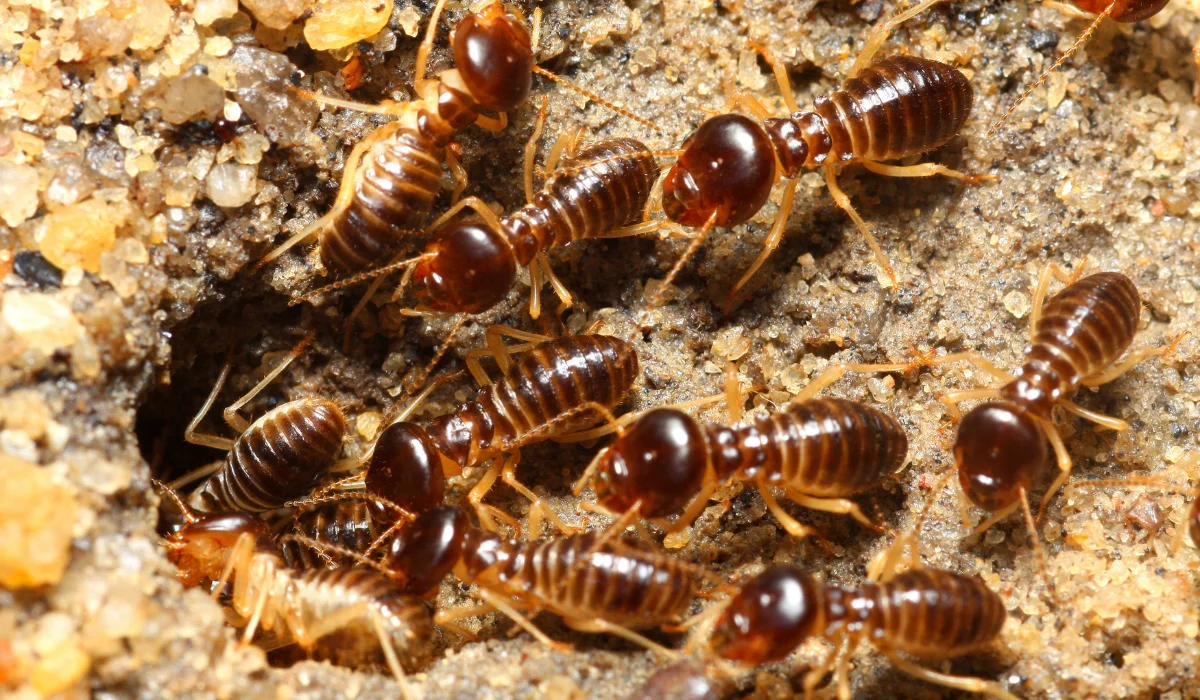
If you have ever seen flying termites near your windows after a rainstorm, you are not alone. In New Orleans, it is very common to notice termite swarmers after heavy rain. These winged termites often appear suddenly during warm months.
Many homeowners worry right away when they see swarmers. You may wonder if you have a termite infestation or if the flying insects came from outside. Knowing why termites swarm after rain can help you respond the right way and protect your property from termite damage.
Below, you will learn why termites swarm, why it happens so often in New Orleans, and what to do if you see termite swarmers.
Key Takeaways
- Termites swarm after heavy rain because moisture and warm temperatures create ideal conditions.
- Flying termites, also called alates or winged termites, leave a termite colony to form new colonies.
- Standing water, damp soil, and water damage increase termite activity in New Orleans.
- Seeing termite swarmers indoors may signal a termite infestation.
- A professional termite inspection helps catch termite problems early.
Why Termites Swarm After Rain
Termites swarm as part of their life cycle. Swarmers, also called alates or winged termites, leave an existing termite colony to start new colonies. Rain creates the right conditions for this to happen.
Increased Soil Moisture
Subterranean termites live underground in damp soil. After heavy rain, soil moisture increases and softens the ground. This makes it easier for flying termites to come up to the surface.
When the ground is moist, termites swarm in large numbers. A rainstorm can trigger swarming termites within hours, especially when the weather turns warm afterward.
Warm Temperatures After Rain
Warm temperatures are another reason termites swarm. In New Orleans, warm weather often follows heavy rain. This mix of warmth and moisture signals that it is swarming season.
Flying termites do not fly well. Calm air after a storm helps them move safely. That is why termite swarmers gather near lights and windowsills in the evening.
Higher Humidity Levels
After a rainstorm, humidity levels rise. Flying termites need moist air to survive long enough to start new colonies.
If the air is too dry, winged termites dry out quickly. Rain and humid air give termite swarmers a better chance to land and form a new termite colony.
Why Post-Rain Swarms Are Common in New Orleans
New Orleans has the perfect conditions for termite activity. Rain, moisture, and warm temperatures make termite problems more common here than in many other parts of the country.
Frequent Heavy Rain And Standing Water
Louisiana storms often bring heavy rain that leaves standing water around homes and businesses. Poor drainage and clogged gutters make the problem worse.
Standing water increases soil moisture near the home’s foundation. This encourages subterranean termites to stay active and increases the chance that termites swarm nearby.
Damp Soil And Crawl Spaces
Many homes in the area have crawl spaces. These areas can trap excess moisture, especially after a rainstorm. Damp soil under a home creates a perfect space for a termite colony.
Dampwood termites also prefer wet wood. When moisture builds up, termite activity increases in crawl spaces and wooden supports.
Water Damage And Wood Exposure
Water damage from leaks or broken gutters makes wood softer. Termites feed on cellulose found in wood. Wet wood is easier for them to enter.
Drywood termites live directly inside wood, while dampwood termites look for moist areas. Both types of termite can cause termite damage if moisture problems are not fixed.
Multiple Types Of Termites In The Area
New Orleans has more than one type of termite. Subterranean termites, drywood termites, and dampwood termites all live here.
Because there are different types, flying termites may appear at different times of the year. This makes swarming season feel longer for homeowners.
What To Do After You See Swarmers
Seeing swarming termites does not always mean your home has serious damage. Still, you should not ignore the signs of termites.
Make Sure They Are Termites
Flying ants are often confused with termite swarmers. Flying ants have bent antennae and uneven wings. Termite swarmers have straight antennae and equal wings.
If you are unsure, call a pest control company for help. Correct identification is important before starting termite control.
Look For Other Signs Of Termites
After you see swarmers, check around your home for mud tubes along the foundation. These tubes protect subterranean termites as they travel.
Look on windowsills for shed wings. Winged termites drop their wings after landing. Other signs of termites include soft wood, peeling paint, and small cracks near entry points.
Reduce Moisture Around Your Property
Clean gutters so water drains away from your home. Fix leaks and remove standing water to reduce excess moisture.
Keeping soil moisture low near your foundation helps with termite prevention. Also keep wood away from damp soil and seal small entry points.
Schedule A Professional Inspection
If you see flying termites indoors, schedule a termite inspection right away. A trained technician can tell if the swarm came from inside your home or from outside.
LaJaunie’s Pest Control provides termite control services for homes and businesses in New Orleans. Our team checks crawl spaces, foundations, and wooden areas for termite activity and hidden termite problems.
Schedule A Termite Inspection In New Orleans
Flying termites after heavy rain are often the first warning sign of a larger issue. Even if you only see a few termite swarmers, it is best to act quickly.
LaJaunie’s Pest Control offers thorough termite inspection and termite treatment services throughout New Orleans. Contact us today to schedule your free termite inspection and protect your home from costly termite damage.
FAQs
Why do termites swarm after heavy rain?
Heavy rain increases soil moisture and humidity. These conditions help flying termites leave the nest and look for places to start new colonies.
Are flying termites the same as flying ants?
No. Flying ants and termite swarmers look similar, but their antennae and wings are different. A pest control service can identify them correctly.
Does seeing swarmers mean I have a termite infestation?
Not always. Swarmers may come from a nearby termite colony outside. However, if you see flying termites inside, schedule a free termite inspection to check for termite damage.