


 Request your free quote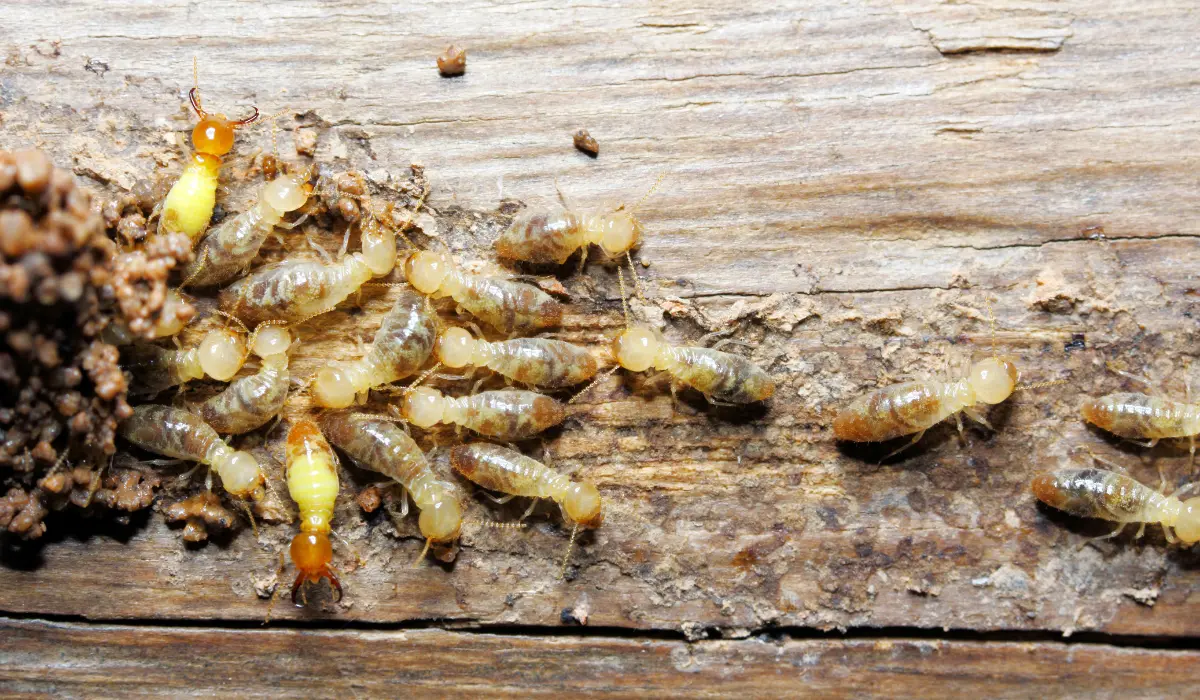
Finding damage on a chair, table, or cabinet can be stressful, especially if the piece is important to you. At first, the damage may appear to be normal wear or a small defect in the wood. Later, you may notice fine sawdust on the floor or a soft spot that wasn’t there before. That is often when homeowners realize the damage may point to a larger problem.
Knowing how to kill termites in furniture starts with spotting the problem early. Unlike termites in walls or foundations, termites in furniture often stay hidden until damage appears. When signs appear, termites are usually already feeding inside the wood.
This guide explains how to confirm termite activity, contain the infestation, and stop termites from spreading to other wooden structures. Whether you try DIY methods or hire a professional termite control service in Louisiana, knowing your options helps you protect your home and furniture.
Key Takeaways
- Early signs of termite activity in furniture help limit the spread and damage.
- Drywood termites commonly infest furniture without soil contact.
- DIY methods may help in the short term, but professional pest control prevents reinfestation.
- Consistent termite prevention protects furniture and nearby wooden structures.
Video: How To Identify Termites In Your Home
Before taking action, it helps to see exactly what termite activity looks like. Photos can only show so much, but video makes it easier to recognize movement, damage patterns, and material left behind.
The video below highlights common signs of termites, including frass, mud tubes, and hollow-sounding wood. As you watch, think about whether any of these details match what you see around your own furniture or in the affected areas of your home.
If you finish the video and still feel unsure, that hesitation alone is a sign that a termite inspection may be worth scheduling. Catching termite activity early often makes treatment simpler and limits long-term damage.
How To Confirm A Termite Infestation In Furniture
Before you try to kill termites, you need to confirm they caused the damage. Furniture damage can come from age, moisture, or poor construction, so guessing often leads to mistakes. A proper termite inspection looks for signs that point directly to termite activity.
One of the most common signs is frass. These dry, pellet-like droppings look like sawdust and often collect under wooden furniture. You may also see small holes where termites push waste out of the wood. When you tap the surface, hollow-sounding wood usually signals damage inside.
Damage patterns also matter. Drywood termites usually limit damage to one piece of furniture. Subterranean termites often affect nearby wood as well. Mud tubes along walls or baseboards near furniture suggest a larger infestation that needs fast attention.
Understanding The Types Of Termites That Attack Furniture
Once you confirm termite activity, identifying the types of termites involved helps guide your next steps. In Louisiana homes, furniture infestations most often involve drywood termites, though subterranean termites can also be responsible.
Drywood termites live entirely inside the wood. They do not require soil contact, which explains where termites come from when infested furniture brings them into a home unnoticed. Over time, they feed on cellulose, leaving frass, small holes, and internal damage that weakens the piece.
Subterranean termites behave differently. They depend on moisture and soil and usually enter homes through entry points near the foundation. When furniture sits close to these areas, they can spread quickly and cause significant damage across multiple affected areas.
Immediate Steps To Contain Infested Furniture
Once termites are confirmed, act quickly to contain the problem. Start by separating the infested furniture from other wood furniture and nearby wooden structures. This step alone can help slow the spread.
Move the furniture carefully, without dragging it across the floor. Place it on a hard surface in a garage or covered outdoor area to reduce contact with walls, floors, and other furniture.
Wrapping the furniture in plastic can also limit movement and airflow. While this step does not kill termites, it helps control activity while you decide on treatment.
DIY Options For Killing Termites In Furniture
Many homeowners try DIY methods first, especially when furniture has personal or financial value. These approaches may help kill termites in limited cases and work best when the infestation stays small.
Boric acid works by disrupting termite digestion after they eat it. Diatomaceous earth damages the termite outer layer and causes dehydration. Both methods need direct contact and take time to work.
Some homeowners use natural options. Neem oil interferes with termite feeding and growth. Orange oil can kill termites on contact when it reaches deep into the wood. These methods work best for small, localized drywood termite infestations.
Heat treatment is another option. High temperatures can kill termites inside furniture, but the heat must penetrate deeply into the wood to be effective.
Why DIY Termite Treatment Has Limits
Even when applied carefully, DIY methods often fall short. Termites rarely stay near the surface, which makes it difficult for home treatments to reach hidden galleries. As a result, some termites survive and continue feeding out of sight.
When DIY methods fail to reach hidden galleries, fumigation or professional heat treatment becomes more reliable. These methods penetrate the entire piece of furniture and address termite activity at every level.
If frass keeps returning, damage spreads, or you notice ongoing termite activity, DIY solutions alone often lead to reinfestation and more costly repairs later.
When Professional Pest Control Makes Sense
Professional pest control is often needed when furniture infestations pose a larger risk inside the home, especially in areas where winged termites in Louisiana signal active colonies nearby. Trained professionals can spot entry points, food sources, and hidden termite activity that homeowners may miss.
A full-termite inspection checks nearby floors, walls, and wooden structures to confirm that termites have not spread. Treatment may include targeted applications, bait systems, or localized fumigation based on the situation.
Preventing Termites From Returning To Furniture
After you eliminate termites, prevention becomes the focus. Always inspect wood furniture before bringing it indoors, especially antique or secondhand pieces. Look for frass, small holes, or hollow-sounding wood.
Moisture control also plays a major role. Termites thrive in damp areas. Fix leaks, improve airflow, and, when possible, keep furniture raised off the ground.
Ongoing termite control adds extra protection. Preventive steps, such as bait systems, help reduce termite populations before they reach furniture. Routine pest control supports long-term protection.
Protecting Your Home And Furniture Long Term
Furniture infestations often point to a bigger concern. Even if you kill termites in one area, the wood nearby remains at risk without proper prevention.
Professional pest control provides monitoring, follow-up inspections, and long-term treatment options that go beyond surface fixes. At LaJaunie’s Pest Control, the goal is to stop termite activity at the source and protect your home. With the proper care, homeowners can avoid repeat infestations and keep their homes and furniture termite-free year-round.
Contact us today to schedule an inspection and get professional support.
FAQs
How do I know if termites are inside a piece of furniture?
Common signs include frass, small holes, hollow-sounding wood, and visible termite activity. A termite inspection confirms the presence of termites and identifies the extent of damage.
Can DIY methods completely eliminate termites in furniture?
DIY methods may help contain small infestations, but they rarely eliminate termites deep inside the wood. Professional pest control delivers more reliable, lasting results.
Should I throw away infested furniture?
Some furniture can be treated and saved. However, if termite damage has compromised the structure, replacement may be the safer option after evaluation.