



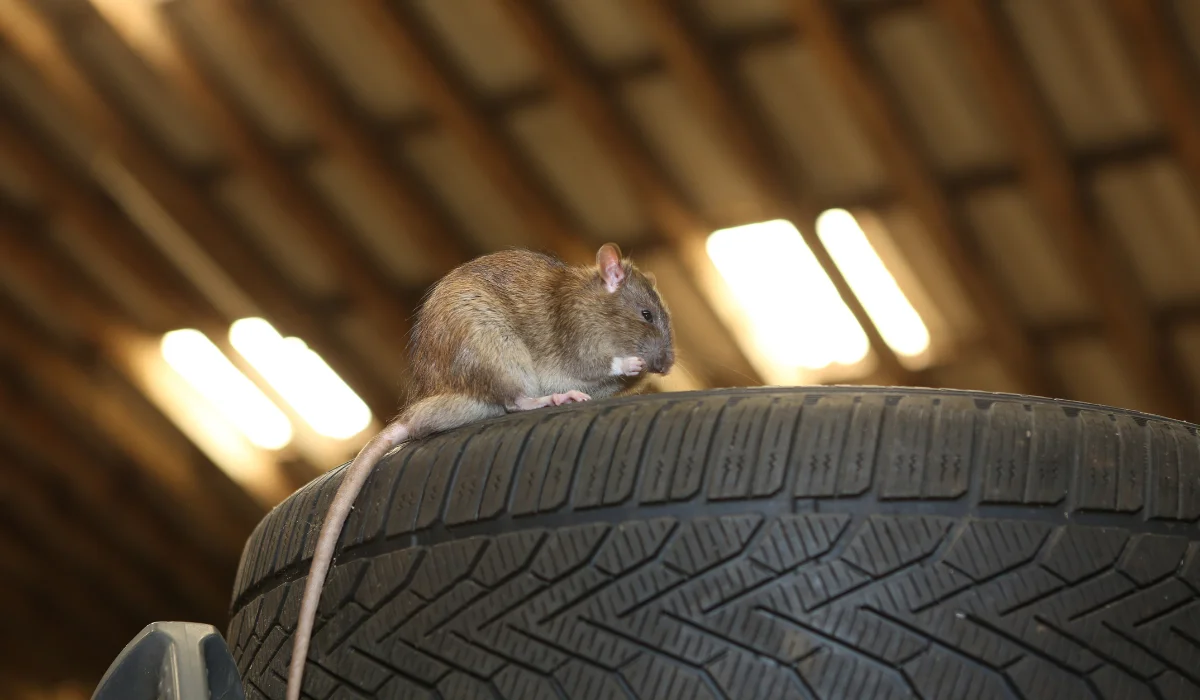
Garages in Slidell homes often attract mice. These spaces stay quiet and warm and hold food sources and shelter. A small mouse problem can quickly turn into a mouse infestation if ignored.
Many homeowners first notice signs of mice in the garage. Mouse droppings, scratching sounds, or chewed cardboard boxes often appear before you see one. These signs indicate early mouse activity and require quick action.
Knowing how to get rid of mice in your garage protects your home and belongings. This guide explains why mice enter garages, how to remove them, where they get in, and when to consider professional rodent control in Slidell to help keep mice out long-term.
Key Takeaways
- To get rid of mice in your garage, start by setting traps, cleaning up food sources, and sealing entry points.
- Garages in Slidell often attract mice because they offer shelter, nesting materials, and easy access through gaps around the garage door.
- DIY steps can help with a small mouse problem, but recurring mouse activity may indicate a larger infestation.
- Professional pest control can inspect the garage, place bait stations, and help keep mice out for the long term.
How to Get Rid of Mice in Your Garage
When getting rid of mice, start with the most practical steps first. The goal is to remove mice, cut off their food, and block the entry points.
Place Traps Where Mice Already Travel
Mouse traps work best when you place them along walls, behind stored items, and near other protected areas where mice tend to travel. Open floor space is usually less effective because mice prefer to move along edges.
If you notice droppings near a wall, shelf, or storage area, that can point to a high-activity spot.
Traps may help reduce activity, but if mice keep returning, the bigger issue is usually the entry point. Professional rodent control can help find how they are getting in and stop the problem more completely.
Clean Up Food and Clutter
Mice stay where food is easy to reach. Clean up spilled bird seed, pet food, and trash right away. Store supplies in plastic containers with tight-fitting lids, and move cardboard boxes off the floor when possible.
This also helps remove nesting materials and reduce hiding spots. A cleaner garage makes it harder for a garage mouse or house mouse to settle in.
Seal Entry Points Around the Garage
Traps alone will not solve the problem if mice keep getting back inside. Check the garage door, door seals, corners, and wall crevices for gaps. Add a door sweep, replace worn weather stripping, and seal small entry points with steel wool, caulk, or spray foam where needed.
This is one of the most important ways to get rid of mice for good. It also helps make the garage more mouse-proof and rodent-proof.
How to Keep Garage Mice From Coming Back
Once the mice are gone, the next step is to keep them out. Good prevention lowers the chance of another mouse infestation.
Remove What Attracts Mice
Garages often hold the things mice want most. Food sources such as birdseed and pet food can attract them, even in small amounts. Clutter also gives them hiding places and nesting materials.
Keep the space clean, dry, and easy to inspect. This helps repel mice by making the garage less useful to them.
Watch the Garage Door and Other Access Points
A garage door is one of the most common trouble spots. Even a small gap can give mice a way in. Check door seals, weather stripping, and the door sweep often, especially after storms or wear.
You should also look at pipe openings, wall cracks, and other access points. Small repairs can help keep mice out before activity resumes.
Do Not Rely Too Much on Repellents
Some DIY products claim to repel mice, but they should not be the main plan. Peppermint oil and other essential oils may help temporarily, but they do not eliminate a mouse infestation.
Do not use them even as a minor step.
When to Get Professional Help for Mice in Slidell
Sometimes, a few traps are not enough. Ongoing signs usually mean the problem is larger or has spread into other parts of the home.
Mouse Activity Keeps Coming Back
If you still see mouse droppings, hear scratching on the walls, or keep catching mice, the problem may be bigger than the garage. Repetitive signs of mice often indicate more access points or multiple nesting areas.
This is when professional rodent control can save time and frustration.
The Problem June Have Spread Beyond the Garage
A garage mouse problem can move into attics, walls, or nearby storage spaces. If the garage shares walls with the house, quick action matters even more.
LaJaunie’s rodent control service includes inspection of garages, attics, and crawl spaces, plus bait stations when needed.
You Want Long-Term Protection
A one-time fix may not be enough for some homes in Slidell. Professional pest control can help find hidden entry points, reduce mouse activity, and build a longer-term plan.
LaJaunie’s also offers ongoing protection through its Healthy Home pest control plan, which can help prevent future rodent problems.
Book Rodent Control in Slidell
If traps and DIY steps fail, the problem may be larger. A mouse infestation can spread from the garage into attics, walls, and living spaces.
LaJaunie’s Pest Control provides professional rodent control in Slidell and across southeast Louisiana. Technicians inspect garages, locate entry points, and install bait stations to reduce mouse activity around your property.
With the Healthy Home pest control plan, many homeowners receive ongoing protection that helps prevent future rodent problems.
Contact us to keep mice out of your home.
FAQs
What are the signs of mice in a garage?
Common signs include mouse droppings, chewed cardboard boxes, scratching sounds, and damaged food containers.
What is the best bait for mouse traps?
Peanut butter works well because mice are strongly attracted to its smell and texture.
How do you mouse-proof a garage?
Seal entry points with steel wool, caulk, or spray foam. Install a door sweep and weather stripping on the garage door, and store food in sealed containers.