


 Request your free quote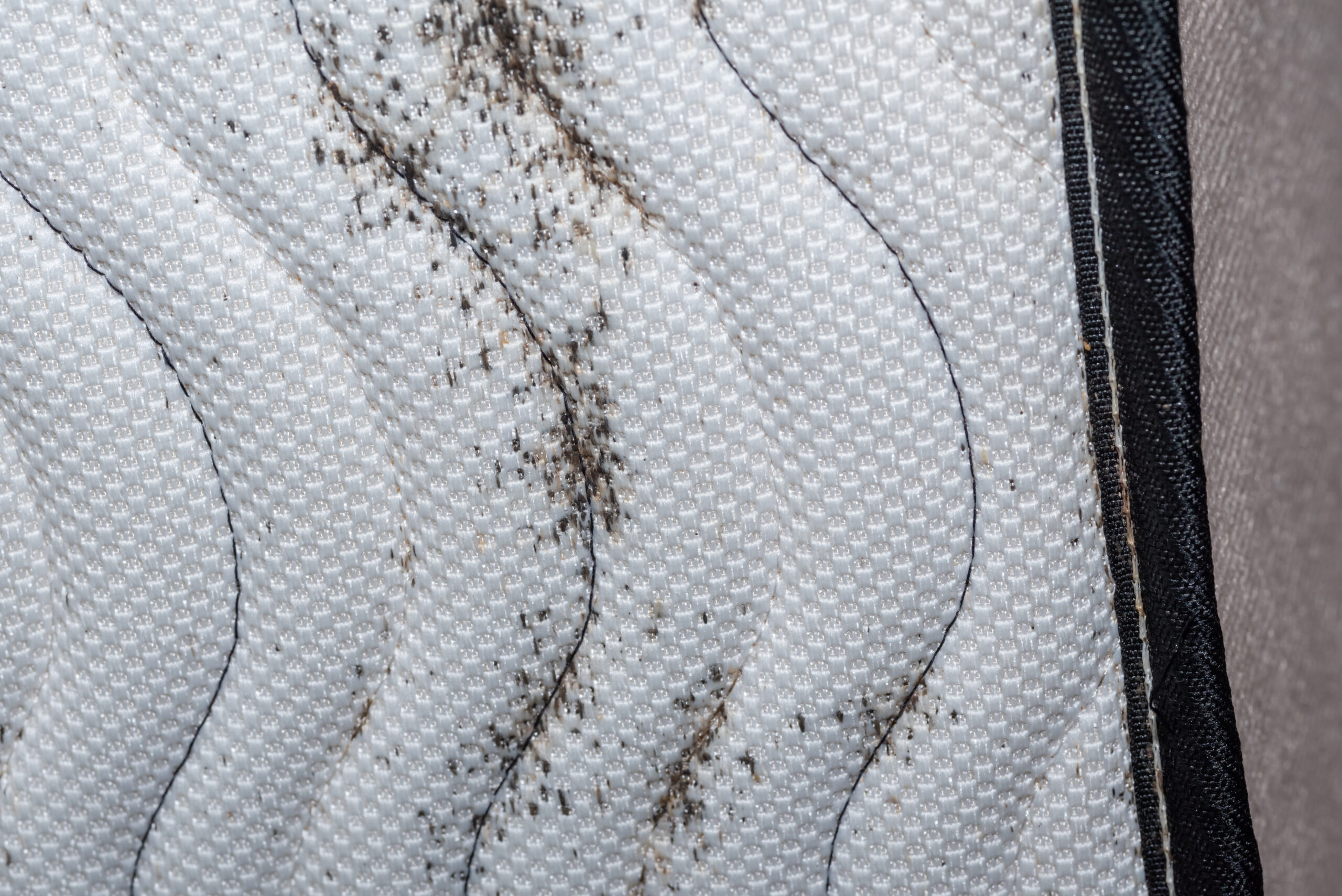
You unpack your bags after a trip, and something feels off. Maybe you notice itchy bites or small dark spots on your clothing. Bed bugs after traveling are a real concern, since these pests often spread by hitchhiking on luggage and personal items.
If you suspect bed bugs after traveling, act quickly. Once inside your New Orleans home, they can move from your bags into furniture, bedding, and small crevices. In homes with shared walls or close living spaces, they can spread more easily between rooms or units. This guide explains how to contain the risk, inspect your belongings, and decide when to schedule professional pest control.
Key Takeaways
- Isolate and clean travel items right away to reduce the chance of bed bugs spreading into your home.
- Inspect luggage, clothing, and personal items carefully to find bed bugs early.
- Take immediate steps if you notice signs of bed bugs to prevent a larger infestation.
- Schedule a professional inspection when signs appear or after high-risk travel stays.
How To Contain Bed Bug Risk When You Get Home
If you suspect having bed bugs after traveling, your first goal is to stop them from spreading beyond your luggage. Early containment keeps a small issue from turning into a bed bug infestation.
Keep Luggage Isolated
Place your suitcase on a hard surface like tile or concrete instead of carpet. Bed bugs move easily into rugs, bed frames, and baseboards if given the chance.
Use plastic bags (or garbage bags) to separate clothing before bringing it fully into your living space. This step helps limit where bed bugs can travel.
Unpack Carefully
Avoid unpacking in bedrooms. Bed bugs can settle near a headboard, mattress, or box spring. Choose a laundry area or garage instead.
As you unpack, look for adult bed bugs, which are reddish-brown and about the size of an apple seed. You may also notice dark spots or droppings on fabrics.
Use High Heat Immediately
Wash all clothing in hot water and dry it using high heat. Even items that appear clean should go through the washer and dryer, since bed bugs can hide without leaving obvious signs.
Store Items Temporarily
After cleaning, store items in sealed plastic bags until you are confident no bed bugs remain. This adds a layer of bed bug prevention while you monitor your home.
How To Inspect Luggage And Travel Items For Bed Bugs
A careful inspection helps you find bed bugs before they spread further into your home. Focus on areas where these pests commonly hide after travel.
Check Suitcase Seams and Pockets
Inspect your luggage. Check every seam, zipper, and pocket. Bed bugs often hide in tight crevices where fabric folds meet.
Look for adult bed bugs or shed skins. These signs point to recent activity and help you find bed bugs early.
Examine Clothing and Fabrics
Turn clothing inside out and check seams closely. Pay extra attention to items worn inside a hotel room or placed on a luggage rack.
Watch for dark spots or droppings, which can indicate bed bug activity on clothing. These signs of bed bugs often appear before you see live insects.
Inspect Personal Items
Shoes, backpacks, and purses can carry bed bugs home. Check inside linings and along edges where they can hide.
You should also inspect items like books or small electronics if they were near a bed frame or nightstand during your stay.
Look for Bite Evidence
Bed bug bites often appear as itchy bites in clusters or lines. While bites alone do not confirm a bed bug infestation, they can support other findings.
If you stayed in a hotel room or Airbnb and notice bites, notify the front desk and monitor your belongings closely after you return home.
What To Do If You Spot Bed Bug Signs At Home
If you find bed bugs in your home, act quickly to control the problem. Early action reduces the chance of a larger infestation and supports effective bed bug control.
Confirm the Problem
Make sure you correctly identify bed bugs before taking further steps. An experienced exterminator can confirm the presence of bed bugs and rule out other critters. Accurate identification prevents wasted time and helps guide the right approach.
Limit Movement in Your Home
Avoid moving furniture, mattresses, or clothing between rooms. This can spread bed bugs into new areas such as baseboards, bed frames, and picture frames. Keep affected items contained and avoid disturbing infested areas.
Clean and Vacuum Thoroughly
Vacuum floors, bed frames, and areas around the box spring. Focus on cracks, crevices, and edges where bed bugs hide. Dispose of vacuum contents in sealed plastic bags to prevent escape.
Avoid Overusing Store-Bought Products
Using too many over-the-counter products or repellents can push bed bugs deeper into walls or furniture instead of solving the issue.
The Environmental Protection Agency (EPA) recommends an integrated approach to bed bug control that includes inspection, monitoring, and targeted treatment methods.
Following proper methods improves results and reduces unnecessary exposure.
When To Schedule A Bed Bug Inspection In New Orleans
Knowing when to act is just as important as knowing what to look for. Bed bugs after traveling can spread quickly in homes and apartments.
In New Orleans, homes with shared walls or close living spaces can make it easier for bed bugs to spread once they enter a structure. Early pest control intervention helps prevent bed bug problems from expanding into multiple rooms.
Schedule an inspection if you notice signs of bed bugs, such as dark spots, exoskeletons, or live insects. You should also consider an inspection after staying in a busy hotel room or Airbnb, especially in places with frequent guest turnover. A trained exterminator can find hidden activity in bed frames, baseboards, and other hard-to-reach areas.
LaJaunie’s Pest Control provides bed bug control services across New Orleans with detailed inspections and follow-up care. Our professional pest management team uses thorough inspections and proven methods to get rid of bed bugs even in hidden areas.
Bed Bugs in New Orleans: FAQs
Check luggage, clothing, and bedding for live bed bugs, dark spots, or shed skins. Bed bugs are small, reddish-brown, and hide in seams and crevices, so a detailed inspection helps confirm their presence.
Yes. Bed bugs can move from luggage into furniture, bed frames, and baseboards within hours, especially if items are unpacked in sleeping areas.
Washing items in hot water and drying them on high heat is one of the most effective ways to kill bed bugs. Follow up with a full inspection to ensure no bed bugs remain.