

 Request your free quote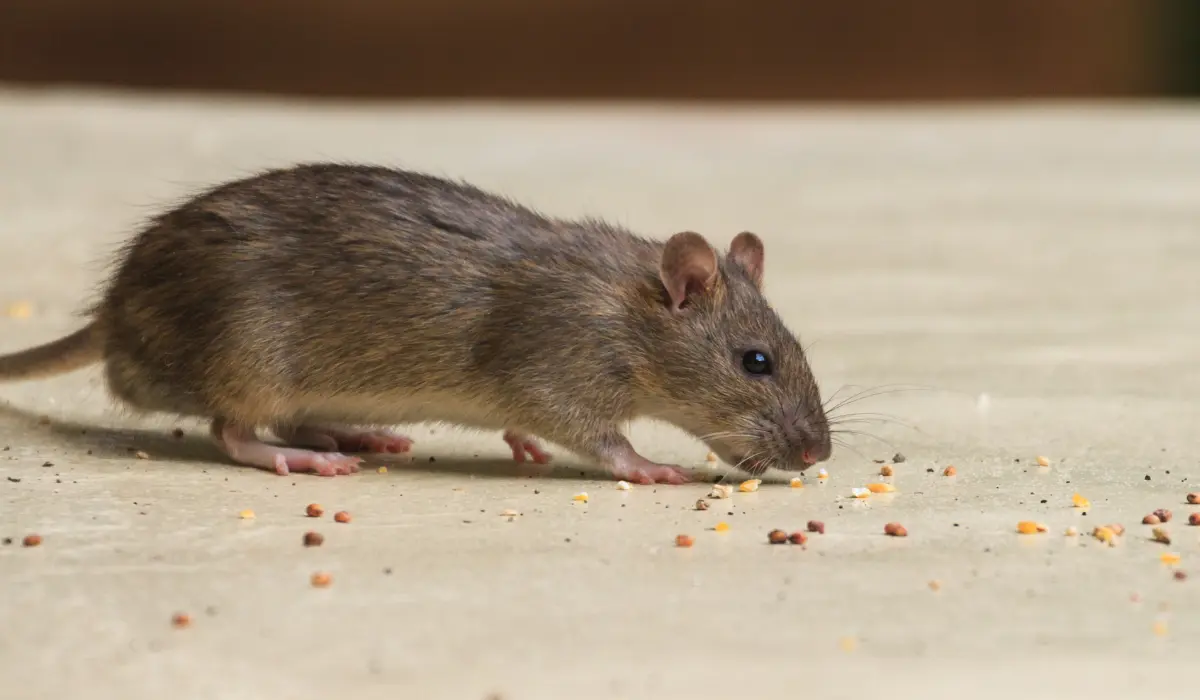
That sharp mouse smell often shows up without warning. One day, your home smells normal, and the next, a strong odor comes from a closet, laundry room, basement, or spare bedroom. When the smell appears, most homeowners search for how to get rid of mouse urine odor and hope the fix is simple.
In Louisiana homes, the smell often lingers longer than expected. Because humidity stays high most of the year, dried rodent urine does not remain inactive. Moist air reactivates the urine, making the odor stronger after rain or early in the morning. Wiping surfaces or using air fresheners may provide temporary relief, but the odor returns.
In most cases, a lingering odor indicates an active mouse infestation or a dead mouse inside a wall or attic, often requiring proper rodent control in Louisiana homes. When you understand what the smell means and how to respond safely, you can stop guessing and fix the problem correctly.
Key Takeaways
- A persistent mouse urine smell often means mice are still active
- Cleaning without protection increases health risks like hantavirus
- Odor removal works best after addressing the infestation itself
- Professional pest control helps prevent future infestations
Video: Rat Or Mouse? Learn The Difference Before You Clean
This short video explains the differences between rats and mice, including size, behavior, and nesting habits. Watching it helps confirm whether the odor comes from mice or another rodent. Once you identify the pest, the following steps become clear, and you avoid treating the wrong problem.
Why Mouse Urine Smell Is So Strong In Louisiana Homes
To understand why the odor lingers, you need to know what mouse urine contains. Mouse urine contains high levels of uric acid, which does not break down easily. As it dries, it forms crystals that stick to surfaces and react when moisture returns. When this happens, the urine odor spreads into the air.
This problem worsens in places such as Thibodaux, Houma, Baton Rouge, and New Orleans. Homes in these areas often trap humidity, especially in closets, basements, and attics. Limited airflow allows rodent urine to penetrate porous materials, including drywall, wood, and insulation.
As a result, the mouse smell spreads far beyond the source. Even after cleaning visible areas, the odor returns during humid weather. This return usually indicates that the cleaning did not remove the source.
How To Tell If The Smell Is From Mice
Before trying to remove mouse urine odor, confirm the source. Many homeowners initially assume the smell is due to plumbing issues or old pet accidents. Mouse urine has a sharp, ammonia-like smell that does not fade on its own.
One of the easiest ways to confirm the presence of mice is to look for droppings. These small, dark pellets often appear along walls, behind appliances, or inside cabinets. Once you spot droppings, the source of the odor becomes clearer.
Also, look for nesting materials. Mice shred insulation, paper towels, cardboard, and fabric to build nests. These materials absorb mouse urine, intensifying the odor and spreading it throughout the home.
Signs Of A Mouse Infestation You Should Not Ignore
By the time a urine odor is detected, other signs are usually present nearby. Most homes with a strong urine odor also show clear signs of a mouse infestation.
Mouse droppings near food storage areas often indicate mice feed there. Gnaw marks on food packaging suggest nighttime activity. You may hear scratching inside the walls when the house is quiet.
Entry points are another important clue. Small gaps around pipes, doors, vents, or the foundation allow mice inside. Because these openings can also allow different types of rodents to enter, ignoring them often leads to ongoing problems.
Health Risks Linked To Mouse Urine And Droppings
While the smell itself is unpleasant, the greater concern is the health risks. Mouse urine and rodent urine can carry hantavirus, which spreads when contaminated dust becomes airborne.
This risk makes sweeping or vacuuming without protection unsafe. People with asthma or allergies often feel symptoms first, while children and older adults face higher risks indoors. Dried mouse urine can still irritate the respiratory system.
If the odor suddenly grows stronger, a dead mouse may be nearby. Dead rodents release bacteria as they break down, which worsens air quality and attracts insects.
How To Prepare Before Cleaning Mouse Urine Smell
Before cleaning, proper preparation matters. Start by opening windows and doors to air out the area. Fresh air and steady airflow help reduce airborne particles.
Next, wear rubber gloves and a face mask. Keep paper towels nearby and avoid sweeping or vacuuming dry droppings, as this can spread particles into the air. Block off the affected area if possible. Keep pets and children away until cleanup ends to limit exposure.
How To Clean Mouse Urine From Hard Surfaces
Once prepared, start with areas where you see urine or droppings. Wipe mouse urine with paper towels, then place the towels into a plastic bag. Seal the bag tightly before discarding it.
Next, mix a bleach solution using one part bleach and ten parts water. Lightly apply the bleach solution to hard surfaces such as tile, concrete, and sealed wood. Let the solution sit for several minutes to disinfect the surface.
Rinse with hot water and allow the surface to dry completely. When used correctly, bleach neutralizes urine odor and disinfects the surface.
Cleaning Upholstery And Soft Materials
Soft materials require more time and care. Upholstery, carpets, and mattresses absorb rodent urine deeply, which makes the odor harder to remove.
An enzyme-based cleaner works best for these situations. These products break down odor-causing compounds instead of masking them. Apply the cleaner generously and let it sit for the recommended time.
Wash removable fabrics in hot water and dry them thoroughly. If the mouse urine odor remains after cleaning, replacement may be the only reliable option.
Natural Odor Removal Options That Can Help
After disinfecting, natural options can help reduce lingering smells. Baking soda works well when sprinkled over dry surfaces and vacuumed later.
White vinegar also helps neutralize urine odor. Mix equal parts white vinegar and water, apply it to the surface, and let it dry. While vinegar helps with odor, it does not replace proper disinfectants.
Activated charcoal is another option. Placed near the affected area, it absorbs lingering mouse urine odor over several days.
When A Dead Mouse Is Causing The Smell
If cleaning does not improve the odor, a dead mouse may be inside the walls, basements, or attic insulation. In these cases, the smell often intensifies rather than fading.
Odor-removal products rarely resolve this problem on their own. Removing the dead mouse and contaminated nesting materials is necessary to eliminate the odor. An exterminator can locate and safely remove dead rodents to address the rodent problem.
Why The Odor Keeps Coming Back
When mouse odor returns after cleaning, mice are usually still present. Without sealed entry points, rodents continue urinating in new areas.
Another common issue involves insulation and wall spaces. These hidden spaces trap rodent urine longer than visible surfaces. As humidity rises, the urine odor returns.
Rodent control removes mice and blocks reentry. Without rodent control, cleaning only offers temporary relief.
Preventative Measures To Stop Future Infestations
Preventive measures create long-term results. Sealing entry points around doors, pipes, and vents blocks access. Storing food in sealed containers and reducing clutter removes nesting areas.
Improving airflow and reducing moisture also helps. Keeping basements dry and ventilated reduces conditions that attract rodents. These steps help keep mice out and lower the risk of future infestations.
When To Call Pest Control For Help
If the odor persists or signs of a mouse infestation remain, pest control is the safest option. Professional rodent control addresses both the infestation and the odor source.
At LaJaunie’s Pest Control, our technicians understand how Louisiana homes trap moisture and odor. They identify nesting areas, remove contaminated materials, and properly seal entry points.
By addressing mice and urine odor together, professional services help restore indoor air quality and prevent recurring issues.
Making The Right Choice For Louisiana Homes
Lingering mouse urine odor is often a sign that the problem runs deeper than surface cleaning. When odors persist, it usually indicates that hidden areas still need attention.
At LaJaunie’s Pest Control, we work with Louisiana homes every day and understand how local conditions affect odor problems.
Contact us today to schedule an inspection and take the next step toward a cleaner, odor-free home.
FAQs
How long does mouse urine odor last?
Mouse urine odor can persist for months if not properly treated. Humidity reactivates dried rodent urine, causing the odor to return even after cleaning.
Is mouse urine dangerous to clean yourself with?
Yes, improper cleaning increases health risks. Mouse urine can carry hantavirus and bacteria. Wearing rubber gloves, a face mask, and using disinfectant reduces exposure.
Will air fresheners remove the mouse urine smell?
Air fresheners only mask the odor temporarily. If cleaning does not remove rodent urine, nesting materials, or dead rodents, the smell will return.