



Rodents remain active across Slidell because the area combines wetlands, mature trees, waterways, and warm weather. Many St. Tammany Parish homeowners notice the evidence before they ever see the animal. If you find gnaw marks, hear scratching in the attic, or spot droppings near stored food, identifying what moved in is the first step.
Professional rodent control in Slidell, LA can identify the species and locate the areas it is using. Learning the common types of rodents in Slidell, LA also helps you understand whether you are dealing with a roof rat, Norway rat, house mouse, or a rodent more closely tied to nearby wetlands.
Slidell sits near Lake Pontchartrain, the Pearl River, and surrounding marshes, giving rodents plenty of natural habitat close to neighborhoods. This guide explains the most common types of rodents in Slidell, LA, how to identify them, where they tend to hide, and which signs are worth watching around your home.
Rodents in Slidell homes
The rats and mice St. Tammany homeowners find indoors, and the damage each one leaves behind.
Key Takeaways
- House mice, roof rats, and Norway rats are the rodents most likely to cause indoor problems around Slidell homes.
- Nutria and muskrats are more closely associated with Lake Pontchartrain, the Pearl River, canals, marshes, and other wet areas.
- Roof rats favor attics and rooflines, while Norway rats usually stay closer to foundations, crawl spaces, and ground-level shelter.
- Slidell homes often give rodents access through worn garage seals, soffit gaps, attic vents, crawl-space openings, and utility penetrations.
Understanding the Types of Rodents in Slidell, LA
You will see several common rodent species in Slidell and nearby areas such as Mandeville, Pearl River, and New Orleans. Knowing the types of rodents in Slidell, LA, helps you spot problems early. Rodents search for food, quiet nesting spots, and safe paths into attics, garages, basements, and wall voids.
Because Slidell sits near water and woods, rodents find year‑round shelter. The most common species are the roof rat, Norway rat, house mouse, nutria, and muskrat. Each has unique habits, risks, and signs, and each needs a different control plan. You may notice rub marks, small holes near the siding, or disturbed insulation before you ever see the animal.
Louisiana’s wetlands and neighborhoods provide rodents with easy access to homes. Many travel along branches, rooflines, and utility lines. Others burrow near foundations. When you know which animal you are facing, you can choose the appropriate prevention and sealing steps.
House Mice Around Slidell Homes
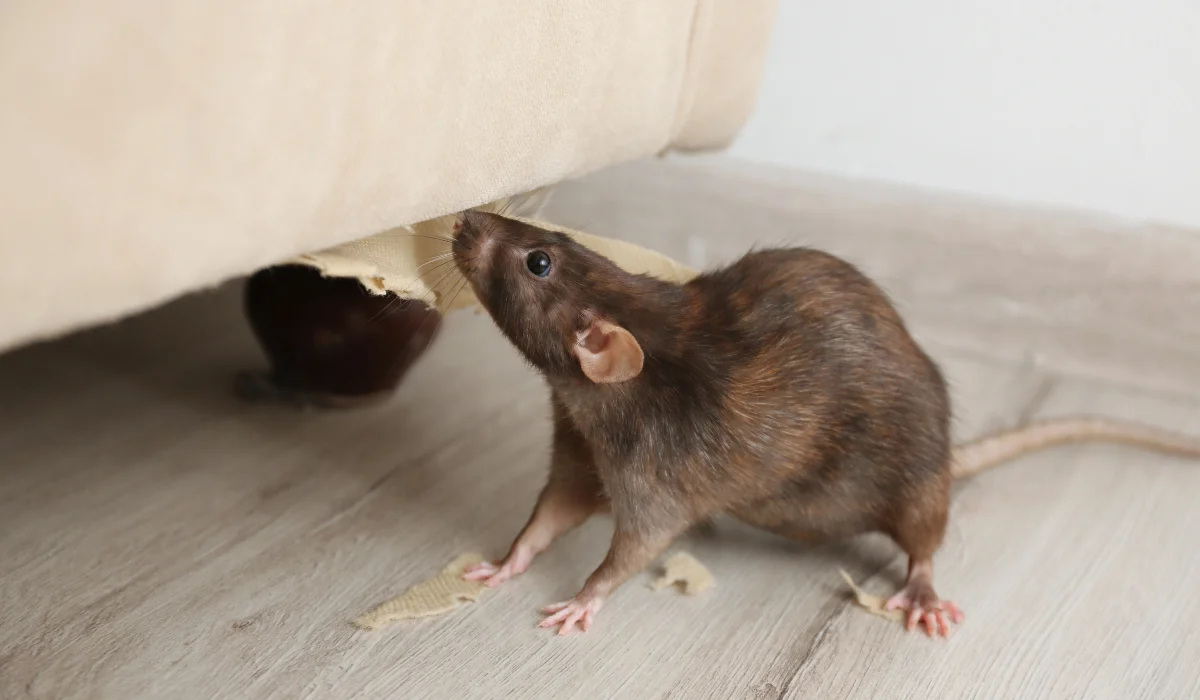
If you find small droppings in a pantry or hear light scurrying in the walls, house mice are a common cause. This rodent lives well indoors and can squeeze through a dime-sized gap. In older Slidell neighborhoods, mice enter through gaps at doors, vents, and under siding. Early identification keeps damage small.
Among the different types of mice found in Louisiana, house mice have pointed snouts, large ears, and bodies about 2-3 inches long. They search kitchens, garages, and attics for crumbs, pet food, and nesting material. They breed fast, so a minor issue can turn into an infestation. Look for gnaw marks on electrical wires and on cardboard in storage areas. These signs mean it is time to act.
One clue technicians check in attics is a gray or darkened travel path through insulation or along surfaces. Oils from a mouse’s coat can leave discoloration along a route it uses repeatedly. Following that trail can help show where the mouse is moving and may point back toward an opening that needs another look from outside.
If you have a mouse problem, a rodent control or mouse control service can inspect, treat, and seal entry points. Local teams know the small gaps common in Louisiana homes and use proven methods to block them.
Roof Rats in St. Tammany Parish

Roof rats are among the most common rats in Louisiana, especially in coastal areas with large trees and older roofs. These agile climbers often build nests in attic insulation. Learning how to know if you have a rat nest in your attic can help you catch the problem early before it spreads.
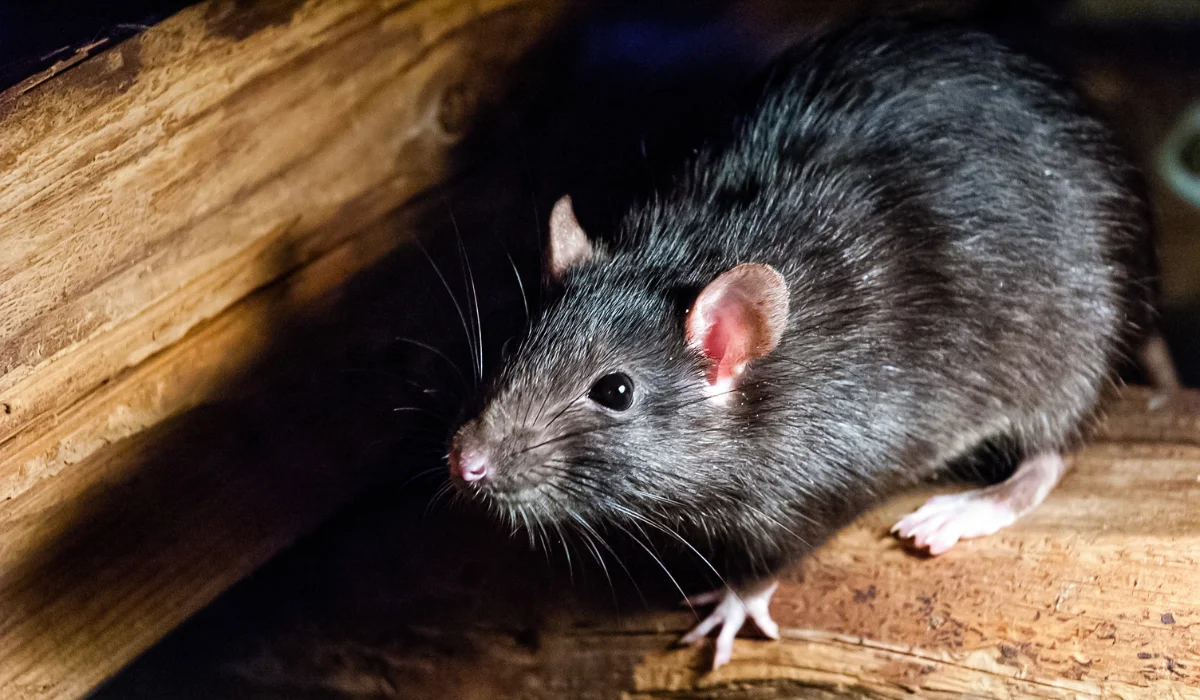
Roof rats have slender bodies, large ears, and long tails. They prefer high spaces and travel along fences, branches, and utility lines. They enter through roof gaps, attic vents, and soffit openings. They chew insulation, wiring, and stored items. Many homeowners later find shredded insulation or trails along beams.
In St. Tammany Parish homes, technicians often compare what they find in the attic with the roofline outside. A trail through insulation may lead toward a loose soffit, fascia gap, vent opening, or utility penetration that was easy to miss from ground level. A rat control service can identify those routes and address the access point instead of focusing only on the animal inside.
Norway Rats and Other Brown Rats

The Norway rat, also known as the common rat or brown rat, thrives in areas with steady food and shelter. Slidell areas near waterways often see them outdoors, but they enter homes through gaps at foundations and damaged vents. They are larger than roof rats and live in lower areas, such as crawl spaces and basements.
Unlike roof rats, Norway rats dig. They tunnel under sheds, patios, and foundations. Look for holes at soil lines and disturbed ground near A/C lines.
Indoors, they leave larger droppings, shredded insulation, and heavy gnaw marks on wood and plastic. Dropping size is also one of the clues technicians use when narrowing down what type of rodent may be active in a home.
Because Norway rats stay near ground level, focus on crawl-space openings, foundation gaps, and other lower access points. If burrows or indoor signs keep returning, a rat control service can inspect those areas and determine where exclusion work is needed.
Nutria and Muskrats Near Wetland Areas
Nutria and muskrats live around the Pearl River, Lake Pontchartrain, canals, marshes, and other wet areas near Slidell. Heavy rain and flooding can move them closer to developed properties when water levels change or their usual habitat becomes disturbed.
These rodents are different from the rats and mice that move into attics and garages. Nutria, in particular, are closely monitored in Louisiana because their burrowing and feeding can damage marsh habitat.
If a large semi-aquatic rodent is causing problems around a shoreline, drainage bank, or wet part of your property, wildlife control is a better fit than treating the situation as an indoor rat or mouse problem.
Local Rodent Activity Around Lake Pontchartrain and the Pearl River
The types of rodents in Slidell, LA can stay active for much of the year, but weather often changes where you notice them. Heavy rain, tropical systems, and high water near Lake Pontchartrain, the Pearl River, Bayou Liberty, and nearby drainage areas can push rodents toward higher, drier shelter.
Cooler nights can bring a different shift. Rats and mice living around yards, sheds, trees, and outdoor storage may begin using garages, crawl spaces, and attics more often. Dense tree cover can give roof rats another route when branches touch or overhang a roof.
Food around the exterior also affects activity. Open trash, pet food, bird seed, grills, and garden produce can keep rodents close to the structure. If your home already has a worn seal or small opening, that nearby food and shelter can make the property easier to use.
How Rodents Enter Slidell Homes
Rodents use gaps around doors, foundations, rooflines, siding, vents, and utility lines to enter homes. Older Slidell properties may have worn weatherstripping, aging soffits, crawl-space openings, loose vents, or gaps left around plumbing and A/C lines.
Raised homes and houses with crawl spaces need attention around the lower structure, while roof rats create a different problem above. Loose soffits, fascia gaps, attic vents, and openings along the roofline can give climbing rats a direct route into an attic.
When LaJaunie’s technicians inspect a rodent problem, they compare exterior openings with what they find inside. If an attic runway leads toward one corner of the house, they may recheck that part of the exterior for a gap that was not obvious during the first pass.
Local pest control can map those openings and recommend repairs or exclusion as part of residential pest control services in Louisiana. The goal is to address the route rodents are using, not just the signs they leave behind.
Signs of Rodent Activity in Slidell Homes
These small critters hide well, so the first clues are what they leave behind. Look for droppings near food shelves, scratching in the attic, and nesting material in storage. These signs show an animal has moved inside.
Fresh droppings, gnaw marks, shredded insulation, and greasy rub marks along walls point to active rodents. Roof rats leave trails along beams. House mice leave tiny tracks in dusty corners. Damaged wires and torn fabric in boxes also signal nesting. Problems grow fast once an infestation starts.
Technicians do not rely on one sign alone. Dropping size, nesting material, chewing, attic trails, odors, and the location of the activity can all help narrow down what is moving through the home. They may also inspect A/C conduits because rodents sometimes chew around these areas while seeking moisture.
Noises can be misleading, too. Birds entering an attic can sometimes sound similar to rodents moving overhead, so an inspection helps confirm what is actually there before any control work begins.
Exclusion and Prevention for Slidell Homeowners
Rodent prevention starts with reducing the openings and conditions that let rats and mice stay close to your home. Check garage-door seals, vents, soffits, crawl-space openings, siding, and utility penetrations for gaps or worn materials.
Trim branches away from the roof where practical, store food in sealed containers, keep pet food inside overnight, and clean up spilled bird seed. Garages and attics should also stay free of unnecessary cardboard, fabric, and clutter that rodents can use for nesting material.
For structural openings, the repair material matters. Some gaps need metal mesh, steel, cement, or another durable barrier rather than a temporary patch.
The Centers for Disease Control and Prevention (CDC) recommends removing food, water, and shelter sources and sealing openings as part of rodent prevention. It also provides guidance for cleaning areas where droppings or nesting material are present.
When to Call for Professional Rodent Control
If you hear steady scratching, keep finding fresh droppings, smell a persistent attic odor, or notice new gnaw damage, an inspection can help determine what species is active and where it is getting inside. This is especially useful when the signs return after basic sealing or trapping.
Some homes need more involved exclusion around soffits, fascia, vents, crawl spaces, or the base of the structure. If attic insulation has been damaged or contaminated, cleanup may also be part of the next step depending on what the inspection finds.
For repeated activity, schedule rodent control in Slidell, LA, so the whole structure can be checked instead of treating each new sign as a separate problem.
Making the Right Rodent Control Choice for Your Slidell Home
The different types of rodents in Slidell LA leave different clues. Roof rats often use upper entry points, Norway rats tend to stay closer to the ground, and house mice can use small gaps around doors, siding, vents, and utility lines. Wetland rodents such as nutria and muskrats need a different approach altogether.
If signs keep returning, the next step is finding the route the animal is using. LaJaunie’s Pest Control can inspect the problem areas, identify the rodent, and recommend control or exclusion based on what is found. Contact us today or request a free quote to schedule your inspection and keep your Slidell home rodent-free
Rodents in Slidell, LA: FAQs
u003cstrongu003eWhat rodents are in Louisiana?u003c/strongu003e
Louisiana has several rodents, including house mice, roof rats, Norway rats, nutria, and muskrats. Around Slidell, rats and mice are the ones most often associated with attics, garages, kitchens, and crawl spaces, while nutria and muskrats are more closely tied to wetlands and waterways.
u003cstrongu003eWhat are the most common rodents in Slidell?u003c/strongu003e
House mice, roof rats, and Norway rats are common around Slidell homes. Roof rats favor attics and rooflines, Norway rats stay closer to foundations and ground-level shelter, and house mice can nest in kitchens, garages, walls, and storage areas.
u003cstrongu003eHow do rodents get into Slidell homes?u003c/strongu003e
Rodents use gaps around soffits, rooflines, vents, garage seals, crawl spaces, siding, pipes, and utility lines. Older homes may have more worn seals or small structural openings that give rats and mice a route inside.
u003cstrongu003eWhen should I call a professional for rodent problems?u003c/strongu003e
Call when you continue finding fresh droppings, hearing scratching, noticing gnaw marks, or smelling strong attic odors. An inspection can identify the species, locate likely entry points, and show whether sealing or other control work is needed.