

 Request your free quote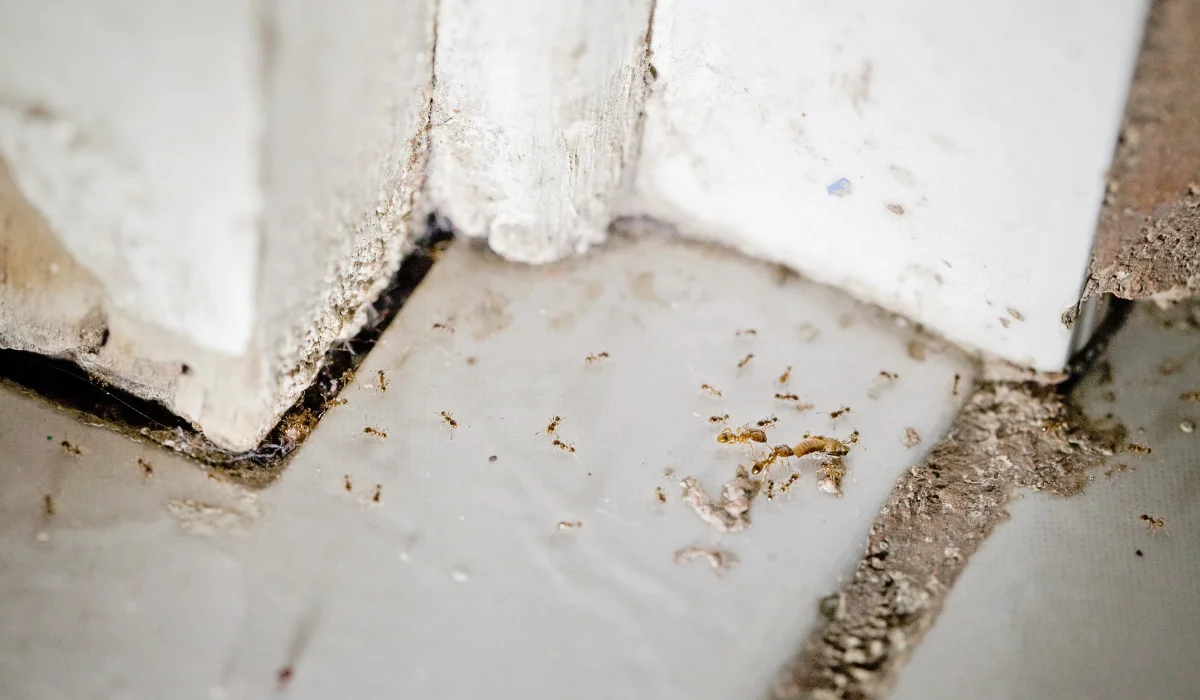
You walk into the bathroom and see tiny ants along the sink or crawling near the baseboards. It feels unsettling, especially when there is no food nearby. This problem occurs more often than most homeowners expect, prompting a common question: Why are there ants in the bathroom?
In Louisiana, bathrooms often create ideal conditions for ants. High humidity, frequent rain, and warm weather keep ants active all year. Because bathrooms collect moisture, ants typically appear there first when conditions inside or outside the home change.
If you see ants in bathroom areas, the problem usually involves more than a few wandering insects. In most cases, it indicates a growing ant problem that requires prompt attention and may call for professional pest control in Louisiana. When you understand the cause, it becomes easier to get rid of ants and prevent them from returning.
Key Takeaways
- Ants in bathroom spaces often point to moisture problems or nearby ant colonies
- Water sources, like leaky faucets and standing water, attract ants quickly
- Sealing entry points and reducing excess moisture supports ant control
- Professional pest control helps eliminate the entire colony, not just visible ants
Watch: Common Types of Ants You May Find in Your Home
If you are not sure which kind of ant you are dealing with, seeing the differences helps. Some ant species are drawn to moisture, while others indicate structural or nesting concerns. Knowing the type often explains why ants in bathroom areas keep returning.
This video covers 10 common types of ants homeowners encounter, including several found throughout Louisiana. Pay attention to size, color, and behavior, since those clues help narrow down the ant species involved.
Once you have a better idea of the ant species present, choosing the right ant control approach becomes much clearer.
Why Are There Ants in the Bathroom
When homeowners ask why ants show up in the bathroom, the answer usually comes down to survival. Ants move with purpose and follow their needs to survive.
Bathrooms offer a steady water source, which often matters more to ants than food. Even minor issues, such as pipe condensation or a slow drip from a faucet, can provide enough moisture for ant colonies. Over time, this steady access pushes ants to explore deeper into the home.
Bathrooms also provide shelter. Dark crevices, tile grout gaps, and spaces behind baseboards give ants safe pathways. In some cases, ants establish a hidden ant nest inside walls or beneath flooring long before the problem becomes obvious.
Moisture Issues That Attract Ants
Moisture remains the primary reason ants appear in bathrooms, especially during humid Louisiana summers.
Leaky faucets, slow drains, and standing water near tubs or toilets all attract ants. Even moisture trapped under sinks or behind cabinets can draw them in. Over time, these damp areas support the growth of ant colonies.
Ventilation also affects ant activity. Bathrooms without working exhaust fans trap moisture and raise room humidity. Run exhaust fans frequently or use a dehumidifier to reduce moisture and limit conditions that attract ants.
Common Types of Ants Found in Bathrooms
Not all ants behave the same way indoors. Several ant species commonly appear in Louisiana bathrooms, and identifying them helps guide next steps.
Odorous house ants are small, dark, and often follow moisture trails indoors. Pharaoh ants are even smaller and usually nest in walls, making them difficult to remove without professional assistance. Argentine ants form large colonies and often appear in long trails.
Black and sugar ants also appear in bathrooms, especially when soap residue or toiletries accumulate. In some homes, carpenter ants are found near water-damaged wood and can raise concerns similar to those caused by termites. While termites receive more attention, carpenter ants can also damage decaying wood.
How Ants Get Into the Bathroom
Ants rarely enter homes by accident. Instead, they use specific entry points and move toward moisture.
Small gaps around window frames, worn weatherstripping, and openings around plumbing lines provide ants with easy access. Once inside, ants travel along baseboards and through cracks until they reach water.
Cracked grout and worn caulk around tubs or sinks often go unnoticed. Over time, these small openings widen, making it easier for ants to move freely. Sealing these entry points plays a key role in long-term ant control.
Signs the Ant Problem Is Bigger Than the Bathroom
Seeing a few tiny ants near the sink might not seem serious at first. However, some signs suggest the ant problem extends beyond the bathroom.
If ants appear at the same time each day, they likely belong to established ant colonies nearby. Trails leading in and out of the bathroom often connect to kitchens, laundry rooms, or exterior walls. Finding ants in multiple rooms usually confirms an ant infestation.
Repeated cleaning without lasting results also signals a deeper issue. When ants return despite regular cleaning, it often means the entire colony remains active somewhere in the home.
Simple Steps Homeowners Can Take
For early ant problems, a few practical steps can reduce activity. These steps remove conditions that attract ants.
Regular cleaning helps. Wipe down surfaces to remove soap residue, toiletry buildup, and dead skin cells. Focus on corners, cabinets, and areas behind toilets.
Next, reduce moisture. Fix leaky faucets, dry standing water, and use exhaust fans often. Seal entry points with caulk around windows, baseboards, and plumbing openings. These steps provide basic ant control but may not eliminate the entire colony.
Why Ant Baits and DIY Methods Often Fall Short
Many homeowners try ant baits or DIY methods first. These options may reduce visible ants, but they rarely solve the full problem.
Most store-bought ant baits only affect worker ants. If bait never reaches the colony, ants keep returning. Some ant species avoid certain baits.
Sprays and surface treatments only create short-term results. They kill ants on contact, but they do not reach hidden nests. Without targeting the colony, ants quickly return.
When Professional Ant Control Makes Sense
When ants repeatedly return or appear in multiple areas, professional ant control services are the best option. A licensed exterminator understands ant species, nesting habits, and treatment timing.
Professional pest control targets the source of the problem, not just surface activity. Treatments target nesting sites, entry points, and moisture conditions that support ants. Working with a trusted pest control company also saves time and stress. Instead of guessing, homeowners receive an ant treatment plan that fits their specific ant problem.
Keeping Your Bathroom Ant-Free Long Term
Long-term ant control depends on prevention as much as treatment. Once ants are gone, controlling moisture makes a clear difference.
Maintain regular cleaning and inspect bathrooms for leaks or water damage. Replace worn caulk, repair grout, and keep exhaust fans working properly.
For homeowners in Thibodaux, Houma, Baton Rouge, New Orleans, and nearby areas of Louisiana, routine pest control service helps prevent recurring ant infestations. Ongoing care addresses problems before they turn into infestations.
Why LaJaunie’s Pest Control Is a Smart Choice
At LaJaunie’s Pest Control, we work with Louisiana homeowners who want clear answers and steady results when ants become a repeat issue. The focus stays on solving the problem at its source, not just managing what shows up on the surface.
If ants in the bathroom keep returning, it may be time to address the root cause rather than the symptoms.
Contact us today to schedule an inspection and get started.
FAQs
Why do ants keep coming back to my bathroom?
Ants return when moisture or entry points remain. Leaky faucets, excess moisture, and unsealed crevices give ants what they need to survive.
Are tiny ants in the bathroom dangerous?
Most tiny ants are harmless, but their presence indicates an ant infestation. Some ant species, like pharaoh ants, spread quickly and require professional ant control.
Can pest control eliminate ants permanently?
While no home stays ant-proof forever, professional pest control significantly reduces ant colonies and helps prevent future ant problems with ongoing service.