



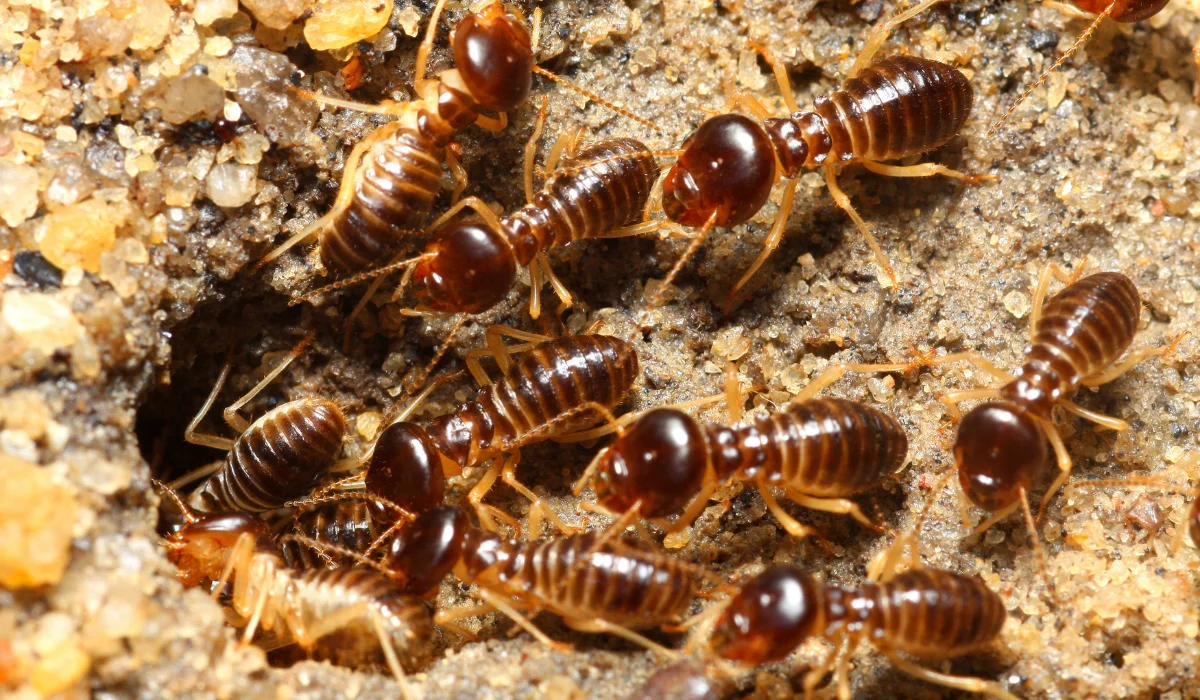
Termites swarming after rain in New Orleans are responding to conditions that support their natural reproductive cycle. Moist soil, warm temperatures, and higher humidity can create favorable conditions for winged termites, also called swarmers or alates, to leave an established colony and attempt to start a new one.
Seeing swarmers outside does not automatically mean termites are living inside your home. Indoor swarmers, piles of discarded wings, mud tubes, frass, or damaged wood deserve more attention because they can point to activity in or near the structure. Knowing why termites swarm after rain and what to check afterward can help you decide when a professional inspection makes sense.
Key Takeaways
- Warm temperatures, moist soil, and humid conditions after rain can support termite swarming activity in New Orleans.
- South Louisiana has Formosan, Eastern subterranean, and drywood termites, and swarm timing can vary by species.
- Indoor swarmers, discarded wings, mud tubes, frass, or damaged wood are reasons to schedule a professional termite inspection.
Why Termites Swarm After Rain in New Orleans
Termites swarming after rain in New Orleans are taking part in the reproductive stage of a termite colony. Mature colonies produce winged termites that leave the nest, pair up, and attempt to establish new colonies. Rain does not create a termite colony, but the conditions surrounding a storm can make swarming more noticeable.
For subterranean termites, moisture in the soil is especially relevant because these termites live and travel through the ground. Warm weather and humid air can also support swarm activity once winged termites leave the protection of the colony.
Moist Soil Supports Subterranean Termite Activity
Subterranean termites depend on soil and moisture as part of their life cycle. After rainfall, the soil around a home can hold more moisture, especially in areas where water drains slowly or collects near the foundation.
This is why moisture management matters around New Orleans homes. Standing water, leaking plumbing, clogged gutters, and drainage problems can leave the soil around a structure wetter than necessary. These conditions do not prove that termites are present, but they are worth correcting because subterranean termites rely on moisture.
During a termite inspection, areas around foundations, crawl spaces, and other places where soil and wood are close together deserve careful attention. A property can have damp conditions without an infestation, so moisture should be considered alongside signs such as mud tubes, swarmers, or damaged wood.
Warm Weather Can Coincide With Swarming
Warm temperatures are another part of termite swarming conditions. According to LaJaunie’s service information, termite swarm timing in Louisiana varies by species. Some termites swarm in late spring, some may swarm from April through July, and some can swarm at other times of the year.
That variation matters because the month of a swarm does not identify the termite species by itself. A pest professional will also consider what the insects look like, where they appeared, and what other evidence is present around the property.
For New Orleans homeowners, the practical point is simple: do not assume a swarm is harmless because it happened earlier or later than expected. Different termite species can have different activity patterns.
Humidity Helps Swarmers Remain Active
Winged termites leave the protected environment of the colony during a swarm. Humid conditions can help them remain active after they emerge, while dry conditions can make it harder for them to survive for long outside the colony.
Rain often raises outdoor humidity, which helps explain why termite activity may become more noticeable after a storm. Warm, humid conditions are common in South Louisiana, so homeowners may encounter winged termites during periods of active swarming.
The presence of swarmers still needs context. A few winged termites outside are different from termites emerging through an interior wall, window frame, or another part of the house.
Lights Can Make Swarms Easier to Notice
Termite swarmers are often noticed around lights, which is why porch fixtures, illuminated windows, and bright indoor rooms can become gathering points during a swarm. Seeing a large cluster around a light can make the event look sudden even if the colony has been present for a long time.
The tendency of termite swarmers to follow lights can also help explain why homeowners often discover them in the evening. Swarmers outside around a porch light may have come from a nearby colony, while insects emerging indoors deserve a closer look.
If you find termites inside, pay attention to where they seem to be coming from instead of focusing only on where they eventually gather.
Termite Types Found in South Louisiana
LaJaunie’s treats Formosan termites, Eastern subterranean termites, and drywood termites in South Louisiana. These termites do not all live in the same places or leave the same signs, so correct identification plays an important role in choosing a treatment plan.
Swarm timing can vary between species, and the treatment for a subterranean termite problem may be very different from the treatment used for drywood termites. That is why the insect itself and the evidence around the property matter more than the date alone.
Formosan Subterranean Termites
Formosan termites are one of the subterranean termite types LaJaunie’s treats in Louisiana. Because they are subterranean termites, their activity is associated with colonies that rely on moisture and have a relationship with the soil.
Seeing Formosan swarmers outside does not automatically mean the colony is inside your home. The swarm may have come from another location nearby. If winged termites are appearing indoors, however, or if you find other signs such as mud tubes or wood damage, an inspection can help determine what is happening.
It is also important not to identify Formosan termites solely from the time of year. LaJaunie’s service information confirms that termite swarm timing varies, but it does not assign one exact swarm period to each termite species.
Eastern Subterranean Termites
Eastern subterranean termites also live in soil and travel to wood and other cellulose sources. One common sign of this activity is termite mud tubes built over foundations, piers, walls, or other hard surfaces.
These tubes help termites move between the soil and a food source while maintaining the conditions they need. You may find them along the foundation, in a crawl space, or on another surface that connects soil to the structure.
If you find a mud tube after a swarm, do not assume the problem ended when the flying termites disappeared. Worker termites can remain active out of sight even after the swarm itself has stopped.
Drywood Termites
Drywood termites live differently from subterranean termites because they can establish colonies within wood without maintaining the same direct soil connection. Their signs may include discarded wings, small openings in wood, wood damage, or dry pellet-like droppings called frass.
Because subterranean and drywood termites behave differently, treatment methods also differ. Subterranean termite control focuses heavily on the relationship between the structure and the soil, while drywood termite treatment targets affected wood and other infested areas.
This distinction is another reason not to choose a treatment based only on seeing flying insects. The termite type needs to be identified first.
Why Rain and Moisture Matter Around New Orleans Homes
Rain and moisture matter because subterranean termites rely on damp conditions. New Orleans homes can experience periods of heavy rainfall, and moisture may collect near the structure when gutters, drainage, plumbing, or other water-management systems are not working properly.
That does not mean rain itself causes a termite infestation. A colony must already exist before it can produce a swarm. The concern is that persistent moisture can create conditions that support subterranean termite activity around a property.
Standing Water Near the Foundation
Water that remains close to a foundation can keep nearby soil damp for extended periods. Clogged gutters, leaking fixtures, and drainage problems are all conditions worth correcting when you are trying to reduce termite risk.
LaJaunie’s termite prevention guidance recommends eliminating standing water, repairing leaks, and keeping gutters and downspouts clear. These steps can help reduce moisture around a structure while also addressing conditions that may contribute to other property problems.
You do not need to wait until you see termites to make these changes. Routine moisture management is part of keeping the area around a home less favorable to subterranean termite activity.
Damp Crawl Spaces
Crawl spaces are another area where moisture and termite activity may overlap. During a termite inspection, technicians may examine crawl spaces for mud tubes, damaged wood, or other evidence of wood-destroying insects.
A damp crawl space by itself is not proof of termites. It does, however, give you a reason to look more closely when it appears alongside swarmers, discarded wings, or suspicious wood damage.
Access to the crawl space also matters during an inspection. LaJaunie’s service process includes examining structural areas that may show signs of current activity or conditions that could contribute to a future problem.
Water-Damaged Wood
Roof leaks, plumbing problems, and other sources of moisture can damage wood over time. Termites feed on cellulose in wood, so any area with ongoing moisture and visible damage deserves attention when termite activity is suspected.
Repairing the water source is an important part of protecting the structure, but it does not remove termites that are already present. If an infestation exists, treatment needs to address the termite species and the areas where activity is occurring.
That is why termite inspections look at more than the insects themselves. Moisture, wood condition, mud tubes, frass, discarded wings, and the location of activity can all help build a clearer picture of the problem.
What to Do After You See Termite Swarmers
Seeing swarmers after rain does not always mean termites have infested your home. The most useful next step is to determine what you saw, where the insects appeared, and whether there are other signs of termite activity nearby.
Taking a few minutes to check the area can give a pest professional better information if you decide to schedule an inspection.
Make Sure They Are Termites
Flying ants and termite swarmers can look similar from a distance. Termite swarmers have straight antennae and two pairs of wings that are similar in length, while flying ants have bent antennae, narrower waists, and front wings that are longer than the rear pair.
The appearance of winged termites in New Orleans can be confusing when you only see them briefly around a window or light. If you are unsure, save a few insects in a container or take clear photos instead of guessing.
Correct identification helps determine whether you are dealing with termites, ants, or another flying insect.
Check Where the Swarmers Appeared
Location matters. Swarmers clustered around an outdoor porch light may have come from a colony somewhere nearby, while termites appearing inside a closed room or emerging from part of the structure deserve more attention.
Check windowsills, floors, baseboards, doors, and nearby wood for shed wings. Termite swarmers drop their wings after landing, so piles of matching wings can be a useful clue even after the insects themselves are gone.
If you see insects coming directly from a wall, window frame, or another structural area, make a note of the location and avoid disturbing the area more than necessary before an inspection.
Look for Other Signs of Termites
Discarded wings are one of the easiest signs to find after a swarm, but they are not the only clue. Subterranean termites may leave mud tubes, while drywood termites may leave frass near infested wood.
You may also notice wood that is damaged, splintering, or showing changes that resemble water damage. LaJaunie’s service information notes that termite signs can include mud tubes, wings on windowsills or baseboards, frass, small openings in wood, and visible structural damage.
No single sign tells you the full extent of an infestation. Several signs appearing together make a professional inspection more important.
Reduce Moisture Around the Property
Termite prevention for Louisiana homes includes reducing standing water, repairing leaks, keeping gutters clear, and removing damp or rotting wood around the property. These steps are especially relevant after periods of heavy rain.
Keep an eye on plumbing leaks, air-conditioning drainage, roof leaks, and water collecting near the foundation. You should also avoid leaving dead wood or tree stumps close to the home when they can be removed.
Moisture reduction will not eliminate an established termite colony, but it can address conditions that support subterranean termite activity around the structure.
Do Not Assume the Problem Ended With the Swarm
Termite swarms are temporary. The colony that produced the swarm can continue operating after the winged termites disappear.
Sweeping up dead swarmers or shed wings only removes the visible part of the event. Worker termites can remain active in soil, wood, walls, or other concealed areas.
If the swarm happened indoors or you find mud tubes, frass, wood damage, or repeated termite activity, an inspection is the next practical step.
When to Schedule a Termite Inspection in New Orleans
Schedule a termite inspection when swarmers appear indoors, you repeatedly see termite activity close to the structure, or you find discarded wings, mud tubes, frass, or suspicious wood damage. These signs do not all mean the same thing, but they can help a technician determine where to focus the inspection.
LaJaunie’s technicians inspect structural areas such as foundations, crawl spaces, attics, and other locations where wood-destroying insects may be active. The treatment recommendation depends on the termite species, the location of the activity, and the construction of the property.
For subterranean termites, LaJaunie’s may use bait stations around the structure or foundation treatments designed to control termites moving between the soil and the building. Drywood termites require a different approach because they live within wood, so treatment may target affected wood and concealed areas instead.
LaJaunie’s termite control services cover Formosan, Eastern subterranean, and drywood termite activity, with treatment selected based on what the inspection finds.
Protecting Your New Orleans Home After a Termite Swarm
Termites swarming after rain can be part of their normal reproductive cycle, but indoor swarmers, discarded wings, mud tubes, frass, or damaged wood should not be ignored. Check where the insects appeared, correct moisture problems you can identify, and arrange an inspection when other signs of termite activity are present.
LaJaunie’s Pest Control provides termite services for homes and businesses throughout Southeast Louisiana, including control for Formosan, Eastern subterranean, and drywood termites. If you see termite swarmers after rain or find signs of activity around your property, contact LaJaunie’s to schedule a termite inspection and determine the right next step for your home.
Frequently Asked Questions
Why Do Termites Swarm After Heavy Rain?
Rain can increase soil moisture and humidity, while warm conditions may create a favorable time for reproductive termites to leave an established colony. The swarm is part of the termite life cycle. Rain can coincide with or help support visible swarm activity, but it does not create the original colony.
What Should I Know About Formosan Termite Swarmers in New Orleans?
Formosan termites are one of the subterranean termite types LaJaunie’s treats in South Louisiana. Seeing swarmers outdoors does not automatically mean your house is infested. Swarmers emerging indoors, discarded wings, mud tubes, or wood damage give you stronger reasons to schedule an inspection and identify the termite species.
Does Seeing Termite Swarmers Mean My House Has Termites?
Not always. An outdoor swarm may come from a colony somewhere nearby. Swarmers emerging indoors, repeated indoor sightings, discarded wings, mud tubes, frass, or damaged wood create more concern that termite activity may be connected to the structure.