


 Request your free quote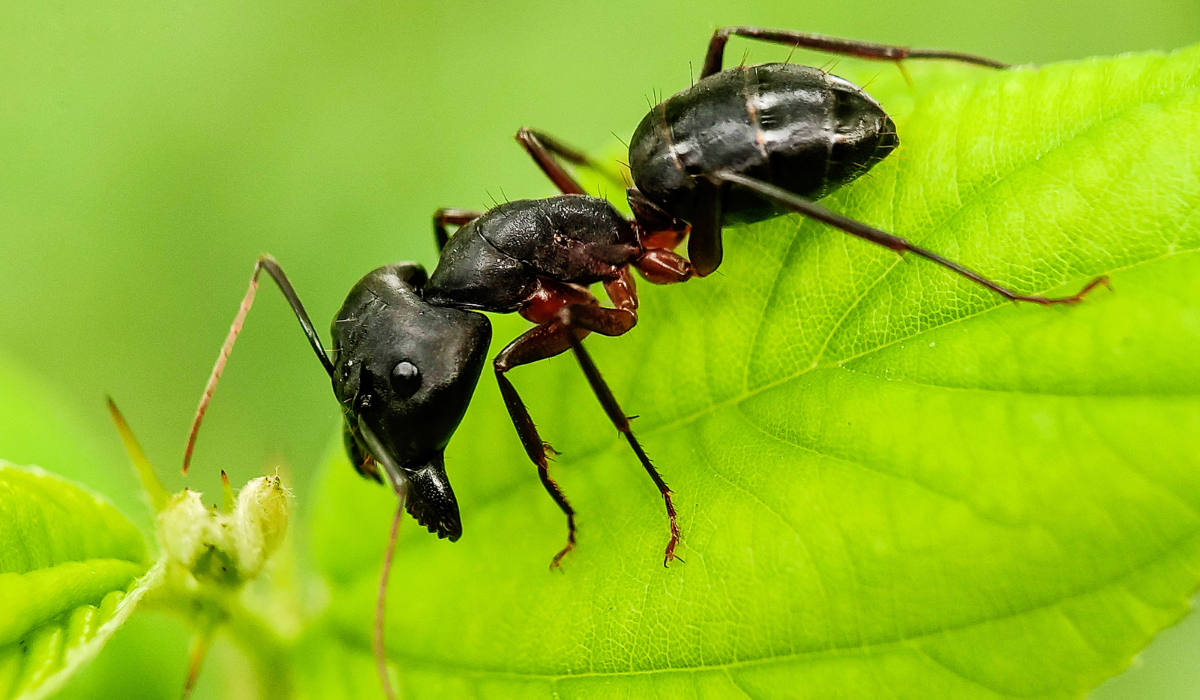
If you’ve seen carpenter ants in your Louisiana home, it’s time to take action. These ants don’t eat wood like termites, but they tunnel through it to build nests. Over time, tunneling can weaken damp or already-damaged wood and may contribute to repairs in affected areas.
You might notice piles of sawdust near walls, faint rustling in the evening, or large black ants moving in and out of cracks. You may even see winged ants, also called swarmers, near windows in spring. These signs can point to carpenter ants, and an inspection can confirm what’s going on and where they’re nesting.
So, what do exterminators do for carpenter ants?
The goal is to locate active nests, treat the full colony network, and reduce the chance of reinfestation.
Key Takeaways
- Exterminators focus on locating active nests and treating the colony network, including any satellite nests they can identify.
- Professional plans may use bait, dust products, and perimeter treatments where appropriate to reach hidden nests and help reduce entry.
- Fixing leaks, replacing damaged wood, and sealing gaps can help lower the risk of reinfestation and reduce moisture-related nesting.
- Secure trash, store pet food properly, and trim branches touching the roof to reduce attractants and entry routes.
What Exterminators Actually Do for Carpenter Ants
Carpenter ant removal isn’t about spraying the ones you see.
The real job is to remove the entire colony network, including hidden queens in parent colonies and satellite nests tucked into wall voids and wooden structures.
Inspection and Identification
Your technician starts by confirming the ant species.
Different types of ants need different approaches, and proper ID helps your treatment work faster. Carpenter ants are often larger ants that may be black or red-and-black, with elbowed antennae and a narrow waist.
They’re sometimes confused with termites. Termites typically have straight antennae, and swarmers have two pairs of wings that are about the same length.
During the inspection, your technician may look for sawdust and signs of structural damage around window sills, baseboards, porches, and attics. They check moist spots, decaying wood, and any area with water issues.
Tools like flashlights and moisture meters can help assess damp areas and follow activity patterns that may lead to nesting sites.
Locating Nesting Sites
Carpenter ants prefer damp, decaying wood.
Nests often hide in wall voids, crawl spaces, porch supports, rooflines, or tree branches that touch the house. Your pest control professional may track worker ants and inspect likely nesting areas to identify active nests and any satellite colonies that can be treated.
Applying Targeted Treatments
Once activity areas are identified, your technician may use a combination of bait, dust products in voids where appropriate, and perimeter treatments based on the structure and conditions. Baits can be carried back by foraging ants, and dust products can be useful in voids or cracks where other materials won’t reach, depending on the situation.
Residential pest control services that include perimeter treatments can help reduce activity along common travel paths and entry points.
These products are chosen for the setting and applied to target active areas, with the goal of reaching the colony, not just the ants you see.
Fixing Moisture and Sealing Entry Points
Carpenter ants thrive in damp wood.
Your exterminator will recommend repairs to leaks, better ventilation in crawl spaces, and replacing water-damaged sections.
Sealing small gaps around doors, vents, and siding can help reduce entry. Trimming tree branches that touch the roof removes an easy bridge into the structure.
The Treatment Plan They’ll Recommend (And Why)
Every property is unique, so your plan is based on the colony size, layout, and any structural damage. Some homeowners try store-bought options, like boric acid or diatomaceous earth, for minor ant activity. But hidden carpenter ant nests can be hard to reach without a targeted plan.
A professional plan aims to treat the colony, not just the ants you can see.
Ant Bait and Dust Combination Treatment
Ant baits can work over time as foragers share them within the colony. Dust products may help in voids, but results and timing depend on nest location and conditions.
Used together, these methods can help address parent and satellite nests that are accessible and may lower the chance of ongoing activity.
Moisture and Damaged Wood Control
Since carpenter ants prefer damp, decaying wood, your technician will focus on drying problem areas and repairing damaged wood. Reducing moisture and addressing damaged wood can make the structure less attractive for nesting and help protect vulnerable areas.
Preventive Perimeter Protection
After activity drops, a perimeter treatment may be used to help reduce the chance of ants re-establishing. Your technician will also discuss sanitation tips, like storing pet food in sealed containers and picking up bowls at night so worker ants have fewer easy food sources.
At LaJaunie’s Pest Control, your service includes a re-treat guarantee for the duration of the residential contract, covering in-between visits at no extra cost.
If the ants return during your contract, we’ll come back at no extra cost.
What Results Look Like (And What They Don’t)
Carpenter ant control takes some time. Baits need to circulate through the colony network.
Signs the Treatment Is Working
You may start to see fewer worker ants as treatment takes effect, though timing varies by nest size and location. Sawdust activity may slow or stop as nesting activity is brought under control.
If swarmers were present, indoor flights often decrease once nesting is addressed, though timing can vary. Follow-up checks look for signs of ongoing activity, such as fresh frass or continued movement.
Signs the Treatment Isn’t Working
If you still find fresh sawdust or steady ant traffic after a few weeks, there may be additional nests or activity in hard-to-reach areas. Some natural remedies may reduce visible ants, but can make it harder to track activity if the nest isn’t addressed.
That’s why professional tracking, baiting, dusting, and residual barriers are important to get rid of carpenter ants fully.
Schedule a Carpenter Ant Inspection in Southeast Louisiana
Carpenter ants show up in homes, rentals, and commercial buildings across southeast Louisiana. Moist wood, unsealed entry points, and overhanging branches make it easy for them to start new colonies.
Whether you’re in Baton Rouge, Thibodaux, Houma, Covington, or New Orleans, we offer same-day appointments, Saturday service, and a 100% satisfaction guarantee. Our certified team will inspect, identify the ant species, and create a plan to protect your property long-term.
Call us to schedule your carpenter ant inspection this week.
FAQs
How can I tell carpenter ants from termites?
Carpenter ants have bent antennae and a narrow waist. Termites have straight antennae and thick waists. Seeing wood shavings, sawdust, or frass and spring swarmers that look like large winged ants usually points to carpenter ants rather than termites.
Can I get rid of carpenter ants myself?
DIY dusts and baits may reduce visible ants but rarely reach hidden nests. Because carpenter ant colonies often include multiple connected nests, a professional plan is the most reliable way to eliminate the entire network and keep it from returning.
How long does treatment take?
Most carpenter ant infestations may clear within two to four weeks. Your technician may follow up to check activity levels and recommend next steps to help reduce the chance of reinfestation.