


 Request your free quote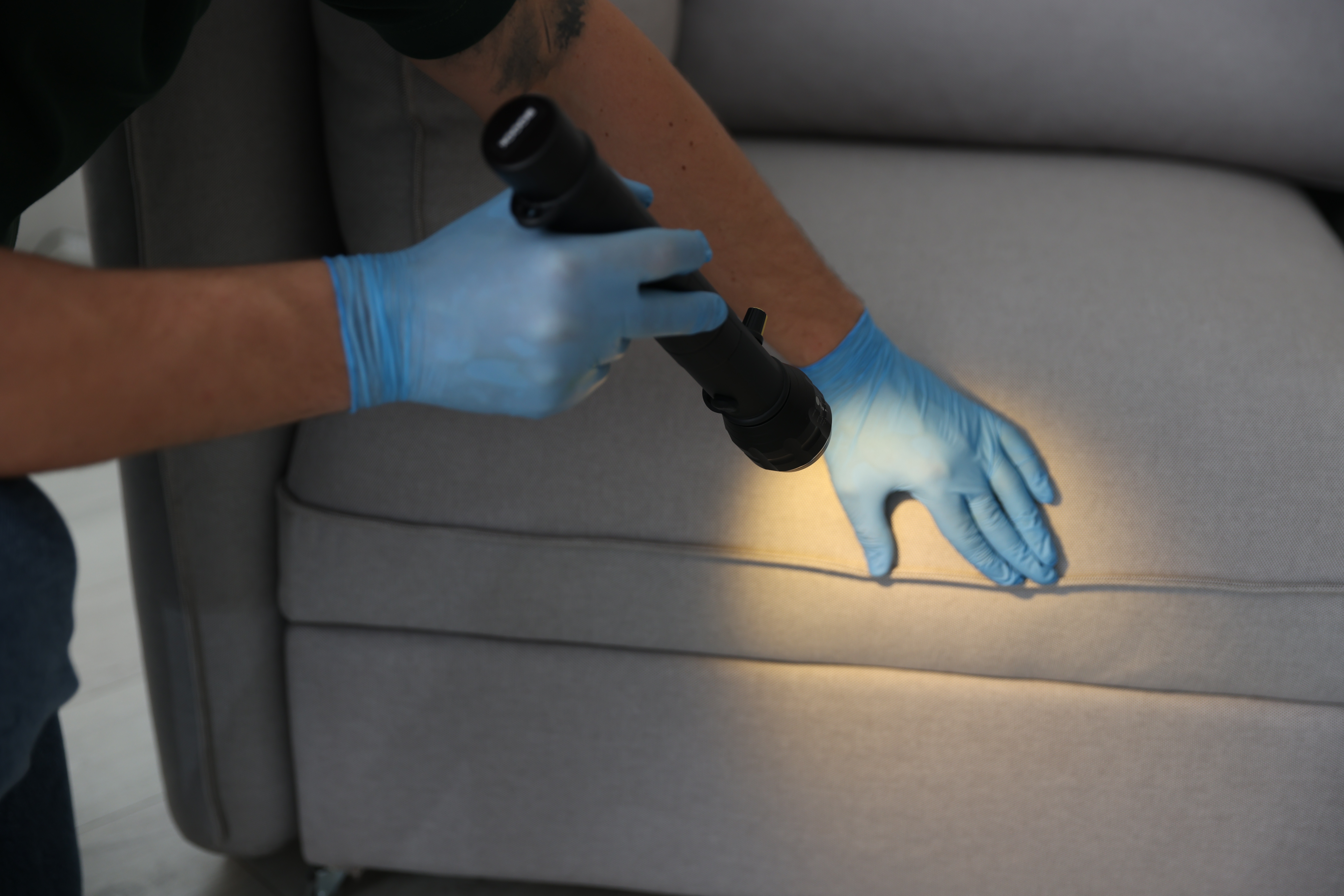
Most Louisiana properties need a termite inspection at least once a year, and some need them even more often. If your home has crawl spaces, moisture issues, older wood, or a history of termite problems, waiting too long between inspections can increase your risk.
Termites stay active for much of the year in Louisiana’s warm, humid climate. They often move through soil and into structures without being seen, which means damage can build before you notice anything.
That’s why timing matters. A consistent termite inspection schedule helps catch problems early and avoid costly repairs. Whether you own a home in Thibodaux, rent in Houma, or manage a business in New Orleans, knowing when to schedule an inspection can help you stay ahead of termite damage.
Key Takeaways
- Most Louisiana homes need a termite inspection once a year, but high-risk properties may need more frequent checks.
- Crawl spaces, moisture issues, older homes, and past termite infestations increase your risk.
- Mud tubes, frass, swarmers, and wood damage are signs you should schedule an inspection sooner.
- Professional termite inspections help detect problems early and guide the right termite treatment.
How Often Should You Schedule a Termite Inspection in Louisiana
Your termite inspection schedule should match your property’s risk level. In Louisiana, regular termite inspections are a normal and practical part of property maintenance.
Annual Termite Inspections for Most Homes
Most homeowners should schedule a termite inspection once a year. Annual termite inspections provide a consistent way to monitor for early signs of termite activity.
During the visit, a pest control company checks key areas such as the foundation, crawl spaces, and exposed wood. They look for mud tubes, termite droppings, early wood damage, and other signs of termite activity.
Even if no termite problems are found, the inspection still provides value. It helps confirm that your home remains in good condition and that no new risks have developed.
Semi-Annual Inspections for Higher Risk Properties
Some properties need a termite inspection every six months. This schedule is common for homes with previous termite infestations, moisture issues, or conditions that make them more vulnerable.
Frequent inspections give technicians more opportunities to catch activity early. In areas with high termite activity, this can help prevent a small issue from becoming a larger problem.
Semi-annual inspections are also helpful for homeowners who want closer monitoring after recent termite treatment.
Quarterly Inspections for Commercial Buildings
Commercial properties often require more frequent inspections. Quarterly termite inspection visits help monitor larger buildings and more complex layouts.
Businesses usually have more traffic, storage areas, and shared spaces. These factors can make it harder to spot early signs of termite activity without routine checks.
Ongoing pest control services often include regular termite inspections, making it easier to maintain a consistent schedule.
Factors That Increase Termite Inspection Frequency in Louisiana
Some properties need more frequent inspections because of how they are built or where they are located. These conditions increase the chances of termite problems and make early detection more important.
Older Homes and Aging Construction
Older homes often have wood that has been exposed to years of moisture and wear. Over time, this can weaken materials and create small entry points for termites.
In many parts of Louisiana, older homes may also have construction features that are more vulnerable to termite activity. Regular termite inspections help identify wood damage early and reduce the risk of further structural damage.
Crawl Spaces and Limited Ventilation
Homes with crawl spaces are more likely to experience termite activity. These areas often trap moisture and have limited airflow, creating conditions that termites prefer.
Subterranean termites often enter through crawl spaces, making them one of the most important areas to inspect. Frequent inspections can help catch early signs of termite activity before it spreads.
Previous Termite Problems
If your property has had termite infestations before, it should be checked more often. Even after termite treatment, nearby termite colonies can still pose a risk.
Regular termite inspections help confirm that previous problems have not returned. They also help identify new activity before it becomes more serious.
Moisture and Drainage Issues
Moisture is one of the main factors that attract termites. Standing water, leaking pipes, and poor drainage can all increase the risk of termite problems.
Moisture can also weaken wood, making it easier for termites to cause damage. Fixing these issues and scheduling regular termite inspections can help reduce long-term risk and improve your overall termite prevention strategy.
Signs You Need a Termite Inspection Sooner
Even with a set schedule, certain signs mean you should schedule a termite inspection right away. These warning signs can point to active termite infestations or developing damage.
Mud Tubes on Foundations or Walls
Mud tubes are one of the most common signs of termite activity. Subterranean termites use these tubes to travel between soil and wood while staying protected.
You may see mud tubes along your foundation, inside crawl spaces, or on exterior walls. Their presence often means termites are active and should be checked quickly.
Frass and Termite Droppings Indoors
Frass, or termite droppings, often appear as small pellets near wood surfaces. These are commonly associated with drywood termites.
Finding termite droppings inside your home can be a sign of possible termite infestation. A professional termite inspection can help confirm the source and determine next steps.
Hollow or Damaged Wood
Wood that sounds hollow or breaks easily may indicate termite damage. Termites feed on wood from the inside, which can weaken its structure over time.
If left untreated, this can lead to structural damage and costly repairs. A termite inspection can help identify the extent of the problem.
Swarming Termites or Discarded Wings
Swarming termites are often seen near windows, doors, or light sources. You may also notice small piles of discarded wings.
Swarming usually means termites are forming a new colony nearby. This is a strong reason to schedule a termite inspection as soon as possible.
Structural Changes Inside the Property
Changes such as sticking doors, uneven floors, or bubbling paint may point to hidden termite damage. These signs can also be caused by moisture or normal settling, so it is best to have them checked.
A professional pest control company can determine whether termites are part of the issue.
Professional Termite Inspection and Treatment Options in Louisiana
A professional termite inspection looks for signs that are easy to miss on your own. Inspectors check areas where termites commonly enter, including foundations, crawl spaces, attics, and exterior wood.
They also look for conditions that could lead to termite problems, such as excess moisture or wood-to-soil contact. This helps identify both current activity and future risks.
If termites are found, termite treatment options are based on the type of termite and where the activity is located. Some methods focus on targeting the termite colony over time, while others help protect the structure from new activity.
Choosing the right termite treatment depends on your property and the level of activity present.
When to Schedule a Termite Inspection for Your Louisiana Property
Knowing when to call matters just as much as keeping a schedule. If you notice signs of termite activity or changes in your home, it is better to act sooner.
Many homeowners are unsure if what they see is serious. Small issues can be easy to ignore, but they may point to a larger problem. A termite inspection can provide clear answers and help you decide what to do next.
If your home has higher risk factors or something does not seem right, scheduling a termite inspection is a practical step. LaJaunie’s Pest Control offers termite inspections, termite control, termite pretreatments, and no-tent drywood termite treatments for Louisiana properties; simply call our phone number to get started. You can also request a free inspection or free quote to better understand your options.
Termite Inspection in Louisiana Property: FAQs
Most homes need a termite inspection once a year. Higher-risk properties may need inspections every six months or quarterly.
Signs include mud tubes, frass, hollow wood, swarmers, and visible damage. These can point to termite infestations.
Yes. Termites often stay hidden, so regular termite inspections help catch problems early.
It includes checking foundations, crawl spaces, attics, and wood structures for signs of termite activity, damage, and moisture issues.