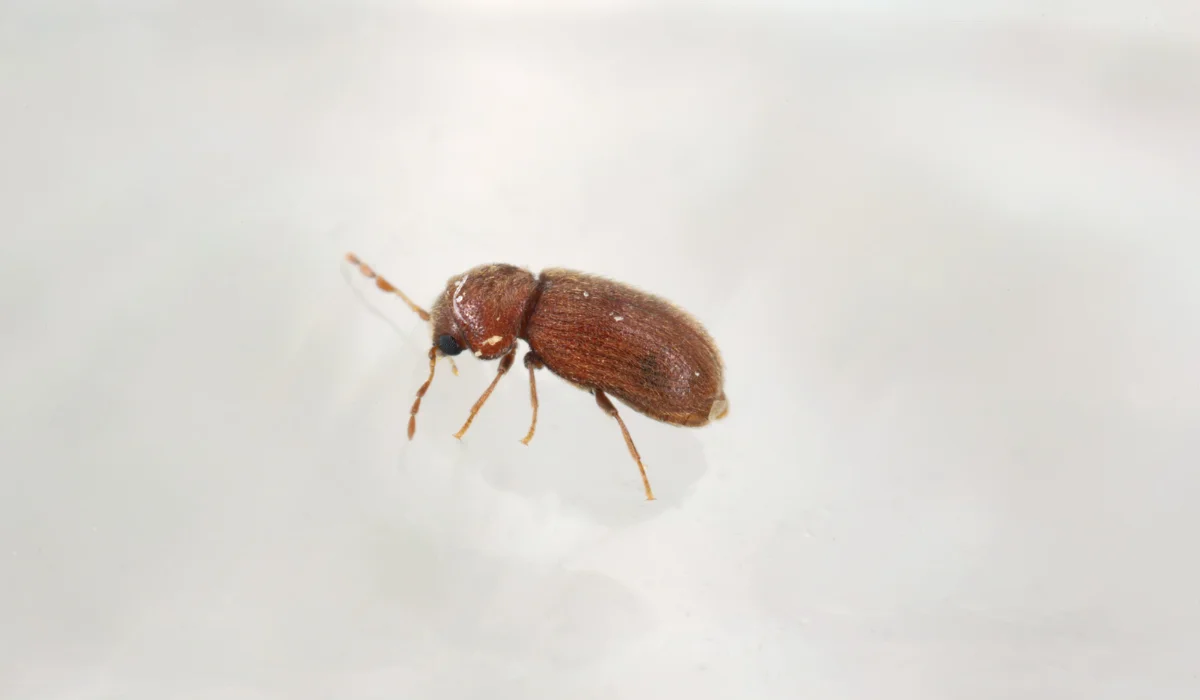




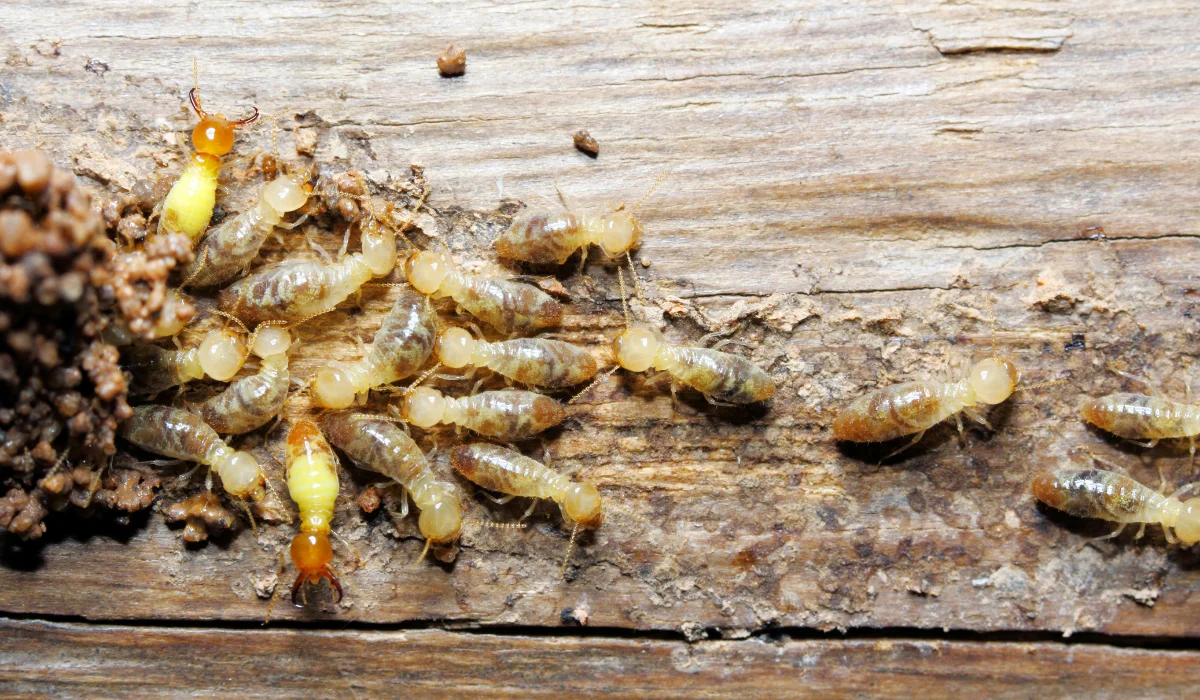
How quickly can termites destroy a house? There is no single countdown, but a large, mature Formosan termite colony can damage wood much faster than a newly established colony. Research cited in the original article shows that under favorable conditions, Formosan termites can consume about a foot of a 2×4 in less than a month. In Louisiana, where Formosan, Eastern subterranean, and drywood termites all occur, the actual damage timeline depends on colony size, species, moisture, access to wood, and how long the infestation stays hidden. LaJaunie’s inspectors regularly evaluate these factors in local slab and raised homes, where termite activity may remain out of sight behind walls, beneath floors, or under the structure.
Key Takeaways
- Termite damage speed depends on the species, colony size, moisture, wood access, and how long activity remains hidden.
- Formosan, Eastern subterranean, and drywood termites can all affect Louisiana homes, but they behave and spread differently.
- Mud tubes, swarmers, discarded wings, frass, or damaged wood are reasons to have the property inspected.
How Quickly Can Termites Destroy a House?
Termites do not usually make a structurally sound home unsafe in a few days or weeks. The larger concern is continuous feeding that goes unnoticed for months or years.
A mature colony can have far more workers feeding than a young colony, which increases the amount of wood being consumed. Formosan termites are especially concerning in South Louisiana because established colonies can become much larger than many native subterranean termite colonies.
That is why the best answer to how quickly termites can destroy a house depends on what is happening at that specific property. Species, colony maturity, moisture, construction type, and the location of the infestation can all change the timeline.
Termite Damage Timeline for a Louisiana Home
Termite damage does not follow an exact schedule, so the timeline below should be used as a guide rather than a countdown. A mature colony entering an existing home can create a much different situation from a pair of swarmers beginning a new colony.
| Stage | General Timeframe | Warning Signs | Recommended Action |
|---|---|---|---|
| Early Activity | Months to years | Few visible signs, occasional swarmers, discarded wings | Monitor closely and schedule an inspection when termite evidence appears |
| Colony Growth | Several years, depending on species and conditions | Mud tubes, recurring swarmers, frass, localized wood damage | Have the structure professionally inspected and identify the termite species |
| Established Feeding | Timing varies widely | Hollow or damaged wood, repeated activity, spreading mud tubes or frass | Begin a treatment plan based on the species and structure |
| Structural Damage | No fixed timeframe | Weak beams, damaged joists, sagging floors, damaged trim or framing | Address the termite activity and have structural damage evaluated separately |
The main concern is that termites may have been feeding long before you see obvious damage. A homeowner who finds a small pile of wings or one mud tube may be seeing the first visible evidence of a problem that has already existed out of sight.
What Determines How Fast Termites Damage a House?
How quickly termites damage a Louisiana home depends on several conditions working together. Two houses on the same street can have completely different levels of damage based on termite species, construction, moisture, and how easily the colony can reach wooden components.
LaJaunie’s inspectors look at those conditions because they help determine both the extent of current activity and which treatment approach makes sense.
Termite Species
LaJaunie’s treats Formosan, Eastern subterranean, and drywood termites in Louisiana. Each type lives and feeds differently.
Formosan and Eastern subterranean termites generally maintain a connection to the soil. They can enter around foundations, plumbing penetrations, cracks, piers, and other protected access points.
Drywood termites establish colonies directly inside the wood they infest. Because they do not require the same soil connection, an inspector may find activity in trim, furniture, framing, or other wooden materials above ground.
Colony Size
Colony size has a direct effect on feeding pressure. A young colony with relatively few workers cannot consume wood at the same rate as a mature colony with a much larger workforce.
This is one reason Formosan termites receive so much attention in Louisiana. Mature colonies can support very large numbers of termites, allowing workers to forage across a broad area.
You cannot estimate the colony size by counting the termites you happen to see. The visible swarmers or workers represent only a small portion of what may be active underground or inside the structure.
Moisture Around the Home
Moisture can make areas around a Louisiana home more favorable for subterranean termite activity. High humidity is part of the regional climate, but plumbing leaks, poor drainage, clogged gutters, and standing water can make the problem worse.
Raised homes deserve close attention because conditions beneath the structure can include damp soil, plumbing, wooden supports, debris, and other areas that homeowners rarely inspect.
Correcting unnecessary moisture does not remove an existing colony, but it can reduce conditions that make certain parts of the property more attractive to termites.
Access to Wood
Termites feed on cellulose found in wood and wood-based materials. Direct contact between soil and structural wood gives subterranean termites a convenient route into a home.
Firewood against the house, buried lumber, dead stumps, construction debris, and wooden landscape materials can also place food sources near the structure.
Inside, termites may reach studs, floor joists, beams, trim, flooring, cabinets, and other wooden components without immediately becoming visible.
Time Before Detection
The longer termite activity stays hidden, the more opportunity workers have to keep feeding. That is one reason homeowners sometimes discover substantial damage during renovations. Removing cabinets, drywall, flooring, or trim can expose termite activity that was not visible from the finished side of the material.
Knowing whether termites are really that bad comes down largely to this hidden behavior. The insects can remain active inside structural areas long before the homeowner sees an obvious warning sign.
Which Termites Damage Louisiana Homes?
Louisiana homeowners can encounter several termite species, but Formosan, Eastern subterranean, and drywood termites are among the types LaJaunie’s addresses during termite service.
Identifying the termite matters because the colony’s location and behavior influence how the property should be inspected and treated.
Formosan Termites
Formosan termites, Coptotermes formosanus, are subterranean termites that have become a major concern across South Louisiana. They can develop large colonies and establish extensive foraging networks. When a mature colony gains steady access to structural wood, many workers can feed at the same time.
Formosan swarmers are also familiar to South Louisiana homeowners during swarming periods. Finding swarmers inside, especially repeatedly, deserves attention even if you cannot see where workers are feeding.
Eastern Subterranean Termites
Eastern subterranean termites also live in soil and travel between their colony and wooden food sources. One of their most recognizable signs is a mud tube. These protected pathways can appear along foundations, piers, walls, plumbing areas, and other surfaces between soil and wood.
Breaking open or removing a mud tube does not eliminate the colony. Termites may rebuild it or use a different route that is not visible.
Drywood Termites
Drywood termites live directly inside the wood they infest rather than maintaining the same soil connection as subterranean termites. One of their most noticeable signs is frass. These hard termite pellets can collect beneath infested trim, furniture, flooring, window areas, or other wooden materials.
Because homeowners sometimes mistake this material for dirt or sawdust, knowing how to recognize termite poop as a warning sign can help distinguish drywood termite evidence from ordinary household debris.
Signs Termites May Already Be Damaging Your Home
Termites can remain concealed, so early warning signs are often much smaller than the damage occurring behind the surface. The location and type of evidence can also provide clues about whether you are dealing with subterranean or drywood termites.
Mud Tubes
Subterranean termites build mud tubes to move between soil and wooden food sources while remaining protected.
Look along slab edges, foundation walls, piers, crawl spaces, plumbing penetrations, and other locations where the structure meets the ground. A mud tube deserves further inspection even if you do not see termites moving inside it.
Swarmers and Discarded Wings
Winged reproductive termites leave mature colonies and pair up to establish new ones. You may notice swarmers around doors, windows, porch lights, or interior rooms. After landing, they shed their wings, which can leave small piles near windowsills or floors.
Seeing swarmers outside does not automatically mean your home is infested. Finding repeated swarmers or discarded wings indoors is more concerning because it can indicate activity within or very close to the structure.
Frass
Drywood termites push waste pellets out of the wood where they live. A small pile may look like sand, pepper, or fine debris. If you clean it away and similar pellets return beneath the same piece of wood, the source above deserves inspection.
Frass can be especially useful because it helps narrow the search to a particular wooden component.
Damaged or Hollow Wood
Termite-damaged wood may sound hollow when tapped or begin to splinter as internal galleries spread. Trim and baseboards may become fragile, while more extensive activity can affect joists, beams, and other structural components.
Avoid breaking open structural materials simply to search for termites. An inspection can determine where further evaluation is appropriate.
What LaJaunie’s Inspectors Look for in Louisiana Homes
When a homeowner reports live termites, LaJaunie’s inspection process focuses on identifying the activity before choosing a treatment plan. The same approach applies when the homeowner has found mud tubes, swarmers, frass, or suspicious wood damage.
Technicians and inspectors look beyond the one visible sign. Foundation conditions, moisture, crawl spaces, wooden components, evidence of previous termite activity, and the construction style of the home can all affect what is happening.
If you want to understand the inspection process before scheduling one, LaJaunie’s breakdown of what a termite inspection costs and what inspectors look for explains what homeowners can expect.
Raised Homes
Raised homes are common across South Louisiana, and the space beneath them can change the termite inspection considerably.
LaJaunie’s typically evaluates raised homes in person because inspectors may need to check piers, wooden supports, crawl-space moisture, plumbing areas, debris, and other potential access points.
These conditions are difficult to evaluate from the living space alone, which is why the structure itself needs to guide the inspection.
Slab Foundations
Slab homes present a different set of access points. Termites may enter along slab edges, expansion joints, plumbing penetrations, cracks, and other protected openings.
Concrete does not serve as food, but small gaps around concrete construction can give subterranean termites a route toward wooden components above it.
Pavers, patios, additions, and other exterior construction can also affect how inspectors access or protect foundation areas.
Evidence of Current and Previous Activity
Termite damage does not automatically prove termites are still feeding there.
Inspectors look for evidence that helps distinguish previous damage from active infestation. Live termites, current mud tubes, fresh frass, swarmers, or recurring signs can help make that distinction.
If structural wood has significant damage, the termite issue and the repair issue may need to be handled separately after activity is controlled.
How Professional Termite Control Works
Professional termite treatment begins with identifying the type of termite and how it is interacting with the home.
Subterranean termites and drywood termites live differently, so the same treatment plan does not fit every infestation. LaJaunie’s explanation of what to expect from professional termite treatment covers how inspection and treatment work together.
Subterranean Termite Protection
For subterranean termites, treatment may focus on intercepting workers as they travel between the colony and the structure.
LaJaunie’s can use termite bait stations around the home, with ongoing station inspections to check for activity and maintain the system.
Foundation treatment may also be appropriate depending on the structure, existing activity, concrete, pavers, and other construction details.
Drywood Termite Treatment
Drywood termites require a different approach because the colony lives inside the affected wood.
LaJaunie’s drywood service focuses on locating the active areas and directing treatment into the wood and hidden spaces where termites are living.
That makes accurate inspection especially useful because drywood termite activity may be limited to a specific section of the structure rather than coming from soil around the foundation.
What About Termite Pretreatment for New Homes?
Termite protection can begin before a house is finished. New construction gives builders and homeowners access to areas that become much harder to reach once slabs, walls, and finishes are complete.
A properly planned termite pretreatment can address vulnerable areas during construction and establish protection before termites have an opportunity to enter the finished structure.
Pretreatment does not eliminate the need for future monitoring. Louisiana termite pressure continues after construction, so ongoing inspection and maintenance remain part of long-term protection.
Why a Termite Bond Matters in Louisiana
A termite bond is different from simply scheduling a one-time termite treatment. The details vary by plan, but a bond generally connects termite protection with ongoing inspection, service, and specific coverage terms.
For Louisiana homeowners, those ongoing inspections matter because termite activity can begin after an earlier treatment or protection system was installed.
Understanding what a termite bond is and why Louisiana homes need one can help you compare coverage, inspection requirements, transferability, and other terms before choosing a plan.
Why DIY Termite Treatment Often Falls Short
DIY termite treatments tend to focus on the termites or damage a homeowner can see. The colony itself may be somewhere else.
Subterranean termite workers can be traveling from soil outside or beneath the house, while drywood termites may remain deep inside wooden materials.
This is why DIY termite treatment may appear successful when visible activity stops even though the hidden infestation remains.
How to Reduce Termite Risk Around Your Home
Termite prevention works best when you make it harder for termites to reach the structure and easier for you to notice signs of activity.
In Louisiana, foundation visibility and moisture management are especially useful because both affect where subterranean termites can travel and how easily homeowners can spot evidence.
Correct Moisture Problems
Repair plumbing leaks, outdoor faucet leaks, and drainage problems around the property. Keep gutters and downspouts clear so water moves away from the house instead of collecting along the foundation.
For raised homes, periodically check beneath the structure for damp soil, plumbing problems, or areas that stay wet long after rainfall.
Keep Wood Away From Soil
Avoid leaving firewood, lumber, or other wooden materials directly against the house. Remove buried wood, deteriorating landscape timbers, or construction debris when possible.
Keeping wooden materials separated from soil also makes foundation areas easier to inspect.
Keep the Foundation Visible
Heavy mulch, soil, stored items, and dense plants can conceal the area where termite evidence first becomes visible. Leave enough of the foundation exposed to check periodically for mud tubes and other changes.
Pay particular attention around plumbing, additions, patios, and areas where different construction materials meet.
When to Schedule a Professional Termite Inspection
Do not wait for sagging floors or badly damaged beams before having suspicious termite activity evaluated.
Swarmers indoors, discarded wings, fresh mud tubes, recurring frass, damaged trim, or unexplained wood deterioration are all reasonable reasons to schedule an inspection.
LaJaunie’s termite control service can identify the termite species, inspect the affected areas, and determine which treatment approach fits the home and the activity found.
Making the Right Termite Protection Choice for Your Louisiana Home
How quickly can termites destroy a house depends on the colony, species, moisture, access to wood, and how long the activity remains hidden. The safest approach is not to wait for a specific number of months or years before taking visible termite evidence seriously.
LaJaunie’s Pest Control has served Louisiana homeowners since 2008 and works with Formosan, Eastern subterranean, and drywood termite problems across the region. If you find mud tubes, swarmers, discarded wings, frass, or suspicious wood damage, you can contact LaJaunie’s Pest Control to have the property evaluated.
Frequently Asked Questions
Can Termites Destroy a House in One Year?
It is unlikely that termites will completely destroy a structurally sound house in one year, but an established colony can still cause meaningful damage during that time. The infestation may also have existed long before you found it, so the date of your first visible sign does not mark when feeding began.
How Long Before Termites Cause Structural Damage?
There is no fixed timeline for structural termite damage. Species, colony size, moisture, construction, and access to wood all influence how quickly feeding progresses. Structural problems generally develop after prolonged hidden activity, which is why mud tubes, swarmers, frass, and damaged wood should be investigated before major changes appear.
How Much Damage Can Formosan Termites Cause?
Formosan termites can cause substantial damage when a mature colony has steady access to structural wood. Their colonies can support large numbers of workers feeding at once, which can increase damage compared with a small colony. The actual amount depends on colony size, conditions, wood access, and how long activity remains untreated.