

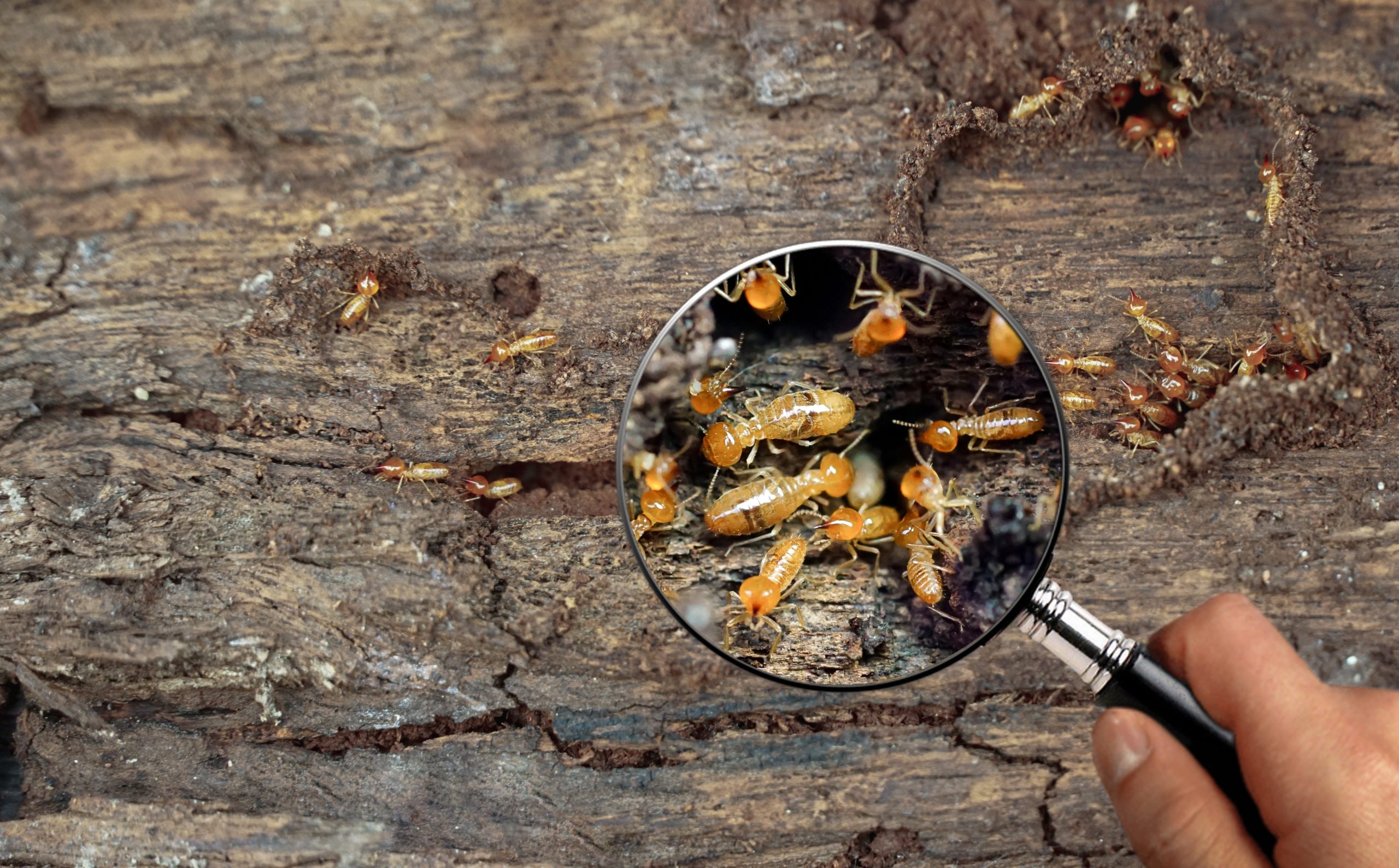
You notice a thin mud line climbing the foundation, loose wings near a window, or a small pile of pellets beneath a piece of wood. Nothing else in the house looks different. You still want to know whether that one clue points to termites inside the structure.
Professional termite inspection costs can be as little as $0 or as much as several hundred dollars, depending on the company, the property, and why you need the inspection. Paid inspections often fall between $75 and $325 based on current consumer pricing data. At LaJaunie’s Pest Control, a standard termite inspection is free. A formal Wood Destroying Insect (WDI) report is a separate service.
This guide explains how much a termite inspection costs, what inspectors look for, where they check, and what happens when termite activity is found in a South Louisiana home.
How Much Does a Termite Inspection Cost?
There is no standard termite inspection price that applies to every property. A homeowner who finds a mud tube and wants the activity identified needs something different from a buyer who needs formal documentation before closing.
Current Angi termite inspection cost data lists an average of about $100 for a paid inspection. Its typical range is $75 to $325, with reported prices extending from about $50 to $600. Those figures are useful as consumer pricing estimates, not as a fixed industry rate.
| Inspection Type or Situation | Cost or Pricing Approach |
| National average | About $100 |
| Typical paid inspection range | $75 to $325 |
| Broader reported range | About $50 to $600 |
| LaJaunie’s standard termite inspection | Free |
| Formal WDI report | Priced separately |
A basic professional termite inspection and a formal termite inspection report do not serve the same purpose. The first usually focuses on identifying termite activity and determining whether treatment is needed. The second may be requested during a sale, refinance, or other real estate transaction.
What Changes the Inspection Price?
Home size affects how much there is to inspect, but access and construction can be just as important. A slab home puts more attention on the exterior foundation and accessible entry points. A raised home may allow an inspector to examine beams, joists, piers, plumbing areas, and other wood beneath the structure.
The reason for the visit changes the scope too. A termite inspection for a home purchase may require formal documentation that a standard homeowner inspection does not include.
| Property or Service Factor | What Changes During the Inspection |
| Larger property | More structural areas need inspection |
| Raised foundation | Accessible areas beneath the home may be checked |
| Crawl space | Clearance and obstructions affect visibility |
| Attic | Exposed framing creates additional inspection points |
| Addition or garage | Construction joints add areas to examine |
| Home purchase | Formal documentation may be requested |
| WDI report | Reporting requirements go beyond a standard evaluation |
Before comparing prices, find out what the inspection includes. A free termite evaluation, a paid inspection, and a WDI report are different services.
What Does a Termite Inspector Look For?
Most termite activity stays hidden in soil, wood, wall voids, crawl spaces, and other protected areas. An inspection is based on the evidence termites leave behind. Technicians look at live activity, damaged wood, swarm evidence, waste, entry routes, and property conditions that deserve closer attention.
Mud Tubes, Swarmers, and Wings
Mud tubes are one of the more recognizable signs of termites in a house. Subterranean termites use these protected pathways while moving between soil and wood. Inspectors may find them along foundations, piers, walls, or other surfaces tied to the structure.
Swarmers tell a different story. Winged termites are reproductive members of a colony. After a swarm, discarded wings may collect around windows, doors, baseboards, or other areas where light draws them.
Frass and Kick-Out Holes
Drywood termites leave different evidence because they can remain inside the wood they infest. One common sign is frass, the small, hard pellets they push from infested material. Homeowners often mistake termite frass for dirt or sawdust.
The pellets may appear below small openings called kick-out holes. Finding those holes helps an inspector determine which piece of wood needs a closer look.
Signs of Termite Damage
Technicians inspect accessible wood for galleries, splintering, surface changes, damaged trim, and other signs of termite damage. Water, decay, and other insects can damage wood too, so appearance alone is not enough to confirm the cause.
A practical termite inspection checklist includes the evidence below.
| Evidence | What Inspectors Investigate |
| Live termites | Whether active termites are present |
| Termite mud tubes | Subterranean termite travel |
| Indoor swarmers | Possible colony activity in or near the structure |
| Discarded wings | Evidence of a recent swarm |
| Termite frass | Possible drywood termite activity |
| Kick-out holes | Wood that may contain drywood termites |
| Galleries | Internal termite feeding |
| Damaged trim or baseboards | Concealed activity behind finished material |
| Previous termite repairs | Areas with a known history of activity |
One clue gives the inspector a place to start. The rest of the inspection shows whether that clue fits a larger pattern.
Where Do Termite Inspectors Check?
If termite wings appear near one window, the inspection should not stop at that window. Termites can enter and feed in areas far from the first visible evidence. Exactly where an inspector checks depends on the way the home is built and which areas are accessible.
Slab Foundations and Exterior Walls
On a slab home, inspectors examine accessible portions of the foundation perimeter for mud tubes, damaged material, moisture, cracks, and places where wood sits close to soil.
Patios, driveways, additions, utility penetrations, and other construction features can change what is visible along the foundation. Those areas deserve extra attention when they interrupt a clear view of the slab edge.
Raised Homes and Crawl Spaces
A raised South Louisiana home gives inspectors a different view of the structure. With safe access, areas such as piers, beams, joists, plumbing locations, and exposed structural wood beneath the house can be examined.
Moisture, damaged material, drainage issues, and wood touching soil are also worth noting. Those conditions can help explain what may be happening around any termite evidence found during the inspection.
Attics, Garages, and Interior Rooms
Attics may expose framing that cannot be seen from the living space below. They can also show leaks, older repairs, damaged wood, or signs associated with drywood termites.
Inside the home, inspectors may check accessible baseboards, windows, door frames, bathrooms, plumbing areas, and other structural points connected to suspicious evidence. Garages and additions deserve attention because changes in construction create more joints and transitions.
Why Are Termite Inspections Important in Louisiana?
South Louisiana has several termite types and significant subterranean termite pressure. That changes what inspectors expect to find and which evidence deserves attention.
The LSU AgCenter identifies Formosan subterranean termites as the most destructive insect in Louisiana. LSU also reports that native subterranean termites are found throughout the state.
Formosan, Eastern subterranean, and drywood termites are all treated in LaJaunie’s service area. A subterranean termite inspection often focuses heavily on soil contact, foundations, mud tubes, and routes between the ground and the structure. A drywood termite inspection puts more attention on infested wood, frass, kick-out holes, and localized damage.
Property Conditions Inspectors Pay Attention To
Termite activity is only part of the inspection. Technicians also look for conditions that give termites food, moisture, access, or cover.
| Condition Around the Home | Why Inspectors Check It |
| Wood touching soil | Gives subterranean termites direct access to wood |
| Standing water | Keeps areas around the structure wet |
| Plumbing leaks | Can introduce moisture near structural material |
| AC drainage | May leave damp soil near the foundation |
| Clogged gutters | Can direct water toward the house |
| Dead trees or stumps | Provide wood termites can feed on |
| Rotting lumber | Creates another cellulose source |
| Heavy mulch | Can cover foundation areas and retain moisture |
| Dense landscaping | Can block access to exterior inspection points |
None of these conditions proves that termites are inside the home. They show inspectors where to look more closely and identify property conditions a homeowner may want to correct after the inspection.
How Is a Termite Inspection Different From a WDI Report?
A standard termite inspection answers a practical question: Is there evidence of termites, damage, or conditions that need attention? It can also provide the information needed to recommend treatment.
A Wood Destroying Insect report, often called a WDI report, serves a more formal purpose. It documents evidence associated with wood-destroying insects and may be requested during a home purchase, refinance, or another property transaction. A WDI report can cover more than termites. Depending on the reporting requirements, it may also address evidence from carpenter ants, carpenter bees, wood-boring beetles, and other wood-destroying insects.
If a termite inspection is needed for a home purchase, ask the lender or closing professional what documentation is required before scheduling the visit. A free standard termite inspection should not be confused with a formal WDI report, which is priced separately.
A termite inspection is also different from a general home inspection. A home inspector may identify visible concerns around the structure, but a termite or WDI inspection focuses on wood-destroying insect evidence and related conditions.
What Happens After Termites Are Found?
Finding termites is the beginning of the treatment decision, not the end of the inspection. The inspector first identifies the termite and documents where the evidence appears. The home’s construction and affected areas then help determine which treatment options fit the property.
For subterranean termites, treatment options can include bait stations or liquid treatments around the structure. Drywood termites require a different approach. Targeted liquid and foam applications may be used in affected wood, crevices, and voids based on the inspection findings.
Termite treatment cost is separate from the inspection itself. Treatment pricing depends on factors such as the termite type, the structure, the areas involved, and the treatment method. An inspection provides the information needed to prepare an accurate treatment quote rather than relying on a phone description.
Termite activity can become expensive when it goes unnoticed. The U.S. Environmental Protection Agency (EPA) reports that termites cause billions of dollars in structural damage each year and that property owners spend more than $2 billion annually treating them. While this national figure does not predict what repairs will cost for a particular home, it does show why waiting for another swarm or more visible damage is a poor way to judge whether termites are present.
When to Get Professional Termite Control
If you find mud tubes, loose wings, frass, kick-out holes, or damaged wood, we can tell you whether the evidence points to termites and which areas need closer inspection. You do not need to identify the termite yourself or guess how far the activity extends.
LaJaunie’s Pest Control inspectors work with slab homes, raised houses, crawl spaces, attics, and the termite types we encounter throughout South Louisiana. If we find activity, we can explain what we found and recommend treatment based on the termite and the structure rather than using the same treatment plan for every property.
Our standard termite inspection is free, so you do not need to wait for more visible evidence before getting an answer. Schedule a termite inspection with LaJaunie’s Pest Control if something around your home looks suspicious. We will inspect the property, show you what we found, and explain the next step if treatment is needed.
*Our standard termite inspection is free. Formal WDI reports are a separate service and may have a fee.