



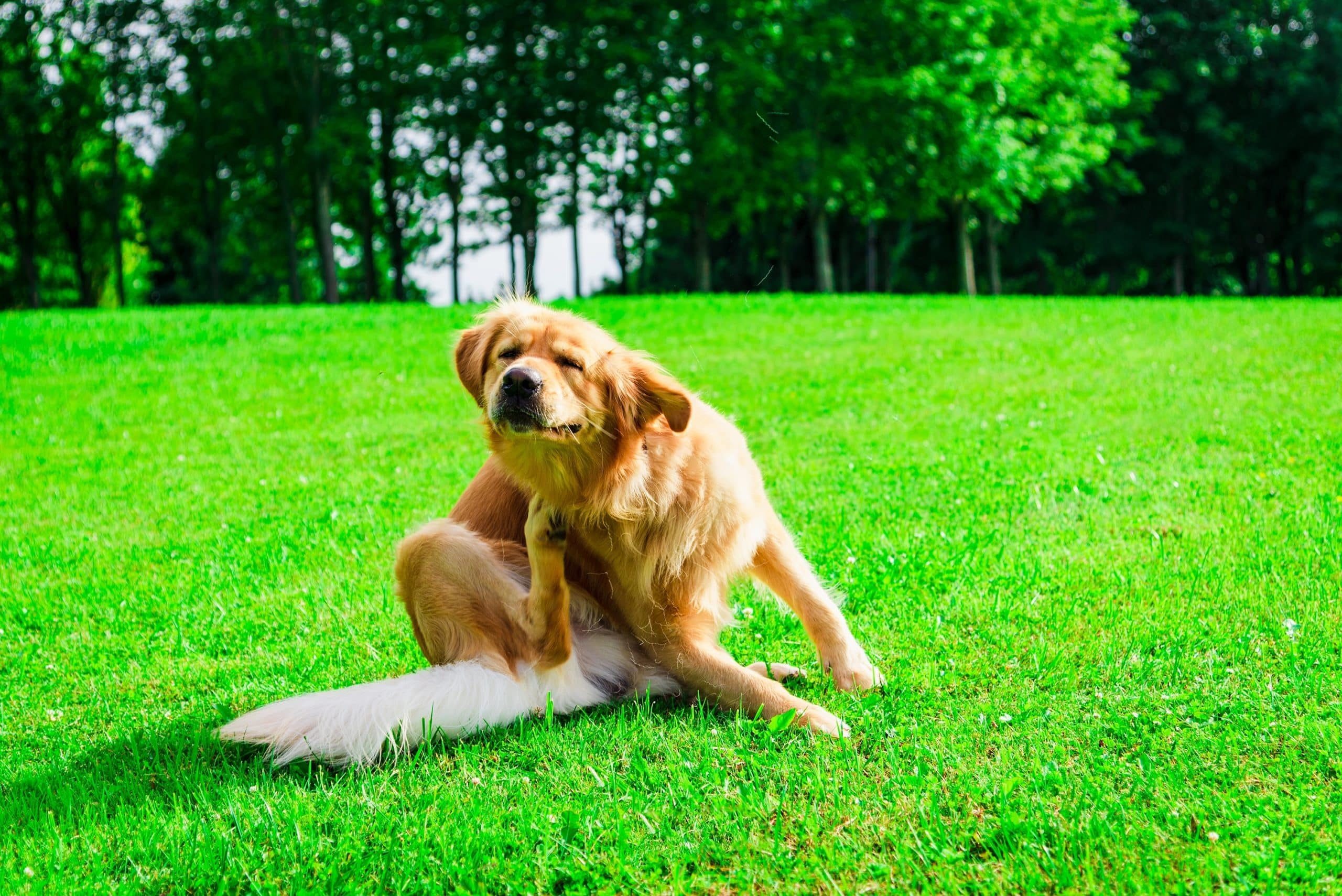
Your dog stops beside the couch and bites at the base of its tail. Later, you find black specks in the fur or scattered on the dog bed. The problem feels sudden, but the fleas may have been developing around your home for weeks.
Fleas on dogs often become more noticeable in fall because summer populations have had months to grow. South Louisiana’s mild temperatures and humidity also let flea activity continue later in the year. This guide covers the signs to check, how to get rid of fleas on dogs, and what to do when the infestation has spread into your home or yard.
Why Fleas on Dogs Can Get Worse in Fall
Flea season does not reset when summer ends. By September and October, fleas have already had several warm months to reproduce. What began as a few adults on a pet may now involve bedding, carpet, furniture, floor gaps, and outdoor resting areas.
Louisiana’s fall weather gives that population more time. Warm afternoons let dogs spend longer in yards, parks, kennels, and wooded areas. Damp leaves, shaded soil, crawl spaces, and the ground beneath decks can hold moisture and protect immature fleas.
Wildlife creates another route into the yard. Opossums, raccoons, rodents, feral cats, and other animals can leave flea eggs where they rest. Your dog does not need to touch one of those animals. Lying beneath the same porch or walking through the same shaded area may be enough to pick up adult fleas.
Once the infestation moves indoors, cooler weather outside may not change much. Rugs, pet beds, upholstered furniture, and indoor warmth give fleas shelter. A fall flea problem can continue into winter when the animal and the surrounding areas are not treated.
Signs of Fleas on Dogs
Scratching is the most obvious sign of fleas on dogs, but the location matters. Fleas often gather around the lower back, base of the tail, belly, groin, neck, and hind legs. Part the coat and look at the skin rather than checking only the top of the fur.
| Sign | What You May Notice |
| Frequent scratching | Repeated scratching around the neck, back, belly, or hind legs |
| Chewing near the tail | Biting or nibbling at the lower back and tail base |
| Flea dirt | Black specks that look like ground pepper in the coat or bedding |
| Live fleas | Small, dark insects moving fast between the hairs |
| Red skin | Bumps, scabs, or moist irritated patches |
| Hair loss | Thin spots caused by licking, biting, and scratching |
| Restlessness | Trouble sleeping or settling because bites continue |
| Pale gums or weakness | Possible blood loss during a heavy infestation |
How to Check Your Dog for Fleas
Place your dog on a white towel and comb through the coat with a flea comb. Spend extra time around the belly, back legs, and tail base. Fleas move fast, so you may find flea dirt before you catch an adult.
Move any dark particles onto a damp white paper towel. Flea dirt contains digested blood and may leave a reddish-brown stain as it gets wet. Regular soil or household dirt will not create the same rusty mark.
Flea dirt shows that fleas have fed on your dog, but it does not explain every itch. Allergies, mites, dry skin, and infections can cause similar symptoms. Contact your veterinarian when the skin is damaged, the scratching is severe, or the cause is unclear.
Why Fleas Keep Returning After Treatment
Having adult fleas on dogs is one part of the infestation. Eggs fall into the surrounding area. Larvae develop in protected places. Pupae remain inside cocoons before emerging as new adults.
The Cornell University College of Veterinary Medicine reports that a female flea can lay about 40 eggs per day. A dog that moves between rooms can spread those eggs through much of the house.
| Flea Stage | Common Location | Why It Is Easy to Miss |
| Egg | Dog beds, rugs, couches, floors, and vehicle seats | Eggs are tiny and fall away from the animal |
| Larva | Carpet fibers, floor gaps, shaded soil, and debris | Larvae avoid light and remain in sheltered spaces |
| Pupa | Cocoons in rugs, furniture, flooring, or soil | The cocoon protects the developing flea |
| Adult | Dogs, cats, wildlife, and other hosts | Adults move quickly through fur |
Why Fleas May Appear After the First Treatment
A flea treatment for dogs may kill adults on the animal while pupae remain protected inside cocoons. When those fleas finish developing, they emerge and search for a host. New activity after treatment does not always mean the product failed.
Walking through a room, vacuuming, body heat, and breathing can trigger waiting adults to emerge. Homeowners may then see several fleas in a short period, even though part of the infestation is being removed.
Do not answer that activity by mixing several products. Keep your dog on the schedule set by your veterinarian, continue cleaning, and complete any property follow-up. A missed dose or early stop can give new adults time to feed and produce more eggs.
How to Get Rid of Fleas on Dogs and in the Home
Treating your pet and treating the property are separate jobs. Your veterinarian selects the product used on your dog. Cleaning and pest service target the stages developing away from the animal.
Start With Your Veterinarian
Ask your veterinarian to choose a product based on your dog’s age, weight, health, current medications, and medical history. Options may include oral medication, topical treatment, collars, shampoos, or sprays. The right choice depends on the animal.
Every dog and cat in the home may need treatment. Use a product labeled for that species and weight. Never place a dog flea product on a cat unless the label states that it is approved for cats.
The U.S. Food and Drug Administration (FDA) advises owners to follow the product label and contact a veterinarian after a suspected reaction. Vomiting, marked weakness, tremors, poor coordination, or seizures need prompt attention.
Clean the Areas Your Dog Uses
Wash dog beds, blankets, crate pads, and removable furniture covers according to their care instructions. Include human bedding when your dog sleeps on a bed. Fleas in dog bedding can keep the cycle active after the animal has been treated.
Vacuum rugs, carpets, upholstered furniture, floor edges, closets, and spaces beneath beds. Remove couch cushions and clean the seams. Empty the vacuum outdoors when you finish.
Repeat the cleaning during the treatment period. One pass will not reach every flea stage. Regular vacuuming also removes hair, flea dirt, and other material that larvae feed on.
Check for a Flea Infestation in the Yard
Do not assume the open lawn is the main source. Fleas are more likely to develop in shaded areas where animals rest and moisture lasts longer.
Inspect beneath decks, along fence lines, around dog houses, under shrubs, near crawl spaces, and beside outdoor furniture. Cut tall grass and remove damp leaves. Look for signs that wildlife has been sleeping beneath sheds or raised structures.
Use a Simple Treatment Schedule
| Time | What to Do |
| First day | Call your veterinarian, begin the approved treatment, wash bedding, and vacuum pet areas |
| Next several days | Keep vacuuming and check your dog for live fleas or flea dirt |
| During the first week | Cut the lawn, remove leaf litter, and inspect shaded resting areas |
| On the product schedule | Give the next veterinary treatment on time |
| After pest service | Follow drying, cleaning, and follow-up instructions |
| Long term | Check your dog after grooming, boarding, travel, and outdoor activity |
How to Prevent Fleas on Dogs
Keep your dog on the flea schedule chosen by your veterinarian. Late or missed doses can give newly emerged adults time to feed and reproduce.
Check the coat after boarding, grooming, travel, dog park visits, or contact with other animals. A flea comb around the belly and tail base can reveal activity before it spreads through several rooms.
Wash bedding and vacuum the spots where your dog rests. Outside, keep grass cut, remove leaf buildup, and watch for wildlife beneath decks, sheds, and raised homes. Those shaded resting areas often matter more than open lawn.
Fleas on dogs can keep biting after summer because Louisiana’s fall weather remains mild and immature fleas may already be hidden around the property. Veterinary treatment removes fleas from the animal, but it cannot clean rugs, inspect a crawl space, or treat an outdoor hotspot.
When Your Dog or Home Needs Professional Help
Veterinary care handles the health of the animal. Pest control addresses eggs, larvae, pupae, and adult fleas in the property. Established infestations often need both.
When to Call Your Veterinarian
Contact your veterinarian when your dog has open sores, severe hair loss, swelling, moist skin, pus, odor, pale gums, or weakness. Puppies, small dogs, older dogs, and animals with health problems may have more trouble with blood loss from heavy flea feeding.
Fleas can also contribute to skin infections, flea allergy dermatitis, and tapeworm exposure. The Centers for Disease Control and Prevention (CDC) explains that an animal or person can acquire a tapeworm after swallowing an infected flea.
When to Call a Pest Control Company
Fleas biting people indoors, appearing in several rooms, or returning after pet treatment point to a flea infestation in the house or yard. The source may be carpet, furniture, bedding, shaded soil, wildlife resting areas, or several locations at once.
LaJaunie’s Pest Control offers professional flea control services in Louisiana. Our technicians locate the areas that keep the infestation active. We can treat affected indoor spaces, outdoor areas, or both. The included two-week follow-up matters because protected flea stages may emerge after the first visit.
When fleas keep returning after your dog has been treated, the property needs attention. Contact LaJaunie’s Pest Control and schedule a flea control service so we can inspect the affected areas and recommend the right treatment for your home.