



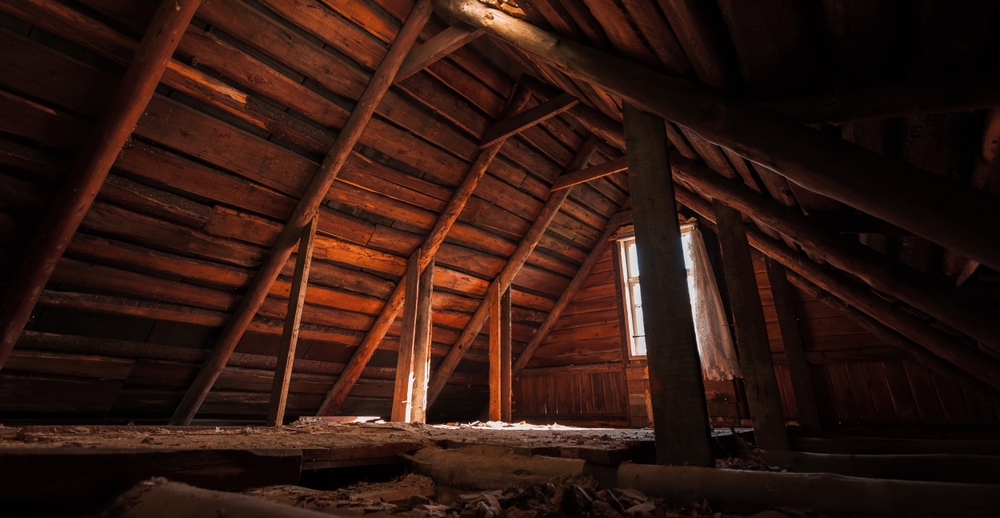
You start noticing sounds above the ceiling at night. A dull thump, something rolling, or a faint scratch near the eaves. Then comes a smell near the HVAC vent you cannot quite place. By the time most Westwego homeowners take a real look in the attic, raccoons, squirrels, or opossums have already been nesting up there for weeks.
Getting the animals out is only the first step. They leave behind soiled insulation, chewed wiring, nesting debris, and waste that soaks into the structure and compounds in the heat. Attic restoration after wildlife damage means removing all of that, sanitizing the space, replacing the insulation, and sealing every entry point so the problem does not come back.
Key Takeaways
- Soiled insulation, chewed wiring, and nesting debris stay behind after animals are removed and need to be cleaned out properly.
- South Louisiana’s heat and humidity accelerate contamination damage and drive up energy costs when insulation is compromised.
- Full attic restoration is what brings the space back to a safe and functional condition, and what prevents the same animals from returning.
What Wildlife Damage Looks Like in an Attic
Most homeowners rarely go into their attics, which is part of why wildlife damage tends to go unnoticed until it is significant. By the time you hear thumping above the ceiling or catch a sharp ammonia smell near your HVAC return, animals may have been living up there for weeks.
The damage takes several forms depending on the animal and how long they have been present:
- Soiled and matted insulation. Animals travel the same routes repeatedly, compressing insulation into visible runways. Raccoons and opossums also use attics as latrines, soaking insulation with urine and feces that degrade the material and create serious odor and contamination.
- Chewed wiring and structural wood. Squirrels and rodents gnaw on electrical wiring, creating a fire hazard. They also chew on wood framing near entry points. Raccoons can tear into ductwork when denning or foraging inside the space.
- Damaged roof vents and soffits. Most wildlife enters through gaps at the roofline. Bent or broken vent screens, compromised soffits, or gaps in the fascia are the most common entry points in residential homes across Louisiana.
- Nesting material. Shredded insulation, leaves, and debris packed into nests confirm animals have been denning in the space, sometimes for multiple seasons.
If you find evidence like this during an inspection, the restoration scope goes well beyond a basic cleaning.
Signs You May Need Restoration, Not Just Removal
If you have had wildlife in your attic for more than a few weeks, or if you notice any of the following, full restoration is likely needed:
- A persistent ammonia-like smell near your attic access or HVAC vents
- Visible staining on attic joists or the attic floor below nesting areas
- Compressed or tunneled insulation with animal runways through it
- Higher-than-usual energy bills without another obvious explanation
- Greasy rub marks near roofline gaps or at the tops of walls
If animals have been present through a breeding season, the contamination is likely more extensive than a quick look suggests.
Which Animals Are Most Common in Westwego Attics?
Westwego sits on the West Bank of Jefferson Parish, near Bayou Segnette State Park and the kind of mixed suburban and green space that wildlife moves through easily. Raccoons, squirrels, and opossums are among the most commonly reported attic intruders in this part of the New Orleans metro area.
Raccoons
Raccoons cause some of the most expensive damage. It can reach thousands of dollars in home repairs. They are strong enough to force entry through weak soffits or damaged vent covers, and a mother denning with young can cause significant damage in a short stretch of time. Heavy thumping or rolling sounds at night, combined with large dark stains on insulation, are typical indicators.
Under Louisiana state regulations, nuisance raccoons that are trapped are generally required to be euthanized rather than relocated, which means this work needs to be handled by a licensed wildlife control operator.
Squirrels
Squirrels are common throughout Westwego neighborhoods, where power lines and overhanging tree branches give them direct roof access. They chew wiring, wood, and insulation constantly, and the longer they stay, the more that adds up.
Opossums
Opossums are nocturnal and often enter through the same gaps raccoons use. They are slower-moving but can cause a significant mess, and their presence can introduce fleas into the attic that spread into the living space below. That secondary infestation is easy to miss during removal alone, but gets addressed as part of a proper restoration.
What Attic Restoration Involves
Animal removal opens the door to restoration, but the two are different services. A professional attic restoration after wildlife damage follows a structured sequence.
Inspection and Documentation
A technician inspects the full attic space, documents the contamination, identifies structural damage, and locates every point where animals got in. Findings are photo-documented before anything is removed, giving you a clear record of the scope of work.
Contaminated Insulation Removal
Soiled, compressed, or nesting-damaged insulation is removed using equipment that contains debris and prevents it from spreading into the living space below. All materials are disposed of properly off-site.
Sanitization
The exposed attic floor and framing surfaces are cleaned and treated to eliminate bacteria, waste residue, and odor. This step is what makes the space safe again, not just empty.
New Insulation Installation
Fresh insulation is installed to the R-values recommended for Louisiana’s climate. LaJaunie’s offers fiberglass, cellulose, and TAP (Thermal, Acoustical, Pest Control) insulation, with recommendations based on your home’s layout and budget. Properly installed insulation improves HVAC efficiency and reduces the conditions that invite moisture problems back in.
Entry Point Sealing
All gaps and openings larger than a quarter inch are sealed with steel and cement to prevent re-entry. This is the step that makes the difference between a one-time fix and a lasting result.
Preventing Future Wildlife Intrusion
After restoration, a few practical habits reduce the odds of a repeat. Keep garbage cans sealed, bring pet food inside at night, and trim tree branches back from the roofline to decrease the attractants that draw wildlife toward your home. Check the roofline after storms, and at least once a year, to catch new gaps before animals find them first.
For ongoing protection, LaJaunie’s Wildlife Exclusion Program includes scheduled inspections to maintain sealed entry points and monitor the attic, so a new intrusion gets caught early rather than discovered months later.
Attic Restoration After Wildlife Damage: Bottom Line
Most attic damage from wildlife goes unnoticed long enough to become a bigger job than it needed to be. The animals are quiet, the attic is out of sight, and the signs (a faint smell, a slight uptick in energy bills, insulation that has slowly compressed) are easy to explain away. By the time the problem is obvious, the contamination is usually well established. Getting an inspection done while you still have questions is less costly than waiting until the damage confirms itself.
Wildlife damage is easier and less expensive to address when caught early. If you have heard sounds in the attic, noticed an unusual smell, or had a confirmed wildlife problem and are not sure whether the attic was properly cleaned out, schedule a free inspection with LaJaunie’s. A technician will document what they find and walk you through exactly what restoration involves for your home before any work begins.
Frequently Asked Questions
How do I know if I need attic restoration or just animal removal?
If wildlife has been present for more than a few weeks, or if you notice odors, staining, or compressed insulation, restoration is likely needed. Removal stops the active intrusion; restoration addresses the contamination and structural damage left behind.
How long does attic restoration take?
Most projects take one to two days, depending on the size of the attic and the extent of the damage.
Will my homeowner’s insurance cover wildlife attic damage?
Coverage varies by policy. Some plans cover sudden wildlife damage, while others exclude it. Contacting your insurer before work begins is worthwhile, and a photo-documented inspection report can support your claim.
Is the cleanup safe for kids and pets?
LaJaunie’s uses family- and pet-friendly products and follows specific protocols for attic work to avoid leaving harmful residues.
What types of animals does LaJaunie’s handle in the Westwego area?
LaJaunie’s wildlife services cover raccoons, squirrels, opossums, bats, birds, snakes, and other nuisance wildlife common to Westwego.