



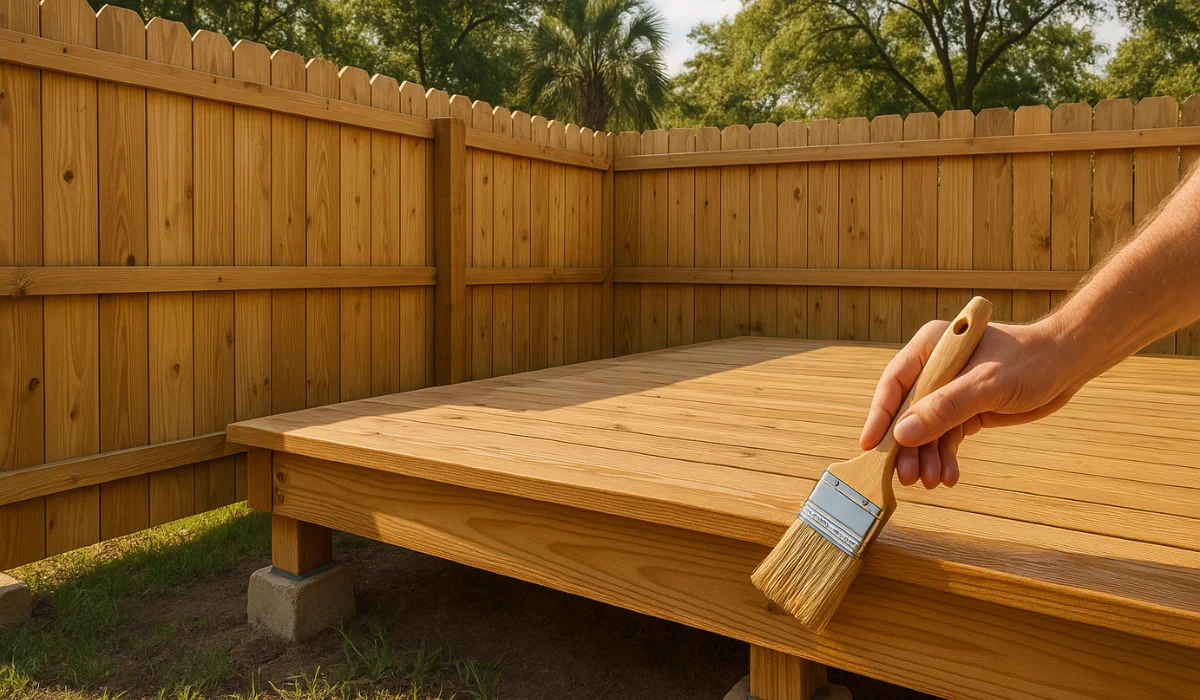
Knowing how to prevent termites from damaging wood decks and fences in South Louisiana starts with controlling moisture, reducing wood-to-soil contact, and checking outdoor structures for early signs of activity. Deck posts, fence boards, stairs, rails, and support framing stay exposed to rain, humidity, soil, and landscaping throughout the year, which can make outdoor wood more vulnerable to termites. LaJaunie’s technicians serving Thibodaux, Houma, New Orleans, Baton Rouge, and nearby communities look for mud tubes, damp wood, damaged boards, nearby dead wood, and other conditions that can help termites reach a structure. Material choice matters too, but pressure-treated lumber, cedar, and composite products still need proper installation, drainage, maintenance, and regular inspection.
Key Takeaways
- Control moisture and reduce wood-to-soil contact around decks, fences, posts, and supports.
- Pressure-treated wood, cedar, and composite materials can reduce risk, but none makes an outdoor structure termite-proof.
- Mud tubes, recurring frass, swarmers, soft wood, or unexplained damage deserve a closer termite inspection.
How to Prevent Termites From Damaging Wood Decks and Fences
The best way to protect wood decks and fences from termites is to reduce the conditions that give them easy access to the structure. Subterranean termites are more likely to reach outdoor wood when soil stays damp or wooden supports sit too close to the ground, while drywood termites can establish themselves directly inside exposed wood.
The most useful prevention steps focus on drainage, construction, maintenance, and visibility. Water should move away from outdoor wood, vulnerable materials should remain separated from soil where the design allows, and the structure should stay visible enough to spot mud tubes, damaged boards, frass, or other changes.
Keep Water From Collecting Around Outdoor Wood
Check your deck and fence after heavy South Louisiana rain. Water should not repeatedly pool around posts, stair supports, the foundation, or low areas beneath a deck.
Clean gutters and keep downspouts moving water away from the structure. Repair plumbing leaks and air-conditioning drainage problems that leave nearby soil wet.
Shaded sections may dry more slowly after storms. Those areas deserve extra attention because prolonged dampness can also contribute to wood deterioration that makes termite damage harder to distinguish from moisture damage.
Reduce Wood-to-Soil Contact
Subterranean termites benefit when vulnerable wooden materials provide an easy route from the soil into a structure.
Use properly designed concrete footings, post bases, or other construction methods that reduce direct contact between wood and soil where appropriate. Keep scrap lumber, old fence boards, branches, and construction debris away from the underside of decks and the base of fences.
Check older structures for posts or boards that have settled into surrounding soil over time. Landscaping changes can gradually bury wood that was originally installed above ground.
Keep Deck and Fence Areas Visible
Dense shrubs, stored items, heavy mulch, and outdoor clutter can hide the places where termite evidence first becomes visible.
Leave enough room around deck supports, fence posts, and foundation edges to inspect them periodically. This makes mud tubes, soft wood, recurring moisture, and other changes easier to spot.
Visibility becomes especially useful during the warmer months when termite swarms are more noticeable around Louisiana homes.
Maintain Outdoor Wood
Outdoor finishes help wood resist weathering and moisture. Follow the manufacturer’s instructions for cleaning, staining, sealing, and reapplication.
A sealant should be viewed as wood maintenance rather than a termite treatment. It can help keep outdoor wood in better condition, but it will not eliminate a colony that has already reached the structure.
Check for cracks, splitting, deteriorated finishes, and boards that remain damp longer than surrounding wood.
Remove Rotting Wood Nearby
Old stumps, fallen branches, discarded lumber, and deteriorating fence boards can provide additional wood sources around the property.
Remove dead wood and construction debris when practical. Pay attention to areas beneath decks and behind sheds where old materials may remain unnoticed for years.
Removing a rotting stump does not eliminate a termite colony, but reducing unnecessary wood sources can make the property easier to inspect and maintain.
Why South Louisiana Decks and Fences Face Termite Pressure
Wood decks and fences in South Louisiana stay exposed to moisture, soil, heat, and outdoor wear throughout the year. Those conditions can affect how quickly wood ages and how easily termite activity goes unnoticed around posts, rails, joists, and fence lines.
Frequent Rain and Damp Soil
South Louisiana rainfall can keep soil damp around deck supports and fence posts, especially in shaded or poorly drained areas.
Subterranean termites move through soil, so wet areas around wooden structures deserve close attention. Standing water, leaking outdoor faucets, and drainage problems can also keep nearby wood damp longer than it should.
Warm Weather Extends Outdoor Activity
Louisiana’s long warm season allows termite activity to remain a concern for much of the year.
Homeowners may notice swarmers more often during certain spring and summer periods, but workers can continue feeding out of sight when no swarm is visible. That is why mud tubes, soft wood, frass, and damaged boards matter in every season.
Outdoor Wood Weathers Faster
Decks and fences take constant exposure from sun, rain, humidity, and changing moisture levels.
Over time, wood can crack, split, soften, or lose its finish. Those changes do not automatically mean termites are present, but they can make damage harder to interpret and create areas that need closer inspection.
When Termite Activity Is Most Noticeable in Louisiana
Termites can remain active even when homeowners do not see them. Swarming periods are simply one of the easier times to notice reproductive termites leaving established colonies.
Swarm timing varies by species. Some Louisiana termites swarm in late spring, while others may swarm from April through July or at other points during the year.
| Season | What May Be Happening | What to Check Around Decks and Fences |
|---|---|---|
| Spring | Swarming activity becomes more noticeable for some species | Discarded wings, swarmers, mud tubes, and damp posts |
| Late Spring to Early Summer | Several Louisiana termite species may be actively swarming | Porch lights, deck rails, fence lines, and foundation edges |
| Summer | Colonies can continue feeding while outdoor areas stay warm and damp | Soft wood, moisture around posts, and shaded support areas |
| Fall | Swarming may decline for some species | Mud tubes, damaged boards, frass, and wood near soil |
| Winter | Visible swarming may be less common, but protected colonies can remain active | Existing wood damage, mud tubes, and recurring frass |
The absence of swarmers does not prove that a deck or fence is termite-free. Workers spend most of their time hidden in soil or wood, so signs around the structure matter throughout the year.
Signs of Termite Damage in Wood Decks and Fences
Termite damage in a deck or fence can resemble ordinary weathering, rot, or moisture damage. The location of the damage and the evidence around it can help determine whether termites may be involved.
A single soft board does not show how far an infestation extends. Check nearby posts, supports, railings, stairs, fence sections, and foundation areas for other signs before assuming the problem is isolated.
Mud Tubes Near Posts and Supports
Mud tubes are closely associated with subterranean termites. They may appear along concrete, masonry, deck supports, fence posts, piers, or other hard surfaces between the soil and wood.
The tubes give termites a protected route between their colony and food source. Removing one does not eliminate the termites responsible for building it.
Soft or Hollow Wood
Termite feeding can weaken wood beneath the surface. Boards may sound hollow when tapped or feel unusually soft compared with nearby material.
Outdoor wood can also weaken because of rot. Look for other evidence such as mud tubes, swarmers, discarded wings, or frass before assuming termites caused the damage.
Frass and Kickout Holes
Drywood termites push hard waste pellets called frass out of the wood where they live.
Small piles may collect beneath deck rails, fence boards, posts, or other wooden components. Tiny openings above the pellets may be kickout holes used to remove waste from termite galleries.
If you clean up the material and it appears again beneath the same section of wood, that location deserves inspection.
Swarmers and Discarded Wings
Winged termites may appear around decks, fences, porch lights, doors, and windows during swarming periods.
Outdoor swarmers do not automatically prove that a particular deck or fence is infested. Repeated activity near the same structure or piles of discarded wings close to damaged wood deserve a closer look.
Which Deck Material Handles Termite Pressure Best
Choosing the right material can support long-term termite prevention, but it needs to be considered alongside Louisiana rain, humidity, drainage, construction, and maintenance.
Pressure-treated lumber, cedar, and composite decking each offer different advantages. None should replace routine inspection of the entire outdoor structure.
| Material | Termite Resistance | Louisiana Moisture Considerations | Maintenance Needs | Best Fit |
|---|---|---|---|---|
| Pressure-Treated Wood | More resistant than untreated lumber | Still needs drainage and protection from prolonged moisture | Check for cracks, aging, and worn finishes | Traditional decks, posts, framing, and fences |
| Cedar | Naturally more resistant than many untreated softwoods | Can weather and hold moisture if poorly maintained | Periodic sealing and inspection | Homeowners who prefer natural wood |
| Composite | Generally less attractive as a food source than solid wood | Handles moisture differently from natural wood, but framing may still be wood | Lower surface maintenance with continued inspection underneath | Homeowners seeking reduced maintenance |
| Untreated Wood | Lower resistance | Damp conditions can contribute to faster deterioration | Frequent maintenance and inspection | Generally a weaker choice for exposed South Louisiana structures |
The visible deck boards are only part of the structure. A composite deck may still contain wooden beams, joists, posts, stairs, and framing underneath.
Pressure-Treated Wood
Pressure-treated wood is designed to resist decay and wood-damaging organisms better than untreated lumber. It is commonly used for outdoor framing, posts, fences, and decks.
That treatment does not make the wood permanently immune to termites. Cuts, cracks, age, weather exposure, and prolonged moisture can affect the material over time.
Older pressure-treated structures should still be checked for mud tubes, soft areas, damaged supports, and other signs of termite activity.
Cedar
Cedar contains naturally occurring compounds that can make it more resistant than many untreated softwoods. It can perform well outdoors when properly maintained.
South Louisiana weather can still cause cedar to crack, fade, or remain damp in poorly drained areas. Routine maintenance helps protect the wood from weathering, but it should not be treated as a standalone termite solution.
Composite Decking
Composite decking generally offers termites less usable wood than traditional solid lumber. It also requires less surface maintenance than many natural wood products.
Composite decking should not be considered termite-proof. The structure beneath it may still contain wood, and termites can also reach nearby posts, stairs, trim, fences, or structural components.
How to Protect Wooden Fences From Termites
Protecting a wooden fence from termites follows many of the same principles used for deck prevention. Keep the material maintained, correct unnecessary moisture, and pay close attention to areas where posts meet the ground.
Fence lines often run behind shrubs, storage areas, sheds, or landscaping. Those hidden sections can make termite evidence easier to miss.
Check Fence Posts Near Ground Level
The base of each post deserves close attention because it sits near soil and moisture.
Look for mud tubes, cracks, soft wood, or sections that appear weaker than the surrounding material. A leaning fence post may simply be old, but it is worth checking for termite evidence before replacing it.
Manage Landscaping Around the Fence
Plants and mulch can make a fence line harder to inspect. Keep vegetation trimmed enough to see the base of the structure and identify moisture problems.
Avoid piling mulch directly against vulnerable wood. The goal is to maintain a visible, well-drained area rather than create a hidden zone that stays damp.
Check Gates and Support Posts
Fence gates often place extra stress on posts and framing. Damage around hinges or supports may be blamed on ordinary wear when weakened wood is also involved.
Inspect gate posts, fasteners, and nearby boards when the structure begins to sag or shift.
Subterranean and Drywood Termites Around Outdoor Wood
Subterranean and drywood termites require different approaches because they do not live in the same places.
Subterranean termites are associated with soil and commonly leave mud tubes. Drywood termites live inside infested wood and may leave frass and kickout holes.
Subterranean Termite Control
When subterranean termites are involved, LaJaunie’s may use bait stations or foundation treatment depending on the structure and activity found.
Bait stations are installed in the soil around a structure and checked as part of ongoing monitoring. Foundation treatment may also be appropriate depending on how termites are reaching the property.
If activity is appearing around a deck or fence near your home, LaJaunie’s termite control service can determine whether the problem is limited to the outdoor structure or connected to termite activity around the house.
Drywood Termite Control
Drywood termites do not require the same connection to soil. They can establish themselves directly inside suitable wood.
If drywood termites are found in a deck, fence, railing, or another accessible wooden component, an inspection can determine which areas are affected.
LaJaunie’s offers targeted drywood termite control for infested wood without requiring the entire home to be tented.
Why DIY Termite Treatment Can Miss Hidden Activity
DIY termite treatment often focuses on the first insect, mud tube, or damaged board a homeowner finds. The problem may extend well beyond that visible area.
Subterranean termite workers can be traveling from soil away from the damaged board. Drywood termites may be living inside wood beyond the small area where frass appears.
Treating one visible spot does not tell you whether termites are active elsewhere. An inspection helps identify the species, extent of activity, and conditions around the structure before treatment begins.
When to Schedule a Termite Inspection for a Deck or Fence
Schedule an inspection when you find active mud tubes, recurring frass, swarmers concentrated around the same structure, hollow wood, or damage that continues beyond one isolated board.
Location matters too. Termite evidence on a fence at the far edge of a property may need to be evaluated differently from mud tubes on a deck attached directly to the home.
LaJaunie’s technicians serving South Louisiana look at the visible evidence along with moisture, soil access, nearby dead wood, foundation conditions, and the way the outdoor structure was built.
Making the Right Termite Prevention Choice for Your Outdoor Wood
Knowing how to prevent termites from damaging wood decks and fences comes down to reducing moisture, limiting easy access from soil, maintaining outdoor materials, choosing appropriate building products, and checking for signs before damage becomes extensive. Pressure-treated wood, cedar, and composite materials can each help in different ways, but none removes the need to monitor the structure.
LaJaunie’s Pest Control has served South Louisiana since 2008 and treats Formosan, Eastern subterranean, and drywood termites. If you find mud tubes, frass, swarmers, or unexplained wood damage around a deck or fence, contact LaJaunie’s to have the activity evaluated before replacing damaged wood.
Termite Prevention for Decks and Fences FAQs
How Do I Protect a Wood Deck From Termites?
Keep the deck well drained, repair sources of standing water, remove rotting wood nearby, and reduce direct contact between vulnerable wood and soil. Inspect posts, stairs, framing, and the area beneath the deck for mud tubes or damaged wood. Professional termite protection may also be appropriate around the adjoining home.
Is Composite Decking Termite-Proof?
No. Composite decking is generally less attractive to termites than solid untreated wood, but the entire deck is not necessarily composite. Wooden posts, joists, stairs, framing, and nearby structural materials can still be vulnerable. Continue inspecting the underside and supports even when the visible deck boards are composite.
Does Pressure-Treated Wood Prevent Termites?
Pressure-treated wood is more resistant to termites than untreated lumber, but it is not a permanent guarantee against infestation. Aging, cuts, cracks, weather exposure, and damp conditions can affect the material over time. Proper drainage, maintenance, inspections, and broader termite protection around the structure still matter.