



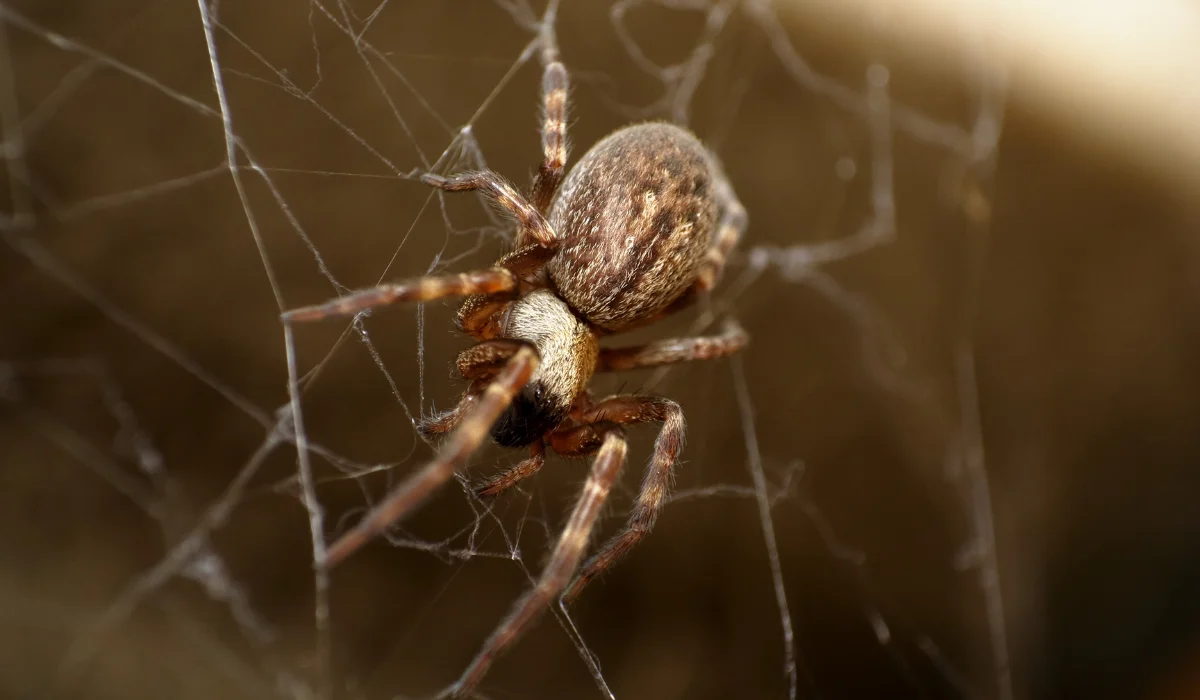
Here in South Louisiana, seeing a spider around your home is common, whether it is a house spider in a hallway or a wolf spider crossing the garage. If you live around Baton Rouge, New Orleans, or the surrounding communities, you may wonder the same thing many homeowners ask: how long do spiders live?
The answer depends on the species, its environment, and access to food. Some spiders live only a few months, while others can survive for years. Understanding the spider life cycle can also help you tell the difference between an occasional spider and ongoing activity around your home.
LaJaunie’s technicians regularly inspect areas such as attics, garages, windows, exterior walls, and other sheltered spaces where spiders and the insects they feed on may be active. Knowing where spiders tend to live makes it easier to understand why some remain around a property longer than others.
Key Takeaways
- Spiders develop from eggs into spiderlings, juveniles, and adults, and the full life cycle can range from several months to many years depending on the species.
- Food, shelter, temperature, and spider species all influence how long spiders live.
- South Louisiana’s warm, humid conditions can give spiders access to shelter and insect prey for much of the year.
- Frequent spiders indoors can point to favorable hiding places or a steady supply of insects around the home.
The Spider Life Cycle: Stage by Stage
To help you get a clearer picture of how spiders grow and develop, here’s a quick breakdown of each stage in their life cycle and how long it typically lasts:
| Stages | Length of the Stage |
|---|---|
| Egg Sacs | 1 to 4 weeks |
| Spiderlings | 2 to 8 weeks |
| Juveniles | Several months to over a year |
| Adult Spiders | A few months to 20+ years |
Spiders don’t grow up overnight. Each stage takes time, and each one looks a little different. Here’s what that looks like:
Egg Sacs
Every spider starts in an egg sac. These sacs can be hidden in attics, under porch furniture, or inside basements, wherever it’s dark and still.
A single sac might contain hundreds of eggs. After mating, female spiders lay eggs and often guard or hide them until they hatch.
Spiderlings
When spiderlings emerge, they don’t usually stick around.
Many take off through a behavior called ballooning, where they release silk strands that carry them off in the wind. During that time, they’re vulnerable to predators like centipedes, earwigs, and even other spiders.
Juveniles
As spiderlings grow, they molt several times before reaching adulthood.
During this phase, they develop the adaptations that help them survive, like better eyesight for jumping spiders or silk-spinning strength for funnel-web spiders.
Adult Spiders
Adult spiders focus on two things: hunting and reproducing.
Most male spiders don’t live much longer after they’ve mated, but female spiders can continue to live for years, especially species like tarantulas or trapdoor spiders that make a burrow and rarely leave it.
In some cases, females lay multiple egg sacs over their lifetime.
What Affects a Spider’s Lifespan?
A spider’s lifespan depends on more than its species. Food, shelter, temperature, and exposure to predators can all affect how long spiders live around a home.
Types of Spiders
There is no single answer to how long spiders live because lifespans vary widely by species. Some common spiders live less than a year, while certain larger species can survive for many years.
For Louisiana homeowners, the more useful question is often whether a spider has found enough food and shelter to remain around the property. Garages, attics, sheds, and other quiet areas can provide both.
Environmental Conditions
South Louisiana’s heat and humidity affect spider activity throughout much of the year. Sheltered areas around Baton Rouge, New Orleans, and nearby communities can provide spiders with protection from weather while also supporting the insects they hunt.
That does not mean every spider you see will remain in your home long term. Species, food availability, moisture, and shelter all play a role.
Food Supply
Spiders feed on insects and other small pests, including gnats, flies, ants, and even other spiders.
If your home regularly attracts crawling or flying insects, spiders have a reason to stay nearby. Reducing those food sources can also help reduce spider activity.
Spider Control Strategies by Life Stage
Spiders are easier to deal with when you catch them early. Here’s how to handle them at each stage before they take over your space:
Control Egg Sacs
If you find egg sacs, it’s best to remove them before they hatch. Carefully vacuum them up or use a sealed bag. Be cautious. Some guard their eggs, and no one wants a surprise encounter with a protective black widow.
Manage Spiderlings
Once hatched, spiderlings can scatter fast.
A combination of vacuuming, dewebbing, and sealing cracks around windows and baseboards can help limit their movement and survival.
Address Juveniles
Juveniles start to make visible spider webs, especially in corners and near light sources. Regular pest control services can help disrupt this stage and reduce indoor populations before they reach adulthood.
Remove Adult Spiders
Adult spiders are tougher. Some, like wolf spiders, don’t build webs; they hunt. Others, like funnel-web or cellar spiders, nest in hidden spots. If you’re seeing adults frequently, especially dangerous types of spiders like brown recluse, it may be time to call a professional.
If you keep finding spiders in several rooms, or you are seeing activity in attics, garages, closets, or other sheltered areas, the spiders may be following an existing insect population. LaJaunie’s technicians inspect both the areas where spiders hide and the conditions that may be attracting them. If spider activity keeps returning, you can schedule an inspection to identify what is happening before deciding on the next step.
Think You’ve Got a Spider Problem? Let’s Take a Look.
Most spiders are easier to manage when you understand why they are staying around your home. Removing webs and egg sacs can help, but ongoing activity may also point to insects, entry points, or sheltered areas that continue to attract them.
LaJaunie’s Pest Control serves homeowners throughout South Louisiana, including Baton Rouge and New Orleans. If spiders keep returning, a professional inspection can help identify the species, locate activity, and determine what may be supporting the problem.
Spider Life Cycle & Lifespan: FAQs
How long do spiders usually live in a house?
Many common house spiders live for several months to about a year, although lifespan varies by species. Food, shelter, temperature, and predators also make a difference. A spider with steady access to insects and an undisturbed hiding place may remain around your home longer.
Why do spiders keep appearing in my house?
Spiders usually stay where they can find food and shelter. If you frequently see them indoors, insects may also be getting inside through windows, doors, cracks, or other openings. Attics, garages, closets, and other quiet spaces can also provide suitable hiding areas.u003cbru003e
Do spiders live longer in Louisiana?
Louisiana’s warm, humid climate can support spider activity for much of the year, but climate alone does not determine lifespan. Species, food availability, shelter, moisture, and predators all affect how long a spider survives.u003cbru003e
Should I call pest control if I keep seeing spiders?
An occasional spider does not always indicate a larger problem. If you repeatedly see spiders, egg sacs, or webs in several areas, a professional inspection can help identify the spider species and determine whether insects, entry points, or sheltered conditions are contributing to the activity.u003cbru003e