

 Request your free quote
How Much Is Pest Control can cause costly problems when early signs are missed. Learn the signs, risks, and when to call LaJaunie’s Pest Control.
Key Takeaways About Pest Control Costs
- Pest control costs vary based on factors like the type of pest, the size of your home, and whether you need a one-time visit or ongoing services.
- Some pest problems, such as termites and bed bugs, typically require professional treatment because most homeowners lack the training and tools for long-term control.
- When comparing pest control companies, verify licensing, ask about inspection processes, and understand what the quoted price covers before you pay.
- A retreat guarantee or follow-up plan can add value to your services and help protect your property between scheduled visits.
How to Estimate Your Pest Control Costs
Before you can gauge how much pest control will cost, you need to know what you’re dealing with. Identifying the type of pest and the scope of activity in and around your home helps you understand whether the situation calls for a standard service plan or a more targeted approach. The signs below can help you recognize common pest activity so you can describe the problem in detail when requesting a quote.
How to Tell Common Household Pests Apart
Different pests require different treatment plans, so correct identification matters. If you’re finding small insects and aren’t sure what they are, your county Extension agent or a pest control company representative may be able to identify them, according to Texas A&M AgriLife Extension. Knowing exactly which pest you have helps a provider recommend the right service tier and give you a clearer cost estimate.
States regulate pest control companies by licensing firms and testing pest management professionals. When you’re comparing providers, ask to see the company’s license, especially for termite services, since firms offering those treatments must be licensed by your state, as the EPA notes.
How to Spot Pest Activity Inside Your Home
Interior signs often show up first in kitchens, bathrooms, garages, and attics. During a standard service visit, LaJaunie’s service professionals inspect the interior of the home, the attic, and the garage for current problems as well as potential problems. Droppings, shed wings, live insects along baseboards, and unusual odors are common indicators worth noting before a professional arrives.
As a consumer, you can help protect your property by learning to spot early warning signs and understanding appropriate treatments, as the EPA describes. Documenting what you find, including photos, gives a service professional more to work with during an inspection.
Where Pest Activity Shows Up Around Homes
Pest activity often shows up along the base of the home, around windows, along walkways, and near shrubs or trees close to the structure. LaJaunie’s standard service includes inspecting exterior walkways, windows, and the base of the home for both current and potential issues. Checking these same areas yourself between visits can help you catch new activity early.
Exterior Entry Points Pests Use
Cracks, crevices, doors, windows, eaves, and overhangs are common access points pests use to enter a home. LaJaunie’s treats these specific access points during each service visit. Keeping an eye on these spots helps you understand the scope of any problem and explain it when getting a quote. For product-related questions, you can ask the company representative for a copy of the product label so you know exactly what is being applied and where.
Why Pest Control Problems Develop
Understanding why pest problems develop helps you see where professional pest control costs come from. Pests take advantage of shelter, food sources, and easy access around your home. Once they settle in, the situation can be difficult to address on your own, which is a key reason homeowners invest in professional service.
Outdoor Nesting Areas for Common Pests
Many pest issues start outside before they ever reach your living space. Termites, for example, build colonies in soil near foundations. Carpenter ants nest in wood structures around the property. Pest control companies often treat your foundation and nearby soil to address nesting activity at its source. They may also use baits to target carpenter ant nests specifically.
Food and Shelter That Attract Pests
Pests are drawn to conditions that provide moisture and protection. Wood-to-soil contact, accessible structural framing, and undisturbed areas beneath your home can all support colony development. Once termites establish an infestation, the average homeowner typically does not have the training, experience, or equipment needed to gain long-term control, according to Kansas State University Extension.
How Pests Move Around Homes
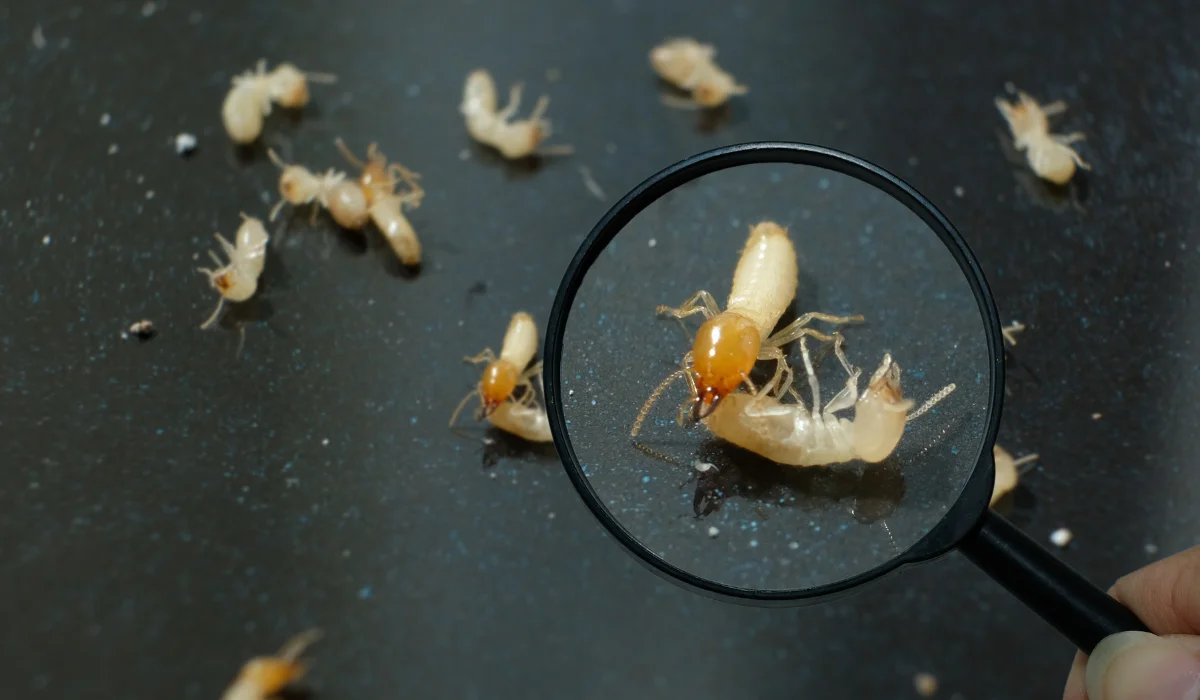
Termites construct shelter tubes that allow them to travel between the soil and the wood they feed on. Homeowners can reference photos and images of termites, shelter tubes, and damage if they suspect an infestation. These resources can also help you understand the inspection process before reaching out to a pest control professional.
Trails and Entry Points Pests Use
Pests use foundation cracks, gaps around doors and windows, and contact points between soil and your home’s structure to move inside. Bait products used by pest control companies can target a termite colony because the material is transferred among worker termites within the colony. Identifying these entry points early gives a professional a clearer picture of the scope of work involved, which affects what you pay for service.
Risks From Untreated Pest Problems
When homeowners focus only on what pest control costs, it is easy to overlook what pests themselves can cost you. Delaying professional service or relying on untested DIY methods may leave property damage, health concerns, and ongoing nuisance problems unaddressed. Understanding the real risks helps you weigh cost against consequences.
Health Risks Linked to Pest Infestations
Some pests pose direct health concerns. Red imported fire ants, for example, can deliver painful stings, so homeowners should take appropriate precautions to manage and prevent infestations, according to Texas A&M AgriLife Extension. Trying to handle stinging pests without the right approach can increase your exposure to those stings.
Pest control products also carry moderate risk when misused. Following the instructions from your pest control company helps minimize risks to your family and property, as Oregon State University Solve Pest Problems notes. A professional service team is trained to apply products according to label directions, reducing the chance of accidental exposure in your home.
Property Damage From Pest Infestations
Termites and carpenter ants are among the pests that can cause structural damage over time. Pest control companies have training to avoid property damage while addressing termite colonies. They also have access to products designed to target those colonies. The same applies to carpenter ant colonies, where trained professionals can address the problem without causing additional harm to your home.
Skipping or postponing professional treatment may allow wood-destroying pests to keep feeding behind walls. Hiring a licensed pest control company to control termites in your structures is the recommended path, according to Oregon State University Solve Pest Problems.
Food Areas and Pest Activity
Pests that move through kitchens and pantries are a common concern for homeowners weighing cost decisions. Keeping food-preparation areas free of pest activity matters, and professional service visits include inspection of interior spaces for current and potential problems. When you cut corners on pest control, the areas where your family prepares and stores food may remain vulnerable.
When to Look Closer at Pest Activity
Careful inspection is needed to detect and contain termite damage and colonies, especially for drywood termites, so that localized treatments can be used where they will do the most good. Without a thorough inspection, damage can go unnoticed behind walls and in attics.
If you notice signs of pest activity, a closer look from a trained professional can help you understand the scope of the issue. Pest control companies bring both the inspection expertise and the treatment access that most homeowners do not have on their own.
Professional Pest Control Services and Pricing
Understanding what goes into pest control helps you make sense of the costs involved. The value of professional service comes from thorough inspections, specialized treatment methods, and ongoing follow-up that DIY approaches typically cannot match. Here is what that process looks like in practice.
How to Reduce Attractants for Pests
Keeping your home clean and clutter-free can help reduce conditions that attract pests. However, according to Oregon State University Solve Pest Problems, these kinds of housekeeping activities will not get rid of an infestation on their own. They work best when combined with treatment from a pest control company.
Reducing attractants is a worthwhile first step, but it has limits. Certain pests, such as bed bugs, require an integrated approach that goes well beyond cleaning. In most cases, a homeowner will still need professional pest control services to address the problem.
Why Pest Control Starts With an Inspection
A full inspection is the foundation of any pest control plan. When you hire a professional pest control company, the service typically begins with a detailed look at your property. At LaJaunie’s, that inspection covers exterior walkways, windows, the base of the home, the attic, and optionally the garage and interior.
Professionals inspect for both current problems and potential problems, which helps shape a treatment plan suited to your home. Following up on inspections and treatments is an important part of the process, as Purdue Extension notes. A single visit rarely tells the full story.
What to Expect During Professional Pest Treatment
Pest control professionals bring special skills and tools that most homeowners do not have access to. According to the University of Minnesota Extension, an exterminator uses specialty equipment to move furniture, take it apart, and control the infestation. This level of access is often necessary for pests that hide in hard-to-reach areas.
Pest control services may also use heat treatment, maintaining temperatures of 118°F for at least 70 minutes in target areas. At LaJaunie’s, treatment steps include treating the base of the home, shrubs and trees within five feet, eaves, access points, cracks and crevices, doors, windows, and the attic. A service report is left after each visit detailing what was found and what was done.
What to Expect From a Pest Control Plan
Getting rid of certain pests is difficult and in most cases requires a professional pest control service. An integrated approach, combining inspection, treatment, and follow-up, tends to produce better results than any single method alone.
LaJaunie’s Healthy Home plan covers 18 common pests, including cockroaches, spiders, ants, mice, rats, fire ants, and wasps. The plan includes free retreatments until any issue between scheduled services is resolved. If two retreatments do not resolve the problem, a money-back option applies. Your service professional will text before arriving, walk through any concerns with you, and send a video summary of findings after each visit.
Bottom Line on Pest Control Costs
Pest control pricing depends on your home’s size, the type of pest involved, and whether ongoing service is part of the plan. DIY approaches can help with minor issues, but many pest problems call for professional training, inspection, and follow-up to address the full scope of the concern. Rather than guessing at cost, the most useful next step is to request a quote based on your specific situation, so a professional can assess the scope of work involved. Contact LaJaunie’s Pest Control to get a personalized estimate for your home.
Frequently Asked Questions
What Factors Affect the Cost of Pest Control?
The size of your home is one of the biggest variables. The type of pest also matters, since some infestations require specialized treatment steps or follow-up visits. Whether you need a one-time service or a recurring plan will shape the overall price as well.
Is Professional Pest Control Worth the Investment?
For many pest problems, a professional service brings training, proper tools, and a thorough inspection process that most homeowners cannot replicate on their own. Ongoing plans often include retreatment guarantees, so issues that arise between scheduled visits can be addressed at no added cost.
Can I Handle Pest Control on My Own?
Some minor maintenance tasks, like sealing entry points and keeping your home clean, can help reduce pest pressure. However, established infestations typically require professional intervention. DIY efforts alone may not resolve the underlying problem, and pairing them with a professional service tends to produce better results.
How Do I Choose a Pest Control Company You Can Trust?
Look for a company that is properly licensed in your state, since pest control firms must meet state regulatory requirements. Check customer reviews, ask about guarantees, and confirm that the company will inspect both the interior and exterior of your home before recommending a treatment plan. A written retreat guarantee and a detailed service report after every visit indicate a company that stands behind its work.