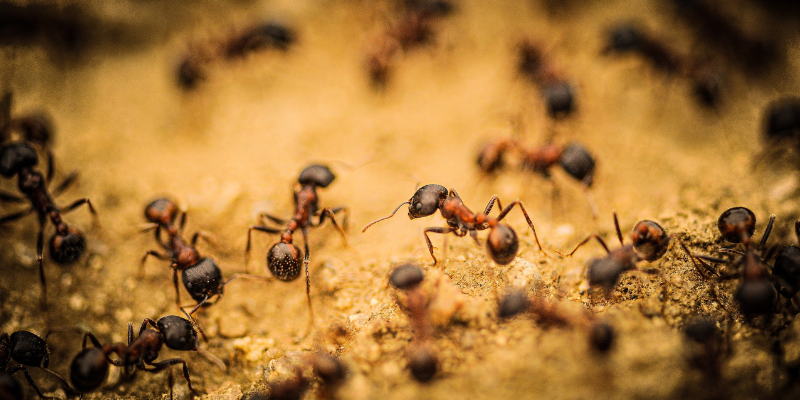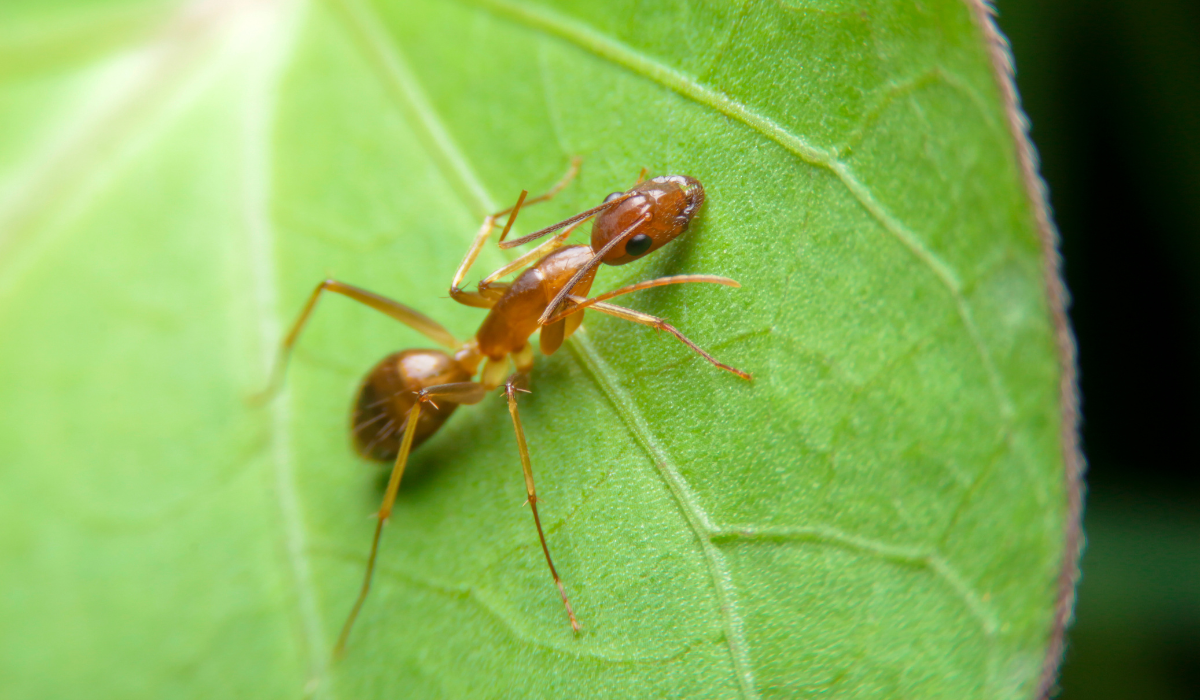


Fire ant bites can happen before you even realize you are standing near a mound. A few ants may crawl onto your shoe or ankle, grip the skin, and sting several times. The result is often a cluster of burning, itchy spots that can swell over the next several hours.
These encounters are common across Louisiana. Fire ants build colonies in lawns, playgrounds, garden beds, pastures, and open ground near sidewalks. Rain may make their mounds easier to see, but a colony can stay active even when the soil looks flat.
Most fire ant bites improve with basic home care. Others cause large areas of swelling, infection, or a serious allergic reaction. Knowing the difference can help you treat a routine sting without panic and respond quickly when symptoms become dangerous.
What Happens When Fire Ants Bite and Sting?
People usually call the marks fire ant bites, but the ant actually uses both its jaws and stinger. It grips the skin with its jaws, curls its body, and injects venom. One ant may sting several times while turning around the same point.
That motion often creates a small group of marks. When someone steps close to a colony, many worker ants can climb onto the foot or leg before stinging at nearly the same time. This is why a brief encounter may leave dozens of painful spots.
The burning sensation usually starts within seconds. Redness, itching, and localized swelling often follow. A small blister or white bump may develop later.
According to the Texas A&M AgriLife Extension Fire Ant Project, a mature fire ant colony may contain about 100,000 to 500,000 worker ants. A colony that size can react quickly when a mound or underground tunnel is disturbed.
| What the Ant Does | What You May Notice |
| Grips the skin with its jaws | A sharp pinch or sudden burning feeling |
| Stings more than once | Several marks close together |
| Injects venom | Redness, itching, swelling, and pain |
| Attacks with other workers | A cluster of stings on the foot, ankle, hand, or leg |
What Do Fire Ant Bites Look Like?
Fire ant bites usually change during the first 24 hours. The skin may first look red and raised, much like a small welt. Itching can begin soon after the burning feeling fades.
A small fluid-filled bump often forms later. The center may become cloudy or white, which can make the spot look infected. In many cases, though, this pustule is a normal reaction to the venom.
The Cleveland Clinic notes that a pus-like blister commonly appears within about a day. The material inside is usually sterile. It does not mean bacteria have entered the skin.
Several stings may form separate bumps across one area. The spots often remain itchy for a few days, even after the redness begins to fade. Children may have more noticeable swelling because the same number of stings affects a larger share of their body surface.
| Time After the Sting | Common Skin Reaction |
| First few minutes | Burning, pain, redness, and a raised welt |
| Several hours | Itching and localized swelling |
| About 24 hours | A white or cloudy pustule may form |
| Next several days | Itching fades and the pustule dries or flattens |
How to Treat Fire Ant Bites at Home
Move away from the mound before treating the skin. Fire ants can stay on socks, shoes, and clothing after the first sting. Brush them off and check cuffs, waistbands, and shoe openings.
Wash the affected area with mild soap and water. Apply a cold pack wrapped in a towel for 10 to 15 minutes at a time. Cold can ease pain and help limit localized swelling.
Raise the affected arm or leg when practical. This can help when several stings have caused swelling around a hand, ankle, or foot.
An over-the-counter antihistamine may reduce itching for some people. Hydrocortisone cream may also calm skin irritation. Follow the product label, and speak with a healthcare professional before giving medicine to a young child or someone who takes other medications.
Try not to scratch. Short, clean fingernails can reduce skin damage if scratching happens during sleep. Loose clothing may also feel better than fabric that rubs against the pustules.
Check the stings once or twice each day. Home care should lead to gradual improvement. New breathing problems, spreading hives, fever, increasing pain, or rapidly expanding swelling call for medical care.
When Does Fire Ant Bite Swelling Require Medical Care?
Fire ant bite swelling becomes more concerning when it affects areas beyond the sting or appears with whole-body symptoms. Trouble breathing, wheezing, throat tightness, widespread hives, faintness, vomiting, or swelling of the lips and tongue can signal anaphylaxis.
Call 911 when those symptoms appear. Do not wait to see whether the reaction settles on its own. A person who has been prescribed epinephrine should use it as directed and still receive emergency care.
Some reactions become obvious within minutes. Others develop after the person has left the yard. Stay with anyone who feels dizzy, confused, weak, or short of breath after multiple stings.
A medical professional should also evaluate swelling that becomes extremely painful, limits movement, affects circulation, or continues to worsen after two or three days. Infants, older adults, and people with serious heart or breathing conditions may need earlier care after numerous stings.
| Reaction | What It May Mean | Recommended Response |
| Small area of redness and swelling | Common local reaction | Use home care and monitor it |
| Large swelling around a hand, foot, or joint | Large local reaction | Contact a healthcare professional if it worsens |
| Spreading hives or facial swelling | Allergic reaction | Seek urgent medical care |
| Trouble breathing or throat tightness | Possible anaphylaxis | Call 911 immediately |
| Fever, red streaks, or worsening pain | Possible infection | Arrange medical evaluation |
How Can You Tell if a Fire Ant Bite Is Infected?
A normal fire ant pustule may resemble an infected wound. The difference often becomes clearer after the first day or two.
An uncomplicated pustule usually stays small, and the surrounding pain slowly improves. Infection is more likely when redness keeps expanding, the skin becomes hotter, or pain increases instead of easing.
Thick drainage, red streaks moving away from the sting, fever, chills, or swollen lymph nodes also need medical attention. These signs are not part of a routine local reaction.
Avoid popping the blister. The skin covering it protects the tissue underneath. Breaking it creates an opening for bacteria, especially when the sting is on a foot or hand that regularly touches soil and outdoor surfaces.
If the blister opens on its own, wash it gently with soap and water. Pat it dry and cover it with a clean bandage. People with diabetes, poor circulation, or reduced immune function should contact a healthcare professional sooner because open wounds may heal more slowly.
Why Fire Ants Are Common in Louisiana Yards
Louisiana’s warm weather and frequent rainfall allow fire ants to stay active for long periods. Colonies often appear in sunny lawns, garden beds, pastures, roadside soil, and areas near pavement.
Mounds may become more visible after rain because workers move moist soil toward the surface. During dry weather, colonies can remain active below ground even when the mound looks flat.
The USDA Animal and Plant Health Inspection Service reports that imported fire ants infest more than 367 million acres in the United States. Their range covers Louisiana and much of the Southeast.
Flooding can spread colonies into new locations. Fire ants may form floating groups during high water and settle on dry ground as the water recedes. This can place them around drainage areas, debris piles, levees, and parts of the yard that did not have mounds before a storm.
A property may contain several colonies without showing several large mounds. New colonies are smaller, and mowing can flatten the soil without removing the ants underneath.
How to Reduce Fire Ant Bites Around Your Home
Preventing fire ant bites starts with finding colonies before a child, pet, guest, or worker steps on one. Check sunny parts of the lawn, spaces beside sidewalks, garden borders, play areas, and ground near outdoor pet spaces.
Teach children not to kick or poke mounds. Check picnic spots and sports areas before anyone sits on the ground. Closed shoes and gloves provide added protection when gardening, moving sod, or picking up items that have been outside.
Do not assume that flattening a mound eliminates the colony. Most of the ants live below the surface in tunnels and chambers. Disturbing the mound can trigger defensive activity without reaching the queen.
Repeated mound activity often means the problem extends beyond one visible spot. A professional inspection can locate active colonies, small developing mounds, and high-risk sections of the property.
Protect Your Louisiana Yard From Fire Ants
Most fire ant bites cause temporary pain, itching, and swelling. The key is knowing when a reaction is staying local and when it is affecting the whole body. Trouble breathing, facial swelling, faintness, spreading hives, fever, or worsening pain should never be ignored.
Fire ant control around the yard can lower the chance of another painful encounter. LaJaunie’s Pest Control can inspect the property, locate active colonies, and recommend a treatment plan based on the way your family uses the outdoor space. Contact our local team when mounds keep returning or fire ants have spread into play areas, walkways, gardens, or other high-use parts of your property.