



Seeing possums in your yard can catch you off guard. They move slowly, show a mouthful of sharp teeth, and sometimes collapse as if they have died. Their pointed faces and long, nearly bare tails also make them look unlike most animals that wander through a Louisiana neighborhood.
Most possums are not looking for trouble. They usually enter yards after dark to search for food, water, or a quiet place to rest. One animal crossing the lawn may simply be moving between wooded areas, drainage canals, or other feeding spots.
Possums in your yard can even provide a few benefits when they remain outdoors. They eat insects, fallen fruit, dead animals, and other organic material. The situation changes when they return every night, shelter beneath a deck, or enter an attic or crawl space. Knowing the difference can help you respond without panic.
Possums Are Stranger Than Most Backyard Wildlife
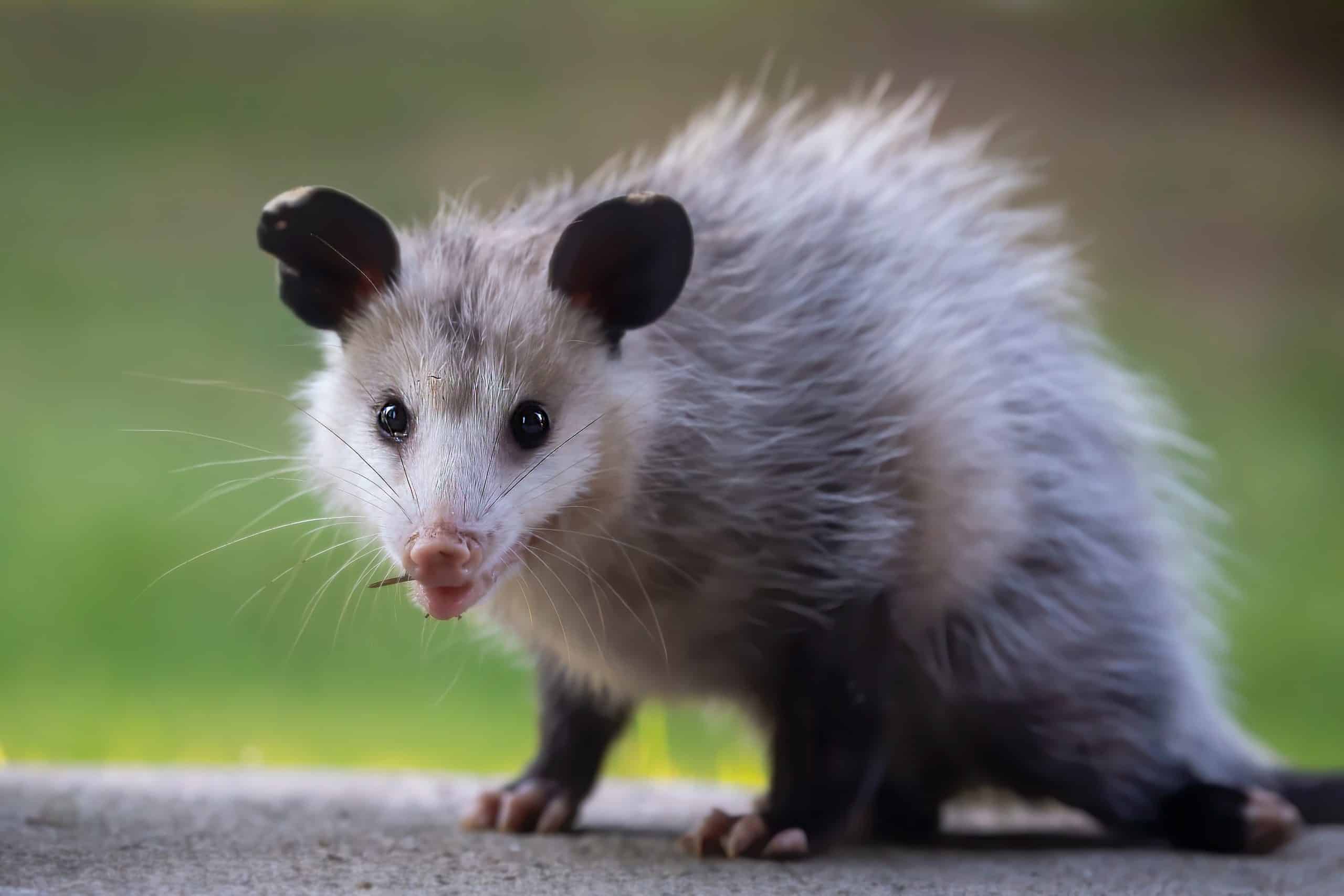
The animal Louisiana homeowners commonly call a possum is the Virginia opossum. It is North America’s only native marsupial, which means the female carries and nurses her young in a pouch.
According to the North Carolina Wildlife Resources Commission, Virginia opossums have 50 teeth, more than any other land mammal in North America. Those teeth can make a frightened possum look aggressive, but the open-mouth display is usually a warning. The animal would rather escape than fight.
Their Young Grow Inside a Pouch
A female opossum has a pregnancy that lasts only about 12 to 13 days. The newborn young are extremely small and must crawl into the pouch, where they attach to a teat and continue developing.
A female has 13 teats, which limits how many young can survive the earliest stage. As the young grow, they may leave the pouch and ride on their mother’s back. A homeowner who sees several small possums clinging to one adult is often watching a mother move her litter.
Their Tails Help With Balance
A possum’s tail can grip branches and help steady the animal while it climbs. This type of gripping tail is known as a prehensile tail.
Adult possums do not normally hang upside down by their tails for long periods. That image comes mostly from cartoons. In real life, the tail works as an extra point of support while the animal moves through trees, fences, and thick brush.
| Unusual Trait | Verified Detail | What Homeowners May Notice |
| Teeth | Virginia opossums have 50 teeth | A wide-mouth warning display |
| Pregnancy | Gestation lasts about 12 to 13 days | Very small young developing in a pouch |
| Pouch | Females have 13 teats | Young riding on the mother’s back later |
| Tail | The tail can grip and support balance | Slow climbing along fences or branches |
| Activity | Opossums are mainly nocturnal | Most yard visits happen after dark |
Why Possums Visit Louisiana Yards
Possums in your yard are usually following an easy source of food or shelter. Louisiana’s mild winters, long warm season, thick vegetation, and abundant waterways give them many places to live. Homes near bayous, drainage ditches, wooded lots, and overgrown areas may see more activity.
Possums also adapt well to residential neighborhoods. They do not need a wild habitat when a backyard provides garbage, pet food, fallen fruit, and a dry place beneath a shed. Several small attractants can keep the same animal returning night after night.
Food Sources Around the Home
The Smithsonian’s National Zoo & Conservation Biology Institute describes Virginia opossums as opportunistic feeders. Their diet may include insects, fruit, eggs, plant material, and small animals.
Around a home, that can mean pet food left on a porch, loose garbage lids, spilled birdseed, open compost, or fruit beneath a tree. A possum may also follow insects and rodents into cluttered areas near the house.
Places Where Possums May Shelter
Possums do not build complex dens of their own. They tend to use spaces that already offer protection, such as hollow logs, brush piles, abandoned burrows, raised decks, and sheds.
Open crawl spaces and damaged soffits create a larger concern. Once a possum finds a protected place inside or beneath a home, it may remain there during the day and leave after dark to feed.
| Yard Condition | Why It Attracts Possums | What to Change |
| Pet food left outdoors | Provides an easy meal | Bring bowls inside before evening |
| Garbage with a loose lid | Gives access to food scraps | Use a tight-fitting or locking lid |
| Fallen fruit | Offers soft, easy-to-reach food | Pick up fruit several times a week |
| Open compost | Contains accessible food waste | Use a covered compost container |
| Spilled birdseed | Attracts possums, insects, and rodents | Sweep beneath feeders |
| Brush or debris piles | Create shaded hiding places | Clear clutter near the home |
| Open crawl-space access | Provides dry shelter | Inspect the area before sealing it |
Possums Can Help Clean Up a Yard
Possums serve as scavengers. They eat dead animals, damaged fruit, insects, slugs, snails, and other material that might otherwise remain in the landscape. This feeding behavior helps recycle organic matter and can remove food that attracts flies or other wildlife.
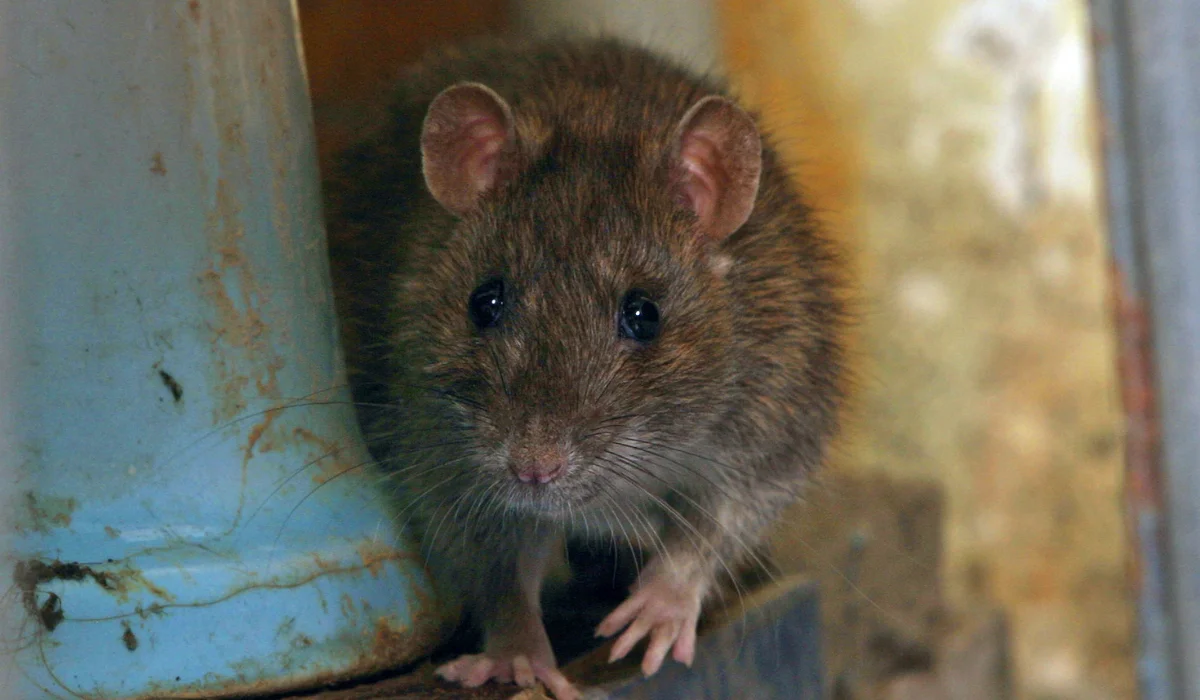
They may also eat small rodents, eggs, and easy prey they encounter while foraging. That does not make a possum a complete form of pest control, but it explains why one passing through a wooded edge or large yard is not always a problem.
The Tick Claim Needs More Context
The claim that one possum eats thousands of ticks each year appears in many articles and social media posts. Homeowners should not treat that number as settled fact.
Possums are generalist feeders, so their diet changes based on what is available. They may eat some ticks while grooming or foraging, but they should not be viewed as dependable tick control. Keeping grass trimmed, clearing leaf litter, and using a broader tick-management plan are more practical ways to reduce tick activity.
Why Possums Play Dead
Playing dead is one of the strangest things a possum does. The animal does not decide to perform the act. Intense fear can trigger an involuntary response that leaves it stiff, limp, and unresponsive.
A possum in this state may release a strong odor that makes predators lose interest. The response can last for several minutes or, in some cases, a few hours. Loud sounds or nearby movement may not cause the animal to recover right away.
Do not touch a motionless possum or try to move it with a shovel. Keep children and pets away, then observe from a safe distance. The animal may wake suddenly and defend itself if it feels trapped.
Are Possums Dangerous to People or Pets?
Most possums avoid direct contact with people. They may hiss, show their teeth, or freeze when approached, but these behaviors are usually defensive rather than signs that the animal plans to attack.
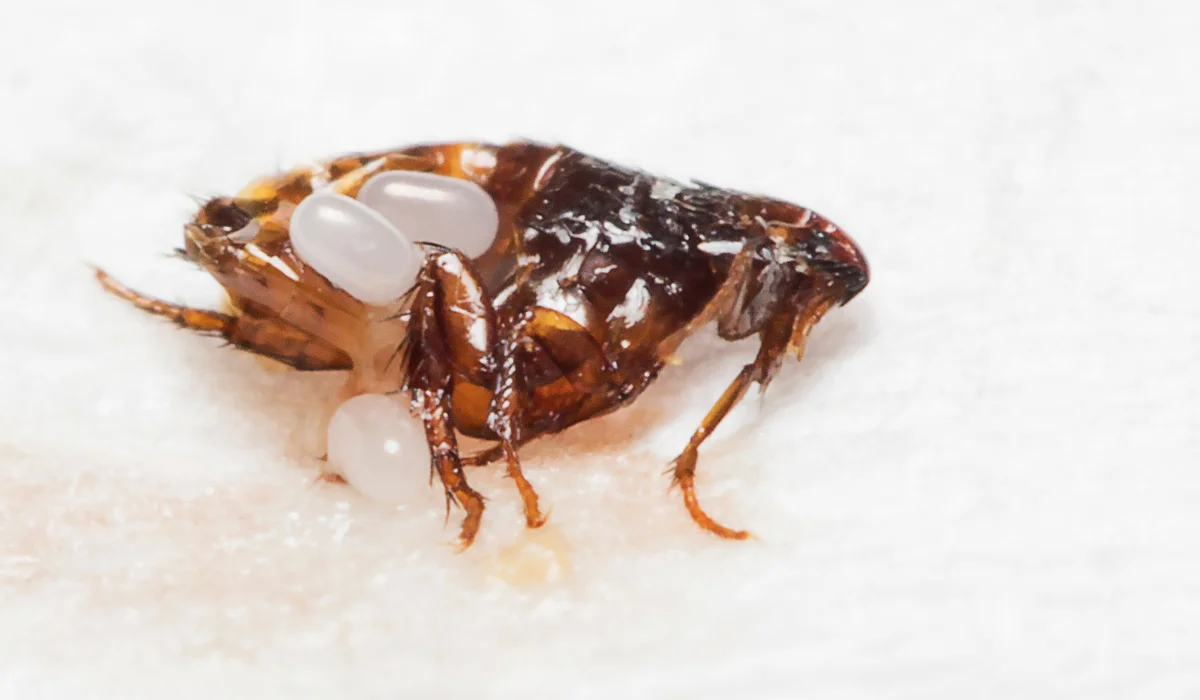
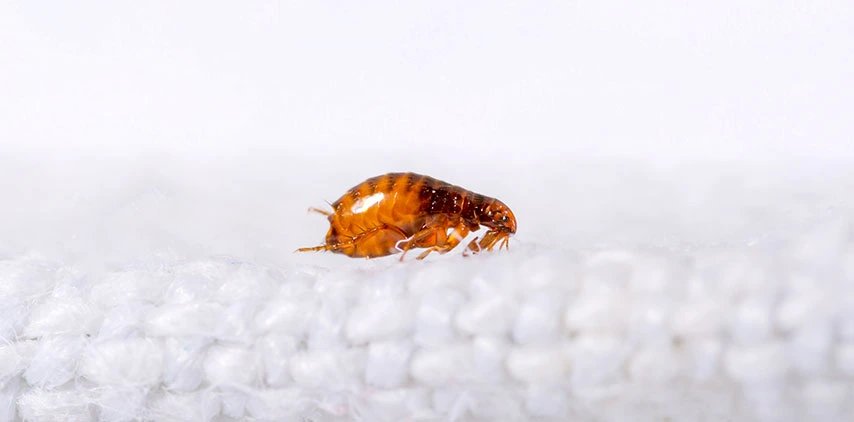
A cornered or injured possum can bite or scratch. Possums may also carry fleas, ticks, and intestinal parasites. Waste left in an attic, crawl space, shed, or garage can create another sanitation concern.
Daytime Activity Does Not Always Mean Rabies
Possums are mainly active at night, but seeing one during the day does not automatically mean it is sick. A nursing female may need more time to find food. Yard work, construction, pets, or another animal may also disturb a possum from its resting place.
The Centers for Disease Control and Prevention advises people to avoid direct contact with wild animals and seek medical care after a bite or scratch. Severe stumbling, repeated circling, paralysis, or unusual aggression deserves more concern than daytime activity by itself.
Dogs May Push a Possum Into a Fight
Dogs often chase wildlife before homeowners can call them back. A possum that cannot escape may bite or scratch in self-defense.
Bring pet food indoors before dark and supervise dogs when possum activity is common. Cats should also be kept away from outdoor feeding areas that attract wildlife. Current vaccinations, based on a veterinarian’s advice, add another layer of protection.
| What You Observe | What It May Mean | Best Response |
| One possum crossing the yard | Normal nighttime movement | Watch from a distance |
| A possum eating fallen fruit | A temporary food source is available | Remove the fruit |
| Daytime activity with normal movement | The animal may be feeding or displaced | Monitor without approaching |
| Nightly visits to garbage cans | The property offers a steady meal | Secure the garbage |
| Activity beneath a deck | The space may provide shelter | Check for tracks and droppings |
| Scratching in an attic or wall | Wildlife may be inside the structure | Schedule an inspection |
| Severe stumbling or aggression | The animal may be injured or ill | Keep away and call for help |
When a Helpful Visitor Becomes a Nuisance
A possum passing through the yard usually does not require removal. A possum becomes a nuisance when it repeatedly raids food, leaves waste, shelters beneath a structure, or enters the home.
Homeowners may notice droppings, strong odors, flattened vegetation, torn screens, or scratching sounds after dark. The location matters. An animal near the back fence presents a different concern from one moving through an attic above a bedroom.
Possums often use an opening that already exists. Loose vents, damaged soffits, open crawl-space doors, and gaps around pipes can give them access. Removing the animal without repairing the opening leaves the home exposed to another possum or a different wildlife species.
How to Make Your Yard Less Attractive
Start by removing food sources. Bring pet bowls indoors, secure garbage cans, collect fallen fruit, cover compost, and clean spilled birdseed. These steps reduce possum activity without harming the animal.
Next, limit shelter close to the house. Trim thick vegetation near the foundation, remove brush piles, and store firewood away from exterior walls. Check the spaces beneath decks and sheds for tracks, droppings, or nesting material.
Inspect soffits, vents, crawl-space doors, fascia, roof edges, and openings around utility lines. Do not close a gap until you know no adult or young possums remain inside. Sealing wildlife into a structure can lead to noise, odor, damage, and a harder removal.
When to Call a Wildlife Control Professional
Professional help makes sense when a possum enters an attic, crawl space, garage, or wall void. It is also a good choice when the animal leaves waste indoors, shelters beneath a structure, or keeps returning after food sources are removed.
A proper inspection should cover more than the last place the animal was seen. LaJaunie’s wildlife process may include checking the yard, foundation, crawl space, attic, roofline, soffits, fascia, vents, and openings around pipes or wires. The findings help determine whether the possum is passing through or living in the structure.
The recommended work may include removal, exclusion, sanitation, or repairs. The goal is to address both the animal and the condition that allowed it to stay.
Living With Possums Around Your Louisiana Home
Possums in your yard are often stranger than they are dangerous. Their 50 teeth, pouch-raised young, gripping tails, and involuntary habit of playing dead make them unusual visitors. Their scavenging habits can also help remove insects, fallen fruit, carrion, and other organic material.
A passing possum can usually be left alone. Repeated activity near a deck, attic, crawl space, garage, or garbage area deserves closer attention. LaJaunie’s Pest Control can inspect the property, identify signs of wildlife activity, and recommend a practical opposum control plan based on what is happening around your Louisiana home.