



A bug runs beneath the refrigerator before you can get a good look at it. You remember that it was brown and moved quickly, but that description could fit a cockroach, beetle, ant, or several other household pests. Accurate identification takes more than color.
This bug identifier guide explains how to recognize common bugs in Louisiana homes by their size, body shape, movement, hiding place, and the evidence they leave behind. It covers pests found in kitchens, bathrooms, bedrooms, closets, garages, attics, and around structural wood.
Louisiana’s warmth and humidity keep many pests active for long stretches of the year. Heavy rain can push outdoor insects inside, while plumbing leaks and damp crawl spaces create stable hiding places. Homes in Thibodaux, Houma, Baton Rouge, New Orleans, and nearby communities may face many of the same pests, but their location inside the house can help separate one species from another.
How to Use This Bug Identifier Guide
Begin with the pest’s approximate size. Instead of guessing in inches, compare it with a familiar object such as a grain of rice, an apple seed, or a quarter. Then study its general shape. Cockroaches have flattened oval bodies, fleas look compressed from the side, and ants have narrow waists between their body sections.
Movement also matters. Fleas jump. Silverfish move with a quick side-to-side motion. Cockroaches usually sprint toward cover, while bed bugs crawl and remain close to resting areas. A pest that flies toward indoor lights may require a different identification than one found beneath a sink.
Do not rely on the insect alone. Droppings, wings, shed skins, damaged fabric, mud tubes, webbing, and nesting material can provide better evidence than a quick photograph. The table below gives you a starting point.
| What to Check | What the Clue May Tell You | Example |
| Body shape | Separates flat, round, narrow, or segmented pests | Bed bugs are broad and flat |
| Antennae | Helps distinguish ants from termite swarmers | Ant antennae bend, while termite antennae look straighter |
| Number of legs | Separates insects from spiders | Insects have six legs, while spiders have eight |
| Movement | Narrows pests with similar colors | Fleas jump, while bed bugs crawl |
| Room or surface | Points to food, moisture, fabric, or wood pests | Pantry beetles gather near stored food |
| Evidence nearby | Can confirm activity after the pest disappears | Termites may leave wings or mud tubes |
Common Bugs Found in Louisiana Kitchens and Bathrooms
A Louisiana pest identification search often begins in the kitchen or bathroom. These rooms provide water, warmth, food residue, and narrow hiding spaces. German cockroaches, American cockroaches, ants, drain flies, and silverfish are frequent suspects.
German cockroaches are small, usually tan, and have two dark parallel stripes behind the head. They stay close to kitchens and bathrooms, where they hide near appliances, cabinet hinges, plumbing openings, and warm motors. Their droppings may look like black pepper along drawer tracks or in cabinet corners.
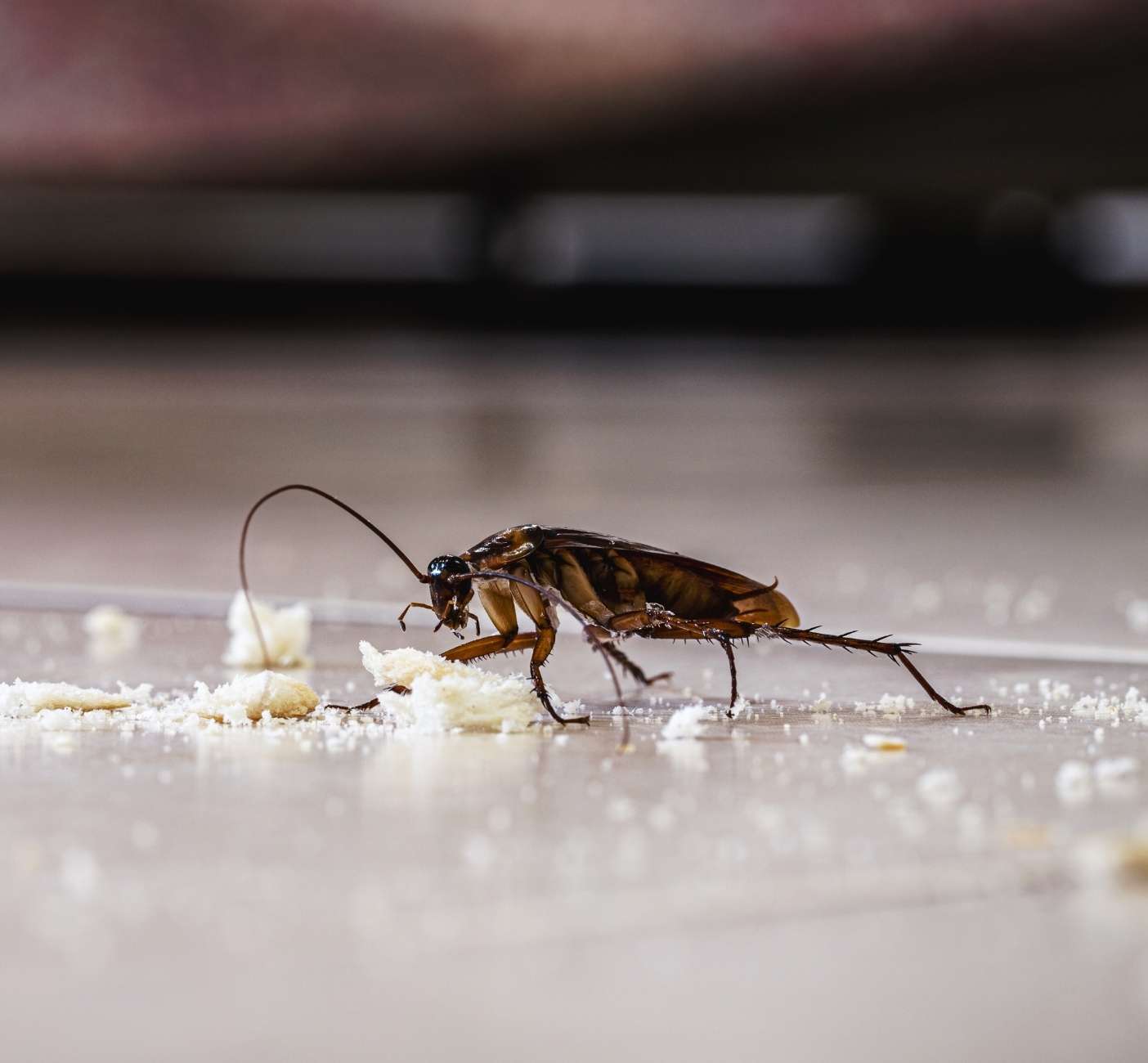
American cockroaches are much larger and reddish brown. Many Louisiana residents call them palmetto bugs. They may enter through garages, damaged door seals, floor drains, or utility openings, especially after wet weather. One large roach that wandered indoors presents a different situation from repeated sightings of small German cockroaches around the stove.
Cockroach debris can affect people with asthma. The Environmental Protection Agency identifies cockroach droppings and body parts as indoor asthma triggers, which makes established activity more than a simple nuisance.
| Pest | What It Looks Like | Where You May Find It | Evidence Nearby |
| German cockroach | Small and tan with two dark stripes behind the head | Cabinets, appliances, sinks, and bathrooms | Pepper-like droppings and egg cases |
| American cockroach | Large and reddish brown with long antennae | Garages, drains, laundry rooms, and utility areas | Larger droppings and shed skins |
| Household ant | Segmented body with a narrow waist and bent antennae | Counters, walls, sinks, and window frames | Trails leading to food or moisture |
| Drain fly | Tiny, fuzzy, and moth-like | Walls near sinks, tubs, and floor drains | Repeated activity around one damp drain |
| Silverfish | Silver or gray with a tapered body and three rear bristles | Bathrooms, closets, and storage boxes | Damage to paper, glue, or stored fabric |
Drain flies often rest on walls near a sink or tub. Their fuzzy wings give them a moth-like appearance. The adults are easy to wipe away, but continued activity usually points to organic buildup inside a drain or another damp breeding site.
Silverfish prefer humid, undisturbed spaces. Their long tapered bodies and three tail-like bristles make them easier to recognize than many small household pests. They may damage books, cardboard, wallpaper paste, and stored fabrics.
Bugs Found Around Beds, Rugs, and Closets
Bed bugs, fleas, and carpet beetles may all appear in bedrooms, but their behavior is different. Bed bugs stay close to places where people rest. Fleas gather near pets and floor-level fabrics, while carpet beetle larvae feed on certain stored materials.
Adult bed bugs have flat, oval, reddish-brown bodies. They often hide in mattress seams, bed frames, headboards, upholstered furniture, and tight cracks close to sleeping areas. According to the U.S. Environmental Protection Agency, adult bed bugs are generally about 5 to 7 millimeters long, which is close to the size of an apple seed.
Bites do not confirm a bed bug problem. Skin reactions vary, and bites from mosquitoes, fleas, or other pests may look similar. Dark spotting along mattress seams, pale shed skins, small eggs, or live bugs provide more useful identification evidence.
Fleas are smaller and narrower than bed bugs. Their strong rear legs allow them to jump, which is often the easiest way to separate the two pests. Check pet bedding, rugs, couches, and cracks between floorboards when people or pets develop itchy bites around the lower legs.
Carpet beetle adults are small and often rounded, with mottled coloring. The larvae look very different. They are brown, hairy, and may damage wool, feathers, fur, stored blankets, rugs, or clothing made with natural fibers.
| Pest | Best Identification Clue | Common Hiding Place | Commonly Confused With |
| Bed bug | Flat apple-seed shape with dark spotting nearby | Mattress seams, headboards, and furniture joints | Fleas and small beetles |
| Flea | Tiny dark body that jumps | Pet bedding, rugs, and upholstered furniture | Bed bugs |
| Carpet beetle larva | Brown, hairy body near damaged natural fibers | Closets, rugs, vents, and stored textiles | Bed bug nymphs |
| Clothes moth larva | Pale larva associated with webbing or fabric damage | Closets and stored wool items | Carpet beetle larvae |
How to Tell Termite Swarmers From Flying Ants
Termite swarmers and flying ants often appear around windows, doors, and indoor lights. Both have wings and may arrive in groups, but their body shapes differ. Termite swarmers have broad waists, straighter antennae, and two pairs of wings that are close to equal in length.
Flying ants have pinched waists and bent antennae. Their front wings are usually larger than the rear wings. Looking at all three features gives you a better answer than judging by color because both insects may appear dark brown or black.
Piles of loose wings near a window or door can indicate that termite swarmers entered, shed their wings, and moved away. Subterranean termites may also build narrow mud tubes across foundation walls, piers, plumbing areas, or other hard surfaces. Drywood termites leave hard pellet-like droppings beneath infested wood.
Louisiana homes face several termite species, including Formosan subterranean termites. The LSU AgCenter reports that mature Formosan termite colonies can contain several million termites. That colony size helps explain why a few visible insects may represent activity that extends beyond one piece of wood.
Carpenter ants can also appear near damp or damaged wood. They do not eat wood. They remove it while forming nesting spaces, which may leave coarse debris that resembles wood shavings. Termite damage usually remains hidden within the wood and may follow the grain.
Pantry Beetles and Other Stored-Food Pests
Tiny beetles or moths near flour, cereal, rice, spices, birdseed, or pet food often begin with one infested package. Adults may later crawl or fly into other rooms, so the place where you notice them may not be the original source.
Inspect opened and unopened dry goods for larvae, webbing, holes, clumps, or small beetles. Check shelf corners and food residue beneath containers. Throwing away one visible insect will not address activity inside another package.
Pantry pests do not usually point to poor housekeeping. They can enter a home inside packaged food. Once discovered, the useful first step is finding the affected item and checking nearby products rather than applying a household spray around food storage areas.
Spiders and Stinging Pests That Need Careful Identification
Spiders have eight legs and no antennae, which separates them from insects. Body markings may help identify a species, but lighting, age, and natural color variation make photographs unreliable. Many harmless Louisiana spiders are brown and are mistaken for brown recluse spiders.
A brown recluse has six eyes arranged in three pairs, but checking eye placement requires a close view. Do not handle a live spider to examine it. Black widow females have glossy dark bodies and often show a red hourglass-shaped marking beneath the abdomen. They favor quiet locations such as sheds, garages, woodpiles, and outdoor storage.
The nest shape can help identify wasps. Mud daubers build tubes or clumps from dried mud. Paper wasps create open comb nests beneath eaves and other protected surfaces. Yellow jackets may nest underground or inside wall voids, where people may not notice the colony until workers begin entering and leaving through one opening.
Do not strike, block, or pull down an active wasp nest. Activity near a doorway, play area, attic opening, or frequently used section of the yard calls for careful inspection before anyone disturbs the site.
When a Photo Is Not Enough
A clear photo can narrow the possibilities, but it does not always reveal the species or the extent of the activity. German and Asian cockroaches can look similar. Flying ants resemble termite swarmers, and several harmless spiders are routinely mistaken for medically significant species.
Location and evidence fill in the missing details. A technician may inspect plumbing openings, cabinets, appliances, mattress seams, attic spaces, foundations, window frames, exterior gaps, and damaged wood. The goal is not just to name the pest. It is to learn where it came from and whether it has settled inside the home.
Professional identification makes sense when you find termite wings, mud tubes, repeated cockroach activity, bed bug evidence, damaged fabrics, unexplained droppings, or insects emerging from walls. It is also helpful when the same pest returns after cleaning and sealing visible openings.
Get a Clear Identification for Your Louisiana Home
This bug identifier guide can help you make a strong first comparison, but accurate identification depends on several clues working together. Size, body shape, movement, location, and nearby evidence each answer a different part of the question.
LaJaunie’s Pest Control helps homeowners across southeastern Louisiana identify pests and locate the conditions supporting them. Our trained technicians inspect the areas where household pests feed, hide, nest, and enter. When a bug does not match the pictures you find online, or the activity keeps returning, contact LaJaunie’s Pest Control to schedule an inspection and get a clear answer about what is happening in your home.