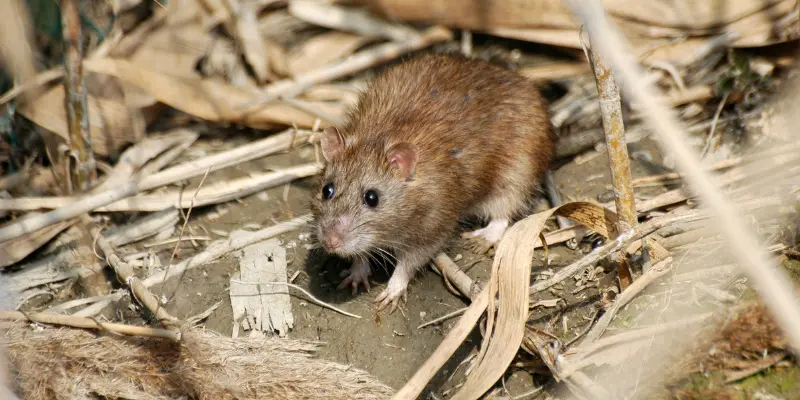
A Louisiana rodent problem usually starts quietly. You may hear scratching over the ceiling after dark, notice a few droppings behind stored boxes, or find a bag of pet food with fresh chew marks. By the time you actually see a rat or mouse, it may already know where to find food, water, shelter, and a way back inside.
South Louisiana homes give rodents several places to investigate. Raised foundations create protected space underneath a house. Rooflines, attic vents, garages, utility penetrations, and mature trees can create routes that are easy to miss during a quick walk around the property. Roof rats are strong climbers, so the entry point may be well above ground level.
A good rodent prevention plan starts by figuring out what is attracting activity and where the structure is vulnerable. From there, you can remove food and water sources, repair access points, clean contaminated areas correctly, and decide whether professional rodent control is needed.
Why Louisiana Rodent Problems Start Around Homes
A Louisiana rodent problem usually develops because the property offers something useful. Rats and mice do not need a perfect nesting site. A leaking hose, open pet food, bird seed in the garage, or a quiet stack of boxes can be enough to keep them returning.
Warm, protected spaces matter too. Attics, sheds, crawl spaces, garages, and wall voids can give rodents places to hide during the day. Raised homes in South Louisiana deserve extra attention because the area underneath may stay dark and protected while still giving animals access to pipes, wiring, flooring, and structural gaps.
| What Attracts Rodents | Common Examples | What to Change |
| Food | Pet food, bird seed, garbage, fallen fruit, pantry spills | Store food in sturdy containers and keep trash closed |
| Water | Dripping faucets, hoses, condensation, standing water | Repair leaks and remove recurring water sources |
| Shelter | Attics, garages, sheds, crawl spaces, clutter | Reduce clutter and keep stored items easy to inspect |
| Access | Utility gaps, damaged fascia, vents, worn seals | Repair openings with materials suited to the location |
The Environmental Protection Agency (EPA)’s integrated pest management guidance recommends reducing the food, water, shelter, and access that allow pests to stay around a structure. That approach makes sense for rodent prevention because removing the attraction is often more useful than reacting to each new sighting.
Where Rats and Mice Get Into Louisiana Homes
Louisiana rodent entry points are often smaller or higher than homeowners expect. You may hear activity above one bedroom even though the animal entered from another part of the roof and traveled through the attic before settling near that ceiling.
Local rodent activity often involves AC entry points, fascia, roof ridges, vents, and vulnerable areas beneath raised homes. Those locations matter because they can stay hidden from normal view while giving rats and mice a repeat route into the structure.
Rooflines, Fascia, and Vents
Roof rats can climb trees, fences, and other surfaces to reach upper parts of a house. Once there, they may investigate soffits, fascia, vents, roof edges, and construction gaps that are difficult to see from the yard.
Tree branches touching or hanging close to the roof deserve attention for the same reason. Trimming them does not make a roof impossible to reach, but it removes an easy route and gives you a clearer view of the roofline.
Raised Homes and Utility Penetrations
Raised homes create a different set of risks. Damaged wood, open crawl-space access, gaps around pipes, and deteriorated barriers beneath the structure can give rodents protected access to the underside of the house.
Utility penetrations can be just as easy to overlook. Air conditioning lines, plumbing, cables, and conduit should pass through walls without leaving unnecessary gaps. LaJaunie’s specifically identifies poorly sealed AC entry areas as a recurring problem around New Orleans properties.
The Centers for Disease Control and Prevention (CDC) rodent prevention guidance notes that mice can fit through a hole about 1/4 inch wide, roughly the width of a pencil. That measurement explains why small gaps around utilities and building materials deserve a closer look.
Signs of a Louisiana Rodent Infestation
A Louisiana rodent infestation often shows itself through evidence rather than direct sightings. Fresh droppings, gnawing, nesting material, travel marks, and repeated sounds can tell you where rodents are spending time and whether the activity appears current.
| Sign | What You May Notice | Where It Often Appears |
| Droppings | Dark pellets in repeated locations | Cabinets, garages, attics, storage areas |
| Scratching | Movement above ceilings or inside walls | Attics, wall voids, crawl spaces |
| Gnawing | Damaged bags, cardboard, wood, or stored items | Pantries, garages, attics |
| Travel marks | Darker marks along repeated routes | Walls, beams, pipes, attic pathways |
| Nesting material | Shredded paper, fabric, cardboard, or insulation | Quiet corners and stored belongings |
| Odor | Persistent musty or urine-like smell | Enclosed areas with ongoing activity |
Follow Fresh Damage
Fresh damage gives you more useful information than an old mark that has been sitting in storage for years. A newly chewed food bag, fresh droppings, or recently disturbed insulation suggests that rodents are still using the area.
Check the space around the evidence rather than focusing only on the damaged item. Nearby walls, shelves, pipes, rafters, and storage may reveal the route the rodent is following.
Treat Sounds as a Clue
Scratching or scurrying may become easier to hear at night when the house is quiet. The location of the noise can help narrow the search, but sound alone does not identify the animal.
Birds and other wildlife can make similar noises. Pairing the sound with droppings, gnawing, nesting material, or an exterior opening gives you a much clearer idea of what is happening.
How to Prevent Louisiana Rodent Problems
Preventing a Louisiana rodent problem starts outside the house. A careful walk from the foundation to the roofline can reveal conditions that are easy to ignore, especially around vents, garage doors, crawl spaces, AC lines, utility openings, and damaged exterior materials.
The goal is not to make your property impossible for a rat or mouse to approach. It is to remove easy food, water, shelter, and access so the property becomes less useful to them.
Reduce Food and Water Sources
Store pet food, bird seed, and dry goods in sturdy containers. Clean spills promptly, secure outdoor garbage, and bring pet bowls inside when they are not being used.
Water deserves the same attention. Repair dripping hoses and faucets, and check crawl spaces or utility areas for recurring moisture. A small leak that seems harmless can still provide a regular water source.
Keep Storage Areas Visible
Rodent prevention becomes harder when garages and attics are packed tightly with cardboard and soft materials. Long-term storage is easier to inspect when you use durable bins and leave enough room to see walls, floors, and corners.
This also helps you spot new droppings or gnawing sooner. A clear storage area gives you a better chance of noticing a problem before the evidence spreads.
Repair Entry Points Based on Evidence
Start with openings closest to fresh activity. That may be a worn garage seal near damaged food, an AC penetration near wall marks, or a roof gap close to attic droppings.
Do not seal random holes without considering whether rodents are already inside. Exclusion works best when you understand the active route and repair the parts of the structure that are actually being used.
How to Clean Up After Rodent Activity
Rodent cleanup is part of Louisiana rodent control, especially when droppings, urine, nesting material, or contaminated insulation are left behind. These materials should not be handled like ordinary dust or debris.
The CDC’s rodent cleanup instructions advise against sweeping or vacuuming dry rodent waste before it has been properly wetted and disinfected. Following the correct cleanup process lowers the chance of disturbing contaminated material and spreading it through the area.
| Cleanup Situation | Better Next Step |
| A few droppings in an accessible area | Follow current CDC disinfection and removal guidance |
| Dry droppings you planned to sweep or vacuum | Wet and disinfect them before removal |
| Nesting material in stored belongings | Disinfect before handling and dispose of contaminated material carefully |
| Widespread attic contamination | Have the area assessed for sanitation needs |
| Heavily soiled insulation | Determine whether cleaning is enough or restoration is needed |
Small amounts of contamination may be manageable when you follow current public-health guidance. Larger attic problems may call for sanitation or restoration, especially when insulation has been heavily soiled or damaged.
Choosing the Right Louisiana Rodent Control for Your Property
Louisiana rodent control may need a closer look when you keep finding fresh droppings, chewing damage, odors, or signs of movement after basic prevention steps. LaJaunie’s technicians use that evidence to help determine where rodents have been active and whether the situation calls for regular rodent service or a more detailed exclusion inspection.
During a more involved inspection, LaJaunie’s Pest Control checks the exterior for areas that may need sealing, repair, or sanitation. Technicians also inspect spaces such as attics and crawl spaces for droppings, chewing damage, odors, travel trails, and other signs of rodent activity.
When Routine Rodent Control May Be Enough
For qualifying Healthy Home Plus service, LaJaunie’s places rodent bait stations around the home based on evidence such as droppings, tracks, and nesting activity.
Our team first determines whether the problem fits regular rodent control or whether a more complex inspection and exclusion plan is needed.
When Exclusion Is the Better Fit
Rodent exclusion may be recommended when the inspection finds structural openings or access routes that allow rats or mice to keep entering the property. Depending on what the inspection finds, exclusion work may involve fascia, roof vents, mesh, crawl-space sealing, caulking, or other exterior openings.
If you continue finding fresh evidence after basic prevention steps, contact LaJaunie’s Pest Control for an inspection and a plan based on what the property needs.