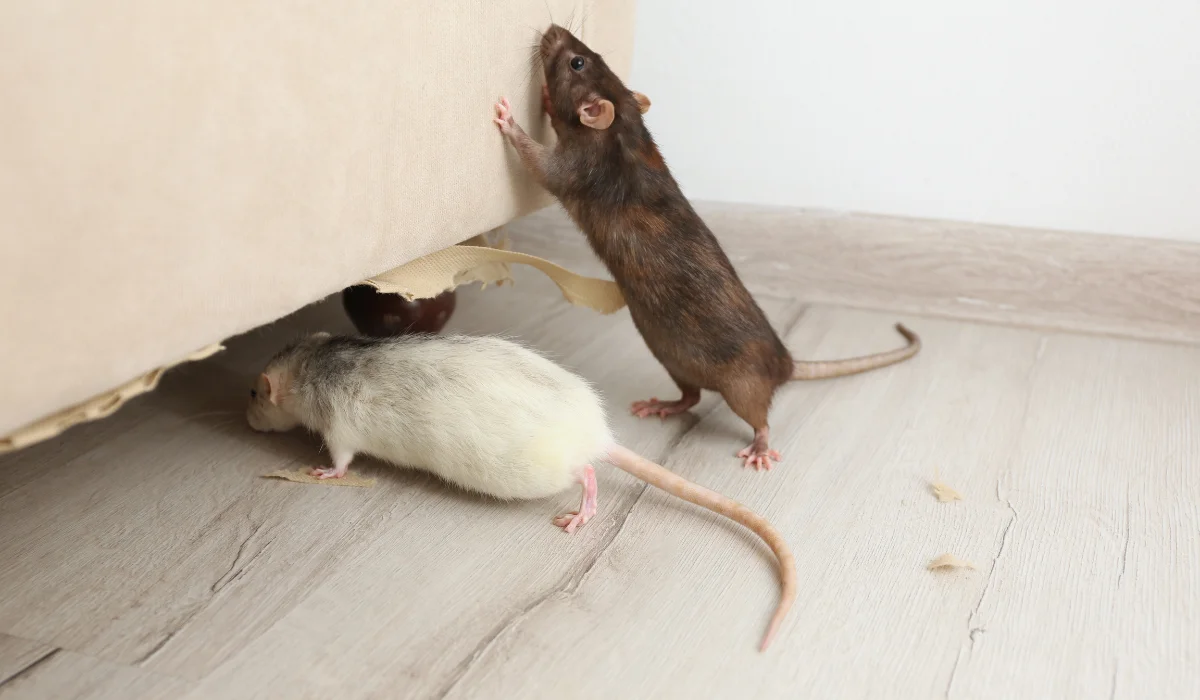





A single female house mouse can have 5 to 12 babies after a pregnancy of just 19 to 21 days. Because young mice can begin reproducing at about six weeks old, one mouse can lead to more than 100 mice in just a few months.
That is why how fast do mice multiply matters when you notice signs of activity inside your South Louisiana home. Scratching in the walls, droppings, or bite marks on food packaging may point to more than one mouse already living nearby.
This guide explains how quickly mice reproduce, what happens during each stage of their life cycle, why mouse activity can continue year-round in Louisiana homes, which signs mean the problem may be growing, and when it is best to contact professional mice control.
Key Takeaways
- A female mouse can produce another litter in about three weeks, so a small indoor mouse problem can grow quickly when food and shelter are easy to find.
- Young mice mature fast and can begin reproducing within weeks, allowing several generations to overlap inside a home.
- Cooler weather can push mice into South Louisiana homes, but once they are indoors, comfortable temperatures and steady food sources can support activity throughout the year.
- Droppings, gnaw marks, scratching sounds, nesting material, and repeated travel paths are signs worth addressing before the population has more time to grow.
How Fast Do Mice Multiply in Your Home?
House mice reproduce quickly. A female can become pregnant again within weeks, with pregnancy lasting about 19 to 21 days. A litter may contain several young mice, and those offspring can mature quickly enough to begin adding to the population themselves.
That means how fast mice multiply depends on more than the first litter. When several generations begin overlapping in a warm home with dependable food and nesting areas, what looked like one or two mice can become a much larger problem within a few months.
The existing life-cycle breakdown below does a good job of showing how quickly that happens, so it should stay in place.
Birth
Newborn mice are completely hairless and blind. These baby mice weigh less than a gram and spend their first days hidden in warm nesting spots like wall voids, attics, or under appliances.
You’re not likely to see them yet, but the signs are there, like soft squeaking sounds or a growing trail of droppings.
1 Week Old
At one week of age, the baby mice are still completely reliant on their mother. By now, they’ve started to grow a light coat of fur, but they’re still hairless around the eyes and ears.
The mother mouse rarely leaves the nest during this stage, as she nurses and protects her young.
2-3 Weeks Old
Around two weeks of age, their eyes begin to open, and their activity increases. By three weeks old, they begin exploring outside the nest, nibbling on crumbs and food scraps.
These young mice are now at the stage where they may start chewing on electrical wires and household items to wear down their teeth.
4-5 Weeks Old
At about a month old, these mice are considered independent. By five weeks of age, many are ready to leave the nest and establish new territories.
Female mice may already be preparing to breed again, especially if conditions in your home are warm and food is plentiful.
Adult Mice
The average lifespan of a house mouse is 12 to 18 months in the wild, but in a climate-controlled environment like your home, some can live up to 2 years. During that time, a single female mouse can give birth to hundreds of offspring.
Without professional mouse control or a natural predator, the reproduction cycle continues without interruption.
How to Stop a Mouse Infestation Before It Starts
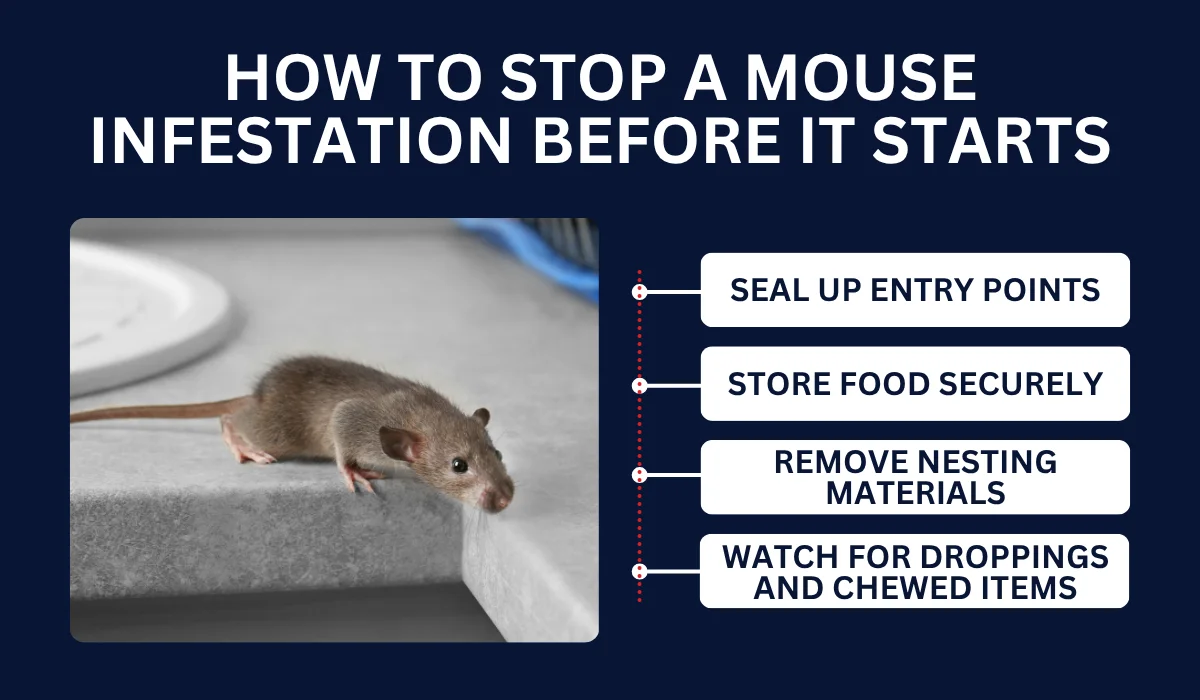
If you’ve seen signs of mice or just want to keep them out, it’s smart to take action before the problem grows. Here’s how you can make your home a lot less attractive to them, starting today:
1. Seal up Entry Points
Most mouse problems start with a gap or crack as small as a dime. Entry points like utility penetrations, cracks in the foundation, or loose siding offer easy access for these small rodents.
In older homes common around Thibodaux, Houma, and New Orleans, it’s worth checking every crawl space, vent, and roofline. LaJaunie’s rodent inspections also check exterior areas for openings that may need sealing, repair, or exclusion work before mice can keep using them.
2. Store Food Securely
Once inside, mice are on the hunt for food. Leaving out pet food, snacks, or open containers makes your kitchen a perfect feeding ground.
Switch to durable containers and get rid of damaged food packaging. Even the smell of dry goods can attract mice to your pantry.
3. Remove Nesting Materials
Mice use shredded fabric, paper, and insulation to build nests. If you’ve recently had a termite inspection, attic work, or mold remediation, now is a good time to declutter. Piles of clothes, blankets, or even cardboard boxes in attics and garages can provide a perfect nesting environment.
4. Watch for Droppings and Chewed Items
Mouse feces are often the first sign that you’ve got unwanted guests. You’ll find droppings near food sources, along baseboards, and in the backs of cabinets. You might also spot gnaw marks or shredded insulation. These are red flags that point to a developing rodent problem.
Why You Should Act Quickly
Because mice multiply quickly, a few droppings or occasional scratching sounds should not be ignored. A female can produce another litter within weeks, and young mice mature fast enough for several generations to overlap, turning a small problem into a full-blown infestation when food and shelter are easy to find.
Rodent droppings and urine can also contaminate areas where mice are active, and mice can carry diseases such as hantavirus. The Centers for Disease Control and Prevention (CDC) rodent cleanup guidance recommends wet-cleaning rodent waste rather than sweeping or vacuuming it dry.
Chewing can create another problem. During rodent inspections, LaJaunie’s technicians check AC conduits, stored materials, cardboard, plastic, clothing, and bedding for signs that mice have been gnawing or collecting nesting material. Damaged wiring is another concern, especially in older homes where rodent activity may go unnoticed in attics or wall voids.
Signs Technicians Look for During a Mouse Inspection
When LaJaunie’s technicians inspect South Louisiana homes for mice, they look beyond whether you have actually seen one. Droppings, nesting materials, chewing damage, odors, and repeated travel paths can show where mice have been moving through an attic, crawl space, wall void, or another hidden area.
In raised homes around Thibodaux and Houma, what looks like a small indoor problem may only be part of the activity. Technicians may trace signs of mice to crawl spaces and other sheltered areas beneath the home, where gaps, damaged wood, and other openings can give rodents a way inside.
In attics, technicians also watch for gray or discolored running trails left where mice repeatedly follow the same path. Chewed AC conduits, cardboard boxes, plastic bags, clothing, and bedding can provide more clues, helping technicians trace activity toward an entry point rather than focusing only on the area where you hear or see mice.
Why Mice Move Indoors During Louisiana’s Cooler Months
South Louisiana winters are mild, but mice still respond when temperatures drop. When it gets chilly outside, they look for warmer shelter and can enter through garages, siding gaps, foundation cracks, and openings around doors and windows.
Winter is not the only time you can have a mouse problem, though. Mice do not hibernate, and a home gives them steady temperatures, food, and nesting areas throughout the year. Once they get indoors, their breeding cycle does not have to follow Louisiana’s outdoor seasons.
That is why rodent prevention works best as a year-round habit. Checking entry points, storing food securely, limiting nesting material, and watching for new droppings or gnaw marks can help you spot activity before another generation develops.
Keep Mice From Multiplying in Your Louisiana Home
Once mice have food, shelter, and a protected place to nest, their numbers can rise quickly. Knowing how fast do mice multiply helps explain why early signs such as droppings, scratching, gnaw marks, or nesting material are worth addressing rather than waiting for more mice to appear.
Sealing entry points, reducing food and nesting sources, and checking hidden areas can make your home less inviting. If you are already finding droppings, hearing scratching, or seeing other signs of activity, professional rodent control can help identify where mice are getting in and what needs to be addressed. LaJaunie’s Pest Control serves homeowners across South Louisiana with rodent inspections, exclusion, and ongoing pest control support.
Reach out to us today for a free quote, and let us help you protect your home and your family with smart, safe solutions that keep mice, cockroaches, bed bugs, and other pests where they belong: outside.
Frequently Asked Questions
How many mice is considered an infestation?
There is no set number that officially defines a mouse infestation. Even one indoor sighting can justify a closer look because mice stay hidden and reproduce quickly. Repeated sightings, droppings in several areas, nesting material, or ongoing scratching sounds are stronger signs that more than one mouse may be present.
How long does it take for mice to infest a house?
A mouse problem can grow noticeably within a few months when food, shelter, and nesting areas are available. Pregnancy lasts about three weeks, and young mice mature within weeks, so several generations can begin overlapping before you see how large the population has become.
How fast do mice multiply after getting into a house?
Mice can begin reproducing soon after settling indoors if mature males and females are present. A female can produce another litter in about three weeks, and young mice mature quickly, which allows the population to increase faster when they remain undisturbed.