



You walk into a sunlit room on a fall afternoon and notice several orange and red beetles gathering around a window frame. A few days later, dozens more appear near windows, light fixtures, and ceiling corners throughout the house. The asian lady beetle invasion Covington homeowners often notice each fall typically begins when cooler temperatures drive these insects to search for protected places to spend the winter.
As temperatures cool across Covington, Asian lady beetles move toward homes, attics, and wall voids that offer shelter from changing weather conditions. Understanding why these seasonal invasions occur, what attracts beetles to certain properties, and how to reduce entry points can help you prevent larger numbers from settling inside your home.
Key Takeaways
- Asian lady beetles can enter Covington homes in large numbers during the fall, and they may become active again on warm winter days or during spring as they try to move back outdoors.
- These beetles are beneficial insects that feed on aphids and other soft-bodied pests in gardens and landscapes, but they can become a nuisance once they gather inside your home.
- Sealing cracks and gaps around doors, windows, and where different building materials meet can help keep Asian lady beetles from finding their way indoors.
- Asian lady beetles do not sting and do not carry disease, so the concern for Covington homeowners is primarily the frustration of dealing with large indoor gatherings rather than a health risk.
Why Covington Asian Lady Beetle Invasions Happen in Fall
Asian lady beetles spend much of the year outdoors feeding on aphids and other soft-bodied insects in gardens, wooded areas, and agricultural settings. As temperatures begin to cool and daylight hours shorten, these beetles start searching for protected places where they can spend the winter. Homes, garages, and other structures often provide the shelter they need, which is why fall is the time of year when homeowners are most likely to notice increased beetle activity.
Falling Temperatures Trigger Their Search for Shelter
Asian lady beetles rely on protected overwintering sites to survive colder weather. As seasonal conditions change, they leave outdoor feeding areas and begin gathering on buildings. According to Kansas State University Extension, large numbers of beetles may congregate on exterior walls before attempting to move indoors.
This seasonal movement is one of the primary reasons homeowners experience an asian lady beetle invasion Covington residents often notice during the fall months. Once beetles begin searching for shelter, homes can become attractive overwintering locations.
Homes Provide Ideal Overwintering Sites
Asian lady beetles are commonly found in wooded areas, gardens, and other outdoor environments throughout the year. However, they are more likely than many native lady beetle species to seek sheltered overwintering sites in and around structures. Wall voids, attics, garages, and other protected spaces offer stable conditions that help them survive until warmer weather returns.
Homes with cracks, gaps, and other entry points give beetles access to these protected areas. Once inside, they may remain hidden for months before becoming active again during warm winter days or early spring.
Food Sources Decline in Fall
Aphids are the primary food source for Asian lady beetles. As aphid populations decline later in the season, beetles may move to other food sources, including fall-ripening fruits such as grapes, apples, and raspberries. When those resources become less available, their focus shifts from feeding to finding shelter.
According to Purdue Extension, Asian lady beetles do not damage household furnishings, infest stored food, or reproduce indoors. The challenge for homeowners is the large number of beetles that can gather inside structures during the overwintering period.
Sunny Exterior Walls Attract Beetles
Asian lady beetles often gather on west- and southwest-facing walls where afternoon sunlight warms exterior surfaces. These sunlit areas help the beetles locate suitable overwintering sites and encourage them to remain near the structure.
Once they accumulate on exterior walls, beetles may move through gaps around windows, doors, siding, rooflines, and utility penetrations. Because this activity follows a predictable seasonal pattern, sealing entry points and addressing vulnerabilities before fall can help reduce indoor beetle activity later in the year.
How to Identify an Asian Lady Beetle Invasion in Covington
If you are finding clusters of small, spotted beetles on or inside your Covington home during late fall, you may be dealing with Asian lady beetles. More than 100 native species of lady beetles live in the region, so telling the Asian lady beetle apart from native species is the first step toward understanding what is happening around your home.
How to Tell Asian Lady Beetle Types Apart
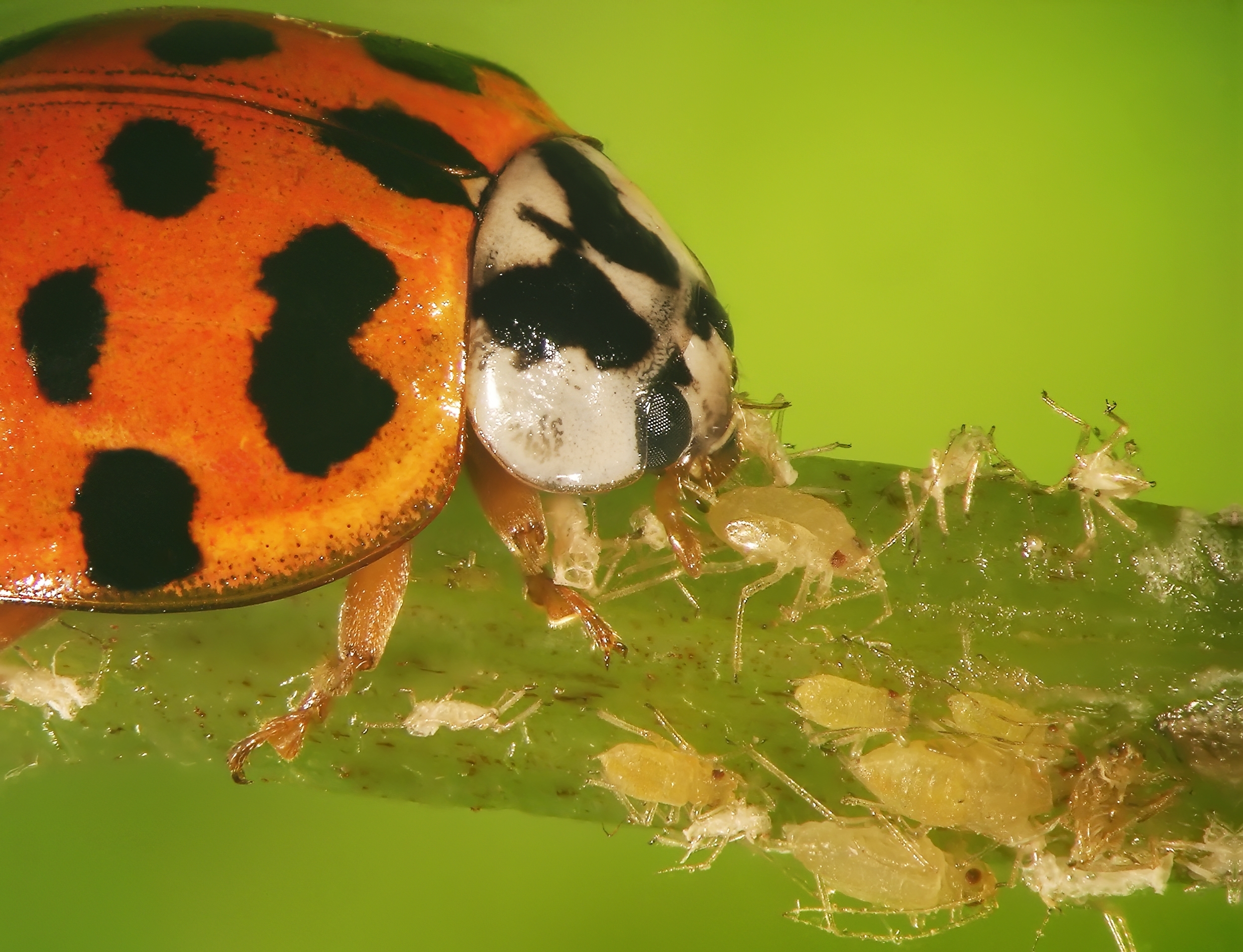
The Asian lady beetle is a nonnative species that looks similar to most other lady beetles. It is oval, convex, and approximately one-third of an inch long. However, body color varies widely among Asian lady beetles, which can make identification tricky at first glance.
The most reliable feature is a distinct black “M”-shaped marking behind the head. According to the University of Minnesota Extension, looking for this marking is the best way to identify multicolored Asian lady beetles. The species typically has 19 black spots on its wing covers, though these can range from well-defined to barely visible traces.
How to Spot Asian Lady Beetle Activity Inside Your Home
The Asian lady beetle has an unusual habit of congregating in large numbers on and inside buildings during late fall. Unlike many native species that tend to stay outdoors, this species seeks sheltered spots within homes as temperatures drop. You may notice groups of them gathering on interior walls, window frames, or ceilings.
Where Asian Lady Beetle Activity Shows Up Around Homes
On the exterior, Asian lady beetles are most attracted to buildings where abrupt color contrasts occur in a longitudinal fashion. Look for clusters forming on surfaces where light and dark tones meet, such as trim lines against siding. These gatherings can be dense during peak activity in the fall.
Exterior Entry Points Asian Lady Beetles Use
Sealing gaps around windows, doors, utility penetrations, and siding joints before fall can reduce the number of beetles that enter your home. Walk the perimeter and look for gaps where these beetles could work their way indoors.
Risks From Asian Lady Beetle Invasions in Covington
Asian lady beetles are not dangerous pests in the traditional sense. They cannot sting, and according to the University of Minnesota Extension, they do not carry disease. Still, large numbers of these beetles inside your home can create real headaches for Covington homeowners, from surface staining to allergy concerns.
Health Risks Linked to Asian Lady Beetles
While Asian lady beetles pose no sting or disease risk, they can trigger allergic reactions in some people. As the Mississippi State University Extension notes, some people are allergic to the dust from the dried, crushed bodies of dead beetles. When large groups congregate indoors over winter, dead beetles accumulate and break down into fine particles that may affect sensitive individuals.
Property Damage From Asian Lady Beetles
These pests can leave small stains on walls and wall coverings. The staining tends to happen when beetles are disturbed or crushed against interior surfaces. Over time, repeated staining in the same areas can become noticeable, especially on lighter paint or wallpaper.
Asian lady beetles often enter directly into living quarters or into wall voids and attics, where they congregate in large numbers to spend the winter. That sheer volume of pests inside hidden spaces can make cleanup a challenge once warmer weather returns and beetles begin moving around again.
Food Areas and Asian Lady Beetle Activity
Because these beetles enter homes in the fall in large numbers to overwinter, they can turn up in kitchens and pantries as they move through interior spaces. Their presence near food preparation areas is a nuisance. You may notice clusters near windows or light fixtures in these rooms as the beetles seek warmth.
When to Look Closer at Asian Lady Beetle Activity
If you spot a handful of beetles, the problem may be manageable. But Asian lady beetles have gained notoriety for entering homes in the fall in large numbers. A few on a windowsill can signal many more hidden inside wall voids and attics. Coloration ranges from red to orange to yellow, and individuals may have zero to nine spots on each wing, so do not dismiss a beetle just because it looks slightly different from the last one you saw.
Professional Pest Control for Asian Lady Beetles in Covington
Multicolored Asian lady beetles are beneficial outdoors, where they feed on aphids, whiteflies, small caterpillars, and other insect pests. However, they become a nuisance in fall when they seek overwintering sites indoors. For Covington homeowners dealing with large numbers of these beetles, timing and approach matter more than most people expect.
How to Reduce Attractants for Asian Lady Beetles
Because Asian lady beetles are drawn to structures for shelter rather than food, traditional attractant removal does not apply in the same way it does for pantry pests. The most practical step is limiting the entry opportunities before fall migration begins. Sealing gaps around your home’s exterior during late summer can reduce the number of beetles that find their way inside.
Keep in mind that these beetles play a helpful role in your yard. Both adults and larvae of the multicolored Asian lady beetle prey on aphids, including woolly aphids on aboveground plant parts. Removing them from garden areas is usually unnecessary and may increase aphid pressure on your landscaping.
Why Asian Lady Beetle Control Starts With Inspection
An inspection of the exterior helps determine where beetles are entering and congregating. LaJaunie’s Pest Control service professionals look at the exterior of your home for gaps that beetles may use during fall migration. Knowing the scope of activity guides the right treatment timing and method.
According to the University of Georgia pest guide, preventive measures should be in place by mid-September and may continue through November or early December. An inspection well before that window gives your technician time to prepare a plan that addresses your home’s specific vulnerabilities.
What to Expect During Professional Asian Lady Beetle Treatment
Timing is the most important factor in professional treatment. Exterior treatments applied before beetles begin migrating indoors in fall can help intercept them at entry points. According to the Mississippi State University Extension, once Asian lady beetles are already inside, chemical solutions are not especially useful for controlling invasions. That is why proactive, well-timed service matters.
If beetles have already gathered indoors, physical removal methods such as vacuuming are typically the most practical option. Your LaJaunie’s technician can advise on the best approach depending on how far along the invasion has progressed.
What to Expect From an Asian Lady Beetle Control Plan
A control plan from LaJaunie’s Pest Control focuses on the seasonal pattern of beetle activity. Because multicolored Asian lady beetles follow a predictable fall timeline, your plan may include exterior treatments beginning in mid-September and continuing as needed into early December.
LaJaunie’s serves the Slidell and surrounding areas, so Covington homeowners can expect local service from a team familiar with seasonal pest issues across Southeast Louisiana. Your technician can walk you through what to look for throughout the season and help you stay ahead of the next fall migration cycle.
Asian Lady Beetles in Covington: Bottom Line
Asian lady beetles can gather in large numbers inside wall voids and attics when cooler weather arrives, and once they are indoors, treatment options become limited. The most practical approach is sealing entry points before fall and addressing any beetles that do make it inside through physical removal rather than relying on indoor sprays. If you are dealing with persistent beetle activity in your Covington home, contact LaJaunie’s Pest Control for a professional assessment.
Frequently Asked Questions
How Can I Tell Asian Lady Beetles Apart from Native Ladybugs?
Look for a distinct black “M”-shaped marking on the area just behind the head. This feature helps distinguish the multicolored Asian lady beetle from the many native lady beetle species found in Louisiana.
Are These Beetles Harmful Inside My Home?
Some people may also be allergic to dust from dried, crushed beetle bodies. Sealing gaps around your home before they move indoors helps reduce these issues.
Why Do They Gather in Such Large Numbers?
Asian lady beetles seek sheltered spots to spend the winter. Gaps and cracks in a home’s exterior allow them to enter wall voids and attics, where they may congregate in noticeable clusters.
What Is the Best Way to Keep Them Out?
In many homes, identifying and closing these entry points before fall can prevent much frustration later in winter.