



You do not have a dog or cat, but something keeps biting your ankles. Then a tiny brown insect jumps across the floor before you can get a closer look. Finding fleas in the house with no pets may feel impossible, yet it happens more often than many homeowners expect.
Pets are not the only animals that carry fleas. Mice can bring them into an attic. Raccoons or opossums may leave them beneath a raised home. Fleas may even be left behind by a previous resident’s dog or cat.
The problem can also appear weeks after the original animal is gone. Fleas develop through several stages, and some remain protected in carpets, flooring gaps, or sheltered areas until movement signals that a host is nearby.
For Louisiana homeowners, the source may be indoors, outside, or somewhere beneath the structure. Understanding that source is the first step toward getting rid of fleas without treating the wrong area.
Why Fleas Appear in a House With No Pets
Fleas need blood to survive as adults, but that does not mean they need your pet. Rodents, stray animals, and wildlife can support a flea population near your home. Once the original host leaves, newly emerged fleas may bite people instead.
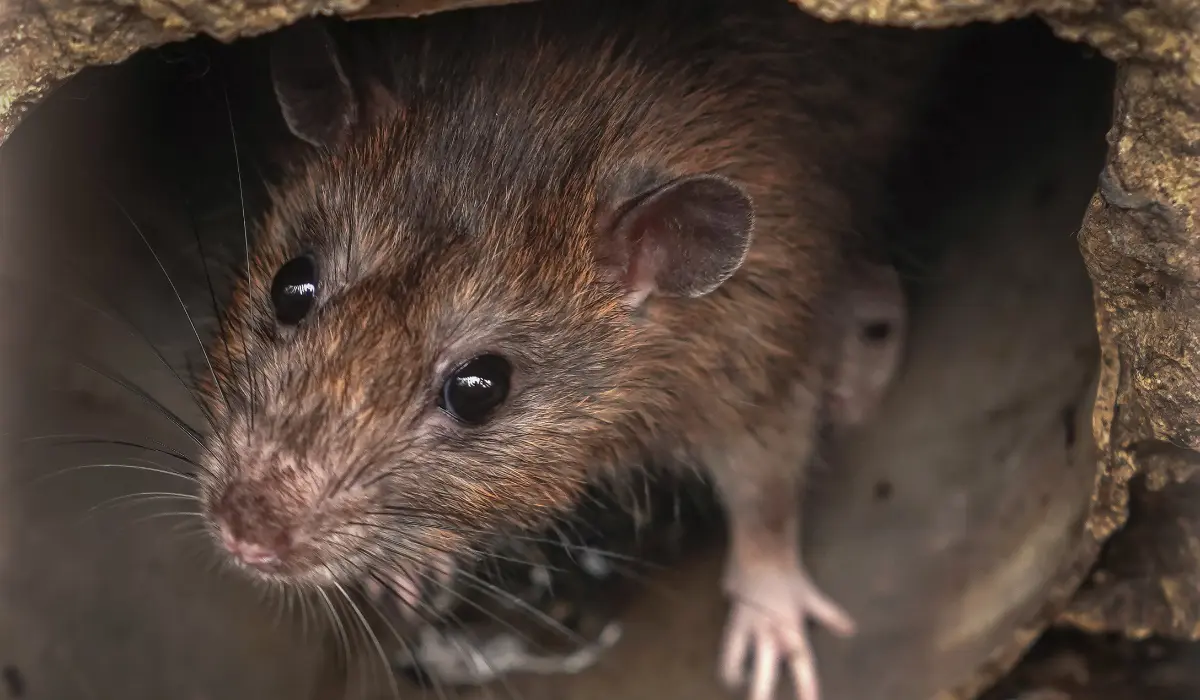
Mice and rats are common hidden sources. A rodent can travel through an attic, wall void, crawl space, or garage without entering the rooms where you spend time. Fleas and immature flea stages can remain in those areas after the animal dies or moves elsewhere.
Wild animals can create a similar problem. Raccoons, opossums, feral cats, and other mammals may sleep beneath decks, sheds, or raised houses. Fleas often collect near places where an animal rests instead of spreading evenly across an entire yard.
Previous occupants also matter. If a tenant or homeowner moved out with a pet, flea eggs and larvae may still be present in rugs, flooring seams, or upholstered furniture. The house may appear clear until someone moves in and begins walking through the rooms.
| Possible Source | Where to Check | Clues You May Notice |
| Mice or rats | Attics, garages, walls, and crawl spaces | Droppings, gnaw marks, scratching sounds, or nesting material |
| Wildlife | Beneath decks, porches, sheds, and raised homes | Tracks, disturbed soil, animal odor, or repeated nighttime activity |
| Previous pets | Carpets, floor gaps, closets, and former sleeping areas | Fleas appear soon after moving into a home or rental |
| Visiting animals | Entryways, rugs, porches, and furniture | Activity begins after a guest brings a dog or cat |
| Stray cats | Shaded foundation areas, sheds, and outdoor furniture | Hair, paw prints, food disturbance, or animals seen resting nearby |
How Fleas Survive Without a Household Pet
Fleas have four life stages: egg, larva, pupa, and adult. The Centers for Disease Control and Prevention explains that adult females lay eggs after feeding and that those eggs fall into the surrounding environment. This is why much of a flea problem develops away from the animal itself.
The eggs hatch into larvae, which avoid light and remain in sheltered areas. They feed on organic material before forming cocoons and entering the pupal stage. The cocoon can collect dust and debris, making it hard to see in a rug or a flooring crack.
A flea can wait inside the cocoon until conditions suggest that a host is close. Movement, warmth, and carbon dioxide can help trigger adult emergence. That is why a vacant house may suddenly seem infested after people move in, furniture arrives, or cleaning begins.
This stage also explains why fleas may keep appearing after the first cleaning. Vacuuming can remove eggs and larvae while encouraging adults to leave their cocoons. Those newly emerged adults were already developing in the home. They were not created by the vacuum.
| Flea Life Stage | Typical Location | What Homeowners Should Know |
| Egg | Rugs, bedding, flooring gaps, and resting areas | Eggs fall away from the host and spread into nearby areas |
| Larva | Dark floor edges, carpet fibers, and protected spaces | Larvae avoid exposed, brightly lit surfaces |
| Pupa | Inside a cocoon in carpet or narrow cracks | The cocoon offers protection until an adult is ready to emerge |
| Adult | On an animal or near people after emerging | Adults are the visible stage that jumps and bites |
Signs of Fleas in a House With No Pets
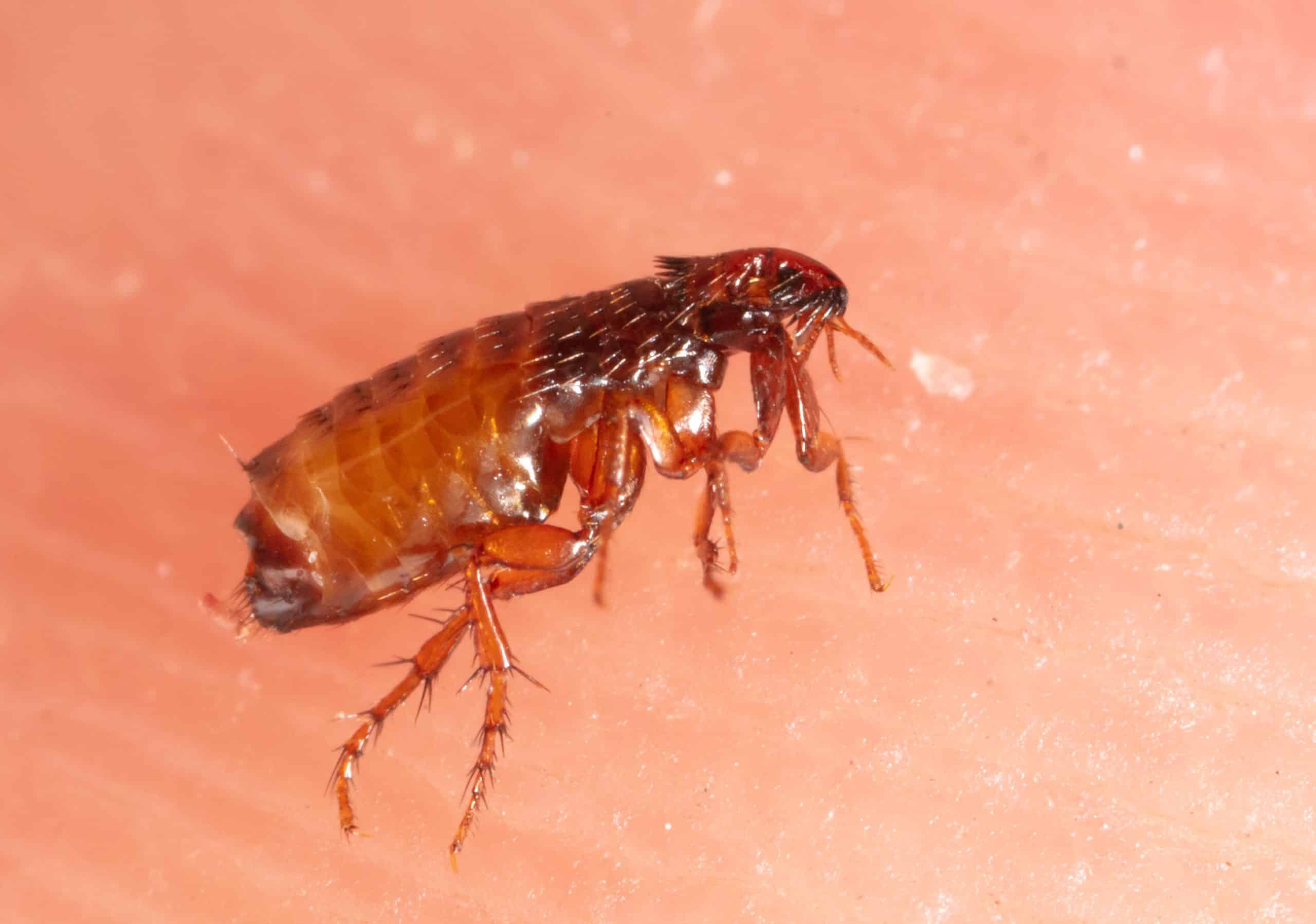
An adult flea is usually about one-eighth of an inch long. It has a narrow, flattened body and large back legs built for jumping. Its color may range from brown to reddish brown, especially after it feeds.
Flea bites often appear around the ankles or lower legs because adults usually emerge close to the floor. The bites may look like small, itchy red bumps. Reactions vary, so one person in the house may have noticeable irritation while another has few visible marks.
Bites alone are not enough to confirm fleas. Mosquitoes, mites, bed bugs, and several skin conditions can produce similar symptoms. Look for the insect itself before choosing a treatment plan.
One practical check is to wear white socks and slowly walk across the suspected room. A dark flea may jump onto the fabric and become easier to see. Pay special attention to rugs, floor edges, upholstered furniture, and areas where an animal may have rested in the past.
| Sign | What It Suggests | What Else It Could Be |
| Tiny insects that jump | Fleas are active near the floor | Springtails may also jump but do not bite |
| Itchy bumps near the ankles | Fleas may be emerging from carpets or flooring | Mosquitoes, mites, or skin irritation |
| Activity after moving into a vacant home | Pupae may have remained from a former pet | Insects introduced with furniture or boxes |
| Scratching sounds in walls or ceilings | Rodents may be carrying fleas | Other wildlife or structural noises |
| Bites without visible insects | A careful inspection is needed | Bed bugs, mosquitoes, mites, or another cause |
Where Fleas Hide in Louisiana Homes
South Louisiana homes give fleas several protected places to develop. Raised foundations, shaded crawl spaces, and covered porches can shelter rodents or wildlife. These areas often stay humid and receive little direct sunlight.
Indoors, fleas tend to collect where eggs fall or animals rest. Carpet fibers, floor cracks, closets, furniture edges, and spaces beneath beds deserve close attention. In a home without pets, the most active room may not be the original source.
Outdoor conditions can play a role too. Fleas are more likely to persist in shaded areas than in the middle of a dry, sunny lawn. Check beneath decks, around sheds, along fence lines, and near outdoor furniture where stray animals may sleep.
Attics are easy to overlook. A mouse nesting above a bedroom can support fleas even though no animal is visible in the living space. If flea activity keeps returning, inspect for droppings, damaged vents, nesting material, and gaps around rooflines or utility openings.
How to Get Rid of Fleas in a House With No Pets
Start by confirming that fleas are actually present. Catching a specimen or taking a clear photo can prevent you from treating for the wrong pest. Once fleas are confirmed, inspect the property for rodents, wildlife, old animal bedding, and other possible sources.
Vacuum carpets, rugs, upholstered furniture, closets, baseboards, and spaces beneath beds. Move slowly and cover the entire floor instead of concentrating only on the place where someone was bitten. Empty the vacuum outdoors in a sealed bag after each use.
Pay close attention to areas where animals sleep or spend time. In a pet-free home, that may mean checking a former pet’s resting area, a rodent path, or a shaded space beneath the structure.
Wash removable rugs, blankets, furniture covers, and other washable fabrics according to their care labels. Cleaning removes debris and reduces the material available to developing larvae. It also gives you a better view of floor edges and cracks that need attention.
Keep vacuuming after the first treatment. LaJaunie’s flea service instructions call for waiting two to three days after service, then vacuuming carpets, beneath beds, and closet floors for at least three days in a row. This repeated activity helps bring newly developed adults out of protected areas so the infestation can continue to decline.
Mistakes That Allow Fleas to Keep Returning
Treating only the room where you noticed bites is one of the most common mistakes. The adult fleas may be jumping in a bedroom while rodents remain active above the ceiling or beneath the floor. The visible room is not always the source.
Another mistake is assuming one cleaning session will remove every flea stage. Eggs, larvae, pupae, and adults respond differently to cleaning and treatment. A plan that reaches only jumping adults leaves the rest of the lifecycle untouched.
Some homeowners also overlook the yard. Treating indoor areas alone may not work when stray animals or wildlife continue resting near the foundation. Single-family homes often need an inspection of both indoor and outdoor hotspots.
Stopping too soon can also extend the problem. You may see less activity for several days, then notice a few new adults. Those fleas may be emerging from existing cocoons rather than representing a new infestation. Consistent vacuuming and a scheduled follow-up are more useful than switching methods every few days.
When Professional Flea Treatment Makes Sense
Professional help is worth considering when you cannot locate the source, activity continues after repeated cleaning, or rodents and wildlife are involved. Fleas beneath flooring, in crawl spaces, or around animal nesting sites can be difficult to address with household cleaning alone.
A technician should inspect more than the visible room. The inspection may include flooring edges, baseboards, carpets, furniture, attic access, crawl spaces, porches, and shaded parts of the yard. This wider view helps separate an old indoor infestation from an active animal source.
LaJaunie’s flea-control process may include indoor service, outdoor service, or both, based on the property. The company also schedules a two-week follow-up to address fleas that emerge after the first visit. Homeowners receive preparation and after-service instructions so cleaning supports the treatment rather than interfering with it.
The follow-up is an important part of the process. It gives the technician a chance to check remaining activity, revisit hotspots, and determine whether rodents or wildlife are still bringing fleas close to the home.
Preventing Fleas From Coming Back
Once the infestation is under control, focus on animal access. Seal gaps around crawl-space doors, vents, garage doors, rooflines, and utility openings. Repair damaged screens and close spaces that allow rodents to move inside.
Make the area around your home less attractive to wildlife. Keep trash lids secure, remove fallen fruit, and avoid leaving animal food near the foundation. Clear clutter beneath porches and decks where small animals may hide.
Trim thick vegetation near the structure and inspect shaded resting places. A neat yard will not guarantee that wildlife stays away, but it makes animal activity easier to notice and removes some of the shelter those animals use.
Inside, vacuum regularly and inspect secondhand rugs or upholstered furniture before bringing them into your home. Continue watching for droppings, scratching sounds, or gnaw marks. When fleas and rodents appear together, both problems need attention.
Getting Fleas Out of Your Louisiana Home
Fleas in the house with no pets usually have a traceable source. Rodents may be nesting in the attic. Wildlife may be resting beneath the porch. A previous resident’s pet may have left flea stages in the carpet before moving away.
The right plan confirms the pest, identifies the animal source, cleans the places where fleas develop, and allows time for protected stages to emerge. It may also require treatment inside and outside the home.
LaJaunie’s Pest Control helps homeowners across southeastern Louisiana locate flea hotspots and address the conditions supporting them. When fleas keep returning despite regular cleaning, a professional inspection can show whether the source is in the flooring, the yard, the attic, or beneath the home.