

 Request your free quote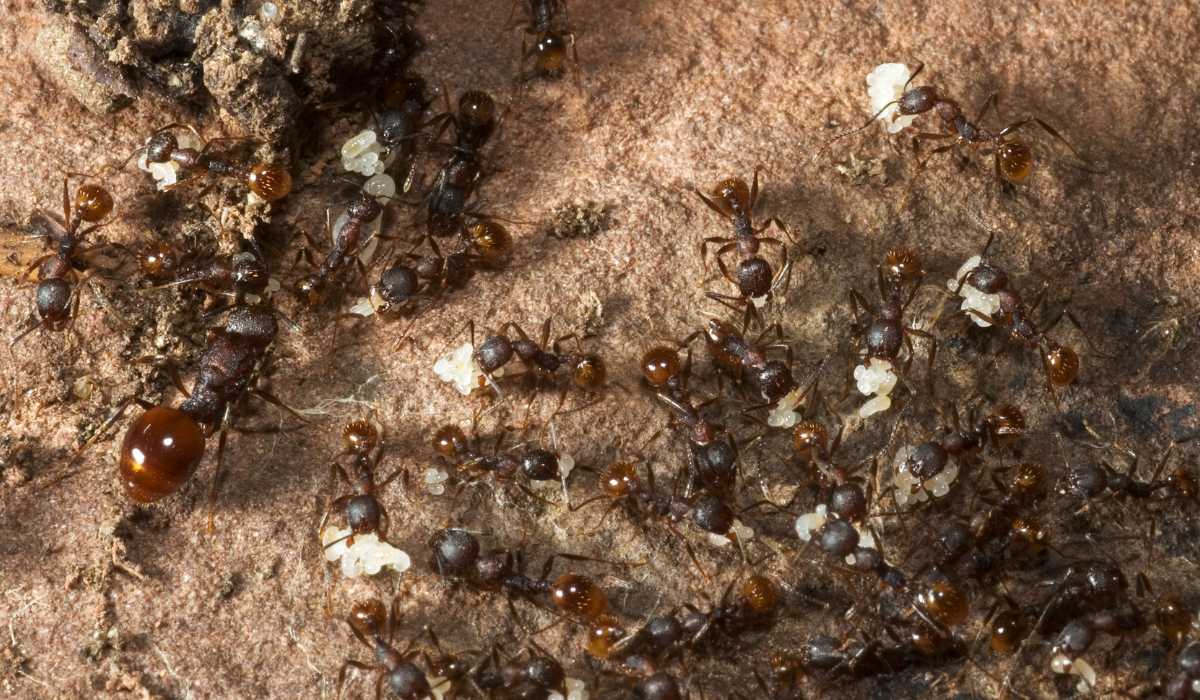
How Many Ants Are in A Colony can cause costly problems when early signs are missed. Learn the signs, risks, and when to call LaJaunie’s Pest Control.
Key Takeaways About A Colony How Many Ants Are
- Ant colony size varies widely by species, with some colonies holding a single queen and others containing several hundred queens alongside workers, males, and immature ants.
- A colony may include winged males and females, sterile female workers of various sizes, and a queen, so identifying the right species matters before choosing a control approach.
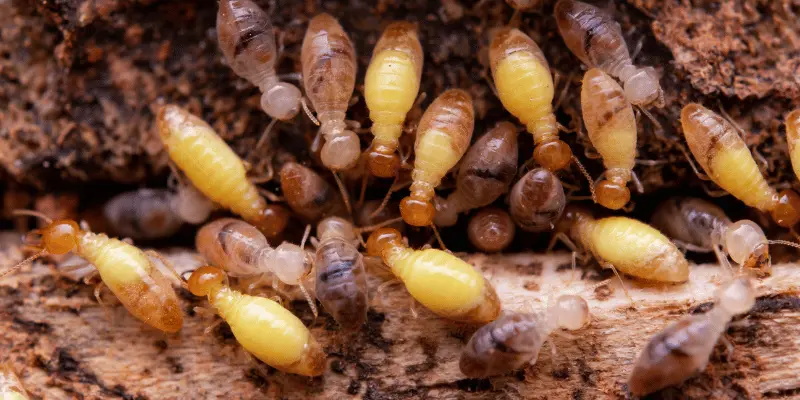
- Winged ants leaving a colony on mating flights can look similar to termites, making correct identification an important first step for homeowners.
- Colonies can be mobile and may relocate when disturbed, so understanding ant behavior helps you address the problem at its source rather than just treating visible trails.
How to Identify A Colony How Many Ants Are
Knowing how many ants are in a colony starts with identifying which ant species you are dealing with. Different ant species live in different habitats, and according to Kansas State University Extension, carpenter ants require different treatment than other ant species that may find their way into homes. Accurate identification helps you understand the size and structure of the colony you are facing.
How to Tell How Many Ants Are Types Apart in A Colony
Carpenter ant workers have dull red bodies with black abdomens and measure 1/4 to 1/2 inch long. You can distinguish them from most other large ant species because the top of the thorax is evenly convex and has no spines. The attachment between the thorax and abdomen has a single flattened segment.
Some ant species are easy to confuse. Workers of tramp ants (Tetramorium spp.) resemble the fire ant, but a close look reveals that the head and thorax are roughened with parallel grooves. Fire ant bodies, by contrast, are smooth. These physical differences matter because colony size and nest behavior vary by species.
How to Spot How Many Ants Are Activity Inside Your A Colony Home
Carpenter ant workers do not eat wood but excavate smooth galleries to raise their young. According to the University of Tennessee Extension, piles of coarse sawdust or splintered wood indicate a carpenter ant nest nearby. Dead insects falling from a wooden porch may also point to a nest above.
Some species maintain more than one nest within a structure. Parent carpenter ant colonies sometimes establish satellite nests in nearby indoor or outdoor sites. Workers of satellite colonies move frequently between their nest and the parent colony, so seeing ants in multiple rooms can signal a larger colony network.
Where How Many Ants Are Activity Shows Up Around A Colony Homes
Satellite nests are typically composed of workers, pupae, and mature larvae. These nests can appear in both indoor and outdoor locations near the parent colony. Watching where ant trails lead outdoors often reveals the main nest location.
Ant colonies are mobile and can quickly move to new locations when disturbed. Attempting to treat one nest without addressing satellite nests may simply push the colony elsewhere rather than resolve the issue.
Exterior Entry Points How Many Ants Are Use Around A Colony Homes
Because different ant species occupy different habitats, the entry points they favor vary. Carpenter ants live in a different habitat than many other species, so locating their exterior nest often requires looking in wood structures around the home where sawdust piles appear.
Given that some species have satellite colonies apart from the main nest, as Texas A&M AgriLife Extension notes, it may be important to have the assistance of a professional to locate all nest sites and understand the full scope of the colony.
Why How Many Ants Are Problems Develop in A Colony
Understanding colony size starts with understanding how ants behave outside and inside your home. A colony’s worker ants are constantly foraging for food and water, and when they find a reliable source near or inside a structure, a steady stream of ants can follow. Here is how that process unfolds.
Outdoor Nesting Areas for How Many Ants Are Around A Colony Homes
According to the University of Minnesota Extension, many ants enter homes from outside nests as they look for food. The colony itself often stays in a nearby outdoor mound or nesting site, while workers travel back and forth. Worker ants forage for food, feed the queen, construct tunnels to extend the colony, and care for the young. In most ant species, a single queen lays the eggs, maintaining or increasing colony size over time.
Food and Shelter That Attract How Many Ants Are Around A Colony Homes
Food is the primary driver that pulls foraging workers toward your home. Outdoors, ants feed on insects, decaying fruit, seeds, and honeydew. Indoors, they can be attracted to greasy foods and sweets. Once a worker finds a food source, it carries food back to the colony and shares it with the other ants, including the queen and brood.
How How Many Ants Are Move Around A Colony Homes
In many species, foragers create a pheromone trail that helps other workers find a source of food or water. This trail system is what turns a handful of scouts into a visible line of ants moving through your living space. Usually a single trail of workers comes into the house and carries food back out to the nest. Some species are nocturnal, so foraging activity may go unnoticed during the day.
Ant Trails and Entry Points Around A Colony Homes
Following the trail of ants is one of the simplest ways to locate where they are getting in. You can encourage foraging by setting out attractive food near the trail, which may help you trace the path back to the nest. When foraging worker ants enter a home, they can be a nuisance, and the pheromone trail they leave behind invites more workers to follow the same route. Addressing the food sources they target is a practical first step toward reducing ant traffic indoors.
Risks From A Colony How Many Ants Are
When thousands of ants share a single colony, the risks they pose to your home go beyond simple annoyance. Different species create different problems, and the sheer number of workers in a colony can turn a minor sighting into a genuine concern for your health and property.
Health Risks Linked to A Colony How Many Ants Are
Imported fire ants are among the most concerning pests when colony populations grow. According to Mississippi State University Extension, these ants sting aggressively. A large colony with many workers increases the chance of repeated stings, especially in yards where people walk barefoot or children play on the ground.
Fire ant workers vary in size from about 1/12 to 3/16 inch and range from light to dark brown. Their small stature makes them easy to overlook until you step directly into their territory. Because colonies can hold large numbers of workers, multiple stings during a single encounter are possible.
Property Damage From how many ants are in a
Black carpenter ants are the largest common pest ants in the Southeast, with workers ranging from 1/4 to 5/8 inch. Their size hints at their capacity: a well-populated carpenter ant colony puts continuous pressure on wood structures over time. These nocturnal pests often go unnoticed until the colony has been active for a while.
Because carpenter ant workers within the same colony vary in size, homeowners may not immediately connect smaller and larger ants as members of one group. Recognizing that range helps you gauge whether a single colony is responsible for activity in your home.
Food Areas and How Many Ants Are Activity in A Colony Homes
Kitchens and pantries are common areas where ant activity becomes visible. When a colony sends out many foraging workers, trails can appear along countertops, cabinets, and near sinks. The more workers a colony supports, the more likely you are to spot pests in food-preparation areas.
Both fire ants and carpenter ants may forage indoors. Fire ant workers are small enough to enter through tiny gaps, while carpenter ants, being larger pests, tend to stand out more when they appear inside.
When to Look Closer at How Many Ants Are Activity in A Colony
Seeing a handful of ants does not always mean a large colony is nearby. However, frequent sightings of varied-size workers can suggest an established colony with many members. Carpenter ants active at night deserve closer attention, since their nocturnal habits mean daytime sightings may represent only a fraction of the colony’s activity.
With fire ants, visible mounds in your yard are a clear signal. The aggressive stinging behavior of these pests makes any mound near walkways or play areas worth investigating promptly to understand the scope of the colony.
Professional Pest Control for How Many Ants Are in A Colony
Understanding how many ants live in a colony helps explain why DIY sprays rarely solve the problem. Colony structure varies by species, and the right control approach depends on locating where ants are nesting, how they forage, and whether multiple queens are involved. Below is what prevention, inspection, and professional ant control typically look like.
How to Reduce Attractants in A Colony
Carpenter ants become pests when they enter your home either to forage or to establish nests. Reducing what draws them inside is a practical first step. Keep moisture-prone areas dry and seal gaps where foraging workers could enter.
Spraying foraging ants on your countertops will not control the colony. According to UC IPM, spraying a nest may even cause the colony to disperse, which could make control more difficult. Removing food sources and blocking entry points puts less pressure on the nest while giving a professional time to plan a targeted approach.
Why How Many Ants Are Control in A Colony Starts With Inspection
Locating the nest is the single most important step in ant control. Carpenter ant nests are often hidden and not easily discovered, making careful observation of worker ants essential. Watching workers between sunset and midnight during spring and summer months can help reveal where they are traveling.
Colony layout matters too. Unlike fire ants, which form one large nest, a colony of Argentine ants usually has dozens of smaller, interconnected nests. A thorough inspection accounts for these differences so the control plan matches the actual colony structure inside or around your home.
What to Expect During Professional How Many Ants Are Treatment in A Colony
A professional pest control approach focuses on reaching the nest, not just the ants you can see. Foraging ants take bait back to the nest, where they transfer it among workers, larvae, and queens. This method works with the colony’s own behavior to carry control materials where they need to go.
Sometimes it is necessary to drill into wood and wall voids to reach a colony hidden inside your home’s structure. According to Texas A&M AgriLife Extension, you’ll want to hire a professional pest control operator who has the skill and equipment to do this safely and accurately.
What to Expect From a A Colony How Many Ants Are Control Plan
A polygyne colony, one with multiple queens, may be more difficult to control because all the queens must be addressed to prevent the colony from surviving. Your pest control plan should account for how many queens a species typically supports.
At LaJaunie’s Pest Control, our service professionals inspect your property, identify the ant species, and build a control plan around the colony’s actual layout. Whether you’re in New Orleans, Baton Rouge, Slidell, or Thibodaux, we tailor the approach to what the inspection reveals rather than relying on a one-size-fits-all treatment.
Bottom Line on How Many Ants Are in A Colony
Ant colony sizes vary widely depending on the species, ranging from a few dozen individuals to hundreds of thousands or more. Some colonies operate from a single nest with one queen, while others spread across dozens of smaller, interconnected nests. Understanding the scale of a colony helps you appreciate why a few ants trailing through your kitchen can signal a much larger population nearby. If you suspect an ant colony in or around your home, contact LaJaunie’s Pest Control to request a free inspection and get a plan tailored to your situation.
Frequently Asked Questions About how many ants are in a
Do All Ant Colonies Have Just One Queen?
Not always. Many species maintain a single queen per nest, but some colony types can have multiple queens. Colonies with several queens may be harder to address because the colony can persist as long as any queen survives.
How Can I Find Where a Colony Is Located?
One practical approach is to follow the foraging ants back to their nest. You can encourage foraging by placing attractive food near ant trails, which may help you trace workers to their source.
Why Do I Keep Seeing Ants Even After Cleaning?
Foraging workers follow scent trails laid down by other ants, so even after you clean a surface, the trail can remain active for a time. The colony itself may be located outside or within wall voids, sending workers indoors to search for food and water.
When Should I Call a Professional Instead of Treating on My Own?
Some colonies nest inside wood or wall voids where over-the-counter products cannot reach. In those cases, reaching the colony may require drilling into wood or walls, which calls for the skill and equipment of a professional pest control operator.