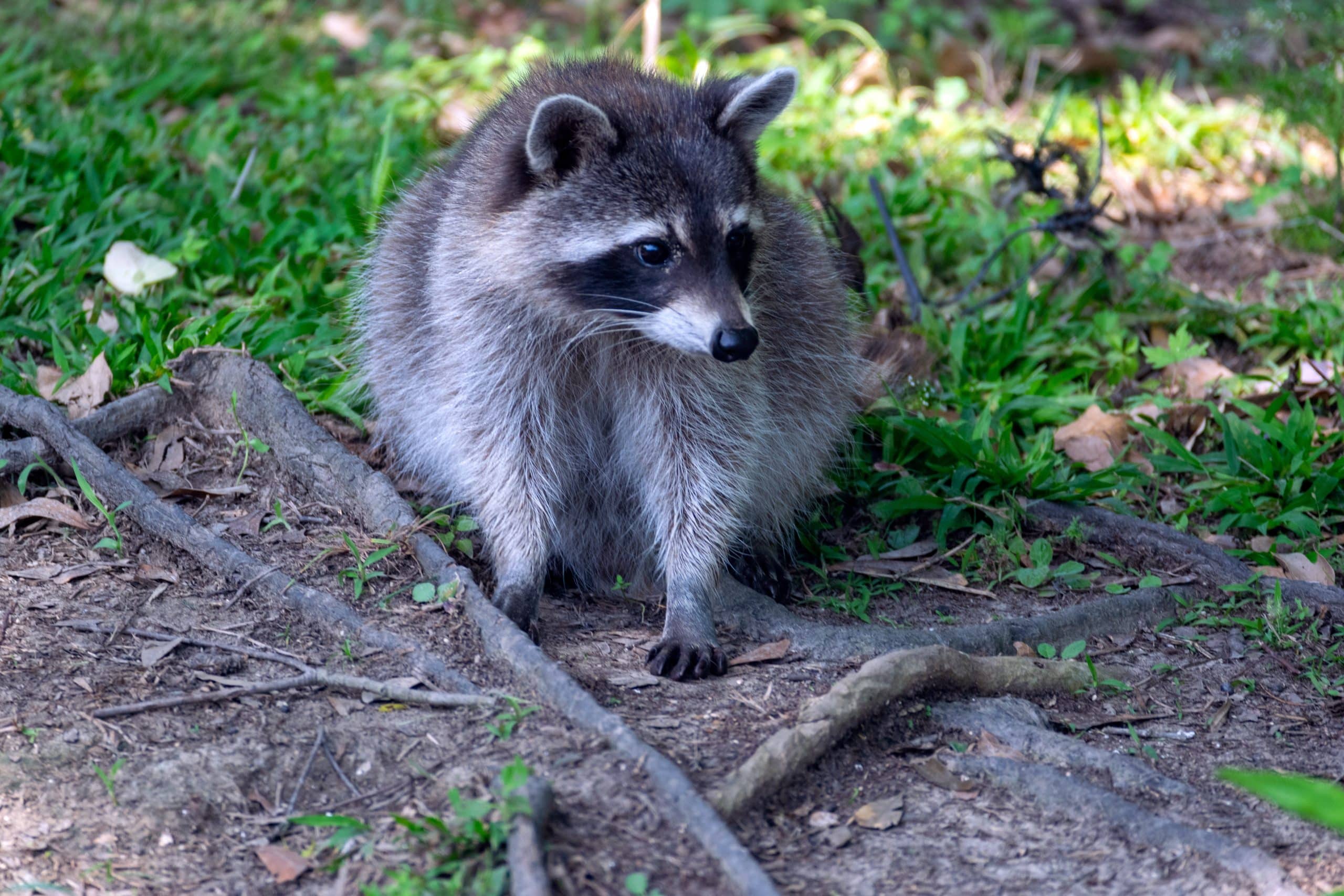
A Louisiana raccoon is easy to recognize by its dark facial mask, ringed tail, and five-toed paws. These animals live throughout South Louisiana, where wooded areas, bayous, and neighborhoods give them access to food and shelter.
You might first notice one after finding garbage scattered across your driveway or hearing heavy footsteps above your ceiling. While most raccoons stay outdoors, some find their way into attics, crawl spaces, and other sheltered areas. Knowing how a Louisiana raccoon behaves, what attracts it, and which warning signs matter can help you protect your home without unnecessary risks.
Key Takeaways
- Raccoons are common in South Louisiana. Their dark facial masks, ringed tails, and five-toed tracks help distinguish them from other wildlife.
- Food and shelter bring raccoons close to homes. Unsecured garbage, outdoor pet food, and accessible attics can encourage repeat visits.
- Prevention works best when you address the cause. Removing food sources and securing entry points reduces unwanted activity, while professional wildlife control helps resolve attic problems safely.
How to Identify a Louisiana Raccoon
Raccoons have stocky bodies covered in grayish-brown fur, black markings around their eyes, and bushy tails with alternating dark and light rings. Adults commonly weigh about eight to 20 pounds, although their size varies with age, sex, and food availability. Their appearance makes them recognizable even when you only catch a brief glimpse near your porch or fence.
Their front paws are another identifying feature. Raccoons have five long, flexible toes on each foot, which help them grasp food and manipulate objects. This ability helps explain why they can investigate loose garbage lids and pull food from containers.
What Raccoon Tracks Look Like
Raccoon tracks resemble small handprints, with five distinct toes extending from a wider pad. Their hind footprints are longer than their front prints and may show part of the heel. You can often spot these details in damp soil around gardens, garbage containers, and crawl-space entrances.
Homeowners sometimes confuse raccoons with opossums, another common South Louisiana animal. The University of Michigan’s Animal Diversity Web describes the raccoon’s physical features and behavior, which can help with identification.
| Feature | Raccoon | Opossum |
| Face | Dark mask around the eyes | Pale face with a pointed snout |
| Tail | Bushy with dark and light rings | Mostly hairless |
| Feet | Five toes with flexible front paws | Five toes, including an opposable inner toe on each hind foot |
| Tracks | Handlike front prints with five toes | Hind prints show a widely angled, thumb-like toe |
Clear tracks or a direct sighting offer stronger evidence than overturned trash alone. Several animals can leave similar signs around a property.
Where Louisiana Raccoons Live and What Attracts Them
Raccoons live in wooded areas, wetlands, and residential neighborhoods throughout South Louisiana. They travel along waterways and wooded corridors but have adapted well to neighborhoods with easy access to food. Even homes several miles from a bayou can receive regular visits.
Raccoons are primarily nocturnal, spending much of the night searching for food. Their diet includes fruits, nuts, insects, crayfish, frogs, and other small animals. They remain active throughout the year in Louisiana, although their movements change with weather, available food, and breeding activity.
Why Trash and Pet Food Attract Raccoons
An unsecured trash can offers an easy meal. Raccoons can investigate loose lids, tear into exposed garbage bags, and return when they find food. A container that regularly holds accessible leftovers can become a familiar feeding spot.
Pet food creates a similar attraction. A bowl of kibble left on the porch overnight gives raccoons a reason to approach your home, even when the food is meant for an outdoor cat. Fallen fruit and spilled birdseed can also encourage visits.
Why Raccoons Enter Attics and Crawl Spaces
Attics offer dry, sheltered spaces where raccoons can rest or raise their young. A female may choose an attic as a den because it protects her kits from weather and disturbance. Once inside, the animals can remain out of sight while moving through insulation and other storage areas.
In South Louisiana, damaged soffits, loose roof vents, and openings along the fascia can provide access. Raised homes may also have unprotected crawl spaces beneath the structure. Raccoons are capable climbers, so trees, fences, and nearby structures can help them reach higher openings.
Signs of Raccoon Activity Around Your Property
Raccoons often leave evidence before you actually see one. Fresh tracks, scattered garbage, and damage around roof openings can help you identify where animals are spending time. The location and frequency of these signs matter, especially when several appear together.
Common Signs Outdoors
A raccoon searching for food may disturb trash containers, pet bowls, or garden areas. You might notice footprints in wet soil the morning after a rainstorm or find garbage scattered around a container that was closed the previous evening.
| Warning Sign | What You Might Notice | What It Could Mean |
| Raccoon tracks | Five-toed footprints in mud, damp soil, or dust | Wildlife has traveled through the area |
| Scattered garbage | Torn bags, food scraps, or overturned containers | An animal may be searching for food |
| Disturbed pet bowls | Missing food or containers moved overnight | Outdoor feeding may be attracting wildlife |
| Raccoon droppings | Dark, tubular waste, sometimes deposited repeatedly in one location | A possible resting or latrine site |
| Roof damage | Loose soffits, displaced vent covers, or openings near the roofline | Wildlife may have access to an attic |
Droppings deserve particular care because they can expose people and pets to harmful organisms. Avoid touching suspicious waste or disturbing material that has accumulated in one area.
What Do Raccoons Sound Like in an Attic?
A raccoon moving through an attic can make heavy footsteps, scratching sounds, and noticeable thumps. You may hear these noises late at night or around dawn when the rest of the house is quiet. Young raccoons can also make chattering or crying sounds near their nesting area.
However, attic noises don’t always mean raccoons are present. Squirrels, rats, and birds can create similar disturbances, and sounds may travel through ceilings and walls. Note when the activity occurs and where it’s loudest, then have a wildlife professional investigate rather than confronting the animal yourself.
Health and Property Risks From Raccoons
Most raccoons avoid people when given enough space, but direct contact and accumulated waste can create health concerns. Problems are more serious when an animal begins living inside your home, where damage and contamination may go unnoticed.
Raccoon Roundworm and Rabies Risks
Raccoon droppings can contain roundworm eggs that become infectious after spending time in the environment. The Centers for Disease Control and Prevention (CDC) explains that people can become infected by accidentally swallowing infectious eggs from contaminated soil, objects, or other materials. The eggs generally take about two to four weeks to become infectious under suitable conditions.
Raccoons can also contract rabies and may bite or scratch when threatened. Seeing one during daylight doesn’t automatically indicate illness, but an animal displaying unusual aggression, severe disorientation, or difficulty moving should be avoided.
If someone is bitten or scratched, wash the wound thoroughly and seek prompt medical care. Keep children and pets away from raccoon droppings, and don’t attempt to clean an established latrine without proper guidance.
How Raccoons Can Damage Your Home
Raccoons entering attics can disturb insulation, contaminate stored items, and damage materials near their entry points. An animal may enlarge a weakened soffit opening or displace a vent cover while moving into a sheltered space.
The damage doesn’t always end when the animal leaves. Contaminated insulation may need replacement, while openings around the roof can allow rainwater or additional wildlife inside. A proper inspection helps determine which repairs and cleanup measures are necessary.
How to Prevent Raccoons and Avoid DIY Trapping Mistakes
You can discourage raccoons by removing accessible food and keeping the exterior of your home in good condition. These steps are especially useful when raccoons visit your yard but haven’t established a den inside the structure.
Remove Food Sources Around Your Home
Start with garbage storage. Use sturdy containers with secure lids, clean up spilled food, and avoid leaving exposed trash bags outdoors overnight. If animals repeatedly overturn a container, a locking lid or enclosed storage area may be necessary.
Bring pet-food bowls indoors after feeding, and collect fallen fruit beneath backyard trees. Bird feeders should also be maintained so seeds don’t accumulate on the ground. Removing reliable meals makes your property less attractive to visiting raccoons.
Secure Attic and Crawl-Space Openings
Check the exterior of your home for damaged soffits, loose vent covers, and visible gaps along the roofline. If you live in a raised home, inspect crawl-space access doors and protective barriers for missing or damaged sections.
South Louisiana storms can loosen exterior materials, so inspect vulnerable areas after severe weather. Never seal an opening while an animal may still be inside. A female raccoon could have dependent young hidden in the attic, and closing the entrance could leave them trapped.
Why DIY Raccoon Trapping Can Backfire
Trapping a raccoon may remove one animal without solving the underlying problem. If food remains accessible or an attic entrance stays open, another raccoon can discover the same opportunity. Handling a frightened animal also creates a risk of bites and scratches.
Young raccoons make removal more complicated. Capturing a mother without locating her kits can leave them stranded inside the structure, creating additional animal welfare and sanitation problems.
Capture, transport, and relocation may also be subject to state requirements. Check the Louisiana Department of Wildlife and Fisheries’ nuisance wildlife guidance before attempting removal, and use an appropriately authorized wildlife professional when trapping or exclusion is necessary.
When to Call LaJaunie’s Pest Control for Raccoon Problems
A raccoon occasionally crossing your backyard may only require better food storage and a few preventive changes. However, repeated attic noises, droppings indoors, or visible damage around roof openings are reasons to schedule a wildlife inspection. Professional raccoon control is particularly useful when you suspect young animals are inside or can’t safely identify the entry point.
LaJaunie’s Pest Control provides wildlife inspections and customized removal and exclusion services across South Louisiana. Our team can check roof vents, soffits, crawl spaces, and attic areas to identify evidence of wildlife activity and access points.
If a Louisiana raccoon has moved into your home, contact LaJaunie’s Pest Control to schedule an inspection. We can assess the situation, explain your options, and recommend a practical way to protect your property from further wildlife damage.
Frequently Asked Questions About The Louisiana Raccoon
Are raccoons common in South Louisiana?
Yes. Raccoons live throughout South Louisiana in wooded areas, wetlands, and residential neighborhoods. Their flexible diet allows them to find food in both natural habitats and developed communities. Homeowners often notice them around garbage containers, outdoor feeding areas, and properties near trees or waterways.
What attracts raccoons to your yard?
Accessible food is one of the biggest attractions. Unsecured garbage, pet food left outside overnight, fallen fruit, and spilled birdseed can encourage raccoons to visit repeatedly. Sheltered areas beneath raised homes or around outdoor structures may also provide convenient resting places.
Are raccoons dangerous to humans or pets?
Most raccoons avoid contact with people, but they can bite or scratch when frightened or cornered. They can also carry diseases and parasites, including rabies and raccoon roundworm. Avoid handling wild raccoons, keep pets away from them, and seek medical advice after a bite or scratch.
Can you trap and relocate a raccoon in Louisiana?
Louisiana has rules governing nuisance wildlife capture and handling, so homeowners should check current state requirements before setting traps or relocating animals. Trapping also carries safety risks and may separate mothers from dependent young. A qualified wildlife professional can assess the situation and recommend an appropriate removal and exclusion plan.