



You paint over the water stain on the bedroom ceiling, and it comes back within a few weeks. The bathroom smells musty even right after cleaning. Your AC runs constantly, but the air still feels heavy. These aren’t random quirks.
In Luling, they’re usually signs that your home has a moisture problem, and moisture is exactly what mold needs. Mold testing and humidity control in Luling starts with identifying where that moisture is coming from and whether mold has already taken hold inside walls, floors, or ductwork where you can’t see it. This guide covers what to look for, what professional testing actually tells you, and how to keep mold from returning once it’s been dealt with.
Key Takeaways
- Luling’s high humidity, flood history, and aging housing stock give mold more entry points than most homeowners expect, including inside walls and under floors where cleaning doesn’t reach.
- A musty smell, recurring water stains, or allergy symptoms that worsen in certain rooms are often the first signs of hidden mold, not a dirty house.
- Keeping indoor humidity below 60%, fixing water intrusion at the source, and scheduling a professional inspection after any water damage are the steps that actually stop mold from coming back.
Signs That Mold Testing Makes Sense
Some situations call for mold testing even when nothing is obviously wrong:
- A persistent musty odor in a room, closet, or utility area that doesn’t resolve after cleaning
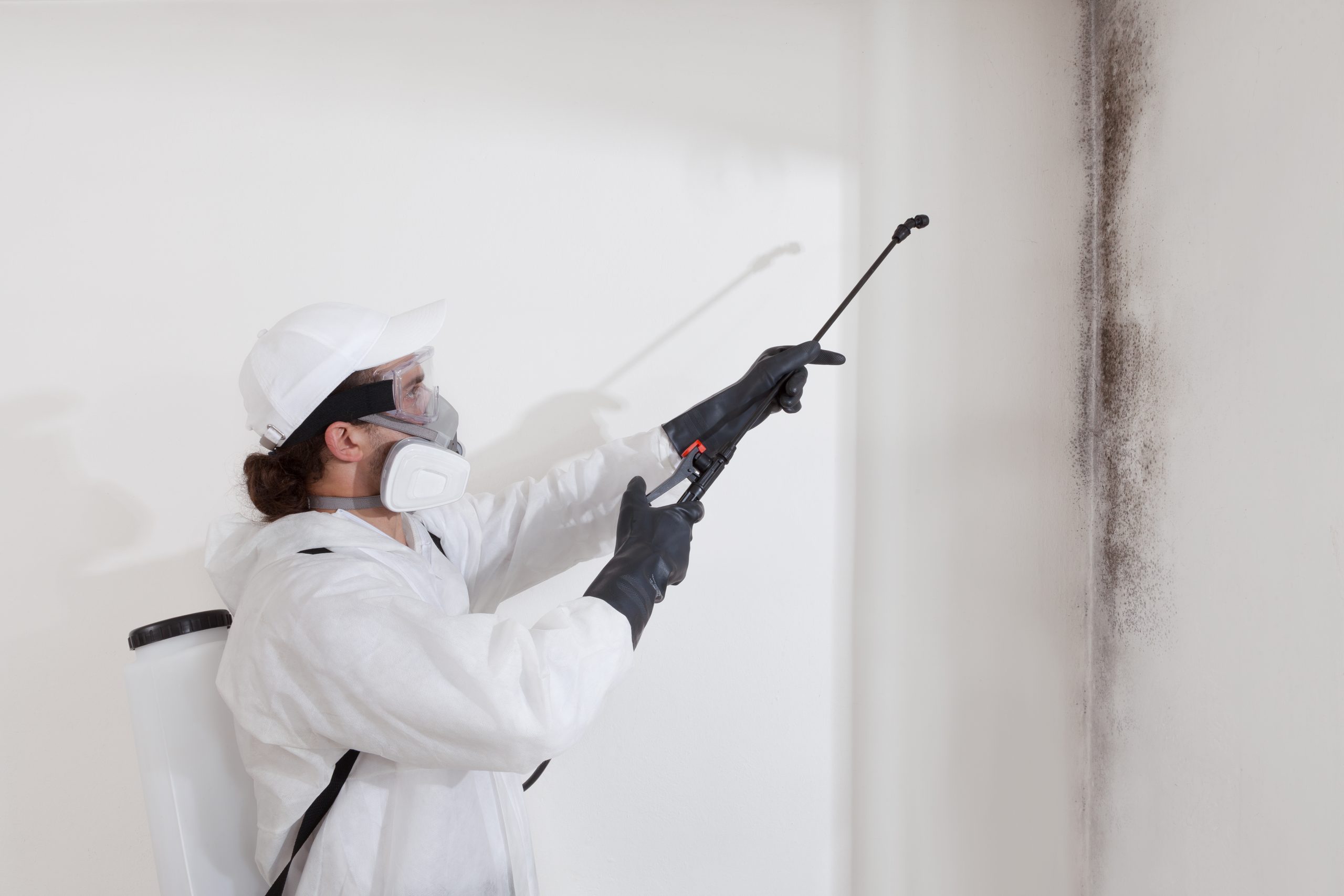
- Visible dark patches (green, black, or white) along bathroom ceilings, window frames, or near AC vents
- Warped drywall, bubbling paint, or soft baseboards near plumbing lines or under sinks
- Water staining or brown rings around ceiling penetrations or wall seams
- Allergy-type symptoms such as coughing, eye irritation, or throat dryness that seem noticeably worse in certain rooms
Mold produces allergens, irritants, and, in some cases, mycotoxins, and people with asthma or existing allergies tend to be more sensitive. The Louisiana Department of Health identifies these as the primary health concerns associated with indoor mold exposure. Symptoms vary widely, and the connection between mold and indoor discomfort isn’t always visible, which is why testing has value even when there’s nothing obvious to point to.
What Professional Mold Testing Involves
A professional mold inspection goes well beyond a visual check. Technicians use moisture meters and, where applicable, thermal imaging to locate areas of elevated moisture that may not show surface signs yet.
Air samples are collected from multiple interior locations along with an outdoor control sample, then sent to a certified laboratory for analysis. The lab identifies mold types and compares indoor concentrations to outdoor baseline levels. Elevated indoor counts point toward an active source inside the property. Surface samples from suspicious areas confirm what’s growing and where.
Louisiana law under Act 880 of 2003 requires mold testing and mold remediation to be performed by separate contractors. A company that tests your home cannot also legally perform the cleanup on the same property, which protects homeowners from conflicts of interest and shapes how you’ll need to sequence the work.
Why Luling Homes Face a Higher Mold Risk
According to 30-year climate normals from the National Weather Service, the south Louisiana region sees average relative humidity running from the low 70s to nearly 80% throughout the year. Southern parishes consistently sit in the thickest part of that range. Luling sits at roughly 7 feet above sea level, and portions of St. Charles Parish border flood-prone areas along the river. The parish participates in FEMA’s National Flood Insurance Program, and the St. Charles Parish floodplain management program reflects the area’s long engagement with flood risk.
When storm surge, heavy rain, or poor drainage push water into a home, building materials can start supporting mold growth within 24 to 48 hours if they aren’t dried quickly. Homes that sustained damage from past storms and were repaired without a professional mold inspection may still harbor hidden growth behind patched drywall or beneath new flooring.
Even without flooding, summer humidity in this area creates steady moisture pressure. Air conditioners that are undersized, oversized, or aging may not dehumidify effectively, allowing indoor relative humidity to climb above the level where mold spores can begin to grow. Crawl spaces, attics with limited ventilation, and areas around plumbing fixtures are particularly prone to moisture accumulation in this climate.
How to Keep Mold from Returning to Your Luling Home
Moisture is what mold needs to survive. Once a test identifies a problem and remediation is complete, keeping indoor relative humidity below 60%, ideally between 30% and 50%, is the target the Louisiana Department of Health points homeowners toward. The EPA’s mold and moisture guidance makes the same point: controlling indoor moisture is the only reliable way to prevent mold from reestablishing.
In Luling, hitting that target through summer requires attention to a few specific systems.
Ventilation
Bathrooms, laundry rooms, and kitchens should vent to the exterior, not into attic spaces. Exhaust fans running during and after showers and while cooking make a real difference in rooms where moisture builds quickly. Closets and spaces along exterior walls also benefit from improved air circulation.
Air Conditioning
Central AC does double duty as a dehumidifier, but only when sized and maintained correctly. A unit that’s too large for the space short-cycles. It cools quickly without running long enough to pull adequate moisture from the air. Routine filter replacement and drip pan cleaning matter more in high-humidity climates than homeowners often realize.
Dehumidifiers
Standalone dehumidifiers fill the gap in spaces that central AC doesn’t effectively cover, including crawl spaces, utility rooms, and any area with limited airflow. For homes with pier-and-beam construction or accessible crawl spaces, a vapor barrier can significantly reduce the amount of moisture migrating up from the soil.
Fixing Water Intrusion
All the ventilation and dehumidification in the world won’t hold if water keeps finding a way in. Gutters that direct water away from the foundation, roof maintenance before hurricane season, and prompt repair of plumbing leaks all reduce the moisture load that feeds mold. If mold is removed without addressing the source, it returns, usually in the same spot.
When Professional Mold Testing Is Recommended
For small affected areas, the Louisiana Department of Health advises that homeowners can clean hard surfaces with soap and water and dry them thoroughly. Porous materials such as ceiling tiles, drywall, carpet, and insulation that show visible mold growth typically need to be removed and replaced rather than cleaned.
Professional help is advisable when mold growth covers more than 10 square feet, when the HVAC system is involved, or when water intrusion comes from sewage or a contaminated source. The EPA’s guidance on mold cleanup uses this 10-square-foot threshold to distinguish DIY cleanup from situations that warrant professional remediation. Testing is also worth scheduling when buying or selling a home in Luling. A documented mold inspection report gives both parties clear answers before closing.
If your Luling home sustained water damage from past storms and was repaired without a mold assessment, scheduling one is a reasonable precaution. A roof leak, appliance failure, or plumbing issue where materials stayed wet for more than a day or two falls into the same category.
Mold Testing And Humidity Control: Bottom Line
Mold in Luling homes isn’t usually the result of poor housekeeping. It follows moisture, and in this part of Louisiana, moisture has a lot of ways in. Flood-related repairs that didn’t include a mold assessment, an aging AC that can’t keep up with summer humidity, a crawl space that’s never had a vapor barrier: any of these can quietly sustain a mold problem for months or years before a homeowner notices. The smell, the recurring stain, the allergy symptoms that only happen at home are the signs that something needs a closer look, not another coat of paint.
Once you know what’s there, the next steps are clear. Address the moisture source, bring indoor humidity back below 60%, and make sure the remediation work is documented. A professional mold inspection gives you the lab results and specific recommendations to move forward.
If you want to know what’s actually in your walls or air, schedule a mold inspection with LaJaunie’s Pest Control to get a lab-backed assessment and a clear picture of what remediation, if any, you actually need. LaJaunie’s Pest Control has served St. Charles Parish and South Louisiana since 2008, with state-certified technicians, same-day service availability, and written reports that include photos, mold types, concentration levels, and specific next steps.
Frequently Asked Questions
How does Louisiana’s humidity affect mold risk in Luling homes specifically?
South Louisiana’s humidity stays in the low to high 70s year-round. Luling’s low elevation and its location near the Mississippi River add to that moisture load. When indoor humidity climbs above 60%, mold can grow even in a home with no visible water damage or leaks.
What’s the difference between mold testing and mold remediation?
Mold testing checks whether mold is present and identifies the type and amount through lab analysis. Mold remediation is the process of removing the mold and fixing the affected areas. In Louisiana, the company that tests your home cannot also perform the cleanup on the same property.
How often should Luling homeowners consider a mold inspection?
There’s no set schedule. Schedule one after water damage, a major storm, or if materials stayed wet for more than a day or two. It’s also worth scheduling before buying or selling a home, or any time musty odors or unexplained allergy symptoms show up in certain rooms.
What are the most common areas where mold hides in South Louisiana homes?
Mold tends to hide in places that stay damp and don’t get much airflow:
- Attics with poor ventilation
- Crawl spaces without a vapor barrier
- Around HVAC systems and ductwork
- Behind drywall near plumbing lines
- Under sinks and around tubs and showers
- Under flooring in rooms that have had water damage
Does LaJaunie’s Pest Control serve the Luling area for mold testing?
Yes. LaJaunie’s serves Luling and nearby communities in St. Charles Parish, including Boutte, Destrehan, and Hahnville. The mold testing service includes air and surface sampling, certified lab analysis, and a written report. Same-day service is available for urgent situations.